If you’ve seen the code DTC P0456 pop up on your Jeep’s dashboard, you might be wondering what it means and how serious it is. This trouble code points to a small leak in your vehicle’s EVAP system—the part responsible for capturing fuel vapors and preventing them from escaping into the atmosphere.
While it might sound technical, understanding this issue is key to keeping your Jeep running smoothly and avoiding costly repairs down the road. You’ll learn what causes the P0456 code, how to spot the signs, and the simple steps you can take to fix it.
Keep reading to get your Jeep back on the road with confidence.
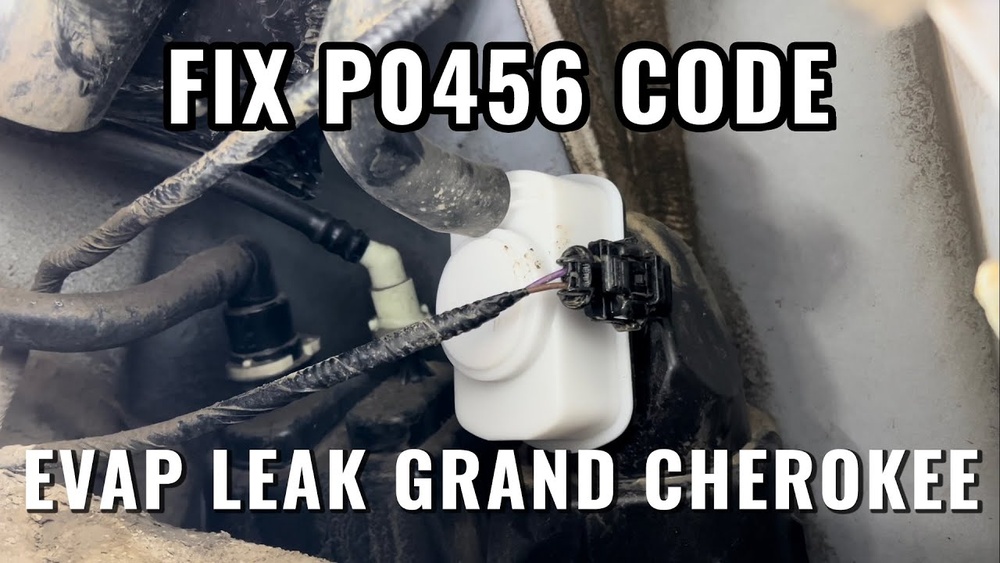
Evap System Basics
The EVAP system controls fuel vapors in your Jeep. It stops these vapors from escaping into the air. This system helps reduce pollution and keeps your Jeep running clean.
Fuel in your Jeep’s tank evaporates naturally. The EVAP system captures these vapors. It stores them in a charcoal canister until the engine can burn them safely.
Role Of Evap System In Jeep
The EVAP system prevents fuel vapors from leaking outside. It collects vapors from the gas tank and fuel lines. Then, it sends them to the engine to burn.
This process lowers harmful emissions and protects the environment. It also helps your Jeep meet strict pollution laws. Without it, fuel vapors would pollute the air and waste fuel.
What Triggers P0456 Code
The P0456 code means a small leak in the EVAP system. Your Jeep’s computer detects this leak during its checks. Common causes include a loose or damaged gas cap.
Other triggers can be cracked hoses or faulty valves. Even tiny leaks let vapors escape, causing the code to appear. Detecting and fixing these leaks keeps your Jeep running well.
Common Causes Of P0456
The P0456 code on a Jeep signals a small leak in the EVAP system. This system traps fuel vapors and stops them from escaping into the air. Several common issues cause this error. Identifying these helps in quick repairs and saves money.
Faulty Or Loose Gas Cap
The gas cap seals the fuel tank tightly. Over time, its rubber seal may dry out, crack, or get dirty. A loose or damaged gas cap lets vapors escape. This triggers the P0456 code. Checking and tightening the gas cap is an easy first step.
Cracked Or Loose Evap Hoses
EVAP hoses carry fuel vapors to the engine for burning. These rubber hoses can wear down due to heat and age. Cracks or loose connections cause leaks. Small leaks often cause the P0456 code. Inspecting and replacing worn hoses fixes this problem.
Malfunctioning Purge Valve Or Solenoid
The purge valve controls vapor flow from the fuel tank to the engine. If it sticks open or fails, vapors leak out. This fault triggers the P0456 code. Testing the valve and solenoid helps find the issue. Replacing faulty parts restores proper EVAP function.
Symptoms To Watch For
Identifying the symptoms of a DTC P0456 code in a Jeep helps catch problems early. This code signals a small leak in the EVAP system, which controls fuel vapors. Knowing the signs can prevent bigger issues and save money on repairs.
Check Engine Light Behavior
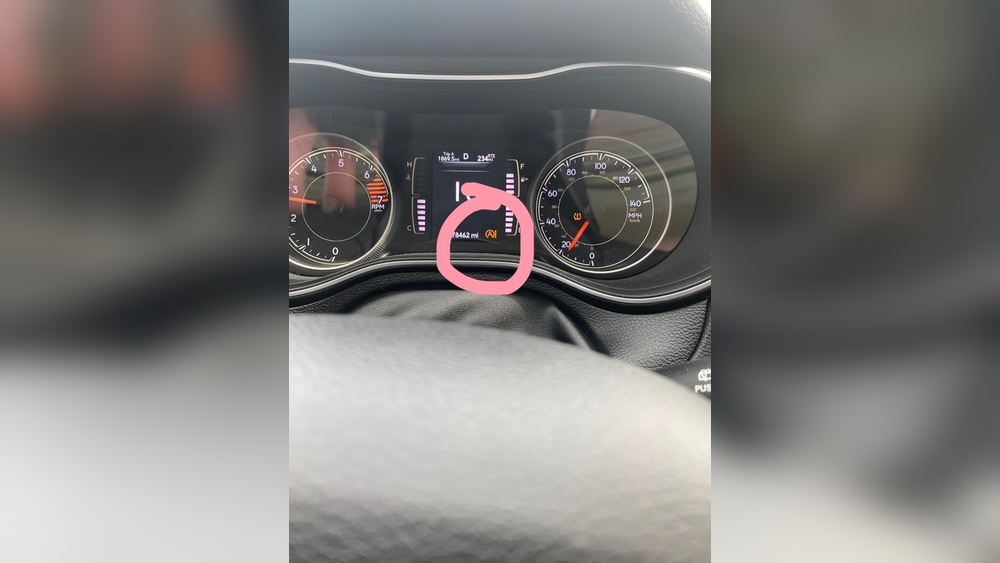
The check engine light often turns on with this code. It may blink or stay solid. A steady light means a minor issue but needs attention. Blinking signals a more serious problem requiring immediate action. The light might come on during startup or while driving.
Fuel Odor And Performance Issues
A noticeable smell of fuel around the Jeep can indicate an EVAP leak. This odor happens because fuel vapors escape the system. The vehicle might also show poor fuel efficiency. Sometimes, the engine may run rough or hesitate. These issues often point to a small leak in the fuel system.
Initial Inspection Steps
Starting the diagnosis of a DTC P0456 code on a Jeep requires careful initial inspection. This code signals a small leak in the EVAP system. The EVAP system stops fuel vapors from escaping into the air. Finding leaks early helps prevent bigger problems and saves money.
Begin with simple checks before using diagnostic tools. These first steps often reveal the cause quickly. The gas cap and EVAP hoses are common spots for leaks. Look closely at these parts for damage or wear. Let’s break down the initial inspection process.
Visual Check Of Gas Cap And Seal
Check the gas cap for any signs of damage. The rubber seal should be soft and intact. A cracked or dried-out seal can cause leaks. Make sure the cap tightens properly and clicks when turned. Dirt or debris on the seal can also stop a good seal. Clean the gas cap and the opening on the fuel tank. Replace the gas cap if you spot any cracks or deformities. A faulty gas cap is the most common cause of the P0456 code.
Inspecting Evap Hoses And Connections
Look under the hood and near the fuel tank for EVAP hoses. These rubber tubes carry fuel vapors to the engine. Check for cracks, holes, or loose connections. Even a small crack can trigger the P0456 code. Gently squeeze hoses to find soft or brittle spots. Make sure each hose fits tightly in its connection. Replace any damaged or worn hoses. Also, check the clamps and fittings that hold the hoses in place. A loose or broken connection can cause leaks too.
Testing For Evap Leaks
Testing for EVAP leaks is key to fixing the DTC P0456 code on a Jeep. This code means the EVAP system has a small leak. The EVAP system stops fuel vapors from escaping into the air. Even tiny leaks can trigger this code and lower your Jeep’s fuel efficiency.
Proper testing finds the exact leak spot. This helps avoid replacing parts without need. Two common testing methods are smoke testing and pressure testing. Both are effective and widely used by mechanics.
Smoke Testing Method
Smoke testing uses special smoke to find leaks in the EVAP system. The smoke enters the EVAP lines under light pressure. If there is a leak, smoke escapes and shows the leak location.
This method is fast and easy to see. It works well for small cracks or loose fittings. Smoke testing can find leaks in hoses, valves, or the gas cap area. It is safe for the Jeep and does not damage parts.
Pressure Testing Evap Lines
Pressure testing checks the EVAP system by adding air pressure. A tester connects to the EVAP lines and pumps in air. The system holds the pressure if no leaks exist.
If pressure drops quickly, it means air is escaping. This points to a leak in the lines or components. Pressure testing helps confirm the size and location of leaks. It works well with smoke testing for a full diagnosis.
Fixing The Gas Cap Problem
The P0456 code on a Jeep signals a small leak in the EVAP system. One common cause is a faulty gas cap. Fixing the gas cap problem often solves this code quickly and cheaply. This section covers simple steps to correct gas cap issues that trigger the P0456 code.
Replacing The Gas Cap
Start by checking the gas cap for damage or wear. Over time, the rubber seal can crack or dry out. A damaged gas cap won’t seal the tank properly. Replacing it with a new, OEM-approved gas cap is the best fix. This ensures a tight seal that prevents fuel vapors from escaping. After replacement, clear the code and monitor if it returns.
Ensuring Proper Seal And Fit
Even a new gas cap must fit correctly. Screw it on until you hear clicks, signaling it’s tight. A loose or cross-threaded cap can cause leaks. Check the gas filler neck for dirt or damage. Clean the area to help the cap seal better. Make sure the cap matches your Jeep model. Proper fit stops vapor leaks and prevents the P0456 code.
Repairing Or Replacing Evap Hoses
Repairing or replacing EVAP hoses is a common fix for the DTC P0456 Jeep code. These hoses carry fuel vapors from the tank to the engine. Over time, they can crack, become brittle, or disconnect. This causes leaks that trigger the P0456 code. Properly fixing or replacing them can restore your Jeep’s performance and stop the check engine light.
Knowing how to spot damaged hoses helps you avoid bigger problems. Replacing them carefully ensures the EVAP system works as it should. Follow simple steps to complete the job safely and effectively.
Identifying Damaged Hoses
Start by checking the hoses around the fuel tank and engine. Look for cracks, holes, or splits in the rubber. Feel for soft or brittle spots that may break when touched. Also, check if any hose has come loose from its connectors. Smelling fuel or vapor near the hoses can signal a leak. Use a flashlight to see hard-to-reach areas clearly. Replace any hose that shows signs of wear or damage.
Step-by-step Hose Replacement
First, park your Jeep on a flat surface and turn off the engine. Open the hood and locate the EVAP hoses needing replacement. Use pliers to gently remove hose clamps, then pull off the old hose. Compare the new hose to the old one to ensure it fits perfectly. Slide the new hose onto the connectors and secure it with clamps. Double-check all connections for tightness and proper fit. Finally, clear the error code using an OBD-II scanner and test drive your Jeep to confirm the fix.
Dealing With Purge Valve Issues
The purge valve controls fuel vapors from the gas tank. It sends these vapors to the engine to burn. A faulty purge valve can cause the DTC P0456 code on your Jeep.
This issue leads to small leaks in the EVAP system. The engine light might turn on. Fuel vapors may escape, harming performance and emissions.
Fixing purge valve problems helps your Jeep run smoothly. It also prevents costly repairs later.
Testing Purge Valve Function
Start by locating the purge valve under the hood. It is often near the engine or charcoal canister. Remove the valve carefully.
Check the valve for any cracks or damage. Use a multimeter to test electrical resistance. Compare readings to the Jeep’s manual specs.
Next, apply vacuum to the valve. It should open and close properly. If it sticks or stays open, the valve is faulty.
Listen for clicking sounds when the valve activates. No sound can mean a broken valve or wiring issue.
Replacing Faulty Valves
Turn off the engine and disconnect the battery before starting. Remove the old purge valve from its place. Detach the hoses connected to it.
Install the new valve in the same position. Attach all hoses securely to avoid leaks. Reconnect the electrical connector.
Double-check all connections before starting the Jeep. Clear the error code with an OBD-II scanner. Drive the vehicle to see if the code returns.
Replacing a bad purge valve fixes leaks and improves fuel efficiency. It also ensures your Jeep meets emissions standards.
Advanced Repairs For Evap Modules
Advanced repairs for EVAP modules in Jeep vehicles require precision and care. The EVAP system controls fuel vapor emissions and keeps your Jeep running clean. Faulty parts can trigger the DTC P0456 code, signaling a small leak in the EVAP system. Fixing these issues often means working with specialized components. Understanding the location and function of each part is key to a successful repair.
Locating The Esim Module
The ESIM module is a crucial part of the EVAP system. In Jeep models like the Wrangler JL, the ESIM sits behind the passenger rear wheel well. Finding it may require removing inner fender liners or panels. Proper access helps you inspect or replace the module safely. Accurate location reduces repair time and avoids damage to surrounding parts.
Replacing The Evap Canister Assembly
Replacing the EVAP canister assembly fixes leaks and restores system integrity. This component stores fuel vapors before sending them to the engine. Removal involves disconnecting sensors, hoses, and electrical connectors. Secure the new canister firmly to prevent further leaks. Testing the system after replacement ensures the repair was successful and clears error codes.
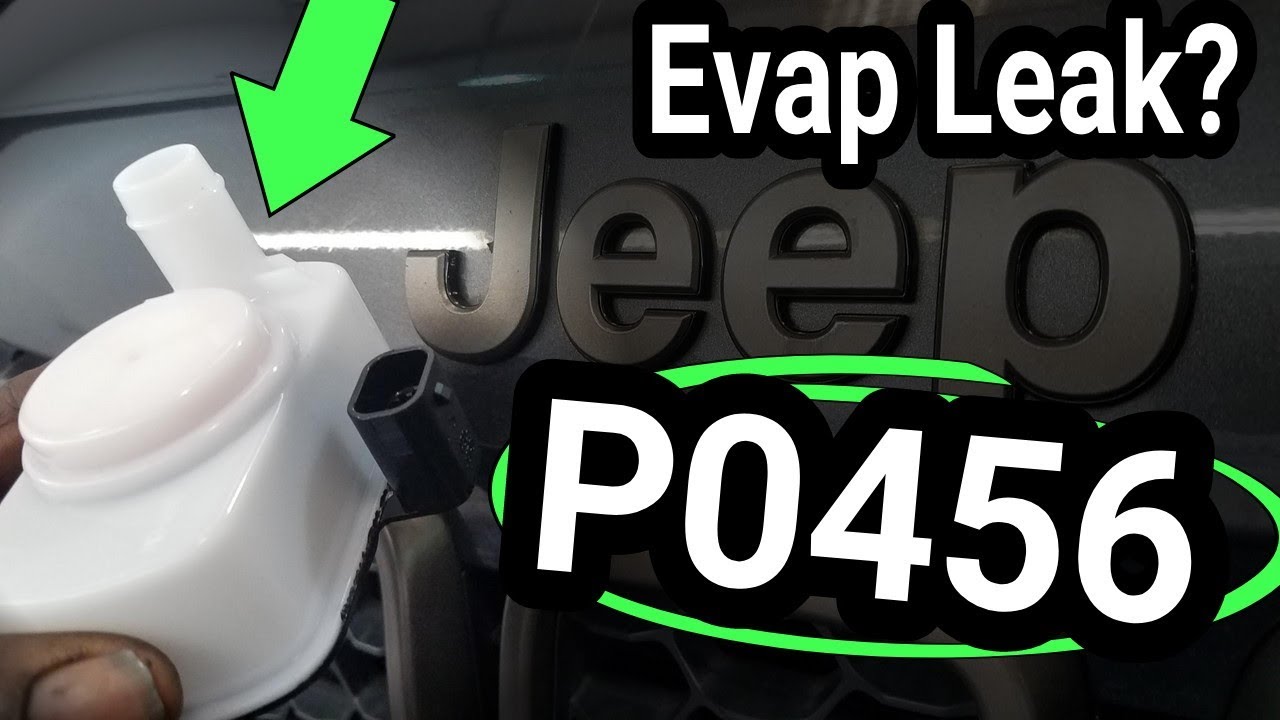
When To Seek Professional Help
The DTC P0456 code in a Jeep indicates a small leak in the EVAP system. Some fixes are simple, but others need expert hands. Knowing when to call a professional saves time and avoids extra damage.
Small tasks like tightening the gas cap can be done at home. Complex issues, especially those involving deep system parts, require a trained mechanic. This ensures the job is done right and safely.
Complex Repairs Beyond Diy
Some repairs need special tools and skills. For example, replacing the EVAP canister or purge valve is tricky. These parts are often hard to reach and require careful handling.
Modern vehicles use advanced sensors and modules. Diagnosing these parts accurately often needs a professional scanner. Mistakes can cause more problems and cost more money.
Cost Considerations And Estimates
Repair costs vary depending on the cause and parts needed. Professionals can give a clear estimate after inspection. This helps avoid surprises when the bill arrives.
DIY fixes may save money but risk incomplete repairs. Faulty repairs can lead to higher costs later. Professional repairs usually come with a warranty for peace of mind.
Preventing Future Evap Leaks
EVAP leaks cause trouble for your Jeep’s engine and environment. Small leaks often trigger the DTC P0456 code. Preventing these leaks saves money and keeps your Jeep running smoothly.
Focus on simple habits and regular care. These steps reduce the chance of future EVAP problems.
Regular Maintenance Tips
Check EVAP system parts during routine service. Inspect hoses for cracks or wear. Replace damaged or brittle hoses right away.
Keep the purge valve clean and functional. Dirt or debris can cause it to stick or fail. Test the valve if you notice rough idling or poor fuel economy.
Schedule fuel system inspections every 12,000 miles or as recommended. Early detection stops small leaks from becoming costly repairs.
Proper Fuel Cap Handling
Always tighten your fuel cap until you hear a click. A loose cap often causes EVAP leaks and triggers error codes.
Check the rubber seal on the fuel cap regularly. Replace the cap if the seal is cracked, dry, or damaged.
A damaged or missing fuel cap lets fuel vapors escape. This creates a small leak and triggers the DTC P0456 code.
Handle the fuel cap gently. Avoid dropping or forcing it. Careless handling can damage the seal and lead to leaks.
Frequently Asked Questions
How Do I Fix A P0456 Code On My Jeep?
Check and tighten the gas cap first. Inspect EVAP hoses for cracks or leaks. Replace faulty purge valves or the EVAP canister if needed. Clear the code and test drive. Seek professional help if the code returns.
Can I Drive My Jeep With A P0456 Code?
You can drive your Jeep with a P0456 code, but fix it soon. It signals a small EVAP leak, which may affect emissions and fuel efficiency.
What Is The Most Common Cause Of P0456?
The most common cause of P0456 is a faulty or loose gas cap. It often causes small EVAP system leaks.
Is It Expensive To Fix An Evap Leak?
Fixing an evap leak usually costs between $100 and $300, depending on leak size and part replacement. Small leaks cost less.
Conclusion
The DTC P0456 code signals a small leak in your Jeep’s EVAP system. Fixing it soon can prevent fuel vapors from escaping. Start by checking the gas cap and EVAP hoses for damage. Replacing faulty parts restores proper function and stops the code.
Regular inspections help keep your Jeep running clean and efficient. Stay alert to warning signs and address issues early. This keeps your vehicle safe and avoids costly repairs later.