The 99 Jeep Cherokee fuel filter is a critical component that often gets overlooked until a problem arises. This humble part plays a vital role in ensuring your engine receives clean gasoline, which is essential for optimal performance, fuel efficiency, and longevity.
For owners of the iconic Jeep Cherokee, understanding the fuel filter's function, its common issues, and how to maintain or replace it is key to keeping this rugged vehicle running smoothly on and off the road.
This article will guide you through everything you need to know about the 99 Jeep Cherokee fuel filter. We will explore its purpose, discuss signs of a failing filter, detail the replacement process, and offer tips for maintaining this important part.
Whether you’re a seasoned DIY mechanic or a new owner looking to understand your vehicle better, this guide aims to provide clear, actionable information.
The Crucial Role Of Your Jeep Cherokee’s Fuel Filter
The fuel filter in your 1999 Jeep Cherokee acts as a guardian for your engine’s fuel system. Its primary job is to trap contaminants like dirt, rust particles, and other debris that might be present in the fuel tank or introduced during refueling.
Gasoline, while seemingly clean, can pick up impurities. Without a filter, these contaminants would travel through the fuel lines and into the fuel injectors or carburetor, where they can cause significant damage.
Imagine trying to drink through a straw that’s full of sand. That’s essentially what your engine’s fuel system would face without a filter.
The tiny openings in fuel injectors or carburetor jets can easily become clogged by even small particles.
This blockage restricts fuel flow, leading to a host of performance issues. A clean fuel filter ensures that only pure gasoline reaches the combustion chamber, allowing your engine to operate as designed.
The 1999 Jeep Cherokee, depending on its engine configuration (either the 4. 0L inline-six or the 2.
5L four-cylinder), has a fuel filter designed to handle the specific demands of that powertrain. These filters are typically located along the fuel line, often in the engine bay or underneath the vehicle, making them accessible for maintenance.
Signs Of A Clogged Or Failing Fuel Filter
Your 1999 Jeep Cherokee will often give you warning signs when its fuel filter is starting to fail. Recognizing these symptoms early can prevent more serious and costly engine problems down the line.
The fuel filter doesn't fail suddenly; it usually becomes progressively more clogged, gradually impacting fuel delivery.
Here are the most common indicators that your fuel filter needs attention:
- Engine Misfires or Stumbling: When the filter is partially blocked, the engine doesn’t get enough fuel, especially under load. This can cause the engine to sputter, hesitate, or misfire. You might feel this as a slight jerk or loss of power when accelerating.
- Reduced Engine Power: A restricted fuel filter limits the amount of fuel that can reach the engine. This directly translates to a noticeable decrease in overall engine power. Your Jeep might feel sluggish, especially when climbing hills or trying to accelerate quickly.
- Difficulty Starting: In severe cases of blockage, the fuel pump may struggle to push enough fuel through the filter to start the engine. You might find yourself cranking the engine for longer than usual before it fires up, or it might start and then immediately stall.
- Rough Idling: When the engine is idling, it requires a consistent, albeit small, amount of fuel. A clogged filter can disrupt this steady flow, leading to an uneven or rough idle. The engine might shake more than usual or even stall when stopped.
- Poor Fuel Economy: When the fuel pump has to work harder to push fuel through a clogged filter, it consumes more energy. Additionally, if the engine is struggling to get enough fuel, it might compensate by using more, leading to a decrease in your miles per gallon.
- Check Engine Light: Modern vehicles, including your 1999 Jeep Cherokee, have sensors that monitor engine performance. If the fuel delivery system is compromised due to a clogged filter, it can trigger the Check Engine Light. The specific code stored might indicate a lean condition or fuel pressure issue.

Understanding Fuel Filter Replacement For Your 1999 Jeep Cherokee
Replacing the fuel filter on a 1999 Jeep Cherokee is a task that many DIY enthusiasts can tackle. However, it involves working with gasoline, which is flammable, so safety precautions are paramount. Always work in a well-ventilated area, away from open flames or sparks. Wear safety glasses and gloves.
The exact location of the fuel filter can vary slightly depending on whether your Cherokee has the 4. 0L or 2.
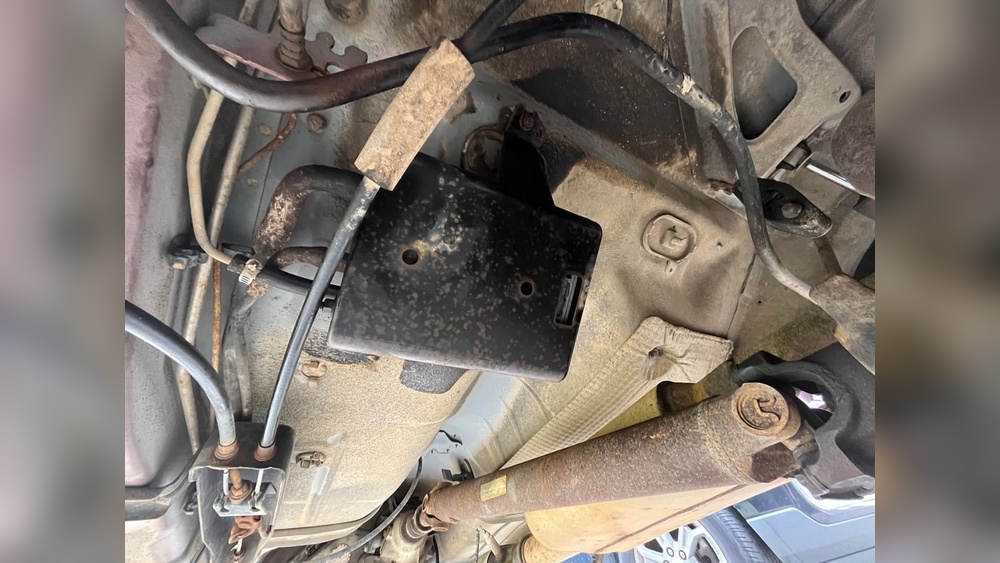
5L engine, but it is typically found along the driver's side frame rail, near the fuel tank, or sometimes in the engine bay.
Here’s a general overview of the replacement process:
- Relieve Fuel System Pressure: Before disconnecting any fuel lines, it’s crucial to release the pressure in the system. This can often be done by locating the fuel pump relay or fuse, removing it, and then starting the engine. Let the engine run until it stalls from lack of fuel. This reduces the risk of fuel spraying out when you disconnect the lines.
- Locate the Fuel Filter: Identify the fuel filter. It’s usually a cylindrical metal or plastic component with fuel lines connected to both ends.
- Disconnect Fuel Lines: Carefully disconnect the fuel lines from the filter. These lines are typically secured with clips or clamps. Be prepared for a small amount of residual fuel to drip out, so have a rag or container ready. Some systems use special fuel line disconnect tools.
- Remove the Old Filter: The filter is usually held in place by a bracket or clamp. Loosen any fasteners and remove the old filter. Note the direction of flow indicated by an arrow on the filter if present; the new one must be installed in the same orientation.
- Install the New Filter: Place the new fuel filter into the bracket, ensuring it’s oriented correctly. Reconnect the fuel lines, making sure they click or clamp securely into place.
- Restore Fuel Pump Operation: Reinstall the fuel pump relay or fuse.
- Check for Leaks: Turn the ignition key to the “ON” position (without starting the engine) to allow the fuel pump to prime the system. Carefully inspect all connections for any signs of fuel leaks. If leaks are found, tighten the connections or re-seat the lines.
- Start the Engine: Once you’re confident there are no leaks, start the engine and let it run for a few minutes. Check again for leaks.
Pro Tip: It’s a good idea to replace your fuel filter at least once every 30,000 miles or if you notice any of the symptoms mentioned earlier. This preventative maintenance can save you from more significant repairs.
Types Of Fuel Filters For The 1999 Jeep Cherokee
Your 1999 Jeep Cherokee likely came equipped with a specific type of fuel filter, but understanding the options available can be beneficial. The primary distinction is often between inline filters and in-tank filters.
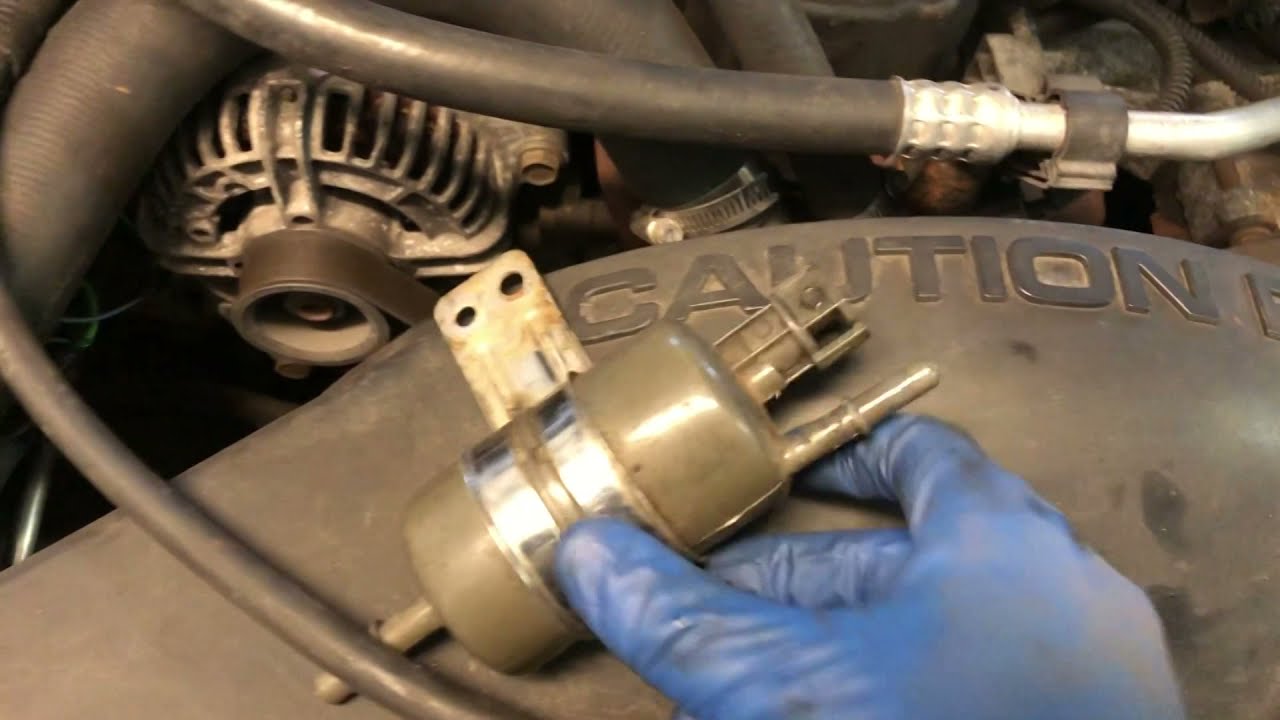
- Inline Fuel Filters: These are the most common type found on many vehicles, including older Jeep Cherokees. As the name suggests, they are installed directly in the fuel line, typically between the fuel tank and the engine. They are usually cylindrical and made of metal or plastic. These are generally the easiest for DIY replacement.
- In-Tank Fuel Filters (or Strainers): Some vehicles have a fuel filter or strainer located inside the fuel tank, often as part of the fuel pump assembly. These are designed to filter fuel as it’s drawn from the tank. While they serve the same purpose, replacing an in-tank filter is a more involved job, often requiring the removal of the fuel pump module.
For a 1999 Jeep Cherokee, the most likely scenario is an inline fuel filter. When purchasing a replacement, ensure you get the correct part number for your specific engine (4.0L or 2.5L) and model year. Auto parts stores can help you find the exact match.
Factors Affecting Fuel Filter Lifespan
Several factors can influence how long your 1999 Jeep Cherokee’s fuel filter will last. While a general mileage recommendation exists, real-world conditions can shorten or extend its service life.
- Fuel Quality: The quality of the gasoline you use plays a significant role. Refueling at reputable stations that maintain clean tanks can reduce the amount of contaminants entering your fuel system. Poor quality fuel, or fuel from stations with questionable storage practices, can introduce more debris, leading to premature filter clogging.
- Driving Conditions: Frequent driving on dusty, unpaved roads can increase the amount of dirt and grit that might find its way into your fuel tank. While the fuel cap should seal well, extreme conditions can sometimes lead to more contamination. Short trips where the engine doesn’t reach optimal operating temperature can also contribute to condensation buildup in the fuel tank, potentially leading to rust.
- Age of the Vehicle and Fuel Tank: Older vehicles may have fuel tanks that have developed internal rust or sediment buildup over years of use. This debris can be dislodged and quickly clog a new fuel filter. If you suspect significant tank contamination, a thorough cleaning or even tank replacement might be necessary.
- Maintenance History: If previous fuel filters were replaced on schedule, the fuel system is likely to be in better condition. However, if the filter has been neglected for extended periods, the system might already have accumulated debris, which can stress subsequent filters.
When your 1999 Jeep Cherokee exhibits fuel-related problems, the fuel filter is often one of the first components to suspect. However, it’s important to differentiate between filter issues and other potential problems.
- Low Fuel Pressure: If you’re experiencing power loss or stalling and suspect a fuel delivery issue, checking the fuel pressure is a good diagnostic step. A clogged filter will result in low fuel pressure at the engine. You’ll need a fuel pressure gauge for this. If the pressure is low, the filter is a prime suspect.
- Fuel Pump Failure: The fuel pump is responsible for pushing fuel from the tank to the engine. If the fuel pump is failing, you might experience similar symptoms to a clogged filter, such as sputtering or difficulty starting. However, a failing pump might also cause intermittent power loss or no fuel pressure at all. Often, a clogged filter puts extra strain on the fuel pump, potentially leading to its premature failure.
- Clogged Fuel Injectors: If the fuel filter is old or has allowed some debris to pass through, the fuel injectors can become clogged. This leads to poor fuel atomization, rough idling, and reduced power. Replacing the fuel filter is a good preventative measure against injector clogging.
In my experience, when diagnosing a customer’s Cherokee with vague performance issues, I always start by checking the fuel filter and fuel pressure. It’s a relatively inexpensive part that can cause a cascade of problems if neglected.
The 99 Jeep Cherokee Fuel Filter: A Component-by-component Breakdown
While the fuel filter itself is a single unit, understanding its construction and the associated parts involved in its function can be helpful.
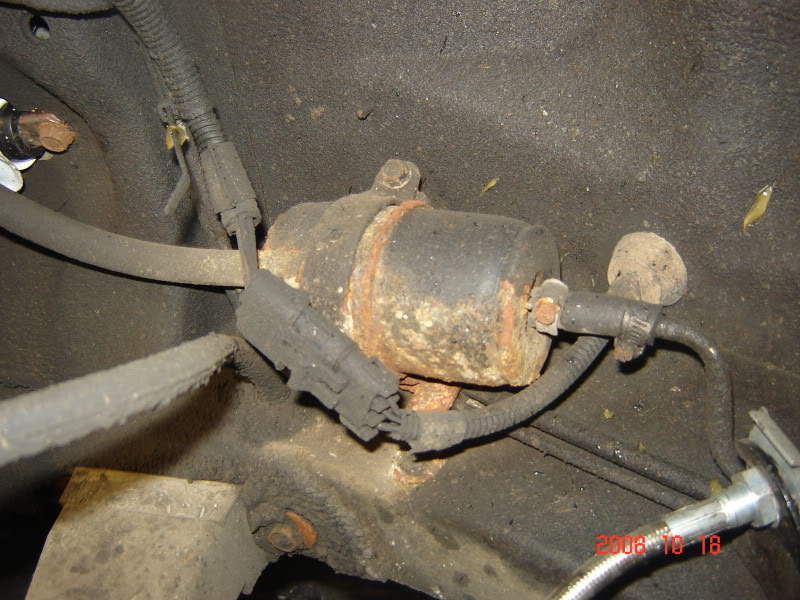
- Filter Housing: This is the main body of the filter, typically made of metal or durable plastic. It contains the filtering media.
- Filtering Media: Inside the housing is a pleated paper or synthetic material designed to trap contaminants while allowing fuel to pass through.
- Inlet and Outlet Ports: These are the connections where the fuel lines attach. For the 1999 Cherokee, these are usually quick-connect fittings or hose barb fittings requiring clamps.
- Fuel Lines: These carry fuel from the tank to the engine and back (for return-style systems). They are typically made of rubber or metal and connect to the filter.
- Clamps or Clips: These secure the fuel lines to the filter ports, ensuring a leak-free seal.
- Mounting Bracket/Clamp: This holds the fuel filter securely in place along the vehicle’s chassis or firewall.
Maintaining Your 1999 Jeep Cherokee Fuel System
Proper maintenance extends beyond just replacing the fuel filter. Keeping the entire fuel system in good condition ensures the filter can do its job effectively and prolongs the life of other components.
- Use Quality Fuel: As mentioned, always try to buy gasoline from reputable stations.
- Keep the Fuel Tank Reasonably Full: Avoid running the fuel tank consistently on empty. This can cause the fuel pump to overheat, as it relies on the fuel for cooling. It also increases the chance of sediment from the bottom of the tank being drawn into the fuel system.
- Address Fuel Leaks Promptly: Any fuel leak is a fire hazard and should be repaired immediately. Leaks can also allow dirt and water to enter the fuel system.
- Consider Fuel System Cleaners: Periodically using a quality fuel system cleaner additive can help keep injectors clean and prevent some types of buildup. Follow the product instructions carefully.
- Inspect Fuel Lines: When performing other maintenance, visually inspect the fuel lines for any signs of cracking, swelling, or damage. Replace any suspect lines.
Beyond The Filter: Other Fuel System Components
While the fuel filter is a key player, it’s part of a larger system. Understanding these other components helps appreciate the filter’s role.
- Fuel Tank: Stores the gasoline.
- Fuel Pump: Draws fuel from the tank and sends it under pressure to the engine.
- Fuel Pressure Regulator: Maintains the correct fuel pressure in the system.
- Fuel Injectors (or Carburetor on older models): Deliver fuel into the engine cylinders.
- Fuel Lines: Transport fuel throughout the system.
- Fuel Sending Unit: Measures the fuel level in the tank.
Frequently Asked Questions About The 1999 Jeep Cherokee Fuel Filter
Here are answers to some common questions about the 1999 Jeep Cherokee fuel filter.
What Is The Recommended Replacement Interval For A 1999 Jeep Cherokee Fuel Filter?
While manufacturers often suggest replacement intervals, it’s generally recommended to replace the fuel filter on a 1999 Jeep Cherokee every 30,000 miles as a preventative measure. However, you should replace it sooner if you experience any symptoms of a clogged filter, such as poor performance, difficulty starting, or rough idling.
Can I Use A Universal Fuel Filter On My 1999 Jeep Cherokee?
It’s best to use a fuel filter specifically designed for your 1999 Jeep Cherokee, matching the engine size (4. 0L or 2.
5L). While universal filters exist, they may not have the correct flow rate, micron rating, or fitting types, potentially leading to performance issues or leaks.
Always consult an auto parts store or your owner’s manual for the correct part number.