If you drive a 2014 Jeep Grand Cherokee, you know how important it is to keep your tires in top shape. Your TPMS sensors play a key role in this by constantly monitoring your tire pressure and alerting you when levels are off.
But what happens when these sensors fail or need replacement? Understanding your 2014 Jeep Grand Cherokee TPMS sensors can save you from unexpected tire problems and costly repairs. You’ll learn everything you need to know—from how these sensors work, where to find reliable replacements, to how to reset or relearn them after installation.
Keep reading to make sure your Jeep stays safe and your ride stays smooth.

Tpms Basics
The Tire Pressure Monitoring System (TPMS) is a vital feature in the 2014 Jeep Grand Cherokee. It keeps track of your tire pressure to help maintain safety and performance. Understanding TPMS basics helps you know how it works and why it matters.
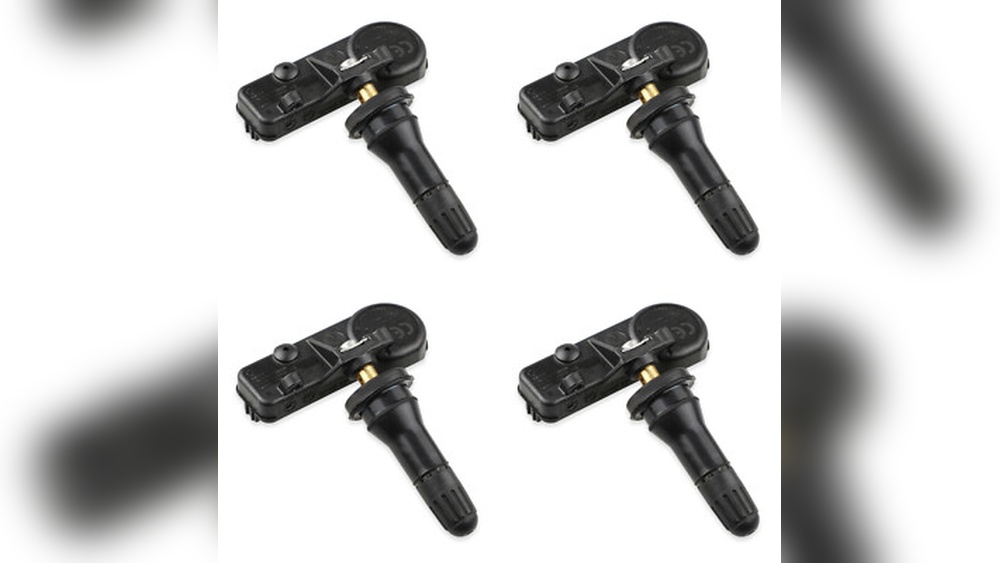
TPMS sensors are small devices located inside the tires. They send pressure data to the vehicle’s computer. This system alerts you if tire pressure drops below safe levels.
How Tpms Works
Each tire has a TPMS sensor that measures air pressure constantly. The sensor sends this data wirelessly to the Jeep’s onboard computer. If pressure falls too low or rises too high, the system triggers a warning light on the dashboard. This helps you avoid unsafe driving conditions caused by improper tire pressure.
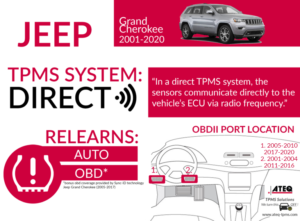
The sensors use radio frequency signals to communicate with the vehicle. They run on small batteries that last several years. Proper maintenance ensures accurate readings and timely alerts.
Importance Of Tpms In Jeep Grand Cherokee
TPMS plays a key role in your Jeep’s safety and efficiency. Correct tire pressure improves handling and braking performance. It also reduces tire wear, saving money on replacements.
Maintaining proper tire pressure improves fuel economy. This means fewer trips to the gas station and lower emissions. The TPMS system warns you early to prevent flat tires and blowouts.
For Jeep Grand Cherokee drivers, TPMS ensures a safer, smoother ride. It helps protect passengers and extends tire life by alerting you to pressure issues quickly.
Identifying Tpms Issues
The 2014 Jeep Grand Cherokee uses Tire Pressure Monitoring System (TPMS) sensors to keep track of tire pressure. These sensors help maintain safe driving conditions by alerting drivers to low tire pressure. Identifying issues with TPMS sensors early can prevent tire damage and improve vehicle safety.
Knowing the signs of TPMS problems and how to diagnose them is essential for Jeep owners. Understanding these points helps keep the sensors working properly and ensures a smooth ride.
Common Tpms Warning Signs
The most obvious sign of a TPMS problem is the warning light on the dashboard. This light turns on when tire pressure drops below the recommended level. Sometimes, the light may blink or stay on even if tires seem fine.
Other signs include uneven tire wear or tires feeling soft while driving. You might also notice poor fuel efficiency or a rougher ride. These symptoms often indicate that a TPMS sensor is failing or has lost connection.
Diagnosing Sensor Problems
To diagnose TPMS sensor issues, start by checking each tire’s pressure with a gauge. Compare the readings with the recommended pressure in the owner’s manual. If a tire is low, inflate it and see if the warning light turns off.
If the light stays on, the sensor battery might be dead or the sensor may be damaged. A mechanic can use a special TPMS tool to scan and identify faulty sensors. Sometimes, sensors need to be reprogrammed or replaced to fix the issue.
Replacing Tpms Sensors
Replacing TPMS sensors on a 2014 Jeep Grand Cherokee is a straightforward way to keep your vehicle safe. Sensors may fail due to battery life, damage, or age. When a sensor stops working, it cannot send tire pressure data to the dashboard. This can cause the tire pressure warning light to stay on. Replacing the sensors ensures accurate readings and safer driving.
Choosing the right sensors and knowing where to buy them saves time and money. Understanding sensor costs and brands helps you pick quality parts. Below are key details about replacing TPMS sensors on your Jeep.
Compatible Sensor Types
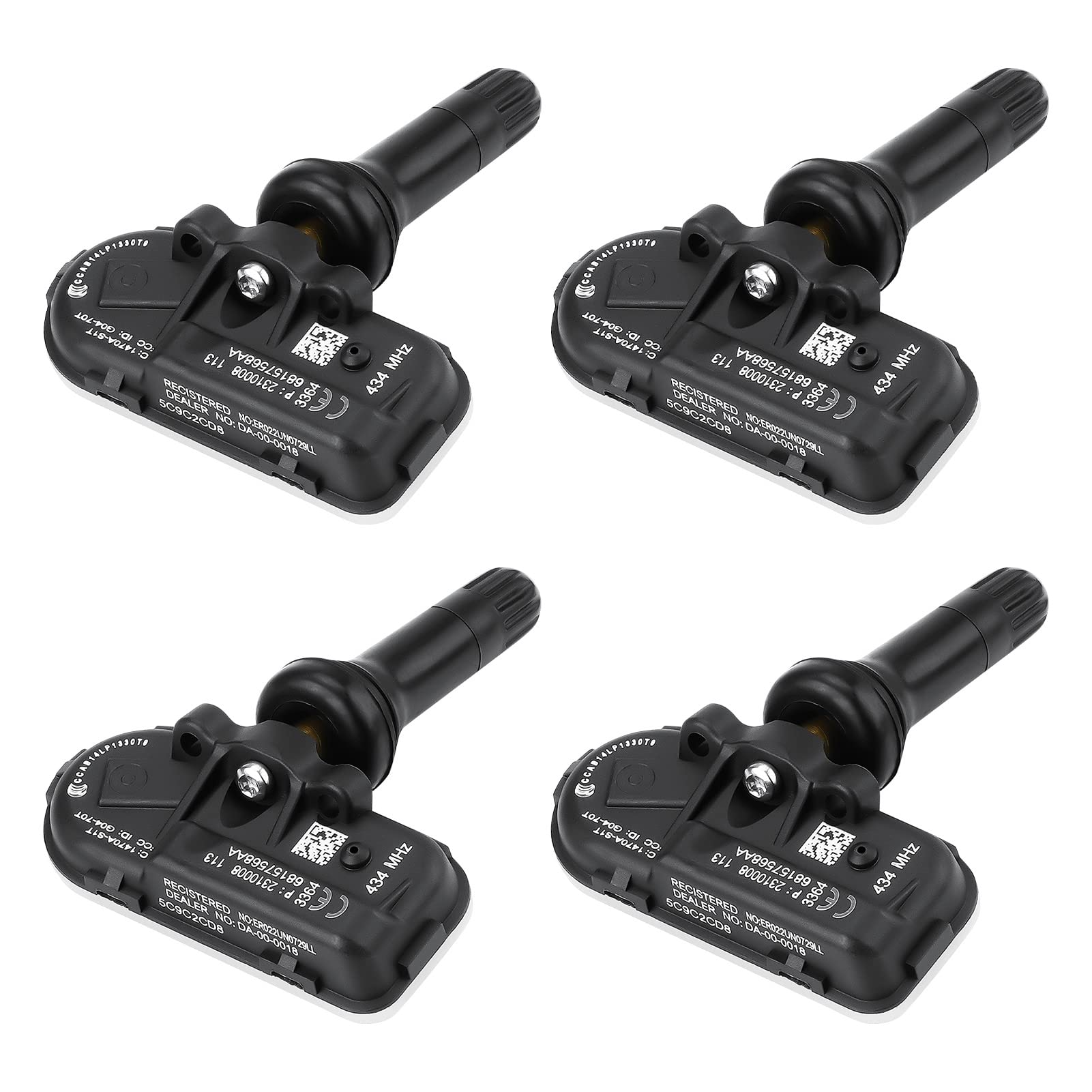
Your 2014 Jeep Grand Cherokee uses 433 MHz frequency sensors. Common types include snap-in and clamp-in sensors. Snap-in sensors fit inside the tire valve, while clamp-in sensors attach to the valve stem. The original equipment manufacturer (OEM) sensors offer the best compatibility. Some aftermarket sensors work well but may need programming. Always check compatibility before buying to avoid installation issues.
Where To Buy Sensors
TPMS sensors are available at many auto parts stores and online retailers. Advance Auto Parts and AutoZone stock sensors compatible with Jeep models. Websites like eBay and Walmart offer competitive prices and fast shipping. Mopar parts are available at official Chrysler dealers or their online store. Buying from trusted sellers ensures genuine parts and warranty support.
Sensor Costs And Brands
Sensor prices vary from $25 to $60 each, depending on brand and type. Popular brands include Schrader, VDO, BH Sensor, and Mopar. Schrader sensors are reliable and often used by professionals. Mopar sensors are OEM parts designed specifically for Jeep vehicles. Avoid very cheap sensors as they may not last or work properly. Budget for replacement costs and consider professional installation if needed.
Sensor Installation Steps
Replacing the TPMS sensors on a 2014 Jeep Grand Cherokee requires a few clear steps. Proper installation keeps your tire pressure monitoring system working correctly. Follow these steps to remove the old sensors and install the new ones safely.
Tools Needed For Replacement
- Tire iron or lug wrench to remove wheels
- Valve core tool for sensor removal
- Torque wrench for tightening bolts
- TPMS programming tool to sync new sensors
- Tire changer or professional service for sensor access
- Safety gloves and eye protection
Removing Old Sensors
Start by loosening the lug nuts on the wheel. Remove the wheel to access the sensor inside the tire. Use a valve core tool to release air from the tire. Carefully break the tire bead to reach the sensor. Unscrew the sensor from the valve stem. Remove the sensor gently to avoid damage to the valve stem. Keep all parts for reference during installation.
Installing New Sensors
Insert the new sensor into the valve stem hole. Tighten the sensor nut to the recommended torque. Ensure the sensor is aligned and secure. Re-seat the tire bead onto the rim carefully. Inflate the tire to the correct pressure. Use the TPMS tool to program the new sensor to your vehicle. Reinstall the wheel and tighten lug nuts properly. Check the TPMS system for proper operation before driving.
Programming And Relearning Tpms
The 2014 Jeep Grand Cherokee uses Tire Pressure Monitoring System (TPMS) sensors to keep track of tire pressure. These sensors need programming and relearning after replacement or tire rotation. Programming and relearning help the vehicle recognize each sensor’s unique ID. This ensures accurate pressure readings and alerts.
There are several ways to program and relearn TPMS sensors. Some methods need special tools. Others can be done manually or with simple steps. Understanding these methods helps maintain your Jeep’s safety and performance.
Manual Relearn Procedures
Manual relearn resets the TPMS system without extra tools. Start by turning the ignition on without starting the engine. Press the TPMS reset button until the tire pressure light blinks three times. Drive the vehicle at 25 mph or higher for about 10 minutes. The sensors will send signals to the vehicle. This process teaches the system the sensor locations.
Using Tpms Programming Tools
Special TPMS programming tools make sensor relearn easier. These tools read sensor IDs and program the vehicle quickly. Connect the tool to the Jeep’s OBD-II port. Follow the tool’s instructions to scan and program each sensor. This method is faster and more accurate than manual relearn. It works best after replacing sensors or tires.
Relearn Without Special Tools
Relearning without tools is possible but takes more time. Inflate all tires to the correct pressure. Turn the ignition on and off three times. This triggers the system to search for sensors. Drive the Jeep for 10 to 20 minutes at highway speeds. The system learns the sensors during the drive. This method suits simple resets and tire rotations.
Troubleshooting Tpms
Troubleshooting the TPMS (Tire Pressure Monitoring System) in your 2014 Jeep Grand Cherokee is vital for safety. It alerts you about tire pressure issues early. Knowing how to fix common problems can save time and hassle. This section guides you through simple steps to diagnose and solve TPMS sensor issues.
Resetting The System
Resetting the TPMS can clear error messages. Start by turning the ignition on without starting the engine. Press the TPMS reset button until the indicator light blinks three times. Drive the vehicle at 20 mph for about 10 minutes. This helps the system recalibrate and detect correct tire pressures.
Common Errors And Fixes
Low battery in sensors causes many TPMS errors. Replacing the sensor battery often solves the problem. Incorrect tire pressure readings occur if tires are not inflated properly. Check and adjust tire pressure to the recommended levels. Damaged sensors can stop sending signals. Inspect sensors for damage or corrosion and replace if needed.
When To Seek Professional Help
If the TPMS warning light stays on after reset, seek expert help. Complex sensor failures require specialized tools for diagnosis. Professionals can reprogram sensors or replace faulty units. Avoid driving with persistent TPMS warnings to ensure safety on the road.
Maintenance Tips
Proper maintenance of your 2014 Jeep Grand Cherokee TPMS sensors ensures safety and accurate tire pressure readings. Taking care of these sensors helps avoid costly repairs and unexpected tire issues. Follow simple tips to keep your TPMS sensors working well for a long time.
Extending Sensor Life
Keep your TPMS sensors clean and free from dirt. Avoid harsh chemicals during tire cleaning. Replace the sensor battery when it runs low. Handle tires carefully during changes to prevent sensor damage. Use compatible tires and rims to ensure sensor fit and function.
Regular Tire Pressure Checks
Check tire pressure weekly to help sensors work correctly. Use a reliable tire gauge for accuracy. Inflate tires to the recommended pressure listed in your owner’s manual. Proper tire pressure reduces sensor strain and improves fuel efficiency. Monitor the TPMS warning light and address issues promptly.
Seasonal Considerations
Temperature changes affect tire pressure and sensor readings. Check tires more often during cold or hot seasons. Adjust tire pressure as needed to match weather conditions. Winter road salt can corrode sensors; clean wheels regularly. Store your Jeep in a dry place to protect sensors from moisture damage.
Frequently Asked Questions
The 2014 Jeep Grand Cherokee does not have a TPMS reset button. It resets automatically after driving.
Do Jeep Tpms Sensors Need To Be Programmed?
Jeep TPMS sensors usually require programming or relearning after installation. This ensures proper communication with the vehicle’s system. Some sensors come pre-programmed, but most need activation using a TPMS tool or vehicle-specific procedure to function correctly.
How Much Does It Cost To Replace A Tpms Sensor On A Jeep Grand Cherokee?
Replacing a TPMS sensor on a Jeep Grand Cherokee typically costs between $25 and $60 per sensor. Prices vary by retailer and sensor type. Labor charges may add to the total if installed by a professional. Buying from stores like AutoZone or Advance Auto Parts offers affordable options.
Can You Relearn Tpms Without A Tool?
Relearning TPMS without a tool is usually not possible. Most systems require a TPMS scan tool for accurate sensor registration and reset.
Conclusion
Maintaining proper tire pressure keeps your 2014 Jeep Grand Cherokee safe. TPMS sensors help monitor pressure and alert you quickly. Replacing faulty sensors is simple and affordable. Choose quality parts from trusted stores like AutoZone or Advance Auto Parts. Always reset the system after installing new sensors.
Proper care extends sensor life and improves driving safety. Stay alert to warning signs and check sensors regularly. Safe driving starts with healthy tires and reliable TPMS sensors.