If you own a Jeep and have come across the P0306 code, you’re probably wondering what it means and how it affects your ride. This trouble code points to a misfire in cylinder six, which can cause your engine to shake, hesitate, or lose power when you accelerate.
Ignoring it can lead to bigger problems down the road, but don’t worry—you’re in the right place to learn exactly how to spot the symptoms, diagnose the issue, and fix it quickly. Keep reading to get your Jeep running smoothly again and avoid costly repairs.

Symptoms Of P0306 Code
The P0306 code signals a misfire in cylinder six of your Jeep’s engine. Recognizing the symptoms early helps prevent further damage. These symptoms affect engine performance and driving comfort. Knowing what to watch for can save time and money on repairs.
Rough Idle And Engine Shaking
Your Jeep may idle roughly when cylinder six misfires. The engine can shake noticeably, even at low speeds. This happens because the fuel and air mixture in that cylinder is not burning properly. The uneven power causes vibrations you can feel inside the vehicle.
Acceleration Hesitation
Acceleration may feel weak or delayed with a P0306 code. The Jeep might struggle to gain speed smoothly. This happens because the misfire reduces overall engine power output. The hesitation can make driving frustrating and less safe in traffic.
Check Engine Light Alerts
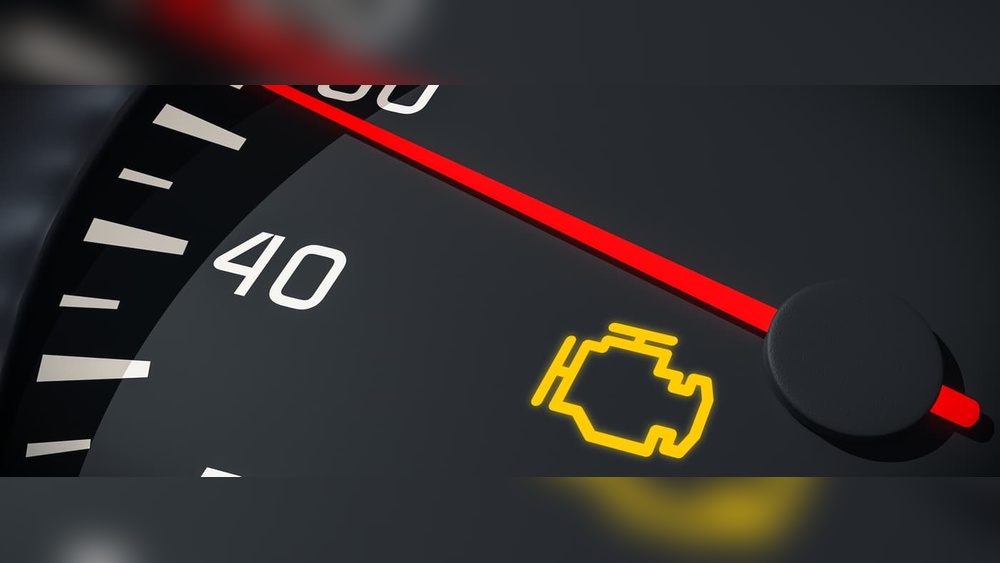
The Check Engine Light will turn on when the system detects a misfire. It may blink or stay solid, depending on the severity. This warning tells you there is a problem needing attention. Ignoring it can lead to bigger engine issues over time.
Common Causes Of Cylinder Six Misfire
The P0306 error code signals a misfire in cylinder six of your Jeep’s engine. Misfires can cause rough idling, poor fuel economy, and engine hesitation. Identifying the common causes helps fix the issue fast and prevents engine damage.
Faulty Spark Plug
Spark plugs ignite the air-fuel mix in the cylinder. A worn or damaged spark plug can fail to create a strong spark. This weak spark causes the cylinder to misfire. Dirt, carbon buildup, or cracks in the plug reduce its efficiency. Replacing faulty spark plugs often solves the misfire problem.
Defective Ignition Coil
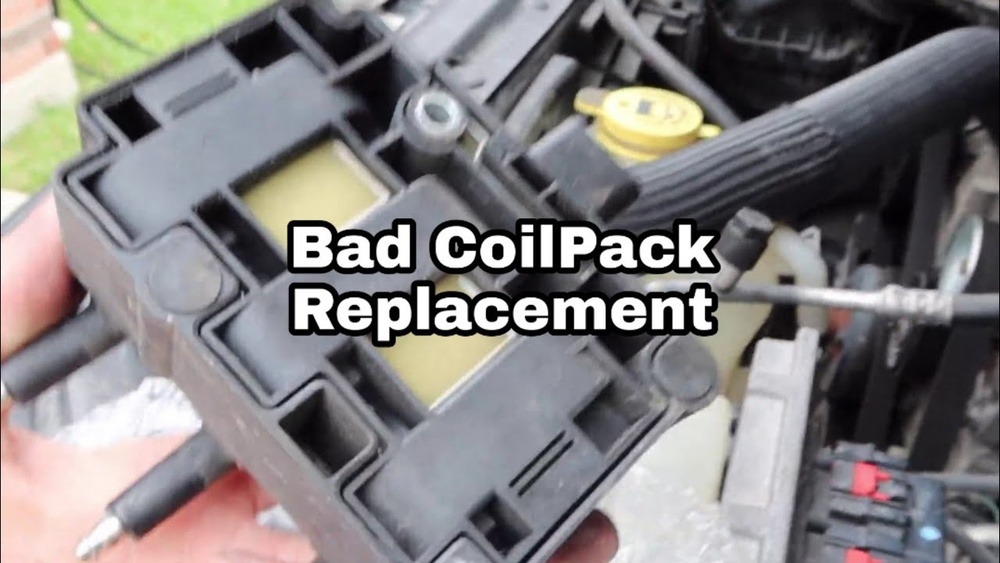
The ignition coil powers the spark plug by converting voltage. A bad coil may not supply enough power. This leads to weak or no spark in cylinder six. Ignition coils wear out over time or get damaged by heat. Swapping the faulty coil with a new one usually restores proper firing.
Fuel Delivery Issues
Cylinder six needs the right fuel amount to run smoothly. Clogged fuel injectors or a failing fuel pump can disrupt fuel delivery. This causes the cylinder to run lean or rich, triggering misfires. Cleaning or replacing fuel injectors helps maintain proper fuel flow and engine performance.
Vacuum Leaks
Vacuum leaks allow extra air to enter the engine. This unmetered air disrupts the air-fuel balance in cylinder six. Leaks often come from cracked hoses or faulty gaskets. They cause rough idling and misfires. Fixing or replacing the leaking parts stops the misfire and improves engine smoothness.
Diagnosing The Misfire
Diagnosing a P0306 misfire in a Jeep requires careful inspection of the engine components. A misfire means cylinder six is not firing correctly. It causes rough idling, engine shaking, and poor performance. Pinpointing the cause helps fix the problem quickly.
Using An Obd-ii Scanner
Start by connecting an OBD-II scanner to your Jeep’s port. It reads the engine codes stored in the computer. The scanner confirms the P0306 code and may show related issues. Clear the codes after reading to see if they return. This step saves time by focusing on the right cylinder.
Performing A Cylinder Balance Test
A cylinder balance test checks each cylinder’s power output. You disable one cylinder at a time while the engine runs. A drop in engine speed shows that cylinder works well. If disabling cylinder six does not affect the engine, that cylinder has a problem. This test points to mechanical issues inside the cylinder.
Inspecting Spark Plugs And Coils
Remove the spark plug from cylinder six and check its condition. Look for wear, fouling, or damage. Replace any old or dirty spark plugs. Test the ignition coil by swapping it with one from another cylinder. If the misfire moves to the other cylinder, the coil is faulty. Spark plugs and coils are common causes of misfires.
Checking Fuel Injectors
Fuel injectors deliver fuel to each cylinder. A clogged or malfunctioning injector can cause a misfire. Listen for injector clicking using a mechanic’s stethoscope. Swap injectors between cylinders to see if the problem follows. Clean or replace a faulty injector to restore proper fuel flow. Proper fuel delivery is essential for smooth engine running.
Quick Fixes To Stop The Misfire
Experiencing a P0306 code means your Jeep’s sixth cylinder is misfiring. Fixing it fast helps avoid engine damage and restores smooth driving. Some quick fixes can stop the misfire without complicated repairs. These solutions focus on common causes that are easy to check and replace.
Replacing The Spark Plug
A worn or damaged spark plug often causes misfires. Removing the old plug and installing a new one can restore proper ignition. Use the correct spark plug type for your Jeep model. Check the gap before installation to ensure a good spark. This simple step often solves the P0306 code quickly.
Swapping The Ignition Coil
The ignition coil sends power to the spark plug. A bad coil can cause weak or no spark, leading to misfires. Swapping the coil with a new or known good one helps identify the problem. Replace the faulty ignition coil to fix the misfire. This repair usually improves engine performance immediately.
Cleaning Or Replacing Fuel Injectors
Fuel injectors deliver fuel to the engine cylinders. Dirt or clogs can reduce fuel flow and cause misfires. Cleaning the injectors with a fuel system cleaner can clear blockages. In severe cases, replace the injector to restore proper fuel delivery. This fix helps the engine run smoothly again.
Repairing Vacuum Leaks
Vacuum leaks cause air to enter the engine improperly, disturbing the fuel-air mix. This imbalance can trigger cylinder misfires. Inspect hoses and gaskets for cracks or loose connections. Repair or replace damaged parts to seal the system. Fixing vacuum leaks improves engine idle and power.
Preventive Maintenance Tips
Keeping your Jeep running smoothly requires regular care. Preventive maintenance helps avoid issues like the P0306 error code. This code signals a misfire in cylinder six and can affect engine performance. Simple checks and cleaning routines can reduce this risk. Follow these tips to maintain your Jeep’s health and enjoy a reliable ride.
Regular Spark Plug Inspection
Check your spark plugs often. Worn or dirty plugs cause misfires and poor fuel economy. Remove and inspect plugs for damage or buildup. Replace them as needed to keep the engine firing correctly. Clean plugs improve combustion and reduce the chance of code P0306.
Routine Ignition System Checks
Inspect ignition coils and wires regularly. Faulty coils or loose connections can lead to cylinder misfires. Test coil resistance and replace any that show signs of wear. Secure wires to avoid sparks or shorts. Proper ignition system function prevents errors and engine roughness.
Fuel System Cleaning
Clean your fuel injectors and intake valves routinely. Dirt and deposits block fuel flow and disrupt combustion. Use fuel system cleaners or have a professional service done. A clean fuel system ensures smooth power delivery and reduces misfire chances, keeping code P0306 at bay.
Monitoring Engine Performance
Pay attention to engine behavior daily. Rough idle, shaking, or power loss may signal a problem. Use an OBD-II scanner to check for error codes. Early detection helps fix issues before they worsen. Regular monitoring keeps your Jeep running at its best.
When To Seek Professional Help
Knowing when to seek professional help for a P0306 Jeep code can save time and prevent further damage. Some issues require expert attention beyond basic troubleshooting. Understanding the signs can guide you to the right action quickly. Here are key situations when a mechanic’s help is essential.
Persistent Misfire After Fixes
A misfire that continues after replacing spark plugs or ignition coils needs expert diagnosis. Professionals have tools to find hidden problems causing the issue. Persistent misfires can hurt engine performance and fuel efficiency. Early professional checks avoid costly repairs later.
Complex Engine Diagnostics
The P0306 code can link to multiple engine parts. Complex diagnostics need advanced scan tools and experience. Mechanics test sensors, fuel injectors, and compression to find the root cause. Proper diagnostics ensure the right parts get fixed or replaced. This saves money and prevents repeated problems.
Electrical System Issues
Electrical faults like wiring problems or bad connectors can cause cylinder six misfires. These issues are often hard to detect without proper knowledge. A professional can trace wiring harnesses and test electrical components safely. Fixing electrical problems restores engine stability and prevents sudden failures.

Frequently Asked Questions
How Do I Fix Code P0306?
To fix code P0306, replace the faulty ignition coil and spark plug on cylinder six. Check for vacuum leaks and wiring issues. Clear the code and test drive to confirm the repair.
What Is The Code P0306 On A Jeep Jk?
Code P0306 on a Jeep JK means a misfire in cylinder six. It causes rough idle, shaking, and reduced power. Replace the ignition coil and spark plug to fix it.
Can I Drive With A P0306 Code?
Driving with a P0306 code causes engine misfires in cylinder six, risking damage and poor performance. Get it fixed promptly.
What Causes A Cylinder 6 To Misfire?
A cylinder 6 misfire can result from a faulty spark plug, bad ignition coil, fuel injector issues, or low compression.
Conclusion
The P0306 code signals a misfire in cylinder six of your Jeep. Ignoring it can cause rough idling and power loss. Simple fixes include checking spark plugs and ignition coils first. Timely repairs help keep your Jeep running smoothly and safely.
Pay attention to symptoms to avoid bigger engine issues. Regular maintenance prevents common causes of this error. Stay alert and address the problem quickly for best results.