If you drive a Jeep and suddenly see the P2638 code pop up on your dashboard, you might be wondering what it means and how it affects your ride.
This code signals a problem with your vehicle’s torque management system, which can cause sluggish acceleration and even put your Jeep into limp mode to protect the engine.
You don’t have to guess what’s wrong or panic about expensive repairs. You’ll discover the common causes of the P2638 Jeep code, how to spot the symptoms early, and practical steps you can take to fix it.
Keep reading to get your Jeep running smoothly again and avoid unexpected breakdowns on the road.
P2638 Code Basics
The P2638 code in a Jeep signals a problem with the torque management system. This code points to an issue with the feedback signal range or performance.
It means the engine control module (ECM) detects an abnormal signal from the torque management system. This can affect how the engine and transmission work together.
Understanding this code helps Jeep owners spot problems early. It also guides them on what to expect and how to respond.
What Triggers The Code
The P2638 code triggers when the ECM senses a faulty torque management feedback signal. This happens if the signal is out of the normal range or shows poor performance.
Common causes include damaged wiring, loose connectors, or sensor faults. Electrical issues in the CAN bus system often lead to this code.
The ECM uses this data to adjust engine power and transmission shifts. When the signal fails, the system cannot manage torque properly.
Common Symptoms
When this code triggers, the Jeep often enters limp mode. Limp mode limits engine power to protect the drivetrain.
Drivers may notice sluggish acceleration or reduced power. Transmission shifting may become rough or stuck in low gear.
Dashboard lights like Check Engine or Traction Control may illuminate. These symptoms affect drivability and safety. Early detection helps prevent further damage.

Main Causes
The P2638 code on a Jeep signals trouble with torque management feedback. Understanding its main causes helps with quick fixes.
This issue mostly relates to problems in the vehicle’s electronic system controlling power delivery. Troubles can arise from bad signals, wiring faults, or sensor failures.
Identifying the root cause is key to restoring normal engine function and smooth driving.
Electrical Signal Failures
Faulty or weak electrical signals can trigger the P2638 code. These signals control torque and engine power.
When signals fail, the Jeep may enter limp mode to prevent damage. Signal problems often come from sensor errors or module communication issues.
Proper signal flow is essential for engine control and performance.
Wiring And Connector Issues
Damaged wiring or loose connectors cause many P2638 errors. Wires may fray or corrode over time.
Connectors can become loose or dirty, disrupting communication. The CAN bus wiring near camshaft or crankshaft sensors is often affected.
Fixing these faults usually involves checking and repairing the wiring harness and connectors.
Sensor And Module Problems
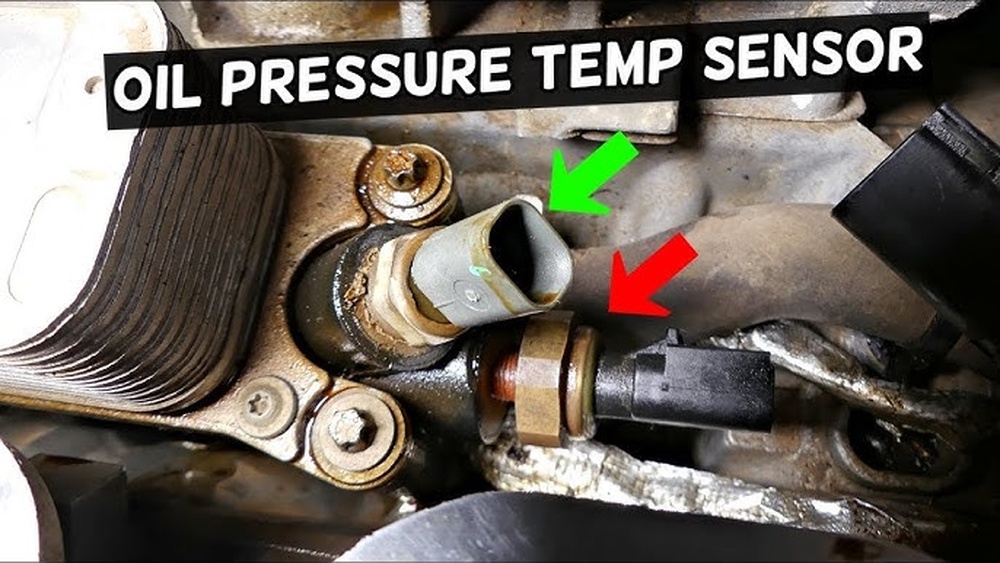
Faulty sensors or control modules can cause torque management failures. Camshaft and crankshaft sensors provide vital input for engine timing.
Malfunctioning torque management modules also trigger the code. Replacing bad sensors or modules often resolves the issue.
Regular sensor testing helps keep the system reliable.
Diagnosing The Issue
Repair solutions for the P2638 Jeep code focus on restoring proper electrical signals. The issue arises from faults in wiring, sensors, or the CAN bus system.
Fixing these components helps the vehicle regain normal power and shifting behavior. A careful inspection and targeted repairs reduce the chance of code recurrence and drivability problems.
Fixing Wiring And Connectors
Start by examining all wiring related to the torque management system. Look for frayed wires, corrosion, or loose connections.
Repair any damaged wires and ensure connectors are secure. Cleaning corroded terminals improves signal flow.
Proper wiring is important for accurate sensor feedback and system performance.
Replacing Faulty Sensors
Faulty camshaft or crankshaft sensors can trigger the P2638 code. Test sensor outputs using a multimeter or scan tool.
Replace sensors that show weak or no signals. Installing new sensors restores correct timing and torque data.
This prevents limp mode and improves engine response.
Addressing Can Bus Harness Problems
The CAN bus harness links sensors and modules with the engine control unit. Inspect the harness for breaks, shorts, or damaged grounds.
Repair or replace faulty sections to ensure clean data transmission. A healthy CAN bus harness prevents communication errors and keeps the torque management system stable.
Repair Solutions
Preventing the P2638 code in your Jeep requires careful attention to the vehicle’s electrical system. Regular maintenance and protection of wiring help avoid signal issues.
Small steps keep your Jeep running smoothly and stop costly repairs.
Regular Electrical System Checks
Check your Jeep’s electrical system often. Inspect connectors and wiring for any signs of wear or corrosion.
Clean dirty or corroded contacts to maintain good connections. Use a diagnostic scanner to find hidden trouble codes early.
Fix any electrical faults as soon as you spot them. Regular checks reduce the risk of sudden limp mode or shifting problems.
Protecting Wiring From Damage
Keep wiring safe from heat, moisture, and sharp edges. Avoid routing wires near hot engine parts or moving components.
Use protective sleeves or conduit to shield wiring. Secure loose wires with clips or ties to prevent rubbing and breaks.
Check wiring after off-road trips or accidents. Preventing damage helps maintain stable signals and prevents code P2638 from triggering.
Conclusion
The P2638 code on your Jeep signals a torque management issue. This can cause reduced power and shifting problems.
Electrical faults, like damaged wiring or sensors, often trigger this code. A careful diagnosis helps find the exact cause.
Fixing wiring or replacing faulty parts usually solves the problem.
Regular maintenance prevents these issues from returning. Understanding this code helps keep your Jeep running smoothly and safely on the road.