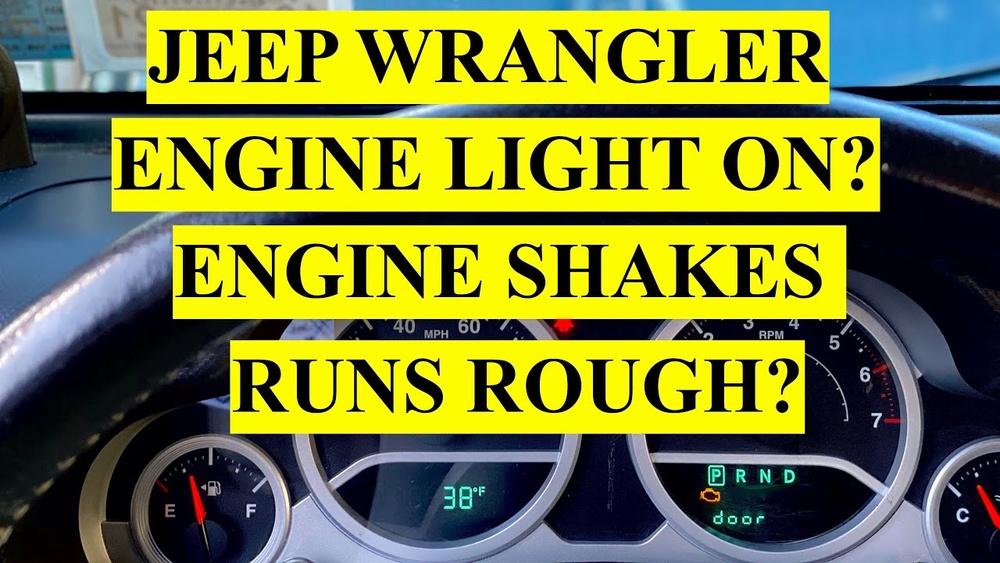
If you’ve seen the P0456 code pop up on your Jeep’s dashboard, you might be wondering what it means and how serious it is. This code signals a small leak in your vehicle’s EVAP system, which controls fuel vapor emissions.
Ignoring it could lead to wasted fuel, increased emissions, or even a failed emissions test. But don’t worry—understanding what causes this code and how to fix it can save you time and money. You’ll discover the common reasons behind the P0456 Jeep code and practical steps you can take to get your Jeep running smoothly again.
Keep reading—you’ll want to know exactly what to do before that little leak turns into a bigger problem.
Evap System Basics
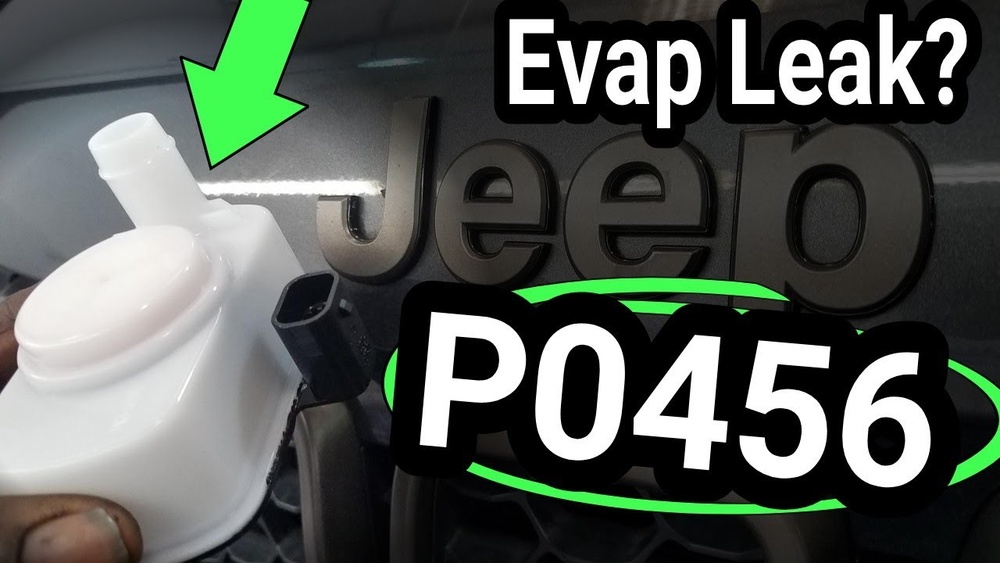
The EVAP system in your Jeep controls fuel vapors. It stops these vapors from escaping into the air. This system helps reduce pollution. It also keeps your Jeep running smoothly. The system captures fuel vapors and stores them in a charcoal canister. When the engine runs, it burns off these vapors.
Understanding the basics of the EVAP system helps you spot problems early. One common issue is the P0456 code. This code means a small leak in the EVAP system has been detected. Knowing how the system works and where leaks happen saves time and money.
What Triggers P0456 Code
The P0456 code triggers when the Jeep’s computer finds a tiny leak. The leak lets fuel vapors escape from the EVAP system. This triggers the check engine light on your dash. The computer runs tests to check for leaks during driving. If it finds a leak smaller than 0.040 inches, it sets the P0456 code. Common triggers include a loose gas cap, broken hoses, or faulty valves.
Common Leak Points In Jeep Evap
Leaks often happen at the gas cap. Its rubber seal can dry out or crack. Loose or damaged EVAP hoses are another common leak point. These hoses run under the hood and near the fuel tank. They can wear out or break over time. The purge valve or solenoid may also fail. These parts control vapor flow and can stick or break. Inspect these spots first for any signs of damage or wear.
Quick Visual Checks
Quick visual checks are the first step to diagnose the P0456 Jeep code. This code means there is a small leak in the EVAP system. A quick look can catch simple problems before more work is needed. These checks save time and money.
Start by focusing on parts easy to see and access. Check the gas cap and EVAP hoses. These parts often cause leaks and are simple to inspect. Spotting damage or loose parts can help fix the issue fast.
Inspecting The Gas Cap
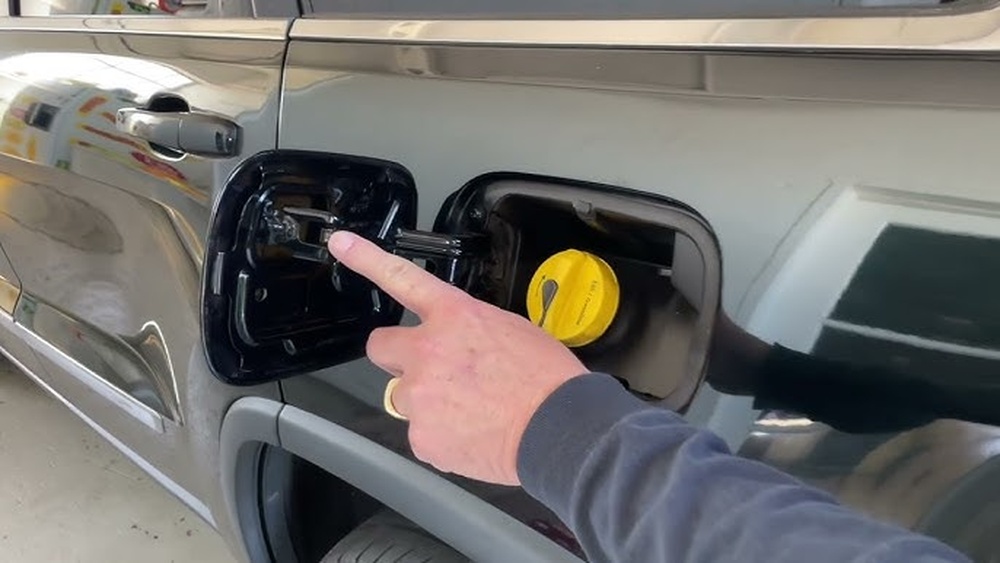
Begin with the gas cap. It seals the fuel tank and stops vapors from escaping. Look for cracks or worn rubber seals on the cap. Dirt or debris on the seal can also cause leaks. Make sure the gas cap tightens fully and clicks into place. A loose or damaged cap often triggers the P0456 code.
Checking Evap Hoses And Connections
Next, examine the EVAP hoses under the hood and near the fuel tank. These rubber hoses can crack or come loose over time. Look for splits, holes, or signs of wear. Check if the hoses connect firmly at both ends. Replace any damaged or brittle hoses. Loose or broken connections let fuel vapors escape and cause the error code.
Using A Smoke Test
Using a smoke test is a reliable way to find small leaks causing the P0456 code in your Jeep. This method helps reveal hidden cracks or holes in the EVAP system. It allows mechanics to see exactly where fuel vapors escape.
Smoke testing is quick and effective. It avoids guesswork and saves time during repairs. This technique is common in automotive shops and recommended for EVAP system issues.
How Smoke Testing Works
The smoke test uses special smoke injected into the EVAP system. The smoke fills the system under low pressure. Any leaks will allow smoke to escape and become visible.
Technicians watch for smoke coming from hoses, valves, or the gas tank area. The smoke’s path points directly to the leak’s location. This makes repair easier and more accurate.
Identifying Small Leaks
Small leaks often go unnoticed during visual checks. Smoke testing reveals tiny cracks or loose fittings that cause the P0456 code. Even a pinhole leak can be found.
The smoke’s color and flow help identify the leak’s size. This helps decide the best repair method. Fixing leaks quickly prevents fuel vapor loss and restores Jeep’s emissions control.
Fixing Common Issues
Fixing common issues related to the P0456 code on your Jeep can save you time and money. This code points to a small leak in the EVAP system. The EVAP system controls fuel vapors from escaping into the air. Simple fixes often solve the problem quickly.
Start by checking the most common sources of leaks. These include the gas cap, hoses, and purge valves. Each part can cause the P0456 code if it is damaged or faulty. Fixing these parts is usually straightforward and does not require special tools.
Replacing A Faulty Gas Cap
The gas cap seals the fuel tank. A loose or damaged cap lets vapors escape. This triggers the P0456 code. Remove the cap and inspect the rubber seal. If it is cracked or dry, replace the cap. Make sure to tighten the new cap firmly. This simple fix often clears the code fast.
Repairing Cracked Hoses
EVAP hoses carry fuel vapors to the engine. Over time, they can crack or loosen. Check all hoses under the hood and near the fuel tank. Look for cracks, holes, or loose connections. Replace any damaged hoses with new ones. Secure all connections tightly to prevent leaks.
Cleaning Or Replacing Purge Valves
Purge valves control vapor flow in the EVAP system. Dirt or damage can cause them to stick open or closed. Remove the valve and clean it with a suitable cleaner. If cleaning does not work, replace the valve. A faulty purge valve can cause fuel vapors to leak and trigger the code.
Advanced Evap Repairs
Advanced EVAP repairs target specific parts of your Jeep’s evaporative emission system. These repairs go beyond simple fixes like tightening the gas cap. They address deeper issues causing the P0456 code. Understanding these components helps keep your Jeep running clean and efficient.
Dealing With The Esim Module
The ESIM module controls vapor flow in the EVAP system. It sits behind the passenger rear wheel well on Jeep Wranglers JL. Faults in this module can trigger the P0456 code.
Replacing the ESIM module requires careful removal and installation. It involves disconnecting electrical connectors and vent lines. Proper handling avoids damage to sensitive parts.
After replacement, a smoke test confirms no leaks remain. This ensures the EVAP system seals properly and stops fuel vapors from escaping.
Replacing The Canister Or Lines
The EVAP canister stores fuel vapors before they enter the engine. Cracks or damage here cause leaks and set off error codes.
Inspect all hoses and lines for wear or cracks. Replace any brittle or broken parts with OEM-quality components. Proper sealing is crucial to prevent vapor leaks.
Removing and installing the canister involves loosening clamps and disconnecting hoses. Take care to avoid bending or kinking lines during the process.
After replacement, test the system to verify the repairs. A well-maintained EVAP system helps reduce pollution and improves fuel efficiency.
Testing After Repairs
After fixing the P0456 code on your Jeep, testing ensures the repair worked. This step confirms the EVAP system is sealed and working properly. It helps avoid future issues and saves you from another check engine light.
Clearing The Code
Once repairs are done, clear the P0456 code using an OBD-II scanner. This resets the check engine light. Make sure the Jeep’s engine is off before connecting the scanner. After clearing, start the engine to check if the light stays off. If the code returns, further inspection is needed.
Monitoring For Recurring Leaks
Drive the Jeep normally and watch for the check engine light. A return of the P0456 code means the leak is still present. Keep an eye on fuel cap tightness and hoses for signs of damage. Early detection prevents bigger problems and costly repairs.
When To Seek Professional Help
Knowing when to seek professional help for the P0456 code on your Jeep is important. Some repairs can be simple, but others need expert skills and tools. Ignoring the issue may cause more damage or fail emissions tests. Understanding the limits of DIY fixes saves time and money.
Complex Repairs Beyond Diy
Some EVAP system problems require advanced tools. Locating small leaks inside hoses or the fuel tank can be tricky. Replacing parts like the ESIM module may involve removing panels or components. Incorrect repairs might cause more issues or trigger other codes. Professionals have the right equipment and experience to handle these tasks safely.
Cost And Time Considerations
DIY repairs can save money but might take hours or days. If the problem is hard to find, you may waste time and fuel. Professionals diagnose issues quickly with smoke machines or scanners. Paying for expert service can avoid repeated repairs. A timely fix helps maintain your Jeep’s performance and efficiency.

Frequently Asked Questions
How Do I Fix Code P0456 On My Jeep?
Check and tighten the gas cap first. Inspect EVAP hoses and purge valve for cracks or leaks. Replace faulty parts as needed. Perform a smoke test to find hidden leaks. Clear the code after repairs to confirm the fix.
What Is The Most Common Cause Of P0456?
The most common cause of P0456 is a loose or faulty gas cap. Cracked or damaged EVAP hoses also often cause this leak code.
Is It Okay To Drive With A P0456 Code?
Driving with a P0456 code is possible but not recommended. It indicates a small EVAP system leak. Fix it soon to avoid fuel vapor loss and failed emissions tests.
How To Fix A Small Evap Leak?
Check and tighten or replace the gas cap first. Inspect and repair cracked or loose EVAP hoses. Use a smoke test to locate leaks accurately. Replace faulty purge valves or solenoids if needed. Clear codes after repairs to confirm the leak is fixed.
Conclusion
The P0456 code signals a small leak in your Jeep’s EVAP system. Start by checking the gas cap for tightness and damage. Inspect EVAP hoses for cracks or wear. Replacing faulty parts can stop fuel vapors from escaping. Fixing the leak keeps your Jeep running smoothly and passes emissions tests.
Regular checks help avoid bigger problems later. Stay alert to warning signs and act quickly. This simple care protects your vehicle and the environment.