If you own a Jeep and have recently encountered the code P1494, you’re probably wondering what it means and how it affects your vehicle. This code points to an issue with the Evaporative Emission (EVAP) Leak Detection Pump, a key part of your Jeep’s emission control system.
Ignoring it could lead to decreased performance or even a failed emissions test. But don’t worry—you’re in the right place to understand what causes this code, how to diagnose it, and the simple fixes that can get your Jeep running smoothly again.
Keep reading to learn exactly what you need to do next and avoid costly repairs down the road.
P1494 Code Basics
The P1494 code in Jeep vehicles points to a problem with the Evaporative Emission (EVAP) Leak Detection Pump (LDP). This pump helps control fuel vapors and reduce pollution. When the system detects an issue with the LDP pressure switch, the P1494 code triggers.
Understanding this code helps prevent bigger problems. Fixing it early keeps your Jeep running smoothly and avoids costly repairs. This section breaks down what triggers the code and the symptoms to watch for.
What Triggers The Code
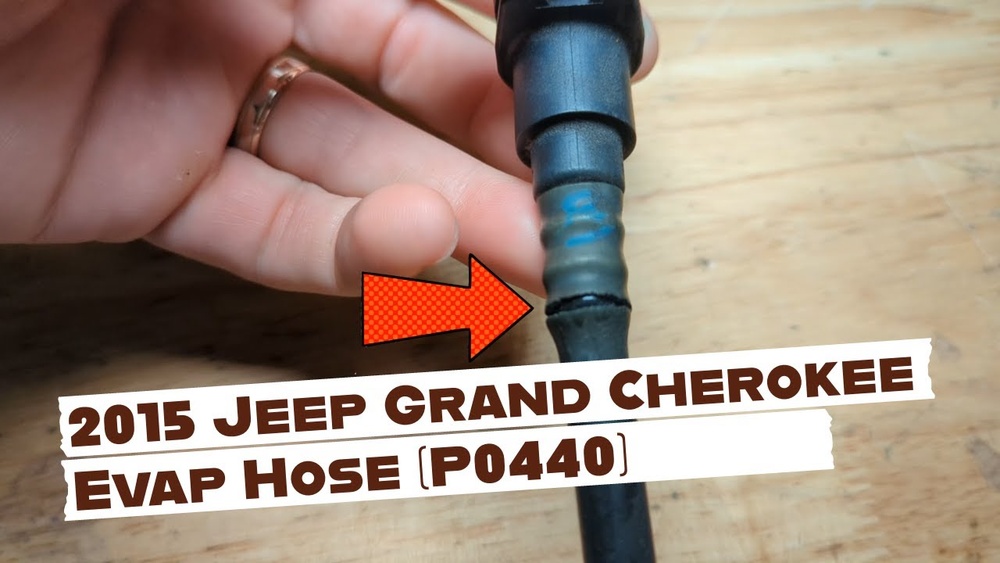
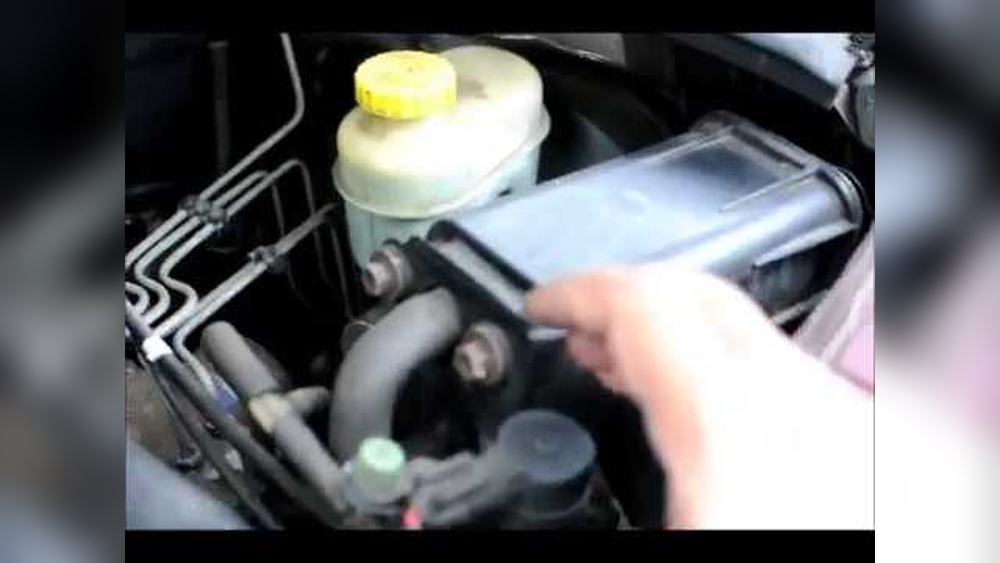
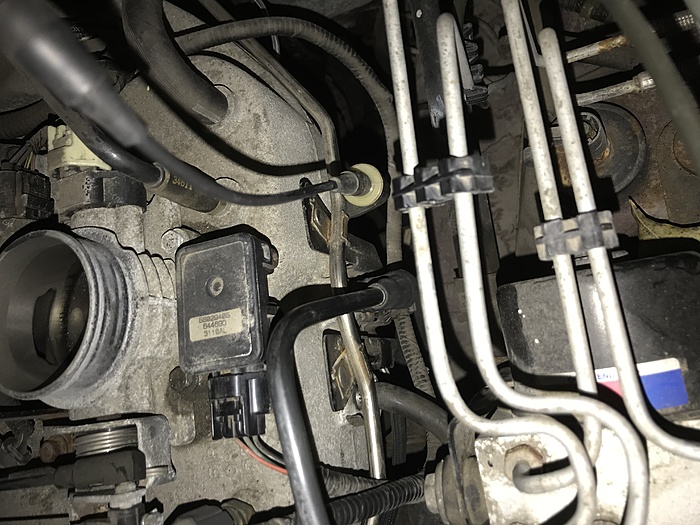
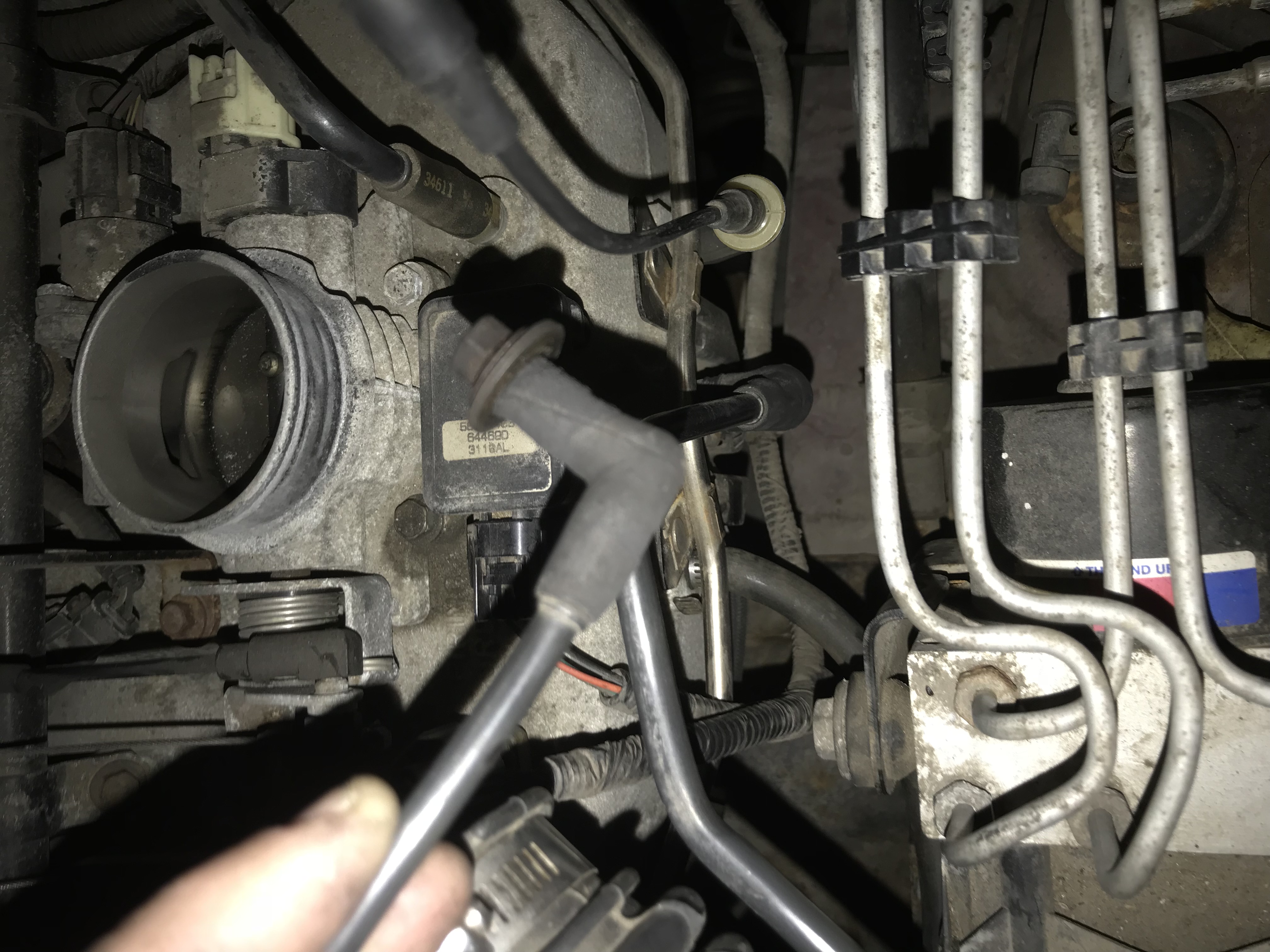
The P1494 code activates when the EVAP Leak Detection Pump’s pressure switch signals a fault. Common causes include cracked or disconnected vacuum hoses. These hoses often crack or fall off due to heat or age. Corroded wiring or damaged electrical connectors can also cause the code. Sometimes, the pump or its pressure switch itself fails physically.
Symptoms To Watch For
Watch for a check engine light on your dashboard. You might notice low engine power or rough idling. Fuel smell around the vehicle can also occur. Sometimes, the engine may stall or hesitate during acceleration. These symptoms indicate the EVAP system is not working correctly.
Common Causes
Understanding the location of the Leak Detection Pump (LDP) is key when addressing the P1494 code on your Jeep. The pump plays a vital role in checking the evaporative emissions system. Knowing where it sits helps in inspecting and fixing the issue quickly.
Physical Location In Jeep Models
The Leak Detection Pump is usually found near the fuel tank area. In many Jeep models, it is mounted inside the rear quarter panel. Some models place it behind the rear bumper or inside the wheel well. The exact spot can vary by model year and type.
Look for a small, black plastic pump connected to vacuum hoses and electrical wires. It often sits in a plastic bracket or cover to protect it from dirt and damage. This pump is part of the EVAP system that controls fuel vapors.
Accessing The Pump For Inspection
Accessing the Leak Detection Pump requires removing interior panels or wheel well liners. Start by opening the rear hatch or tailgate. Remove any trim panels or covers near the rear side panels carefully.
In some Jeeps, you may need to remove screws or clips holding the panels in place. This step exposes the pump and its connections. Check for any cracked or loose vacuum hoses and inspect the electrical connector for corrosion or damage.
Take care to avoid breaking plastic clips or connectors during removal. Once exposed, you can test or replace the pump if needed. Proper access makes inspection easier and speeds up repairs.

Frequently Asked Questions
How To Fix P1494 Code?
Check and replace cracked or disconnected vacuum hoses. Inspect wiring for corrosion or damage. Test the leak detection pump and pressure switch. Replace faulty components as needed. Clear the code and retest to confirm the fix.
What Is The Code P1494 On A Jeep Engine?
The code P1494 on a Jeep engine signals a Leak Detection Pump (LDP) pressure switch malfunction. It often results from cracked vacuum hoses, corroded wiring, or a faulty pump. Check hoses and wiring first before replacing the pump to fix this emission system issue.
Where Is The Evap Leak Detection Pump Located?
The EVAP leak detection pump is usually located near the fuel tank, often under the vehicle or inside the rear quarter panel.
How To Tell If A Jeep Tj Fuel Pump Is Bad?
A bad Jeep TJ fuel pump causes engine sputtering, stalling, or no start. Listen for a humming pump noise. Check fuel pressure; low or no pressure indicates failure.
Conclusion
The P1494 code signals a problem with the EVAP leak detection pump. Usually, simple issues like cracked hoses or corroded wiring cause this code. Checking these parts first can save time and money. Fixing the problem keeps your Jeep running smoothly and passes emissions tests.
Regular maintenance helps avoid this error in the future. Stay attentive to your vehicle’s signs and address issues quickly. This approach keeps your Jeep reliable and efficient on the road.