If your Jeep Wrangler’s engine light just came on, you might be wondering what those blinking codes mean and how serious the issue is. Don’t worry—you’re not alone, and understanding these engine light codes can save you time, money, and stress.
Whether you want to know how to read the codes yourself or figure out when it’s safe to keep driving, this guide will walk you through everything you need to know. By the end, you’ll be confident in decoding your Jeep Wrangler’s engine light and making the right decisions to keep your vehicle running smoothly.
Ready to take control of your Jeep’s health? Let’s dive in.
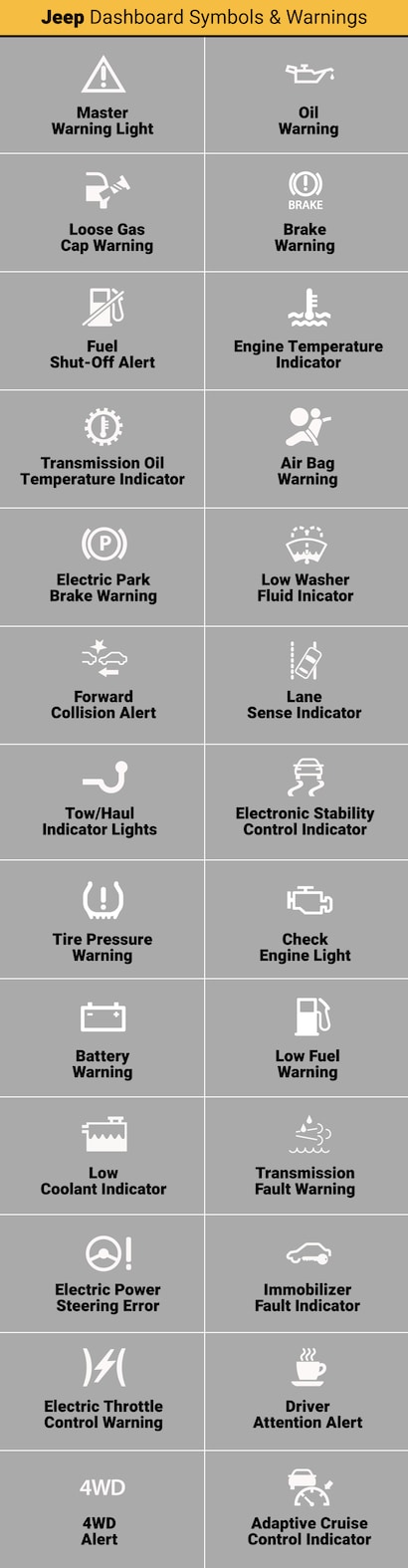
Engine Light Codes Basics
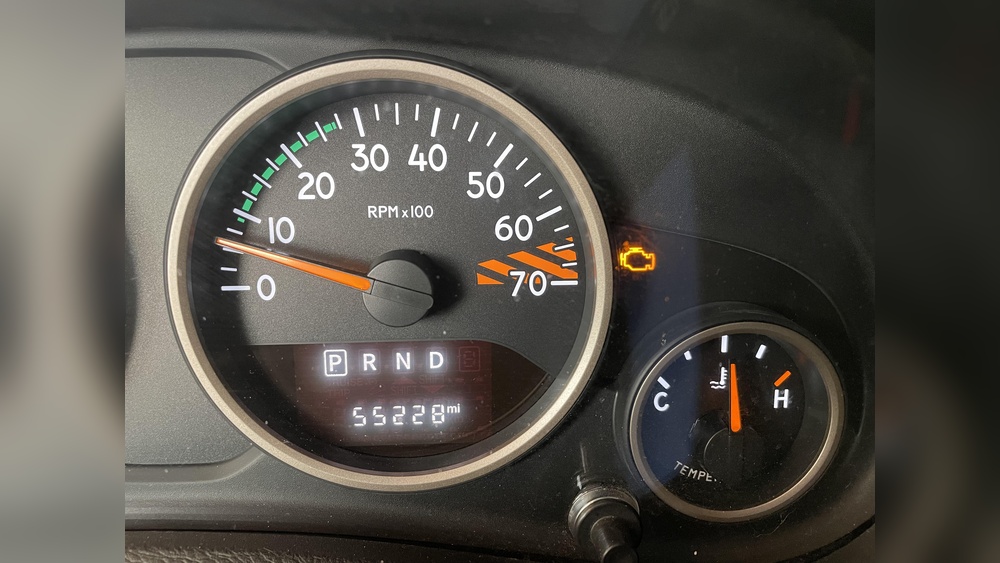
The engine light on your Jeep Wrangler signals issues detected by the car’s computer. It alerts you to check the engine’s health. Understanding these codes helps you know what needs fixing. The codes come from the Diagnostic Trouble Code (DTC) system.
DTCs are a set of codes stored when the engine or emission system has a problem. These codes help mechanics and owners identify specific issues. Reading these codes saves time and money on repairs.
What The Codes Mean
Each engine light code has a letter and four numbers. The letter shows the system involved:
- P – Powertrain (engine and transmission)
- B – Body (airbags, seats, etc.)
- C – Chassis (brakes, suspension)
- U – Network and communication
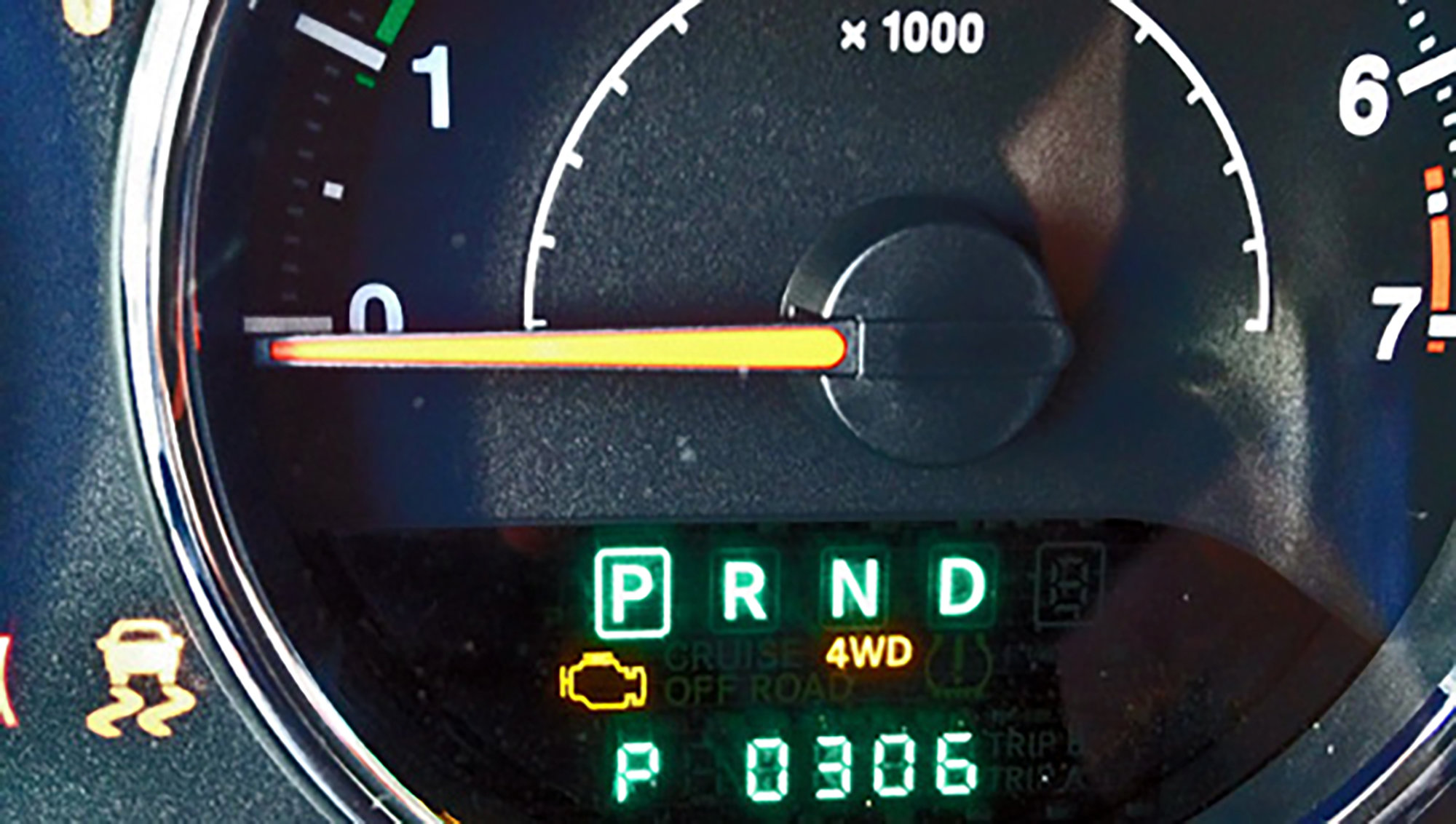
The numbers point to the exact problem. For example, P0301 means a misfire in cylinder 1. Knowing the meaning helps fix the right part.
Common Jeep Wrangler Codes
Jeep Wranglers often show certain common codes. Some appear more than others. Here are a few you might see:
- P0420 – Catalyst system efficiency below threshold
- P0300 – Random/multiple cylinder misfire detected
- P0171 – System too lean (too much air or not enough fuel)
- P0442 – Evaporative emission system small leak detected
- P0135 – Oxygen sensor heater circuit malfunction
These codes often point to fuel, ignition, or emission issues. Timely repairs keep your Jeep running well and reduce pollution.
Manual Code Retrieval
Using an OBD-II scanner is a reliable way to check your Jeep Wrangler’s engine light codes. This device connects to your vehicle’s computer and retrieves trouble codes. These codes help identify issues causing the check engine light to turn on. OBD-II scanners are easy to use and give fast results.
Many Jeep owners prefer scanners because they provide clear information. This helps in deciding whether a trip to the mechanic is necessary. The scanner reads codes stored by the engine control unit. Each code points to a specific problem or system in the vehicle.
Choosing The Right Scanner
Select an OBD-II scanner compatible with Jeep Wrangler models. Basic models read engine codes and clear them. Advanced scanners show live data and detailed diagnostics. Consider your budget and the features you need. A simple scanner works well for occasional checks. For frequent users, a more detailed scanner adds value.
Reading And Interpreting Codes
After connecting the scanner, turn on your Jeep’s ignition. The scanner will communicate with the engine control unit. It displays Diagnostic Trouble Codes (DTCs) as alphanumeric values. Each code corresponds to a specific fault or sensor issue. Use a code reference guide to understand these codes. Some scanners offer built-in explanations for common codes. This helps in understanding the problem quickly.
Using An Obd-ii Scanner
Troubleshooting common engine light codes on a Jeep Wrangler helps identify vehicle issues quickly. Understanding these codes saves time and money on repairs. This section covers frequent problems Jeep owners face and how to interpret the codes.
Engine Misfire Issues
Engine misfire codes often indicate problems with spark plugs or ignition coils. Misfires cause rough idling and reduced power. Check spark plugs for wear and replace faulty ignition coils. Fuel delivery problems may also trigger misfire codes. Clean or replace fuel injectors if needed. Address misfires promptly to avoid engine damage.
Sensor Malfunctions
Sensor codes often point to faulty oxygen or mass airflow sensors. These sensors help the engine run efficiently. Dirt or damage causes incorrect readings. Clean sensor connections or replace damaged sensors. Faulty sensors can increase fuel consumption and emissions. Fix sensor issues early to maintain performance.
Emission System Alerts
Emission alerts usually relate to the catalytic converter or EGR system. A clogged converter triggers warning codes. EGR valve problems affect exhaust gas flow. Check for blockages or valve failure. Repair or replace parts to pass emissions tests. Ignoring these alerts can lead to fines and poor air quality.
Troubleshooting Common Codes
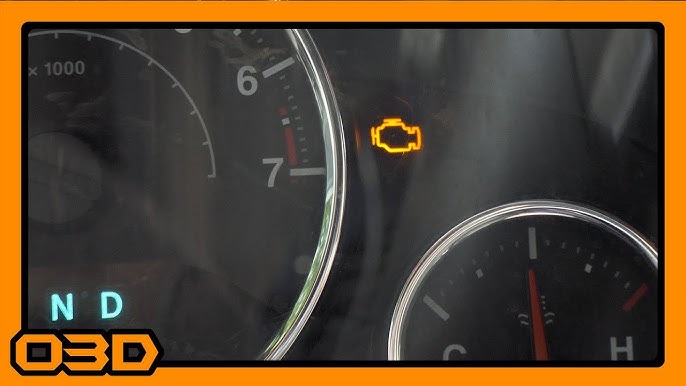
Seeing your Jeep Wrangler’s engine light on can cause concern. The light signals that your vehicle’s computer detected a problem. It does not always mean you must stop driving immediately. Understanding when it is safe to keep driving and when to stop can protect your Jeep and your safety. This section explains what to do if the engine light comes on while driving.
When It’s Safe To Drive
A steady engine light usually means minor issues. You can drive your Jeep for short distances. Watch for any changes in how the engine runs. If the Jeep drives normally without strange noises or smells, it is generally safe to continue. Plan to visit a mechanic soon for a full check-up. Avoid long trips or heavy towing until the problem is fixed.
When To Tow Your Jeep
If the engine light flashes or blinks, stop driving right away. This signals a serious issue like engine misfire. Driving further can cause major damage. Also, if you feel loss of power, strange noises, or the engine overheating, do not drive. Call for a tow to the nearest service center. Protect your Jeep by avoiding driving under these conditions.
Driving With The Engine Light On
Quick fixes and regular maintenance keep your Jeep Wrangler running smoothly. Addressing engine light codes early prevents bigger problems. Simple actions often solve common issues fast. Consistent care improves your Jeep’s performance and lifespan.
Resetting The Engine Light
Resetting the engine light can clear minor faults. Turn the ignition key to the ON position without starting. Repeat OFF to ON three times, ending ON. Watch the odometer for flashing codes or “-done-”. If codes appear, note them before reset. Use an OBD-II scanner for a thorough reset. Disconnecting the battery for a few minutes also resets the light. Drive the Jeep after reset to check if the light returns. Persistent lights need professional diagnosis.
Preventive Care For Your Jeep
Regular oil changes keep the engine healthy and prevent warning lights. Replace air filters every 12,000 miles or as needed. Check tire pressure monthly for safe driving. Inspect spark plugs and replace them per manufacturer guidelines. Use quality fuel to avoid sensor issues. Keep the cooling system clean and fluid levels full. Monitor battery health to avoid electrical problems. Regular maintenance stops engine light codes before they start.
Quick Fixes And Maintenance Tips
Understanding Jeep Wrangler engine light codes is easier with the right resources and tools. These tools help you identify problems quickly and decide the next steps. Use apps, websites, or professional services to get accurate information about your Jeep’s issues. This section covers useful digital tools and expert services that can assist you.
Helpful Apps And Websites
Many apps and websites offer free or low-cost code reading services. Apps like Torque and OBDLink provide live data and trouble code reading using a Bluetooth scanner. These apps display engine codes and explain their meaning in simple terms.
Websites such as obd-codes.com offer a full list of Diagnostic Trouble Codes (DTCs) for Jeep Wranglers. You can enter your code and get detailed information and possible fixes. These resources save time and help you understand what your Jeep needs.
Professional Diagnostic Services
Professional diagnostic services provide thorough engine light code reading. Mechanics use advanced scanners that access deep vehicle data beyond basic codes. They can diagnose complex problems that apps might miss.
Visiting a Jeep dealership or a trusted auto repair shop ensures accurate diagnosis and repair advice. Professionals also perform safety checks to confirm your vehicle runs well after repairs. This option is best for serious or unclear engine light issues.
Frequently Asked Questions
What Is The Most Common Check Engine Light On A Jeep Wrangler?
The most common check engine light on a Jeep Wrangler indicates issues with the oxygen sensor or emissions system.
Can I Drive My Jeep With The Engine Light On?
You can drive your Jeep with the engine light on only if it stays steady and performance is normal. Visit a mechanic soon. If the light flashes or the engine runs poorly, stop driving to avoid damage.
How To Read Jeep Wrangler Engine Codes?
To read Jeep Wrangler engine codes, cycle the ignition key OFF-ON three times, ending ON without starting. The odometer shows the code. Use an OBD-II scanner for detailed codes.
What Does A Car With Squiggly Lines Mean On A Jeep?
The squiggly lines icon on a Jeep indicates the traction control or stability system is active. It helps maintain grip on slippery roads.
Conclusion
Understanding Jeep Wrangler engine light codes helps keep your vehicle running well. Reading codes early can prevent bigger problems later. Many Wranglers show codes on the dashboard without extra tools. Use an OBD-II scanner for more detailed information. Pay attention to warning lights and how your Jeep drives.
Drive carefully if the light is steady and no major issues appear. Seek professional help if the light flashes or performance drops. Regular checks and quick action save time and money. Stay informed to enjoy your Jeep Wrangler safely and smoothly.