If you’ve spotted the P0157 code on your Jeep Wrangler’s dashboard, you’re probably wondering what it means and what you need to do next. This code points to an issue with your vehicle’s oxygen sensor circuit, which can affect your engine’s performance and fuel efficiency.
Ignoring it could lead to more serious problems down the road. You’ll learn exactly what causes the P0157 code, how to spot the symptoms, and simple steps you can take to fix it. By the end, you’ll have the confidence to get your Jeep running smoothly again.
Keep reading to protect your ride and avoid costly repairs.
P0157 Code Basics
The P0157 code is common in Jeep Wrangler models. It signals a problem with the oxygen sensor’s heater circuit. This code helps diagnose issues that affect engine performance and emissions.
Understanding the P0157 code basics can help Jeep owners identify and fix problems early. It improves the vehicle’s efficiency and prevents further damage.
What P0157 Means
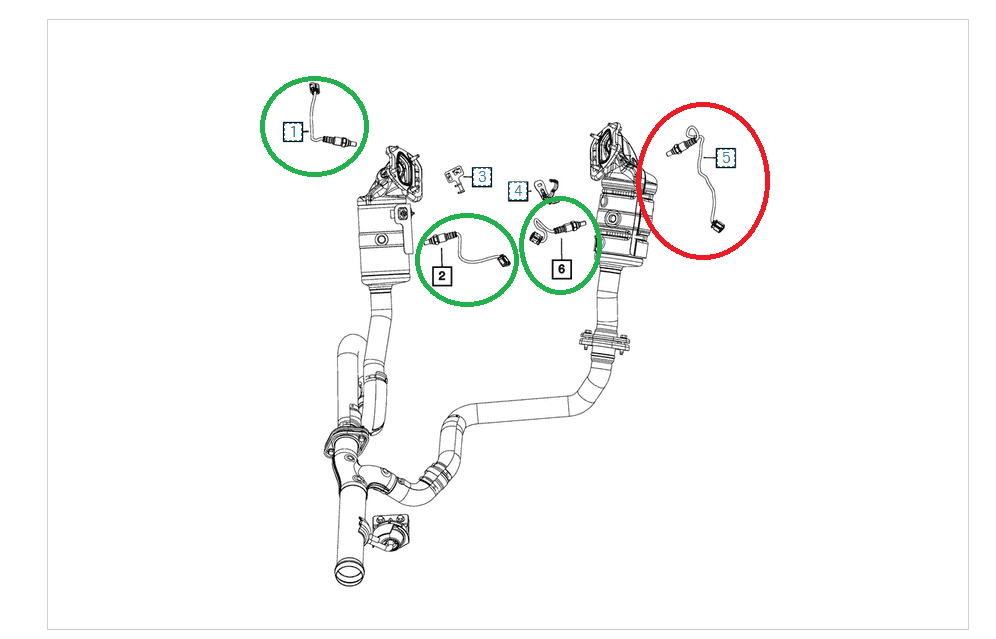
P0157 stands for “Oxygen Sensor Heater Circuit Low (Bank 2, Sensor 2).” It means the heater inside the oxygen sensor is not working properly. This sensor is on the exhaust side, after the catalytic converter, on the second bank of cylinders.
The heater helps the sensor reach its working temperature quickly. Without it, the sensor may give wrong readings, causing poor engine performance and higher emissions.
Oxygen Sensor Role In Jeep Wrangler
The oxygen sensor measures the amount of oxygen in the exhaust gases. This data helps the engine control unit adjust the air-fuel mixture. A correct mix improves fuel economy and reduces pollution.
The heater inside the sensor ensures it heats up fast. When the sensor warms up quickly, it gives accurate readings sooner. This is crucial for cold starts and smooth engine operation.
Common Symptoms
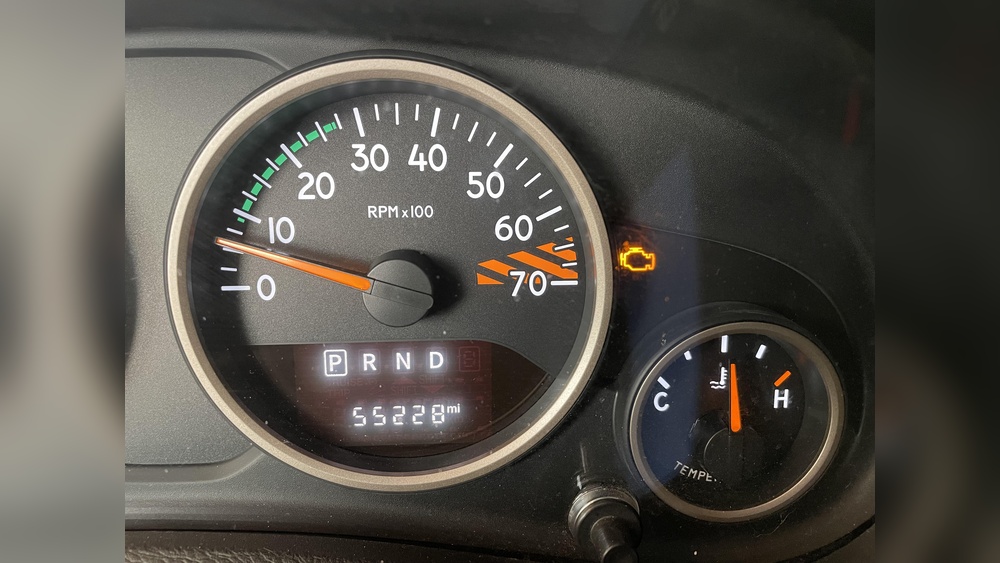
The Jeep Wrangler may show several symptoms with a P0157 code. The Check Engine Light often turns on. The engine might run rough or hesitate during acceleration.
Fuel economy usually drops because the engine runs less efficiently. You might also notice a strong fuel smell or increased emissions. Sometimes, the vehicle fails an emissions test.
Main Causes
Diagnosing the P0157 code on a Jeep Wrangler requires a careful and systematic approach. This code points to an issue with the oxygen sensor, specifically sensor 2 on bank 2. Following proper diagnostic steps helps identify the exact cause quickly. This saves time and money on repairs. The process includes scanning the vehicle, inspecting components, and testing sensor function.
Using An Obd-ii Scanner
Start by connecting an OBD-II scanner to the Jeep’s diagnostic port. This tool reads trouble codes and live data from the vehicle’s computer. Look for code P0157 and any related codes. Note the sensor’s voltage readings and response times. A slow or no change in voltage indicates a faulty oxygen sensor or wiring problem. Record data for reference during further checks.
Visual Inspection Tips
Check the oxygen sensor and its wiring for visible damage. Look for frayed wires, broken connectors, or signs of corrosion. Inspect the sensor’s mounting area for oil leaks or exhaust leaks. These can affect sensor readings and cause the P0157 code. Ensure the sensor is securely installed and not loose. Clean any dirt or debris around the sensor to avoid false readings.
Testing Sensor Voltage And Resistance
Use a digital multimeter to test the sensor’s voltage and resistance. Unplug the sensor connector before testing resistance. Compare readings to the Jeep Wrangler’s specifications. A faulty sensor often shows abnormal voltage or resistance levels. Test the wiring harness for continuity to rule out electrical issues. Proper sensor function is crucial for accurate emissions control.
Diagnostic Steps
Repairing wiring and connectors in a Jeep Wrangler with a P0157 code is crucial. This error often signals an issue with the oxygen sensor circuit. Faulty wiring can cause poor sensor readings, affecting engine performance and emissions. Careful repair ensures the vehicle runs smoothly and prevents further damage.
Identifying Damaged Wiring
Start by inspecting the wiring harness near the oxygen sensor. Look for cracks, frays, or melted insulation. Check connectors for corrosion or loose pins. Use a multimeter to test continuity and resistance in the wires. Damaged wiring often shows signs of wear or heat exposure.
Repair Techniques
Cut out damaged sections of wire using wire cutters. Strip the insulation from both ends carefully. Use solder and heat shrink tubing for a strong, protected connection. Alternatively, use crimp connectors designed for automotive wiring. Ensure all repairs are secure and insulated against moisture.
Protecting Against Future Damage
Wrap repaired wiring in high-quality electrical tape or loom. Secure wires away from heat sources and moving parts. Use zip ties to keep wiring neat and prevent chafing. Regularly inspect wiring during maintenance to catch problems early. Proper protection extends the life of your Jeep’s wiring system.
Fixing The Oxygen Sensor
Exhaust leaks can cause the P0157 code on your Jeep Wrangler. This code signals problems with the oxygen sensor’s readings. Exhaust leaks let outside air enter before the sensor. This air confuses the sensor and triggers the error code.
Fixing exhaust leaks is key to solving the P0157 issue. Leaks can happen at several spots in the exhaust system. Finding and sealing these leaks improves engine performance and fuel economy. It also protects your Jeep’s emission system.
Locating Leaks
Start by inspecting the exhaust manifold and pipes. Look for cracks, rust holes, or soot marks. These signs show where exhaust gases escape. Listen for hissing or popping sounds while the engine runs. Use a smoke machine or soapy water spray to spot leaks. Small bubbles or smoke reveal the exact leak points.
Fixing Manifold And Gasket Issues
Cracks in the manifold need replacement or welding. Gaskets wear out and cause leaks at joints. Remove the old gasket and clean the surfaces well. Install a new gasket with proper torque on bolts. Tighten bolts in the correct order to avoid warping. Use high-quality gaskets made for Jeep Wranglers for best results.
Preventative Maintenance
Check the exhaust system regularly for damage or rust. Replace gaskets and bolts at signs of wear. Keep the engine tuned to reduce exhaust stress. Avoid driving through deep water that can damage the exhaust. Timely maintenance prevents leaks and keeps the oxygen sensor working right. This reduces P0157 errors and improves Jeep performance.

Frequently Asked Questions
What Is The Code Po157 On A Jeep Wrangler?
Code P0157 on a Jeep Wrangler indicates a low voltage issue in the oxygen sensor heater circuit on bank 2, sensor 2. This sensor helps monitor exhaust emissions. Causes include faulty sensors, wiring problems, or exhaust leaks. Addressing this improves engine performance and emission control.
How Do I Fix A P0157 Code?
To fix a P0157 code, check and replace the faulty oxygen sensor. Inspect wiring and connectors for damage. Repair exhaust leaks if found. Clear the code after repairs and test drive to confirm the issue is resolved.
Where Is The P0157 Sensor Located?
The P0157 sensor is located after the catalytic converter on the vehicle’s exhaust system. It monitors oxygen levels in the exhaust gases.
Is It Safe To Drive With A P0157 Code?
Driving with a P0157 code is generally safe but may reduce fuel efficiency and increase emissions. Get the oxygen sensor checked soon.
Conclusion
The P0157 code in a Jeep Wrangler signals an oxygen sensor issue. This can affect engine performance and fuel efficiency. Regular checks help catch problems early. Fixing wiring or replacing sensors often solves the issue. Keep your Jeep running smoothly by addressing this code soon.
Simple care prevents costly repairs later on. Stay alert to warning signs and act quickly. Your Wrangler will thank you with better driving and fewer troubles.