If you own a Jeep Cherokee or are thinking about getting one, you might have come across the mysterious code U1424. Wondering what it means and why it matters to your vehicle’s performance?
This error code can affect how your Jeep runs and even how safe it feels on the road. You’ll discover what causes the U1424 code, how it impacts your Jeep Cherokee, and simple steps you can take to fix it.
By the time you finish reading, you’ll have a clear understanding that puts you in control of your Jeep’s health and keeps your driving experience smooth and worry-free.
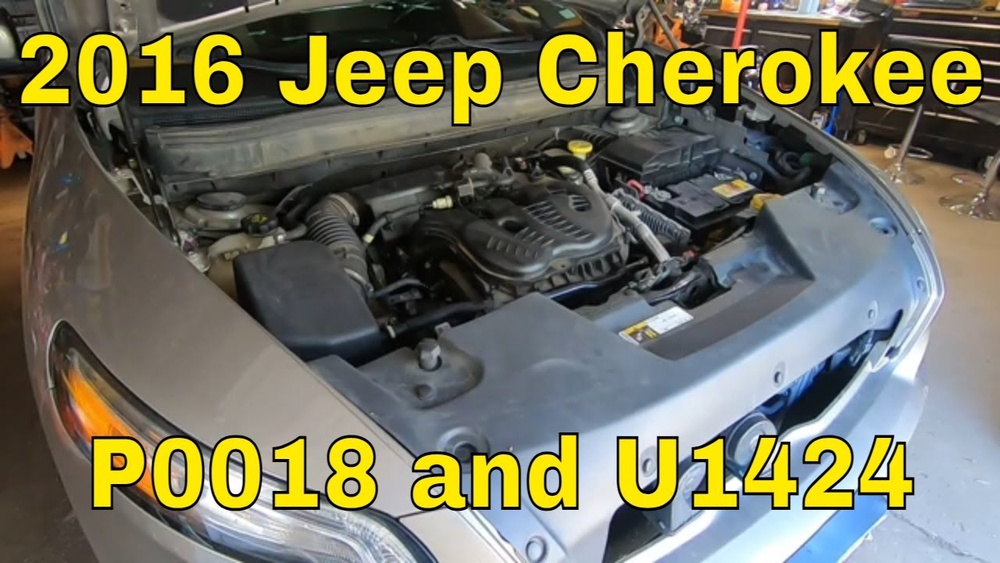
Symptoms Of U1424 Code
The U1424 code in a Jeep Cherokee signals trouble with the communication between the engine and transmission control modules. This code often leads to noticeable driving issues. Recognizing these symptoms early helps prevent serious damage. The most common signs involve engine performance, transmission behavior, and dashboard alerts.
Engine Stalling And Shut Off
The engine may stall without warning during driving. Sudden shut offs can happen even at low speeds. This makes driving unsafe and unpredictable. Restarting the engine may not always be easy. The problem usually worsens over time if ignored.
Transmission Shifting Problems
The transmission might shift roughly or fail to shift. You may notice delayed or harsh gear changes. Sometimes, the vehicle stays stuck in one gear. This affects acceleration and fuel efficiency. These issues point to a disrupted signal from the control modules.
Warning Lights And Alerts
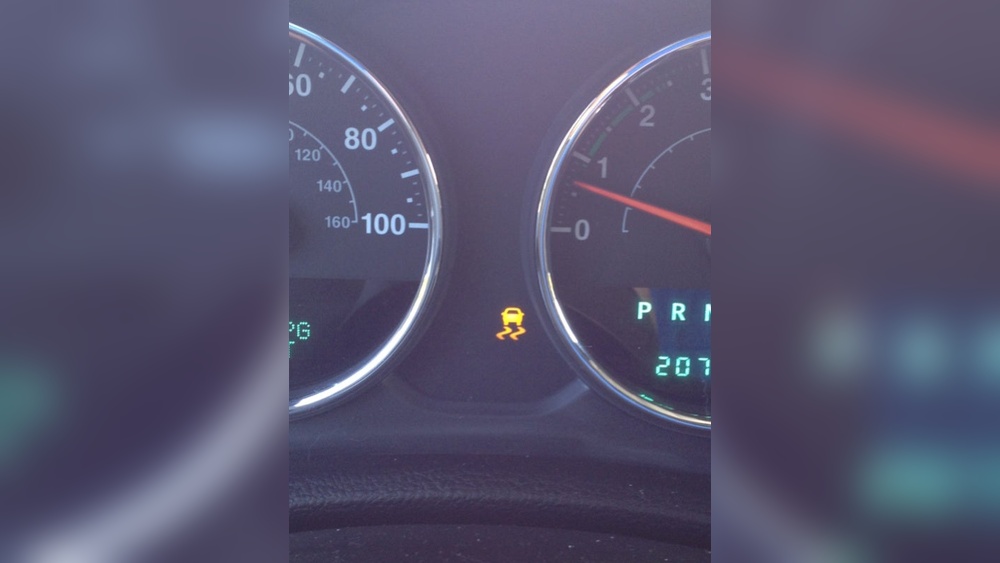
The check engine light often comes on with the U1424 code. Transmission warning lights may also illuminate. Some Jeep Cherokee models display error messages on the dashboard. These alerts warn of system faults that need attention. Ignoring them can lead to bigger repairs.
Common Causes
The U1424 Jeep Cherokee code points to issues with engine torque signals. Several common causes trigger this error. Identifying the root cause helps fix the problem quickly. Understanding these causes keeps your Jeep running smoothly.
Faulty Camshaft Or Crankshaft Sensors
The camshaft and crankshaft sensors monitor engine timing. Faulty sensors send incorrect signals to the engine control module. This mismatch leads to the U1424 code. Sensors can fail due to wear, dirt, or wiring problems. Replacing or cleaning these sensors often resolves the issue.
Dirty Or Malfunctioning Throttle Body
The throttle body controls air flow into the engine. Dirt buildup or mechanical faults affect its performance. A dirty or stuck throttle body sends wrong data to the engine control. This creates errors in torque calculation and triggers the U1424 code. Cleaning or repairing the throttle body restores proper function.
Outdated Pcm Or Tcm Software
The Powertrain Control Module (PCM) and Transmission Control Module (TCM) manage engine and transmission functions. Old or buggy software can cause communication errors. These glitches may produce the U1424 code. Updating the PCM and TCM software ensures smooth data exchange and engine performance.
Wiring And Communication Issues
Wiring connects sensors to control modules. Damaged or corroded wires disrupt signal flow. Communication errors between components trigger the U1424 code. Inspecting and repairing wiring harnesses restores proper signals. Secure connections prevent future faults and maintain engine stability.
Diagnosing The Issue
Diagnosing the U1424 Jeep Cherokee issue requires a careful and methodical approach. The problem often relates to the transmission control system. Pinpointing the exact cause helps prevent further damage and costly repairs. Start by gathering data and checking key components that influence the transmission’s function.
Checking Sensor Data And Signals
Sensors send vital information to the transmission control module. Check the camshaft and crankshaft position sensors first. Faulty sensors can send incorrect torque signals. Use a scan tool to read real-time sensor data. Look for abnormal readings or dropouts. Clean or replace sensors showing errors.
Inspecting Wiring Harnesses
Wiring harnesses connect sensors to the control module. Inspect harnesses for corrosion, frayed wires, or loose connections. Damaged wiring can cause signal loss or interference. Pay special attention to connectors near the engine and transmission. Repair or replace any damaged wiring immediately.
Reading Transmission Control Module Codes
The transmission control module (TCM) stores fault codes. Use an OBD-II scanner to retrieve these codes. Codes related to torque signals or communication errors are common. Note down all codes and cross-reference them with repair manuals. Clear codes after repairs and test drive to confirm the issue is fixed.
Verifying Software Updates And Recalls
Manufacturers release updates to fix known bugs in the control modules. Check for any software updates or recalls for your Jeep Cherokee. Dealers can apply the latest software patches to the PCM and TCM. Keeping software current can resolve unexplained transmission errors. Confirm updates through official Jeep service channels.
Step-by-step Fixes
Fixing the U1424 code on a Jeep Cherokee requires careful, clear steps. Each step targets common causes behind the error. Follow these fixes to improve your vehicle’s performance and avoid future problems.
Cleaning Or Replacing Sensors
Dirty or faulty sensors often cause the U1424 code. Start by inspecting the camshaft and crankshaft position sensors. Remove dirt and debris using a sensor-safe cleaner. If cleaning does not help, replace the sensor with a new one. Sensor replacement can restore accurate data to the engine control module.
Throttle Body Maintenance
A dirty throttle body can disrupt engine torque signals. Remove the throttle body and clean it thoroughly with throttle body cleaner. Pay attention to carbon buildup around the valve. Regular cleaning helps maintain smooth airflow and proper engine function. Replace the throttle body if damage or wear is severe.
Updating Or Reflashing Pcm/tcm Software
Outdated or corrupted software in the Powertrain Control Module (PCM) or Transmission Control Module (TCM) may cause communication errors. Visit a dealer or trusted mechanic to update or reflash the software. This process installs the latest fixes and improves system communication. Software updates can clear errors and optimize performance.
Repairing Wiring And Connectors
Wiring issues often cause signal interruptions leading to the U1424 code. Inspect all wiring harnesses connected to sensors, PCM, and TCM. Look for damaged insulation, loose connections, or corrosion. Repair or replace faulty wires and connectors. Secure connections ensure proper signal flow and reduce error codes.
Preventive Maintenance Tips
Preventive maintenance plays a vital role in keeping your U1424 Jeep Cherokee reliable and safe. Regular care helps avoid unexpected breakdowns and costly repairs. It also ensures smooth performance and extends your vehicle’s life.
Simple maintenance steps can protect critical systems like transmission, sensors, and software. Staying proactive keeps your Jeep running at its best.
Regular Transmission Service
Transmission service is key for your Jeep Cherokee’s health. Change the transmission fluid and filter at recommended intervals. Clean fluid prevents wear and overheating of parts.
Check for leaks and unusual noises during service visits. Early detection stops bigger problems later. A well-serviced transmission shifts smoothly and lasts longer.
Routine Sensor Inspections
Sensors control many engine functions and safety features. Inspect sensors regularly for dirt, damage, or corrosion. Faulty sensors can cause error codes like U1424.
Pay attention to camshaft and crankshaft sensors. Clean or replace sensors as needed to maintain accurate readings. Proper sensor function ensures engine efficiency and prevents stalling.
Keeping Software Up To Date
Your Jeep’s Powertrain Control Module (PCM) uses software to manage engine and transmission. Manufacturers release updates to fix bugs and improve performance.
Check for software updates during service appointments. Updated software helps avoid communication errors between sensors and the control module. This reduces trouble codes and improves drivability.
Addressing Recalls Promptly
Recalls often target safety or major system issues. Ignoring recalls can risk your vehicle’s reliability and your safety. Jeep may issue recalls for PCM or transmission problems.
Stay informed about recalls affecting your Jeep Cherokee. Schedule repairs quickly to fix known defects. Prompt recall service helps keep your vehicle safe and running well.

When To Seek Professional Help
Knowing when to seek professional help for your U1424 Jeep Cherokee saves time and prevents damage. Some issues need expert diagnosis and repair beyond simple fixes. Recognizing these signs keeps your vehicle safe and reliable on the road.
Complex Electrical Issues
Electrical problems can be tricky and often hidden. Faulty wiring or sensors cause erratic behavior. Professionals have tools and knowledge to find hidden faults. Attempting repairs without experience may worsen the issue. Trust experts for complex electrical diagnostics and repairs.
Persistent Or Intermittent Problems
Problems that come and go are hard to diagnose alone. Intermittent faults may indicate deeper system failures. If your Jeep shows repeated error codes or warnings, seek help. Experts can run detailed tests to pinpoint the cause. Avoid guessing and risking further damage by consulting professionals.
Safety Concerns While Driving
Any issue affecting your Jeep’s safety demands immediate attention. Engine stalling, sudden power loss, or transmission faults can be dangerous. Professional mechanics ensure your vehicle is safe to drive again. Don’t ignore warning signs that put you and others at risk on the road.
Conclusion
The U1424 Jeep Cherokee code points to transmission control issues. Simple checks of sensors and wiring help find the cause. Keeping the Powertrain Control Module updated improves performance. Addressing these problems early avoids bigger repairs. Understanding this code supports better Jeep maintenance.
Stay alert to engine signals for safer driving.