If you own a Jeep and have recently seen the code P0340 pop up on your dashboard, you might be wondering what it means and how it affects your ride. This code points to an issue with the camshaft position sensor circuit, a vital part that helps your engine run smoothly.
Ignoring this problem could lead to longer start times, rough idling, or even engine stalling. You’ll discover the common symptoms tied to Jeep P0340, the main causes behind this fault, and practical solutions to get your Jeep back on the road without hassle.
Keep reading to learn exactly what you need to know to tackle this issue with confidence.
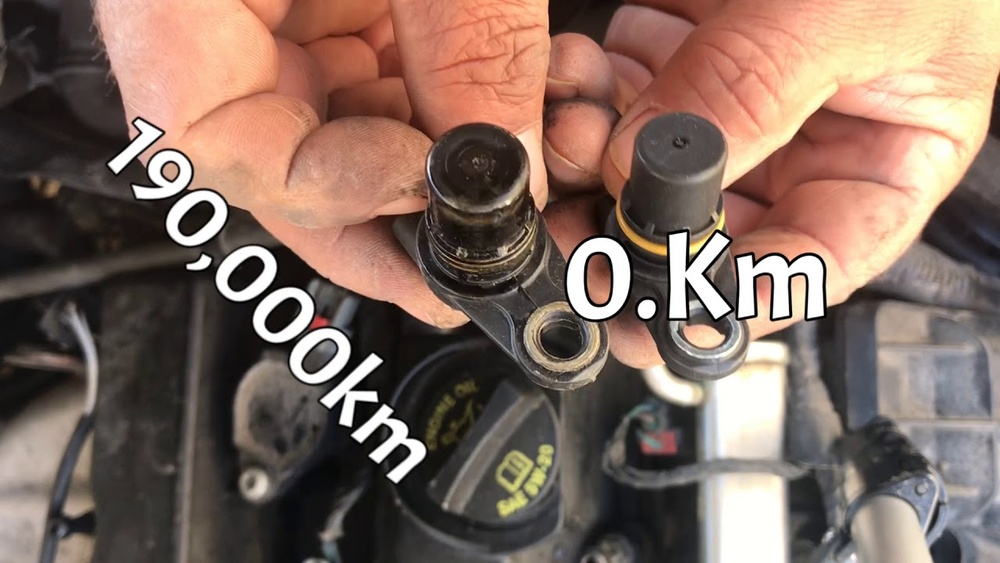
Symptoms Of P0340 Code
The P0340 code in Jeep vehicles signals a problem with the camshaft position sensor circuit. This sensor tells the engine’s computer about the camshaft’s position. It helps control fuel injection and ignition timing. When this sensor fails, the engine may show clear signs. Drivers notice these symptoms early. They are important clues to diagnose the issue before it worsens.
Extended Engine Cranking
One common symptom of the P0340 code is longer engine cranking times. The engine takes more time to start than usual. It may crank for several seconds before firing up. This happens because the sensor cannot send correct signals. The engine’s computer struggles to find the camshaft position. The delay in starting can be frustrating, especially in cold weather.
Engine Stalling And Misfires
The engine may stall or misfire while driving. Stalling occurs when the engine suddenly stops running. Misfires cause rough engine performance and loss of power. Both symptoms happen because the timing of fuel and spark is off. Without accurate camshaft data, the engine cannot run smoothly. This can also lead to poor fuel economy and increased emissions.
Check Engine Light Activation
The Check Engine Light (CEL) turns on when the P0340 code appears. This light alerts the driver to a problem with the camshaft sensor circuit. The vehicle’s computer stores the code to help with diagnosis. Ignoring the CEL can lead to more serious engine damage. It is a clear sign that the vehicle needs attention soon.
Common Causes Of P0340
The P0340 code indicates a problem with the camshaft position sensor circuit. This sensor plays a key role in engine timing and performance. Several common causes lead to this trouble code in Jeep vehicles. Identifying the root cause helps fix the issue quickly and avoid further damage.
Faulty Camshaft Position Sensor
The camshaft position sensor itself can fail over time. Heat, wear, or internal damage affects its ability to send accurate signals. A faulty sensor causes rough idling, stalling, and long cranking times. Replacing the sensor often resolves the P0340 code.
Damaged Wiring Or Connectors
Wiring and connectors linked to the sensor may become damaged or corroded. These wires run close to the exhaust and engine, exposing them to heat and vibration. Broken wires or loose connectors interrupt the sensor’s signal. Checking and repairing wiring fixes the problem.
Reluctor Wheel Issues
The reluctor wheel works with the camshaft sensor to track its position. If the wheel is cracked, worn, or misaligned, it sends false data. This causes the engine control unit to detect a circuit malfunction. Inspecting and replacing the reluctor wheel can clear the P0340 code.
Faulty Crankshaft Position Sensor
Though the code points to the camshaft sensor, the crankshaft sensor may also cause it. The two sensors work together to manage engine timing. A failing crankshaft sensor disrupts this balance and triggers the code. Testing both sensors ensures accurate diagnosis and repair.
Tools Needed For Diagnosis
Diagnosing the Jeep P0340 code requires the right tools. These tools help find the exact cause of the problem. Using proper equipment saves time and avoids guesswork. Each tool has a specific role during the diagnosis process. Understanding their use is key to a smooth repair.
Obd-ii Scanner
An OBD-II scanner reads trouble codes stored in the Jeep’s computer. It shows the P0340 code and other related codes. This tool gives a starting point for diagnosis. It also clears the code after repair to check if the problem is fixed. A basic or advanced scanner works fine.
Multimeter
A multimeter checks electrical signals and sensor voltage. It measures resistance, continuity, and voltage in the camshaft sensor circuit. This tool helps find wiring issues or sensor faults. Accurate readings prevent replacing good parts by mistake. A digital multimeter is easy to use and reliable.
Basic Hand Tools
Basic hand tools like screwdrivers, wrenches, and pliers are needed. They help remove sensor connectors and mountings. These tools allow access to the camshaft position sensor. Keeping tools organized speeds up the repair process. A simple set is enough for most Jeep repairs.
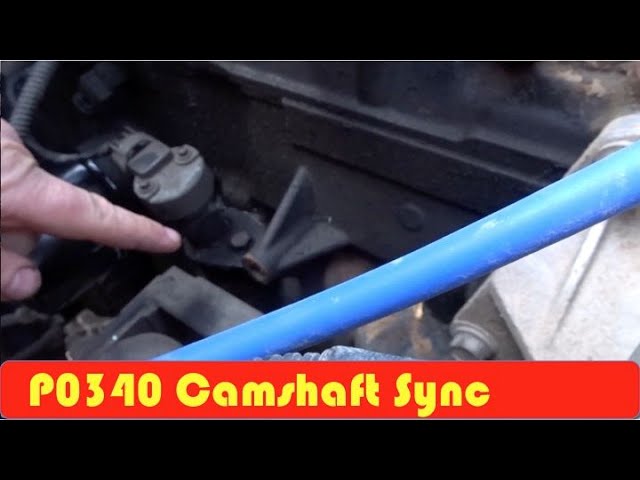
Step-by-step Diagnosis
Diagnosing the Jeep P0340 error code requires a clear and careful approach. This code signals a problem with the camshaft position sensor circuit. A step-by-step diagnosis helps find the exact cause. Each step narrows down potential issues. This guide breaks down the process into simple tasks. Follow each step to avoid missing important details.
Reading The Trouble Codes
Start by using an OBD-II scanner to read the error codes. This tool connects to the Jeep’s diagnostic port. It displays the P0340 code and any other related codes. Confirm that P0340 is active or stored. Clear the codes and run the engine again. This test checks if the code returns. Knowing the code status guides the next steps.
Visual Inspection Of Sensor And Wiring
Look closely at the camshaft sensor and its wiring. Check for cracked, broken, or frayed wires. Inspect connectors for corrosion or loose pins. Make sure the sensor is mounted correctly. Dirt or oil on the sensor can cause issues. Clean the sensor and connector if needed. Damaged wiring can cause false signals or no signal.
Testing The Camshaft Position Sensor
Test the sensor using a multimeter or oscilloscope. Measure the sensor’s resistance and compare it to the Jeep’s specs. Check the sensor’s voltage supply and ground connection. Spin the engine manually and watch the sensor’s output signal. A weak or no signal means the sensor is faulty. Replace the sensor if tests fail.
Checking The Reluctor Wheel
The reluctor wheel works with the camshaft sensor to send signals. Inspect it for damage or missing teeth. Dirt or metal shavings can affect the wheel’s function. Clean the wheel carefully. Check if it moves freely without wobbling. Any damage can disrupt the sensor signal. Replace the reluctor wheel if needed.
Verifying Crankshaft Sensor Function
The crankshaft sensor works closely with the camshaft sensor. Test its signal using a diagnostic tool. A faulty crankshaft sensor can cause P0340 errors. Check wiring and connectors for damage. Measure sensor resistance and output signals. Replace the crankshaft sensor if it shows faults. Proper function of both sensors ensures accurate timing.
Repair And Replacement Options
Addressing the Jeep P0340 code requires careful inspection and targeted repairs. This error signals a problem with the camshaft position sensor circuit. Several repair and replacement options exist to restore proper engine function. Each option targets a specific cause of this fault code. Understanding these solutions helps ensure accurate diagnosis and effective repairs.
Replacing The Camshaft Position Sensor
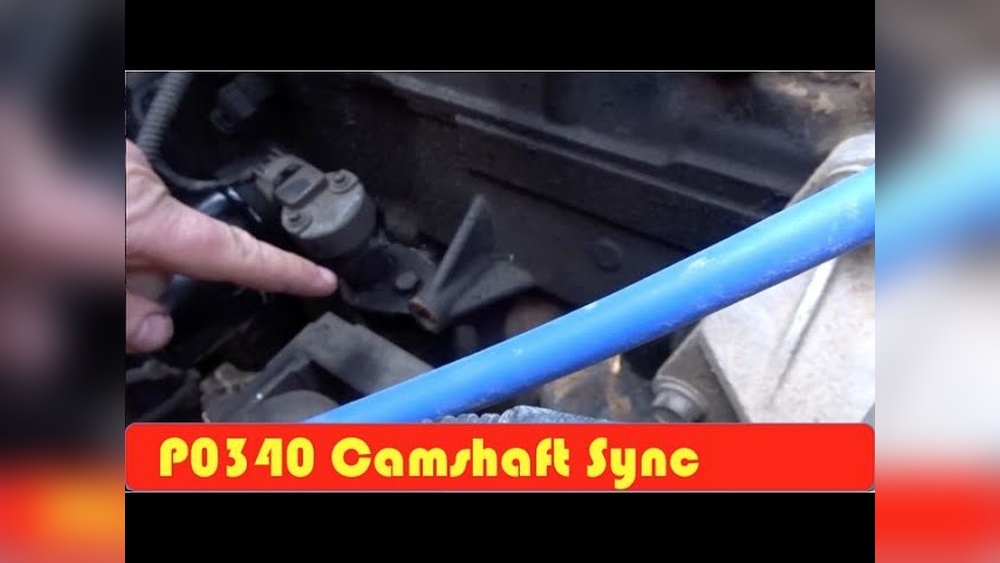
The camshaft position sensor often causes the P0340 code. Replacing this sensor is a common fix. First, disconnect the battery to ensure safety. Locate the sensor near the camshaft housing. Remove the electrical connector and mounting bolts. Install a new sensor and secure it properly. Reconnect the battery and clear the error code. This replacement often resolves starting and running issues.
Fixing Wiring And Connector Issues
Wiring damage or loose connectors can trigger the P0340 code. Inspect the wiring harness for cuts, burns, or corrosion. Check the connectors for tightness and cleanliness. Repair damaged wires with electrical tape or replace sections if needed. Clean connectors with electrical contact cleaner. Proper wiring ensures the sensor sends accurate signals. Fixing these issues restores communication between the sensor and engine computer.
Replacing Or Repairing The Reluctor Wheel
The reluctor wheel works with the camshaft sensor to detect position. Damage or wear on this wheel causes signal errors. Inspect the reluctor wheel for missing teeth or cracks. Replace the wheel if it shows visible damage. In some cases, cleaning the wheel removes debris causing poor sensor readings. Proper function of the reluctor wheel is essential for accurate timing signals.
Addressing Crankshaft Sensor Problems
The crankshaft position sensor affects camshaft sensor readings. A faulty crankshaft sensor can cause the P0340 code. Test the crankshaft sensor with a multimeter for proper resistance. Replace the sensor if it fails tests or shows damage. Ensure the sensor is securely mounted and its wiring intact. Fixing the crankshaft sensor eliminates timing errors and improves engine performance.
Cost Estimates For Repairs
Understanding the costs involved in repairing the Jeep P0340 code helps you plan your budget. This code often signals an issue with the camshaft position sensor or related parts. Repair costs vary depending on the parts needed and labor fees. Knowing these estimates lets you choose the best repair option for your Jeep.
Parts Cost
The camshaft position sensor itself usually costs between $50 and $150. Prices depend on the Jeep model and part brand. Sometimes, you may need to replace connectors or wiring, which can add $20 to $50. If the reluctor wheel or other components are damaged, expect higher costs. Genuine OEM parts tend to be pricier but last longer.
Labor Charges
Labor fees vary by location and shop. Average labor time for camshaft sensor replacement is one to two hours. Labor rates in the US typically range from $80 to $150 per hour. Some shops may charge more for diagnostics or additional repairs. Always ask for a clear estimate before work begins to avoid surprises.
Diy Vs Professional Service
DIY repair saves labor costs but requires tools and skills. Replacing the sensor yourself can cost under $200 total. However, incorrect installation might cause more damage or safety risks. Professional service ensures proper repair and warranty coverage. Choose DIY only if you have experience and confidence with car repairs.
Preventive Maintenance Tips
Preventive maintenance is key to avoiding Jeep P0340 error codes. This code often points to camshaft position sensor issues. Taking steps to maintain your Jeep helps keep sensors and wiring in good shape. Regular care can prevent costly repairs and engine problems.
Regular Sensor Inspections
Check the camshaft position sensor regularly. Look for signs of wear or damage. Clean the sensor gently to remove dirt and debris. Replace the sensor if it shows any cracks or corrosion. Proper sensor function prevents the P0340 error code.
Protecting Wiring From Heat Damage
Wiring near the engine gets very hot. Heat can damage wires and connectors. Use heat shields or wraps around wiring harnesses. Inspect wiring for melted insulation or cracks often. Secure loose wires to avoid rubbing and wear. Keeping wiring safe stops sensor circuit issues.
Keeping Engine Components Clean
Dirty engine parts affect sensor signals. Remove oil, dust, and grime from the engine bay. Use safe cleaners to avoid harming sensors or wiring. A clean engine helps sensors work correctly. It also improves overall engine performance and reliability.
Conclusion
The Jeep P0340 code points to a camshaft sensor issue. It can cause rough running, long cranks, or stalling. Fixing it quickly prevents further engine problems. Check the sensor, wiring, and connectors carefully. Sometimes, the camshaft reluctor may also need attention.
Understanding this code helps keep your Jeep running smoothly. Don’t ignore warning signs or delay repairs. Regular maintenance reduces the chance of this error. Stay safe and enjoy your Jeep’s performance.