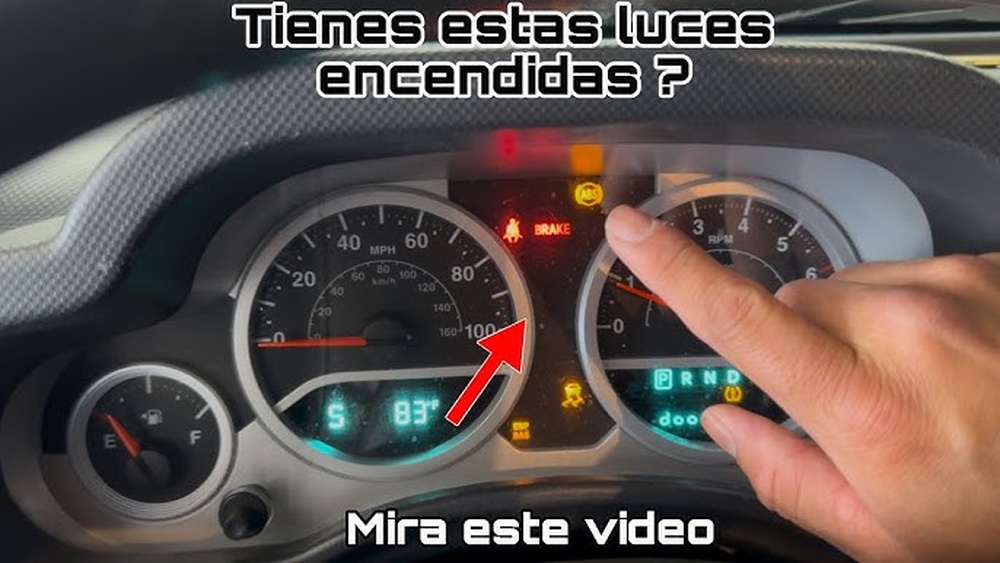
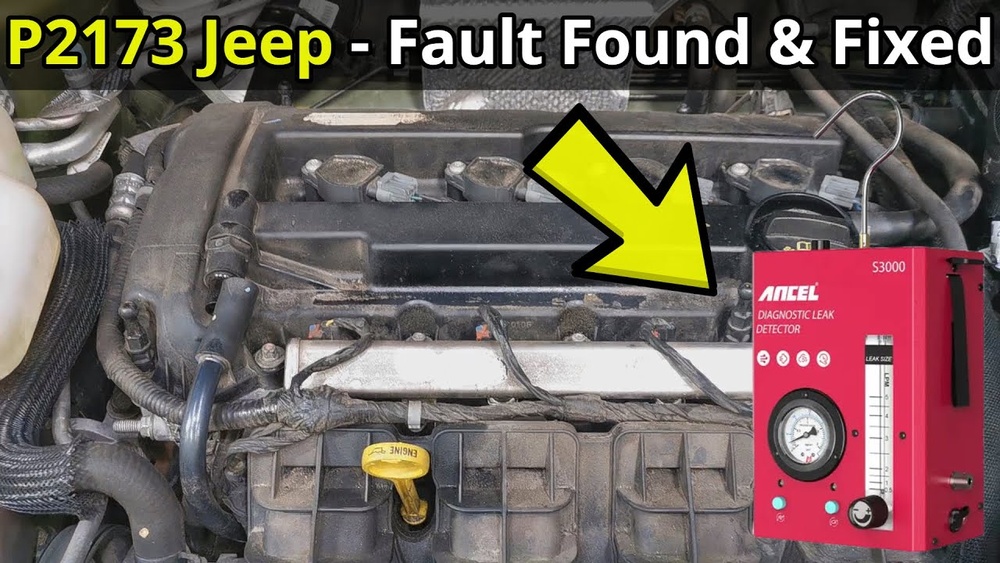
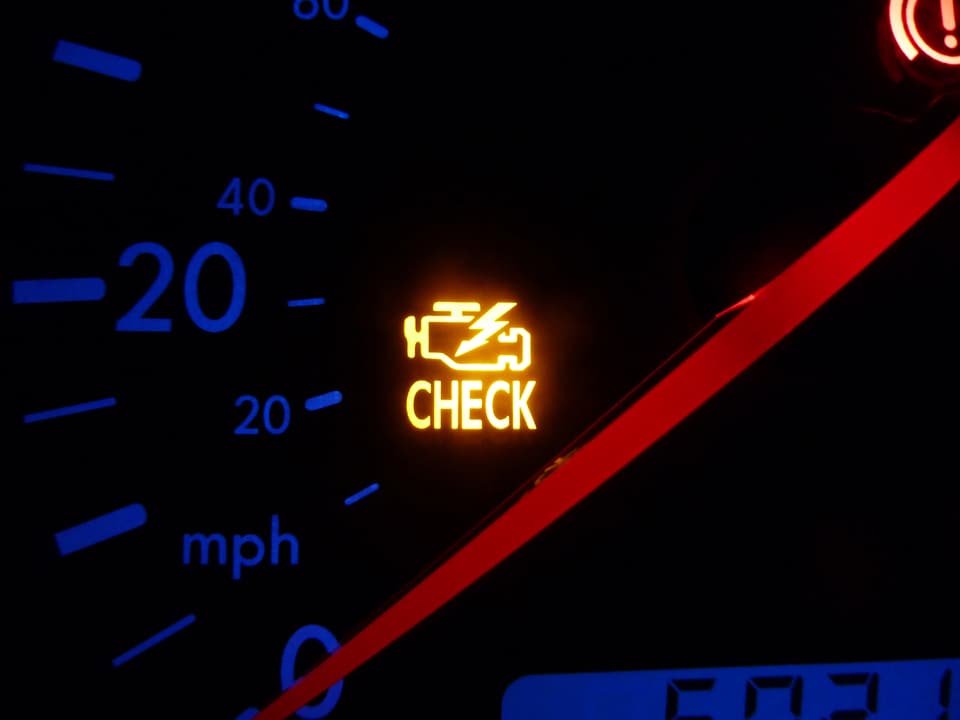
If you see your Jeep Grand Cherokee’s check engine light blinking, don’t ignore it. This flashing warning is trying to tell you something important about your vehicle’s health.
Unlike a steady light, a blinking check engine light often means your engine is misfiring—something that can cause serious damage if you keep driving. You might notice your Jeep running rough, shaking, or losing power, and there could even be a strong smell from the exhaust.
Knowing what this flashing light means and how to react can save you from costly repairs and keep you safe on the road. Keep reading to learn exactly what’s going on under your hood and what steps you should take right now.

Causes Of Blinking Check Engine Light
The blinking check engine light on your Jeep Grand Cherokee signals a serious problem. It means the engine or emission system faces an active fault. Ignoring this warning can cause expensive damage. Understanding the common causes helps you act quickly to protect your vehicle.
Engine Misfire
An engine misfire is the top reason for a blinking check engine light. It happens when fuel does not burn correctly in one or more cylinders. You may notice rough idling, shaking, or loss of power. Unburned fuel can harm the catalytic converter and exhaust system. Immediate attention is necessary to avoid costly repairs.
Fuel System Issues
Problems in the fuel system can trigger the blinking light. A clogged fuel injector or dirty fuel filter can stop the engine from getting enough fuel. Low fuel pressure also causes poor engine performance. These issues lead to incomplete combustion and engine misfires.
Ignition System Problems
The ignition system includes spark plugs, coils, and wires. Faulty spark plugs or bad ignition coils cause weak or no spark. This failure prevents fuel from igniting properly. The engine struggles and the check engine light blinks as a warning.
Sensor Malfunctions
Sensors monitor engine conditions and send data to the computer. A bad oxygen sensor or mass airflow sensor can send wrong signals. This causes poor fuel mixture and engine misfires. Sensor problems often trigger the blinking check engine light.
Battery And Electrical Faults
Electrical issues can also cause the check engine light to blink. A weak battery or bad alternator may cause voltage drops. Faulty wiring or loose connections disrupt engine control. These faults can lead to misfires or sensor errors, triggering the warning light.
Symptoms To Watch For
The blinking check engine light on your Jeep Grand Cherokee signals a serious problem. It warns that the engine is misfiring, which can cause damage if ignored. Recognizing key symptoms helps you act quickly to protect your vehicle. Here are the main signs to watch for.
Rough Idling And Shaking
Your Jeep may shake or vibrate strongly when idling. The engine might feel rough or uneven. This happens because some cylinders fail to fire properly. The misfire causes the engine to run poorly and creates noticeable shaking.
Loss Of Power
The vehicle may struggle to accelerate or lose power during driving. You might feel the Jeep hesitate or lag when pressing the gas pedal. This power loss results from incomplete combustion in the engine cylinders. It can make driving unsafe and difficult.
Unusual Exhaust Odors
A strong smell of fuel or rotten eggs can come from the exhaust pipe. This odor shows that unburned fuel is leaving the engine. It happens due to the misfire and can harm the catalytic converter if not fixed soon. Pay attention to any odd smells while driving.
Hesitation During Acceleration
Your Jeep may hesitate or stumble when you try to speed up. This delay in response is caused by the engine misfiring under load. The problem worsens if the blinking check engine light stays on. Hesitation can make merging or passing other cars dangerous.
Risks Of Ignoring The Warning
Ignoring a blinking check engine light on your Jeep Grand Cherokee can lead to serious problems. This warning signals an urgent issue that needs quick attention. Neglecting it puts your vehicle at risk for damage and costly repairs. Understanding these risks helps protect your Jeep and avoid unexpected breakdowns.
Catalytic Converter Damage
A blinking check engine light often means an engine misfire. This causes unburned fuel to enter the exhaust system. The fuel can overheat the catalytic converter. Over time, this damages the converter and lowers its efficiency. Replacing a catalytic converter is very expensive. Early repair can prevent this costly issue.
Increased Emissions
A misfiring engine produces more harmful emissions. This increases pollution from your Jeep Grand Cherokee. Higher emissions can cause your vehicle to fail emissions tests. It also harms the environment. Fixing the root cause reduces emissions and keeps your Jeep running clean.
Potential Engine Damage
Continuous misfires strain the engine parts. This can cause rough running and shaking. Over time, internal engine damage may occur. This reduces engine performance and lifespan. Addressing the blinking light early keeps the engine healthy and reliable.
Costly Repairs
Ignoring the blinking check engine light leads to bigger problems. Small fixes can turn into major repairs. Engine or exhaust system damage requires expensive parts and labor. Prompt attention saves money and avoids long repair times. Protect your budget by acting fast.
Immediate Steps To Take
A blinking check engine light in your Jeep Grand Cherokee signals a serious problem. Immediate action can protect your engine and avoid costly repairs. Follow these steps to handle the issue safely and smartly.
Safely Pull Over
Slow down and activate your hazard lights. Look for a safe spot to stop, away from traffic. Avoid sudden moves. This reduces risk to you and others.
Turn Off The Engine
Once stopped, switch off the engine. This prevents further damage to the engine and exhaust. Let the vehicle rest while you assess the situation.
Avoid Hard Acceleration
Do not press the gas pedal hard if you need to keep moving. Hard acceleration can worsen engine problems. Drive gently to minimize risk until you can stop safely.
Check For Obvious Issues
Look under the hood for loose wires or leaks. Check for unusual smells or smoke. These signs help identify the cause of the blinking light. Do not open the hood if you smell fuel strongly or see smoke.
Diagnosing The Problem
Diagnosing a blinking check engine light on your Jeep Grand Cherokee requires careful steps. This warning signals an engine misfire that can damage the catalytic converter. Acting fast helps avoid costly repairs and keeps your vehicle safe.
Start by identifying the exact cause. Use tools and simple inspections to check key engine parts. This process narrows down the problem and guides the right fix.
Using An Obd-ii Scanner
An OBD-II scanner reads trouble codes from your Jeep’s computer. Connect it to the vehicle’s diagnostic port, usually under the dashboard. The scanner shows codes that point to specific engine issues.
These codes help detect misfires, sensor failures, or other problems. Knowing the code makes repairs faster and more accurate. Many auto parts stores offer free scanning services.
Inspecting Spark Plugs And Wires
Faulty spark plugs or wires often cause engine misfires. Remove and check spark plugs for wear, carbon buildup, or damage. Replace any plugs that look worn or cracked.
Check spark plug wires for cracks, burns, or loose connections. Damaged wires can stop sparks from reaching the engine cylinders. Fixing these parts can clear the blinking light.
Testing Fuel Injectors
Fuel injectors deliver fuel into the engine cylinders. Dirty or clogged injectors cause poor engine performance and misfires. Use a mechanic’s stethoscope or listen closely for injector clicks.
Cleaning or replacing faulty injectors restores fuel flow. This step often stops the blinking check engine light. Fuel issues must be addressed quickly to protect the engine.
Checking Battery And Alternator
A weak battery or failing alternator can trigger warning lights. Test the battery voltage with a multimeter. Healthy batteries show around 12.6 volts when off.
Run the engine and check alternator output; it should read 13.5 to 14.5 volts. Low voltage causes electrical faults that may cause the engine light to flash. Replace any failing parts to maintain proper power.
Diy Fixes And Maintenance Tips
When the check engine light blinks on your Jeep Grand Cherokee, it signals a serious engine problem. This warning means the engine is misfiring, which can damage parts like the catalytic converter. Many fixes require a mechanic, but some simple tasks you can do at home help maintain your vehicle. These DIY tips improve performance and may stop the light from blinking.
Replacing Spark Plugs
Faulty spark plugs often cause engine misfires. Old or worn plugs fail to ignite fuel properly. Remove the old plugs with a spark plug socket. Check the gap and replace them with new ones made for your Jeep model. Proper spark plugs improve combustion and reduce engine shaking. Regular replacement keeps your engine running smoothly.
Cleaning Fuel Injectors
Dirty fuel injectors can block fuel flow and cause misfires. You can clean injectors using special fuel injector cleaner added to your gas tank. For deeper cleaning, remove injectors and soak them in a cleaning solution. Clean injectors spray fuel evenly, improving engine performance. This helps prevent the check engine light from blinking.
Checking And Replacing Sensors
Sensors like the oxygen sensor and mass airflow sensor control engine functions. Faulty sensors send wrong data to the engine computer. Use an OBD-II scanner to find sensor errors. Replace damaged sensors with OEM parts for best results. Healthy sensors ensure efficient fuel use and reduce engine problems.
Battery Maintenance
A weak or dying battery can cause electrical issues, including a blinking check engine light. Test your battery with a multimeter or battery tester. Clean the battery terminals to remove corrosion. Tighten loose connections to ensure steady power flow. Replace the battery if voltage is low or it fails tests. Good battery health supports all engine systems properly.
When To Seek Professional Help
The blinking check engine light on your Jeep Grand Cherokee signals urgent attention. It means the engine control unit has found a problem that could harm your vehicle. Not all issues require a mechanic, but some situations demand professional help. Knowing when to visit a shop can save you from costly repairs and breakdowns.
Persistent Or Recurring Issues
If the check engine light keeps flashing or comes back after you reset it, do not ignore it. Persistent issues suggest a deeper engine or sensor problem. A trained technician can perform a full inspection and fix the root cause.
Complex Diagnostic Codes
Some engine problems trigger complex codes that home scanners cannot read. These codes often relate to fuel systems, ignition, or emissions controls. Professionals have advanced tools to decode these signals and choose the right repair steps.
Engine Performance Problems
Notice rough idling, stalling, or loss of power alongside the blinking light? These symptoms point to serious engine trouble. A mechanic can test engine components and tune your Jeep to restore smooth performance.
Aftermarket Modifications
Modifications like new exhausts or chips may cause check engine lights to blink. They can interfere with sensors or engine settings. A professional experienced with Jeep Grand Cherokees can ensure modifications work safely without triggering warnings.

Preventing Future Issues
Preventing future issues with your Jeep Grand Cherokee’s blinking check engine light helps save money and time. Regular care keeps your engine healthy and avoids sudden breakdowns. Simple habits protect your vehicle and improve its performance.
Regular Maintenance Schedule
Follow the manufacturer’s recommended service intervals. Change oil, filters, and spark plugs on time. Inspect belts, hoses, and fluids regularly. Scheduled check-ups catch problems early before they become serious. Keep records of all maintenance for reference.
Using Quality Fuel
Choose fuel with the right octane rating for your Jeep. Avoid cheap or contaminated gas that can harm the engine. Clean fuel burns better and reduces deposits in the system. Good fuel helps prevent misfires and keeps the check engine light off.
Monitoring Engine Performance
Pay attention to how your Jeep runs daily. Notice any rough idling, loss of power, or strange noises. Use an OBD-II scanner to check for hidden trouble codes. Early detection of issues prevents engine damage and flashing lights.
Promptly Addressing Warning Lights
Do not ignore the check engine light, especially if it blinks. A blinking light signals a serious problem that needs immediate attention. Visit a trusted mechanic to diagnose and fix the issue quickly. Timely repairs protect your Jeep from costly damage.
Conclusion
A blinking check engine light in your Jeep Grand Cherokee signals a serious issue. It means the engine is misfiring and can cause damage quickly. Stop driving as soon as it is safe to do so. Turn off the engine to avoid costly repairs.
Have a trusted mechanic check your vehicle right away. Acting fast protects your Jeep and keeps you safe on the road. Don’t ignore the warning—address the problem promptly for peace of mind.