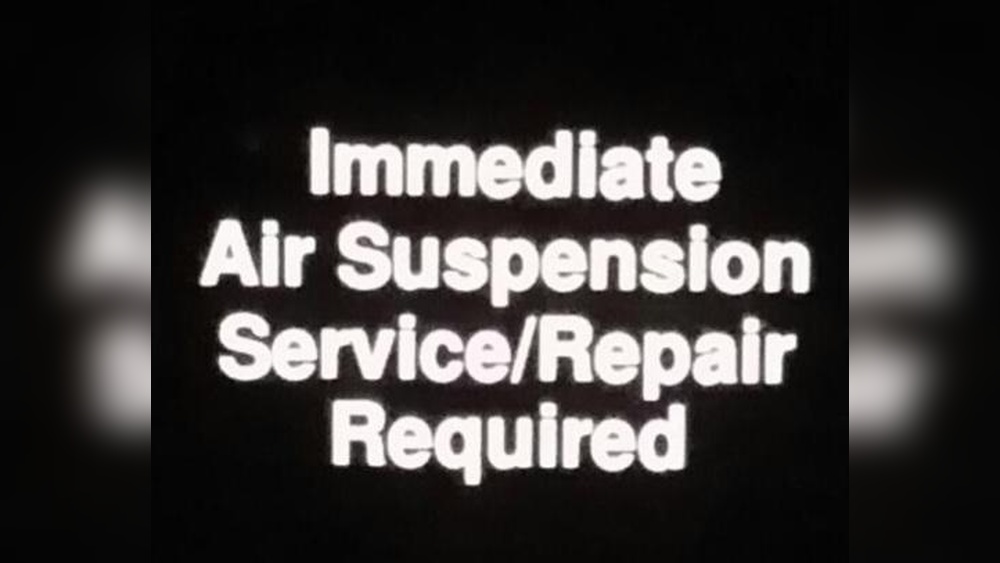
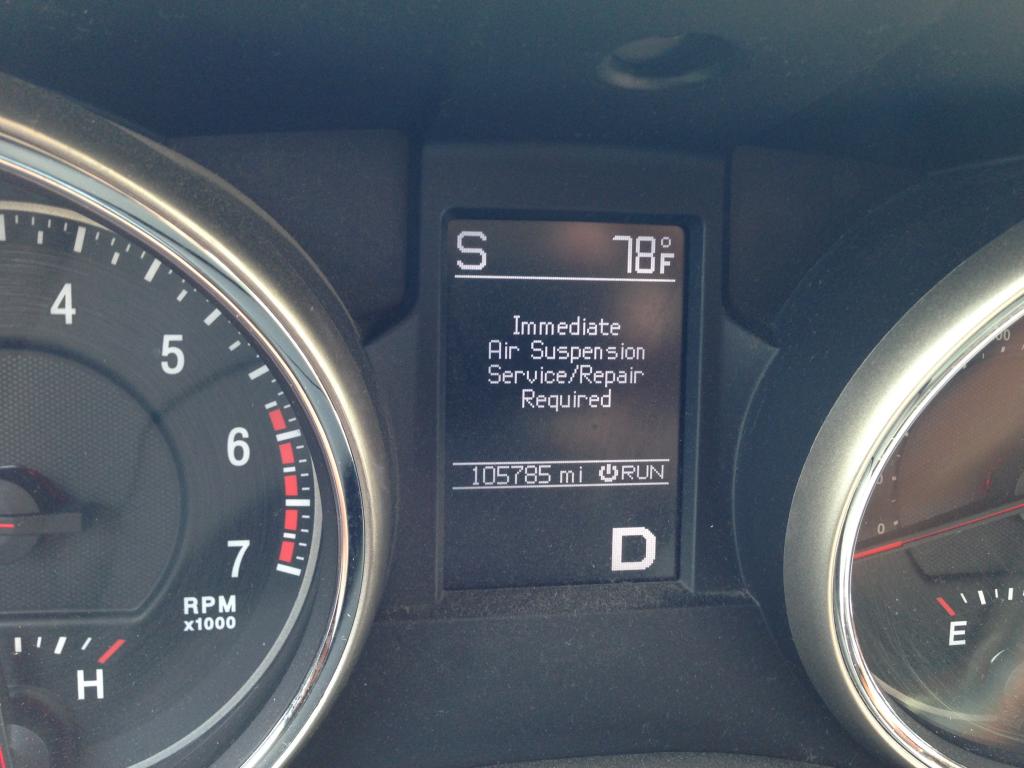
If you’re seeing the “Immediate Air Suspension Service Required” warning on your Jeep Grand Cherokee, it’s a sign you can’t afford to ignore. Your vehicle’s air suspension system plays a crucial role in delivering a smooth ride and handling tough terrain.
When it starts acting up, you might notice a rougher drive, uneven ride height, or strange noises. But what exactly causes this alert, and what should you do next? You’ll discover the common reasons behind air suspension failures, how to spot the warning signs early, and the steps you need to take to protect your Jeep—and your wallet.
Keep reading to make sure your Grand Cherokee stays safe and comfortable on every journey.

Air Suspension System Basics
The air suspension system in the Jeep Grand Cherokee offers a smooth, comfortable ride. It replaces traditional springs with air springs or bags. These bags fill with air to adjust the vehicle’s height and firmness. The system adapts to road conditions and load changes automatically.
Maintaining the air suspension is vital for safety and performance. A failure can cause the Jeep to sag or handle poorly. Understanding the basics helps you spot problems early and seek repairs fast.
How Quadra-lift Works
The Quadra-Lift system uses sensors and a compressor to control air springs. It adjusts the height in four modes: Normal, Off-Road, Park, and Aero. Each mode changes the ride height for better comfort or clearance.
The compressor pumps air into the bags, increasing pressure and raising the vehicle. When pressure lowers, the Jeep drops closer to the ground. The system balances air automatically to keep the ride smooth.
Common Warning Indicators
The Jeep shows warnings if the air suspension has issues. The “Service Air Suspension System” alert means the system needs attention. It may indicate leaks, compressor failure, or sensor faults.
Other signs include uneven ride height, noisy compressor, or a rough ride. The Jeep might sag on one side or fail to adjust height. Early warning signs prevent bigger damage and costly repairs.
Typical Causes Of Air Suspension Issues
The air suspension system in the Jeep Grand Cherokee offers a smooth and controlled ride. Problems with this system can cause discomfort and unsafe driving conditions. Understanding the typical causes of air suspension issues helps in quick diagnosis and repair. Common faults include leaks, compressor problems, and sensor errors. These faults often trigger the “Immediate Air Suspension Service Required” warning on your dashboard. Timely attention to these causes can prevent further damage and costly repairs.
Air Leaks In Springs And Lines
Air leaks are the most frequent cause of suspension problems. Rubber air springs can develop cracks over time. Air lines might get punctured or disconnected. Plastic valve fittings on top of the shocks may also fail. These leaks cause the system to lose pressure. Low pressure leads to uneven ride height and poor handling. Detecting leaks early helps maintain the system’s proper function.
Compressor Failures
The air compressor maintains air pressure in the suspension system. If leaks exist, the compressor works harder to keep the ride level. Overworking causes it to overheat and fail. A faulty compressor cannot pump enough air. This failure triggers warning messages on the Jeep’s display. Replacing or repairing the compressor restores system pressure and ride comfort.
Sensor And Valve Block Faults
Sensors monitor ride height and system pressure. Faulty sensors send incorrect data to the control unit. Valve blocks control airflow to each air spring. Block faults can disrupt air distribution. These issues cause the suspension system to malfunction. Proper sensor and valve block operation is essential for stable ride height. Diagnosing sensor and valve faults requires specialized tools and expertise.
Diagnosing Air Suspension Problems
Diagnosing air suspension problems in a Jeep Grand Cherokee requires careful attention. This system relies on multiple components working together. Faults often cause the “Service Air Suspension System” warning. Identifying the root cause quickly helps prevent further damage. The following steps provide simple ways to check the system’s health.
Listening For Compressor Activity
Start the engine and listen near the passenger-side rear wheel well. The air suspension compressor should run briefly to adjust pressure. If no sound comes from the compressor, it may have failed or the relay could be faulty. A silent compressor means no air is pumped into the suspension. This often leads to a sagging or uneven ride height.
Checking For Pressure Drops
Set the Jeep in high mode and leave it overnight. Check if the vehicle sinks down by morning. A drop in height indicates air is leaking from the system. The Quadra-Lift system detects pressure drops and triggers warnings. Low pressure can cause poor handling and damage suspension parts. Monitoring pressure helps spot leaks before the compressor burns out.
Inspecting Air Valves And Fittings
Examine rubber air springs and plastic valve fittings on top of shocks. Look for cracks, holes, or loose connections. Air leaks here are common causes of suspension failure. Also check air lines for damage or disconnections. Tighten or replace faulty fittings to restore proper sealing. Small leaks often cause the compressor to overwork and fail.
Diy Fixes And Troubleshooting
DIY fixes and troubleshooting can help you handle air suspension issues on your Jeep Grand Cherokee. These steps allow you to check common problems and perform simple repairs. You can save time and avoid costly visits to the mechanic. Follow the guides below for practical solutions to common air suspension faults.
Setting Jeep In High Mode Overnight
Start by setting your Jeep to high mode before parking. This keeps the suspension inflated all night. Check the next morning for any drop in height. If the Jeep sinks down, it confirms an air leak. This test isolates the problem and helps you plan repairs. Remember, this is a simple step anyone can do at home.
Identifying And Repairing Leaks
Leaks are the top cause of air suspension failure. Inspect the rubber air springs for cracks or holes. Examine air lines and valve fittings for damage or looseness. Use soapy water on these parts and watch for bubbles. Bubbles mean air is escaping. Small leaks can be patched with a special air spring repair kit. Replace parts that are badly damaged to restore proper function.
Resetting The Air Suspension System
Resetting the system can clear error messages and restore normal operation. Turn the ignition to the on position without starting the engine. Press and hold the height control switch in the lowest position for about 10 seconds. Release the switch and wait for the system to recalibrate. Drive the Jeep slowly for a few minutes to finish the reset. This method often fixes sensor faults and recalibrates the suspension height.
When To Seek Professional Service
Knowing when to seek professional service for your Jeep Grand Cherokee’s air suspension is key. Ignoring problems can cause bigger damage and higher repair costs. Timely action keeps your vehicle safe and comfortable. Watch for clear signs that need expert attention.
Understanding the symptoms and repair options helps you make smart decisions. Professional technicians can diagnose and fix issues accurately. They also offer useful services like nitrogen filling to extend system life.
Signs Of Compressor Burnout
The compressor is the heart of the air suspension system. Listen for unusual noises or silence from the compressor near the rear wheel. If the pump runs constantly or does not start, burnout is likely. Your Jeep may sag or fail to adjust height properly. Warning lights or error messages also indicate compressor issues. Prompt service avoids total system failure.
Cost Considerations For Repairs
Repair costs depend on the problem’s severity. Fixing air leaks is usually less expensive than replacing a burnt-out compressor. Labor charges vary by location and shop. Always ask for an estimate before repair. Regular maintenance can prevent costly breakdowns. Investing in quality parts ensures longer system life and fewer future repairs.
Benefits Of Nitrogen Filling
Nitrogen filling improves the air suspension system’s performance. Nitrogen gas is more stable and reduces moisture inside air springs. This lowers corrosion risk and prevents leaks. It also keeps pressure steady in changing temperatures. Professional shops use nitrogen to keep your suspension reliable. This small step extends the life of your Jeep’s air suspension.
Preventive Maintenance Tips
Maintaining the air suspension system of your Jeep Grand Cherokee is key to avoiding costly repairs. Preventive maintenance helps catch issues before they turn serious. Simple, regular care keeps the system working smoothly and extends its life.
These tips focus on inspection, protection from weather, and keeping air springs and parts in top shape. Follow these steps to reduce the chance of sudden failures and enjoy a safer ride.
Regular System Inspections
Check the air suspension system at least every few months. Look for visible damage or cracks on air springs. Listen for unusual noises from the compressor or valves. Verify that the ride height matches the settings on the control panel. Early detection of leaks or worn parts saves money and prevents breakdowns.
Protecting Against Temperature Effects
Cold weather can cause pressure drops in the air suspension system. Keep your Jeep parked in a garage or shaded area to avoid extreme temperature swings. Inspect the system more often in winter months. Warm the vehicle before driving on very cold days to help maintain proper pressure. These actions reduce stress on the compressor and air lines.
Maintaining Air Springs And Components
Clean air springs and related parts regularly to remove dirt and debris. Use mild soap and water, avoiding harsh chemicals that may damage rubber. Check air lines for cracks or loose fittings. Replace worn or damaged components quickly. Proper care prevents leaks and keeps the suspension system reliable over time.
Conclusion
A “Service Air Suspension Immediately” warning signals a serious issue. Ignoring it may cause more damage and costly repairs. Check for leaks, compressor noise, or sensor problems promptly. Addressing these problems early helps keep your Jeep Grand Cherokee safe and comfortable.
Regular maintenance prevents sudden failures and extends suspension life. Stay alert to warning signs and act quickly for best results. Your Jeep deserves proper care to perform at its best every day.