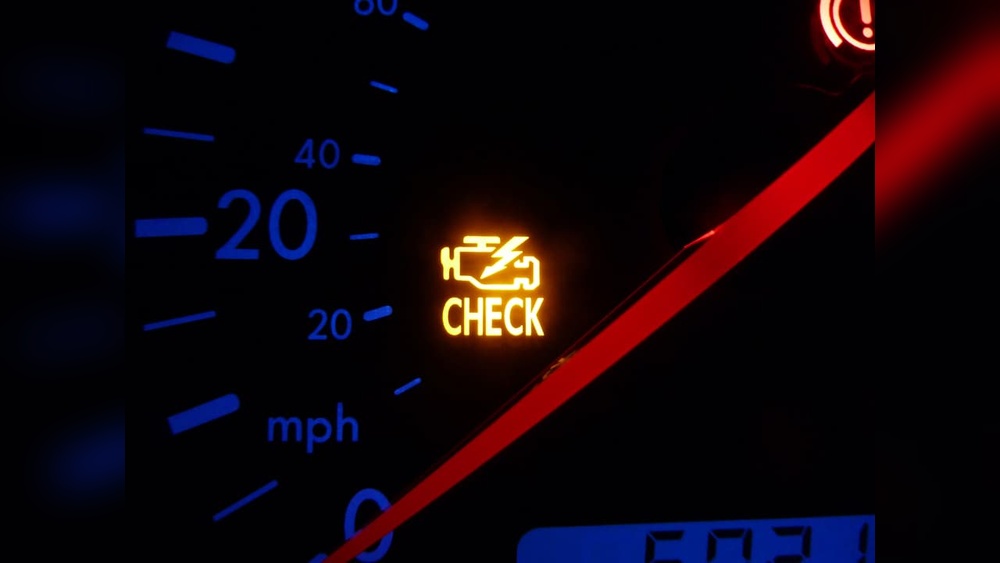
If you’ve seen the C102A Jeep code pop up on your dashboard, you’re probably wondering what it means and how it affects your ride. This code signals an issue with your Jeep’s left rear wheel speed sensor, which can cause problems with your ABS and traction control systems.
Ignoring it isn’t a good idea—it can compromise your vehicle’s safety features and your driving experience. You’ll learn exactly what triggers the C102A code, how to spot the warning signs, and the simple steps you can take to fix it.
Keep reading to get your Jeep back to smooth, safe driving in no time.
Jeep C102a Code Basics
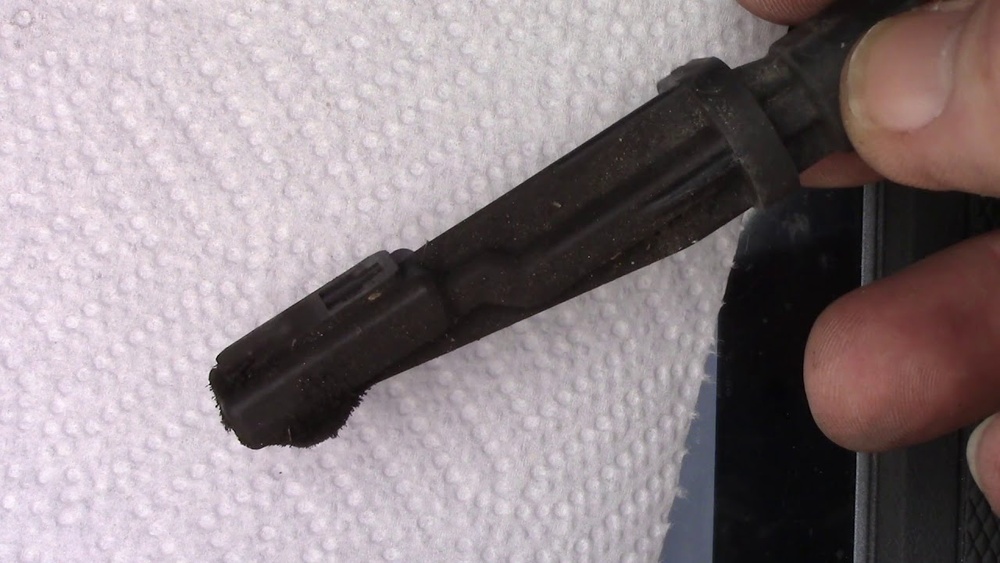
The Jeep C102A code points to a problem with the left rear wheel speed sensor. This sensor helps the vehicle’s ABS and traction control systems work correctly. Detecting faults early can prevent bigger issues. Understanding the basics of this code helps Jeep owners act fast and keep their vehicle safe.
What Triggers C102a Code
The C102A code appears when the left rear wheel speed sensor sends a weak or no signal. Dirt, damage, or corrosion can cause this failure. Wiring issues like breaks or loose connections also trigger the code. A damaged tone wheel, the ring the sensor reads, may cause errors too. The vehicle’s computer detects these problems and stores the code.
Symptoms To Watch For
Several signs show the C102A code is active. The ABS and traction control warning lights turn on. The cruise control may stop working unexpectedly. Drivers might feel false ABS activation or pulsating brakes on the rear left wheel. These symptoms affect vehicle stability and safety, especially in wet or slippery conditions.
Common Causes
The C102A Jeep code signals trouble with the left rear wheel speed sensor. Several issues can trigger this error. Identifying the exact cause helps fix the problem quickly. Common causes include sensor faults, wiring troubles, and tone wheel damage. Understanding these can save time and money on repairs.
Left Rear Wheel Speed Sensor Issues
The left rear wheel speed sensor often fails due to dirt or wear. Sensors can get clogged by road grime or brake dust. A faulty sensor sends incorrect signals to the ABS system. This causes warning lights and traction control problems. Replacing a bad sensor usually resolves these issues fast.
Wiring Problems
Wiring to the sensor can suffer from damage or corrosion. Wires may break from road debris or rust over time. Loose or disconnected wires stop the sensor from working. Faulty wiring causes intermittent or no signal at all. Checking and repairing the wiring harness restores proper function.
Tone Wheel Damage
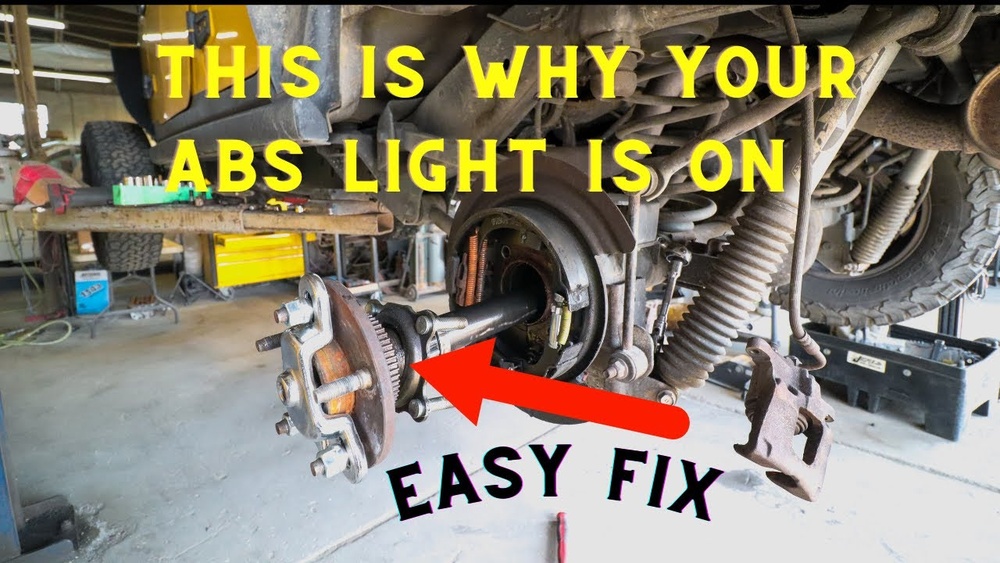
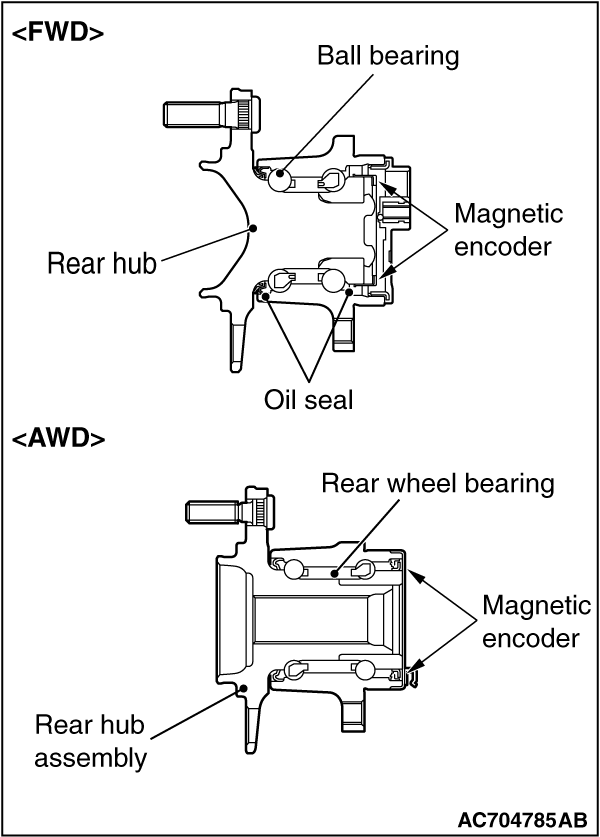
The tone wheel works with the sensor to detect wheel speed. It is a notched ring attached to the wheel hub. Damage or debris on the tone wheel blocks sensor signals. Cracks, dents, or rust on the tone wheel cause errors. Cleaning or replacing the tone wheel fixes the sensor readings.
Diagnosing The Problem
Diagnosing the C102A Jeep code requires a careful and step-by-step approach. This code often points to an issue with the left rear wheel speed sensor or its related components. Identifying the root cause early helps prevent further damage and ensures safety. Follow these key steps to find the problem.
Visual Inspection Tips
Start by looking at the left rear wheel area. Check the sensor for dirt, damage, or corrosion. Inspect the tone ring for cracks or missing teeth. Look for signs of debris stuck between the sensor and the tone ring. Examine the wheel hub and surrounding parts for rust or wear. A clean and intact sensor area is crucial for accurate readings.
Testing The Wheel Speed Sensor
Use a multimeter to test the sensor’s resistance. Disconnect the sensor and measure its ohm value. A reading outside the manufacturer’s range signals a bad sensor. Spin the wheel slowly and observe if the sensor produces a voltage signal. No voltage or an inconsistent signal means the sensor might be faulty. This test confirms whether the sensor needs replacement.
Checking Wiring And Connections
Inspect the wiring harness connected to the sensor. Look for cuts, frays, or pinched wires. Check connectors for corrosion or loose pins. Make sure all plugs fit tightly and securely. Wiggle the wires gently to see if any connection breaks. Faulty wiring or bad connections often cause intermittent sensor signals or error codes.
Step-by-step Fixes
Fixing the C102A Jeep code requires clear, simple steps. The problem often lies in the wheel speed sensor system. Following precise actions helps restore your Jeep’s safety features. Each fix targets a common cause of this error. Use this guide to approach repairs with confidence and care.
Replacing The Wheel Speed Sensor
Start by locating the faulty wheel speed sensor on the left rear wheel. Disconnect the sensor’s electrical connector carefully. Remove the bolts holding the sensor in place. Pull the sensor out gently to avoid damage. Install the new sensor by reversing these steps. Ensure the connector clicks securely. Test drive to confirm the ABS light turns off.
Repairing Or Replacing Wiring
Inspect the wiring harness connected to the wheel speed sensor. Look for broken wires, corrosion, or loose connections. Use a multimeter to check for electrical continuity. Repair damaged wires by soldering or using electrical tape. Replace the entire wiring harness if damage is extensive. Secure all connections tightly to avoid future issues. Check the system again after repairs.
Cleaning Or Replacing The Tone Ring
The tone ring works with the sensor to measure wheel speed. Dirt or debris on the ring can cause errors. Remove the wheel and brake assembly to access the tone ring. Clean the ring gently using a soft brush and brake cleaner. Inspect the ring for cracks or missing teeth. Replace the tone ring if damaged. Reassemble all parts and test the ABS system.
Additional Checks
After addressing the primary causes of the C102A Jeep code, some additional checks help ensure the issue does not return. These checks focus on parts that can affect wheel speed sensor readings and system performance. Simple adjustments often solve lingering problems and improve vehicle safety.
Tire Pressure And Size Matching
Check the tire pressure on all wheels carefully. Uneven tire pressure changes wheel speed readings. The system may mistake this for a sensor fault. Inflate tires to the manufacturer’s recommended PSI.
Also, confirm that tires on the same axle are the same size. Different tire sizes cause uneven rotation speeds. This difference can trigger the C102A code. Matching tires help the ABS and traction control work correctly.
Resetting Abs And Traction Control Systems
Resetting the ABS and traction control systems can clear stored errors after repairs. This step allows the system to relearn normal sensor signals. Use an OBD-II scanner to perform the reset. Turn the ignition off, then back on after resetting.
If no scanner is available, disconnect the battery for a few minutes. This action can also reset the control modules. Drive the vehicle afterward to let the system calibrate. This process often stops false warnings and improves system function.
Driving With C102a Code
The C102A code points to a problem with the left rear wheel speed sensor on your Jeep. This sensor helps the vehicle monitor wheel speed for safety systems. Driving with this code means some safety features may not work properly. Understanding how this affects your drive is important for safety and control.
Safety Considerations
The C102A code can cause the ABS and traction control to stop working. These systems help prevent skidding and loss of control. Without them, braking distances can increase, especially on wet or slippery roads. Drive cautiously and keep a safe distance from other vehicles. Avoid hard braking and sharp turns. Plan your trips with care until the issue is fixed.
Impact On Cruise Control And Abs
The left rear wheel speed sensor failure disables cruise control. The system relies on accurate wheel speed data to maintain speed safely. Also, the ABS may not function, increasing the risk of wheel lock during braking. This can lead to reduced steering control. Pay close attention to road conditions and your vehicle’s response. Repair the sensor to restore full function and safety features.
Preventive Maintenance
Preventive maintenance helps avoid the C102A Jeep code and keeps your vehicle safe. Regular care of sensors and components reduces the chance of sudden failures. Small checks can save time and money in the long run. Staying ahead means better performance and fewer warning lights on the dashboard.
Regular Sensor And Wiring Inspections
Check wheel speed sensors often for dirt or damage. Look for cracks or corrosion on the wiring harness. Loose or broken wires can cause signal loss and trigger the C102A code. Clean connectors gently and ensure they fit tightly. Replace worn sensors before they fail completely. These simple steps keep the ABS system working smoothly.
Keeping The Tone Ring Clean
The tone ring works with the sensor to read wheel speed. Dirt, rust, or debris can block signals and cause errors. Use a soft brush or cloth to clean the ring carefully. Avoid harsh chemicals that may damage the metal. Inspect for cracks or missing teeth on the ring. Keeping it clean ensures accurate readings and prevents false warnings.

Conclusion
The C102A Jeep code points to issues with the left rear wheel speed sensor. This can cause ABS and traction control lights to turn on. It may also affect cruise control and cause unusual braking behavior. Simple checks like tire pressure and sensor wiring can help.
Fixing the sensor or cleaning the tone wheel often solves the problem. Staying aware of these signs keeps your Jeep safe and reliable. Regular maintenance prevents unexpected faults and costly repairs. Keep your Jeep in top shape by addressing this code promptly.