If you’ve ever seen that stubborn tire pressure warning light pop up on your Jeep Renegade’s dashboard, you know how frustrating it can be. It’s designed to keep you safe by alerting you when your tires need attention, but sometimes the light just won’t turn off—even after you’ve checked your tires.
What if you could reset the TPMS yourself and get back on the road with confidence? In this guide, you’ll learn exactly how to reset the TPMS on your Jeep Renegade quickly and easily. No confusing jargon or complicated steps—just clear, straightforward instructions that anyone can follow.
Keep reading, and you’ll never have to worry about that warning light catching you off guard again.

Tpms Basics On Jeep Renegade
The Tire Pressure Monitoring System (TPMS) is a key safety feature in your Jeep Renegade. It helps keep your tires at the right pressure. Proper tire pressure improves fuel efficiency and vehicle handling. It also reduces the risk of tire blowouts.
Understanding how TPMS works can help you respond quickly to warnings. This knowledge ensures your Jeep stays safe on the road. Below, we explain what TPMS does and the common signs it shows when there is a problem.
What Tpms Does
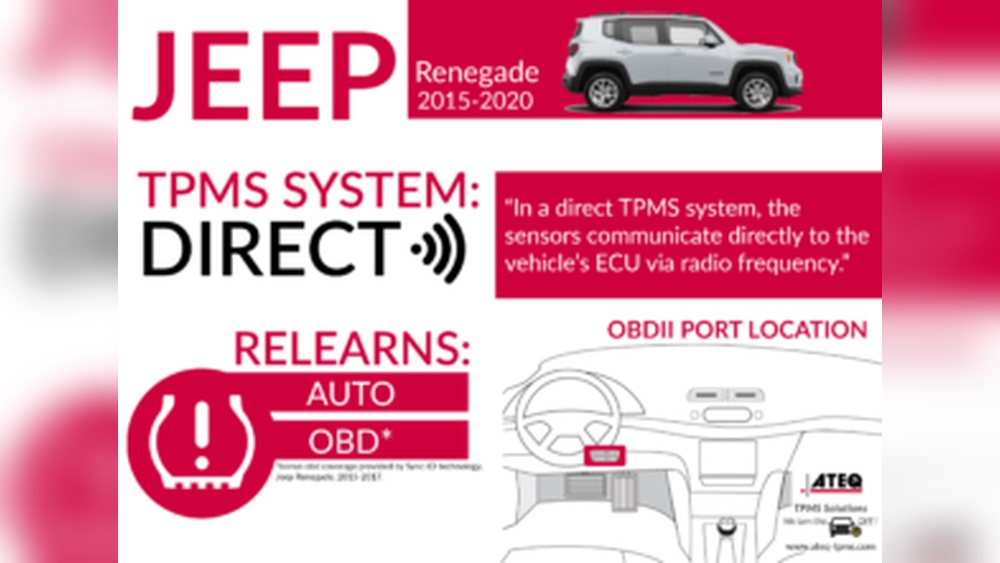
TPMS tracks the air pressure inside each tire. It uses sensors mounted on the wheels. These sensors send data to your vehicle’s computer. If the pressure drops below a safe level, the system alerts you.
The alert comes as a light on your dashboard. This warning helps prevent unsafe driving conditions. It allows you to fix low tire pressure before it causes damage.
Common Tpms Warning Signs
The most common sign is the TPMS warning light on the dashboard. This light looks like an exclamation mark inside a horseshoe shape. It turns on when one or more tires are underinflated.
You might also hear a chime along with the light. The warning can appear after hitting a pothole or driving on rough roads. Sometimes, the light stays on if a sensor fails or the battery dies.
Ignoring these warnings can lead to poor handling and increased tire wear. Regular checks and timely resets keep your Jeep Renegade running smoothly.

Preparing To Reset Tpms
Preparing to reset the Tire Pressure Monitoring System (TPMS) on your Jeep Renegade is an important first step. This ensures the system will correctly detect the right tire pressures after the reset. Proper preparation helps avoid repeated warning lights and keeps your driving safe.
Before starting the reset process, you need to verify your tires are inflated to the recommended levels. Also, gather any tools that may help with the reset. These steps make the reset quick and effective.
Check Tire Pressures
Begin by checking each tire’s pressure using a reliable gauge. The correct pressure is usually listed on a sticker inside the driver’s door frame. Inflate or deflate the tires until they match the recommended pressure exactly. Uneven pressures can cause the TPMS light to stay on or reset incorrectly.
Do not forget to check the spare tire if your Jeep Renegade has a full-size spare. Some models include a sensor on the spare tire that can trigger warnings if it is underinflated.
Tools Needed For Reset
You may need a few simple tools to reset the TPMS on your Jeep Renegade. A tire pressure gauge is essential to check and adjust pressures accurately. A portable air compressor or a manual pump helps fill tires if needed.
In some cases, a TPMS reset tool or scan tool can speed up the process. These devices communicate with the sensors to clear warnings and relearn pressures. However, many Jeep Renegade models allow a manual reset without extra tools.
Resetting Tpms Manually
Resetting the Tire Pressure Monitoring System (TPMS) manually on a Jeep Renegade is simple and does not require special tools. This process helps clear the TPMS warning light after correcting tire pressures. It is useful after adjusting tire pressure or changing tires. Follow the steps carefully to ensure the system resets properly.
The TPMS reset button is usually found beneath the steering wheel. Look near the lower dashboard or around the fuse box area. It is a small, round button often labeled “TPMS” or with a tire icon. Consult your Jeep Renegade owner’s manual if you cannot find the button. Knowing its exact location speeds up the reset process.
Step-by-step Reset Process
- Turn the ignition to the “ON” position without starting the engine.
- Press and hold the TPMS reset button until the TPMS light blinks slowly three times.
- Release the button and wait for the light to stop blinking.
- Drive the vehicle at speeds above 20 mph for about 10 minutes to complete the reset.
- The TPMS warning light should turn off, indicating a successful reset.
This process refreshes the system and registers the correct tire pressure readings. If the light remains on, check your tires for leaks or incorrect pressure. Repeat the reset steps if necessary.

Using Jeep Renegade’s Digital Glove Box
The Jeep Renegade features a digital glove box that offers more than storage. It also provides access to key vehicle settings, including tire pressure monitoring. Using this digital interface simplifies the process of resetting the TPMS after adjusting tire pressures.
This method avoids the need for manual sensor resets or special tools. The system guides you through the process via the infotainment screen located inside the glove box area. It’s a user-friendly option designed to save time and effort.
Accessing Tire Pressure Settings
Begin by opening the digital glove box on your Jeep Renegade. The touchscreen display will light up, showing various vehicle options.
Navigate to the “Vehicle Settings” menu using the touchscreen. Look for the “Tire Pressure” or “TPMS” section within this menu.
Select the tire pressure option to view current readings and reset functions. This screen allows you to monitor and adjust tire pressure settings easily.
Resetting Via Infotainment System
Once in the tire pressure menu, locate the reset or relearn button. Press this to start the TPMS reset process.
The system will prompt you to confirm the reset. Confirm by selecting “Yes” or “OK” on the screen.
Drive your Jeep Renegade slowly for a few minutes after resetting. This helps the sensors recalibrate and update the system.
The tire pressure warning light should turn off after successful reset. If it remains on, check tire pressures again or consult a technician.
After Reset: What To Expect
After resetting the TPMS on your Jeep Renegade, understanding what happens next is important. The system needs some time and certain actions to fully update. This period ensures the sensors and the vehicle’s computer synchronize correctly.
During this phase, you might still see the warning light or receive alerts. These signals should clear once the reset completes. Knowing what to expect helps you avoid confusion and confirms the process works.
Confirming Tpms Reset Success
After the reset, check your dashboard for the TPMS warning light. It should turn off within a few minutes of driving. If the light stays on, the system might not have registered the new pressure.
Use a tire pressure gauge to verify all tires have the correct pressure. Adjust any tires as needed to the recommended levels found on the driver’s door sticker. This step ensures the sensors read accurate data.
Restart your Jeep Renegade and watch the dashboard. The TPMS warning light should remain off if the reset was successful. If it does not, repeat the reset procedure or consult a mechanic.
Driving Tips To Help Reset
Drive your Jeep Renegade at speeds above 20 mph for about 10 minutes. This helps the TPMS sensors send updated signals to the vehicle’s computer. Steady driving allows the system to complete the reset process.
Avoid sudden stops or sharp turns during this time. Smooth driving supports consistent sensor readings. Also, check tire pressures before and after driving to ensure no leaks.
If you drive regularly, the TPMS will reset automatically after a short period. Keep an eye on the dashboard to confirm the warning light stays off. This habit keeps you safe and your tires in good shape.
Troubleshooting Tpms Issues
Troubleshooting TPMS issues on your Jeep Renegade helps keep you safe. The Tire Pressure Monitoring System warns you about low tire pressure. It may not always reset after inflating tires. Some problems need a closer look to fix the warning light. This section guides you through common TPMS troubles. It helps identify what causes the alerts and how to resolve them.
Persistent Warning Lights
The TPMS warning light may stay on after you inflate tires. This means the system has not reset. Drive your Jeep for a few miles at speeds above 30 mph. This often allows sensors to update and clear the light. Check tire pressures again to confirm they match the recommended values. If the light remains, the system might need a manual reset. Faulty sensors or wiring can also cause persistent warnings.
Checking Spare Tire Sensors
Some Jeep Renegade models have a TPMS sensor on the spare tire. A low-pressure spare can trigger the warning light. Inspect the spare tire’s pressure and inflate it if needed. If the spare sensor is faulty, it might cause false alerts. Remove and check the sensor or visit a mechanic to test it. Keeping all tires, including the spare, properly inflated stops unwanted warnings.
Sensor Battery Life
TPMS sensors use small batteries that last several years. Over time, these batteries lose power and stop working. A dead sensor battery causes the warning light to stay on. The sensor will need replacing if the battery dies. Usually, you cannot change the battery alone. A professional can replace the sensor to restore correct function. Regular checks help avoid sudden sensor failures on the road.
When To Visit A Professional
Knowing when to visit a professional for your Jeep Renegade’s TPMS is important. Some issues cannot be fixed by simply resetting the system. Professionals have the right tools to diagnose and repair complex problems. This saves time and prevents further damage to the vehicle.
Diagnosing Sensor Malfunctions
TPMS sensors can malfunction due to battery failure or damage. A professional technician uses specialized equipment to check each sensor’s status. They can identify if the sensor is broken or just needs recalibration. DIY attempts may not detect hidden issues. Proper diagnosis ensures the system works reliably and keeps you safe on the road.
Tpms Sensor Replacement
When a TPMS sensor is faulty, it must be replaced. Sensors have a limited battery life, usually around 5 to 10 years. A professional will remove the old sensor and install a new one correctly. They will also program the new sensor to sync with your Jeep Renegade’s system. This process requires skill and proper tools to avoid damage to the tire or wheel.
Conclusion
Resetting the TPMS on your Jeep Renegade keeps you safe on the road. Always check your tire pressure regularly. Use the recommended pressure from the driver’s side door placard. Follow the reset steps carefully to clear the warning light. Drive a short distance to allow the system to update.
Persistent warnings may need further inspection for leaks or sensor issues. Maintaining proper tire pressure improves fuel efficiency and tire life. Stay alert to any changes in your TPMS alerts. Simple care can prevent bigger problems later on.