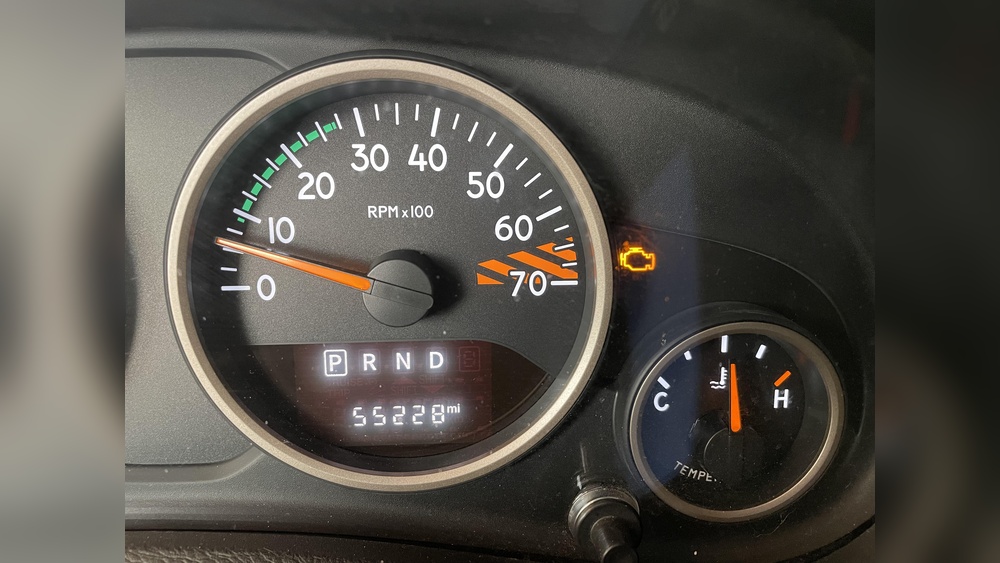
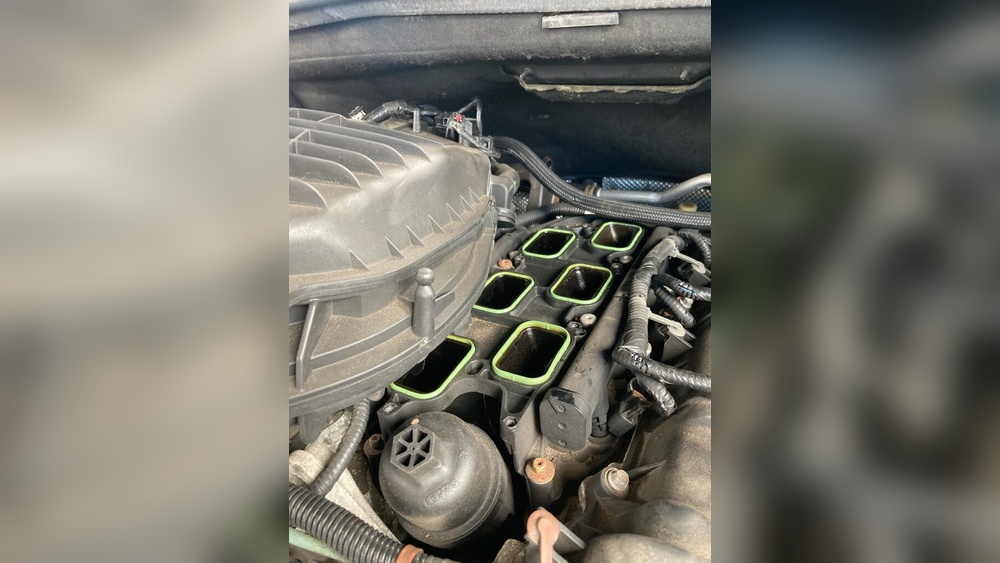
If the check engine light just came on in your Jeep Grand Cherokee, you might be wondering what it means and what to do next. Ignoring that little warning can lead to bigger problems, but figuring out the cause doesn’t have to be confusing or expensive.
You can often read the trouble codes yourself, right from your dashboard, or get a free code scan at a local auto parts store. You’ll learn how to quickly check your Jeep’s engine light codes, what some of the most common codes mean, and when you need to act fast.
Keep reading to take control of your Jeep’s health and avoid costly repairs down the road.

Reading Jeep Codes Without A Scanner
Reading Jeep codes without a scanner saves time and money. Many Jeep Grand Cherokee models allow you to check error codes using simple methods. These methods do not require special tools or devices. You can get basic code information right from your dashboard or by visiting local auto stores. This helps you understand the reason behind the check engine light.
Using Ignition Key Method
This method works on many older Jeep Grand Cherokee models. Sit inside the driver’s seat and close all doors. Insert the ignition key and quickly turn it from OFF to RUN three times. End with the key in the RUN position, but do not start the engine.
The check engine light will start blinking. Count the blinks carefully. The blinks show the Diagnostic Trouble Codes (DTCs). For example, three blinks followed by two blinks means code 32. Note down the codes and look up their meanings online or in the owner’s manual.
Free Code Reading At Auto Stores
Many auto parts stores offer free check engine code reading. They use a scanner to read your Jeep Grand Cherokee’s codes quickly. This service takes only a few minutes.
Bring your vehicle to the store and ask for a free code scan. The staff will connect their scanner to your car’s diagnostic port. They will print out the codes and explain the possible issues. This option helps when your Jeep is newer or if the ignition key method does not work.
Top Jeep Grand Cherokee Engine Codes
The Jeep Grand Cherokee is a popular SUV known for its power and reliability. Still, it can show engine issues through check engine light codes. These codes help identify problems quickly. Knowing the top engine codes saves time and money on repairs.
Understanding common codes lets you address issues before they worsen. The codes indicate specific faults in the engine or emissions system. Here are some frequent Jeep Grand Cherokee engine codes you should know.
P0300: Cylinder Misfire
The P0300 code means multiple cylinder misfires. Misfires cause rough engine running and poor fuel economy. Common causes include worn spark plugs, bad ignition coils, or faulty fuel injectors. Fixing these parts often clears the code and improves engine performance.
Catalyst System Efficiency Issues
This code signals problems with the catalytic converter or oxygen sensors. The converter reduces harmful emissions, but it can wear out over time. A faulty oxygen sensor can send wrong data to the engine computer. Both parts need checking if this code appears.
Evaporative Emission Leaks
Leaks in the evaporative emission system trigger this code. A loose or missing gas cap is a common cause. Cracked vacuum lines or vapor hoses can also cause leaks. Repairing or replacing these parts stops fuel vapors from escaping and clears the code.
P0128: Coolant Thermostat Problems
The P0128 code shows the engine is not reaching the correct temperature. It often means the thermostat is stuck open. Low coolant levels or a bad temperature sensor can also cause this. Fixing these issues ensures the engine warms up properly for efficient running.
Engine Oil Pressure Sensor Faults
This code indicates a faulty oil pressure sensor or low engine oil level. The sensor monitors oil pressure, which is crucial for engine health. Low oil or a bad sensor can trigger the check engine light. Checking oil levels and sensor function prevents engine damage.
Common Causes Behind Engine Codes
The check engine light on your Jeep Grand Cherokee signals trouble inside the engine. The vehicle’s computer stores codes that help identify the problem. Understanding common causes behind these codes saves time and money. It guides you to fix the issue faster.
Engine codes often relate to key systems that keep your Jeep running smoothly. These systems include ignition, exhaust, cooling, and oil pressure. Each system has parts that can fail and trigger the check engine light. Knowing these parts helps you spot the problem early.
Ignition System Failures
The ignition system starts the engine and keeps it running. Faulty spark plugs cause misfires and rough idling. Worn ignition coils can stop sparks from reaching cylinders. Bad ignition wires cause weak or no spark. These failures trigger codes like P0300 for misfires.
Exhaust And Emission System Faults
The exhaust system removes harmful gases from the engine. A bad catalytic converter leads to poor exhaust flow and pollution. Faulty oxygen sensors send wrong data to the engine computer. Leaks in the EVAP system cause fuel vapors to escape. These issues set off codes related to emissions.
Cooling System Malfunctions
The cooling system keeps the engine at the right temperature. A stuck thermostat causes overheating or running too cold. Low coolant levels reduce cooling efficiency. Broken temperature sensors send wrong signals to the engine. These faults can trigger codes like P0128 for cooling problems.
Oil Pressure And Sensor Issues
Oil pressure is vital for engine lubrication and health. Low oil levels can cause serious damage quickly. Faulty oil pressure sensors send incorrect readings to the computer. These problems result in warning codes and the check engine light. Prompt checks keep your engine safe.
Quick Fixes For Frequent Issues
Quick fixes can resolve common check engine light issues on your Jeep Grand Cherokee. These simple repairs save time and money. Many problems stem from small parts that wear out or loosen. Addressing these can turn off the warning light fast. Here are key areas to check and fix quickly.
Replacing Spark Plugs And Coils
Worn spark plugs cause misfires and engine roughness. Replacing them restores smooth engine performance. Faulty ignition coils also lead to misfires and poor fuel economy. Swap out bad coils with new ones to fix these problems. This repair is easy and improves engine power.
Checking And Tightening Gas Caps
A loose or damaged gas cap triggers the evaporative emission system warning. Tighten the cap until it clicks firmly. Replace it if cracked or worn. This quick check often clears the check engine light. It also prevents fuel vapors from escaping and saves fuel.
Thermostat And Sensor Replacements
A stuck thermostat causes engine overheating or poor heating inside the cabin. Replacing it helps the engine reach the correct temperature. Faulty temperature sensors send wrong data to the engine computer. Swap bad sensors to fix inaccurate readings and improve fuel use.
Inspecting Vacuum And Vapor Lines
Cracked or disconnected vacuum lines cause air leaks that trigger engine codes. Check all vacuum and vapor lines for damage or loose fittings. Replace or reconnect any faulty lines. This repair stops unwanted air leaks and restores smooth engine operation.
Signs To Get Immediate Help
Knowing when your Jeep Grand Cherokee’s check engine light signals a serious problem is key. Some signs mean you must get help right away. Ignoring these signs can cause more damage or unsafe driving conditions.
Watch for unusual behaviors or alerts. They often point to urgent engine issues. Acting fast can save you money and keep you safe on the road.
Flashing Check Engine Light
A flashing check engine light means a severe engine problem. It shows the engine is misfiring. Driving with this can harm the catalytic converter. Stop driving immediately and have the vehicle checked. Continuing can cause costly repairs and unsafe conditions.
Engine Performance Drops
Notice your Jeep losing power or running rough? Sudden drops in engine performance signal urgent trouble. Hesitation, stalling, or difficulty accelerating are red flags. These issues can worsen quickly. Getting help immediately prevents breakdowns and major damage.
Warning Sounds Or Smells
Strange noises like knocking or grinding need fast attention. Odd smells, like burning or fuel odors, are warning signs too. These can indicate leaks or overheating. Ignoring these signs risks engine failure or fire. Pull over safely and seek professional help.

Using Diagnostic Tools Effectively
Using diagnostic tools effectively is key to understanding your Jeep Grand Cherokee’s check engine light. These tools help you find the root cause of engine problems quickly. They save time and money by giving you clear insights into what needs fixing.
Many Jeep owners can benefit from learning how to use these tools properly. Knowing how to read and reset codes can prevent unnecessary repairs. This section covers how to choose the right scanner, interpret trouble codes, and reset the check engine light.
Obd-ii Scanners For Jeep Models
OBD-II scanners are the most common tool for Jeep diagnostics. They plug into the Jeep’s OBD port, usually under the dashboard. These scanners read trouble codes stored in the vehicle’s computer.
Choose a scanner compatible with Jeep models. Basic models show only codes, while advanced ones offer live data and freeze frame info. Some scanners connect to your phone via Bluetooth for easy use.
Interpreting Trouble Codes
Trouble codes are short alphanumeric messages. Each code points to a specific problem area in the engine or emissions system. For example, P0300 means random cylinder misfire.
Look up codes in your Jeep’s manual or online databases. Understanding codes helps decide if you can fix the issue or need a mechanic. Codes often include symptoms and possible causes.
Resetting The Check Engine Light
After fixing an issue, resetting the check engine light is the next step. Most OBD-II scanners have a reset function. This clears the stored codes and turns off the light.
Sometimes the light may stay on if the problem is not fully fixed. Driving the Jeep for a short distance can help the system verify the repair. Avoid disconnecting the battery to reset, as this can cause other issues.
Preventing Check Engine Light Issues
Preventing check engine light issues in your Jeep Grand Cherokee can save time and money. Regular care helps keep the engine running smoothly. Simple steps reduce the risk of unexpected warning lights. Understanding basic maintenance improves vehicle reliability and performance.
Regular Maintenance Tips
Change the oil every 5,000 miles or as recommended. Replace air filters to keep airflow clean. Inspect spark plugs and ignition coils regularly. Check belts and hoses for cracks or wear. Follow the manufacturer’s service schedule strictly. Timely maintenance prevents many engine problems.
Fuel Quality And Its Impact
Use high-quality fuel to protect the engine. Poor fuel can cause deposits and clogs. Avoid cheap gas from unknown stations. Keep the fuel tank clean to prevent contamination. Good fuel helps sensors work correctly. It reduces the chance of engine misfires and warning lights.
Monitoring Engine Sensors
Engine sensors send data to the vehicle’s computer. Faulty sensors trigger the check engine light. Regularly scan your Jeep for sensor errors. Clean sensor connections to avoid false alerts. Replace sensors showing signs of failure quickly. Monitoring sensors keeps the engine running efficiently.
Conclusion
Understanding check engine light codes on your Jeep Grand Cherokee helps keep it running well. You can read codes without costly tools using simple steps. Knowing common codes and causes saves time and money. Pay attention to your vehicle’s signals to catch issues early.
Regular checks prevent bigger problems on the road. Stay informed and maintain your Jeep for safer drives.