If you’ve ever seen the “Service Shifter” message pop up on your dashboard, you know how confusing—and frustrating—it can be. This alert usually means there’s an issue with your vehicle’s gear shifter or transmission system, and ignoring it isn’t a good idea.
But before you rush to the mechanic or worry about costly repairs, there are simple steps you can take to reset the service shifter warning yourself. In this guide, you’ll discover easy, practical methods to clear that message and get your car back to normal quickly.
Keep reading, because understanding how to reset your service shifter could save you time, money, and a lot of hassle.
Common Causes
The “Service Shifter” warning can appear for several reasons. Understanding common causes helps diagnose the issue. This makes resetting the service shifter easier and more effective.
Some causes are simple, like low fluid levels. Others involve electrical or mechanical parts. Identifying the root cause saves time and money.
Low Transmission Fluid
Transmission fluid lubricates and cools parts inside the transmission. Low fluid levels cause shifting problems and trigger the service shifter light. Check fluid regularly and top off as needed.
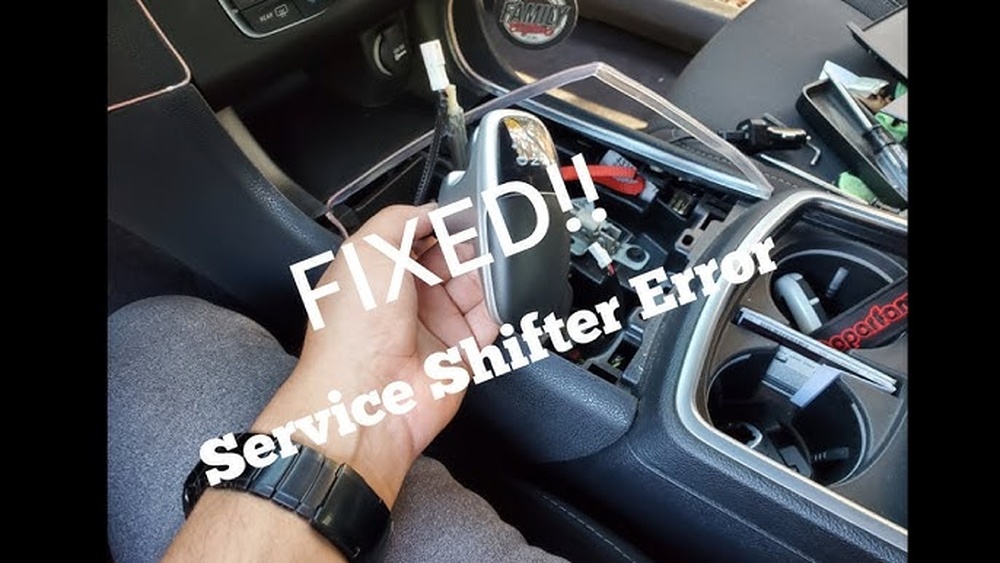
Faulty Shifter Bezel
The shifter bezel surrounds the gear lever and houses sensors. Damage or wear can cause incorrect signals. Replacing a faulty bezel often clears the warning quickly and cheaply.
Battery Issues
A weak or failing battery may not provide enough power to the transmission system. This can cause error messages, including the service shifter alert. Test the battery and replace it if needed.
Sensor Malfunctions
Sensors monitor gear position and transmission health. Malfunctioning sensors send wrong data to the car’s computer. This triggers the service shifter warning. Sensor repair or replacement fixes the problem.
Wiring Problems
Damaged or loose wiring disrupts communication between the shifter and the car’s control module. Worn wires or poor connections cause error codes. Inspect wiring and fix any issues found.
Quick Reset Methods
Quick reset methods offer fast and easy ways to clear the service shifter alert. These techniques often require minimal tools and little time. They help restore normal function without visiting a mechanic. Below are three popular quick reset methods for the service shifter.
Locate the arrow buttons on your steering wheel. Press and hold the Up, Left, and Right arrows at the same time. Keep holding them until the service shifter message disappears from the dashboard. This method clears the alert without any tools. It is quick and simple for most drivers.
Disconnecting The Battery
Turn off the vehicle completely. Open the hood and disconnect the negative battery cable first. Wait for about 10 minutes to allow the system to reset. Reconnect the battery cable and close the hood. This resets the vehicle’s electronics and may clear the service shifter warning. Use caution and avoid short circuits during this process.
Resetting Via Obd-ii Scanner
Plug an OBD-II scanner into the vehicle’s diagnostic port. Turn on the ignition without starting the engine. Use the scanner to read and clear transmission-related error codes. This method can reset the service shifter warning effectively. It requires owning or borrowing an OBD-II tool and some basic knowledge of its use.
Step-by-step Reset Guide
Resetting the service shifter in your vehicle can clear error messages and restore normal operation. This step-by-step reset guide walks you through the process simply. Follow each step carefully for the best results.
Prepare Your Vehicle
Park your vehicle on a flat surface. Turn off the engine completely. Engage the parking brake to prevent movement. Ensure the ignition is in the off position before starting the reset.
Clear The Dashboard Message
Turn the ignition to the “On” position without starting the engine. Press and hold the Up, Left, and Right arrow buttons on the steering wheel at the same time. Keep holding them until the “Service Shifter” message disappears. This clears the warning from your dashboard.
Test The Shifter Function
Start the engine and slowly move the shifter through all gears. Notice if it shifts smoothly without hesitation. Check that no warning lights appear on the dashboard. This confirms the shifter is operating normally.
Verify The Reset Success
Turn off the engine and restart the vehicle. Watch the dashboard closely for any error messages. If the “Service Shifter” message stays off, the reset was successful. Otherwise, a professional diagnosis may be needed.
Troubleshooting Tips
Troubleshooting the service shifter alert helps identify simple fixes. Start with basic checks before deeper repairs. These steps save time and money. Follow each tip carefully for best results.
Inspecting The Shifter Knob
Check the shifter knob for damage or looseness. A loose knob can cause incorrect signals. Tighten or replace the knob if needed. Dirt or debris around the base may block proper movement. Clean the area gently with a cloth.
Checking Transmission Fluid Level
Low or dirty transmission fluid affects shifter performance. Locate the transmission dipstick under the hood. Pull it out, wipe clean, then reinsert fully. Remove again and check the fluid level. Add fluid if below the recommended mark.
Examining Battery Health
Weak batteries cause error messages, including the service shifter alert. Test battery voltage with a meter. A healthy battery reads about 12.6 volts when the car is off. Replace the battery if the voltage is low or the battery is old.
Looking For Error Codes
Use an OBD-II scanner to find trouble codes. Plug the scanner into the car’s diagnostic port. Turn on the ignition without starting the engine. Read and note any error codes displayed. These codes guide you to the exact problem area.
When To Seek Professional Help
Knowing when to seek professional help is crucial for your vehicle’s safety and performance. Some shifter issues need expert diagnosis and repair. Ignoring these signs can cause bigger problems and costly repairs. Understanding key warning signs helps you decide when to visit a mechanic.
Persistent Warning Lights
Warning lights that stay on after resetting show a deeper issue. The “Service Shifter” light may indicate electrical or mechanical faults. A mechanic can use special tools to find the exact cause. Do not ignore these lights; they protect your transmission system.
Unresponsive Shifter
A shifter that won’t move or responds slowly needs professional attention. This can be due to cable problems or internal transmission damage. Driving with an unresponsive shifter is unsafe. A trained technician can fix or replace faulty parts safely.
Transmission Performance Issues
Strange noises, slipping gears, or delayed shifting signal transmission problems. These symptoms require expert inspection to avoid serious damage. Professionals have the skills to diagnose and repair complex transmission faults. Early repair can save you from expensive replacements.

Preventive Maintenance
Preventive maintenance helps keep your service shifter working well. It avoids sudden problems and costly repairs. Simple checks and cleaning extend the shifter’s life. You can save time and money by caring for it regularly.
Regular Fluid Checks
Check the transmission fluid level often. Low fluid causes shifting problems. The fluid must be clean and at the right level. Dirty or old fluid needs changing fast. Use the correct type of fluid for your vehicle.
Routine Electrical Inspections
Inspect the wiring and connectors linked to the shifter. Loose or damaged wires cause errors and warning lights. Use a flashlight to see hard-to-reach spots. Fix any frayed or corroded wires right away. A steady electrical system ensures smooth shifter function.
Keeping Shifter Components Clean
Dirt and debris can block the shifter parts. Clean the shifter and surrounding areas regularly. Use a soft cloth and mild cleaner. Avoid harsh chemicals that can harm plastic or rubber parts. Clean components reduce wear and keep the shifter responsive.
Conclusion
Resetting the service shifter light can save you time and worry. Follow simple steps carefully to clear the alert. Check your vehicle’s transmission fluid and shifter components first. Press the steering wheel buttons as described to dismiss the message. Regular maintenance helps prevent this warning from returning.
Stay calm and address the issue early to avoid bigger problems. Your vehicle will run smoother once the service shifter resets. Keep these tips handy for future reference.