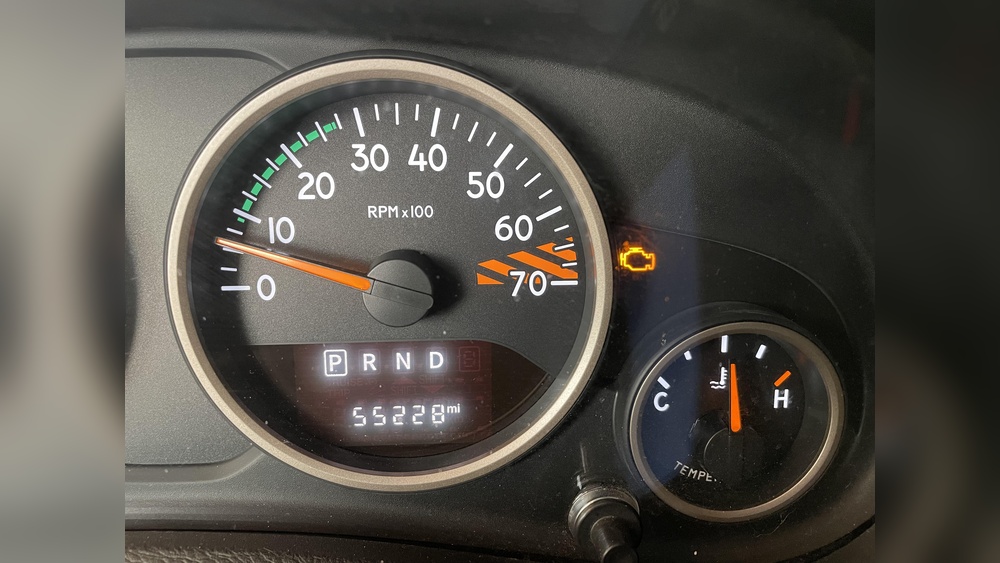
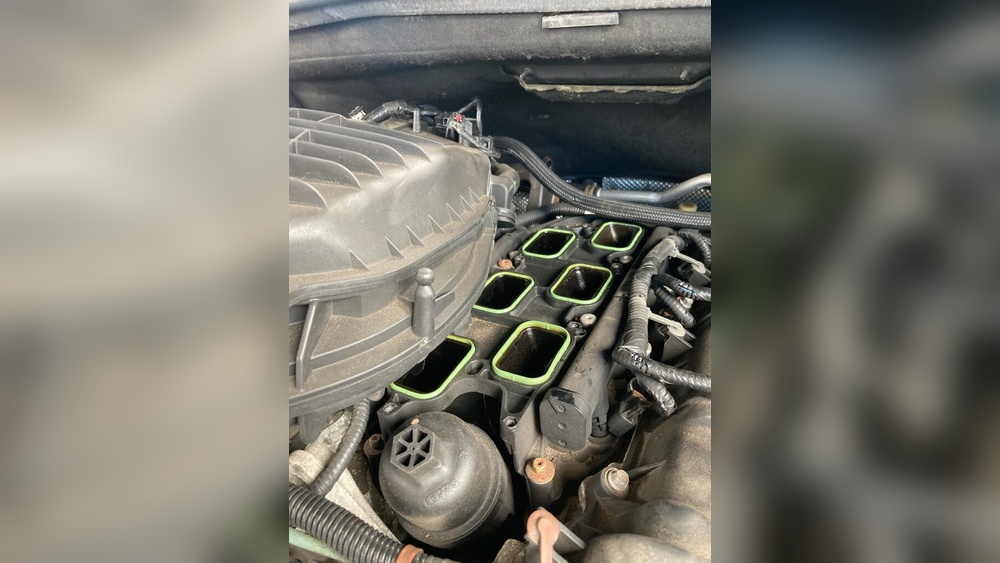
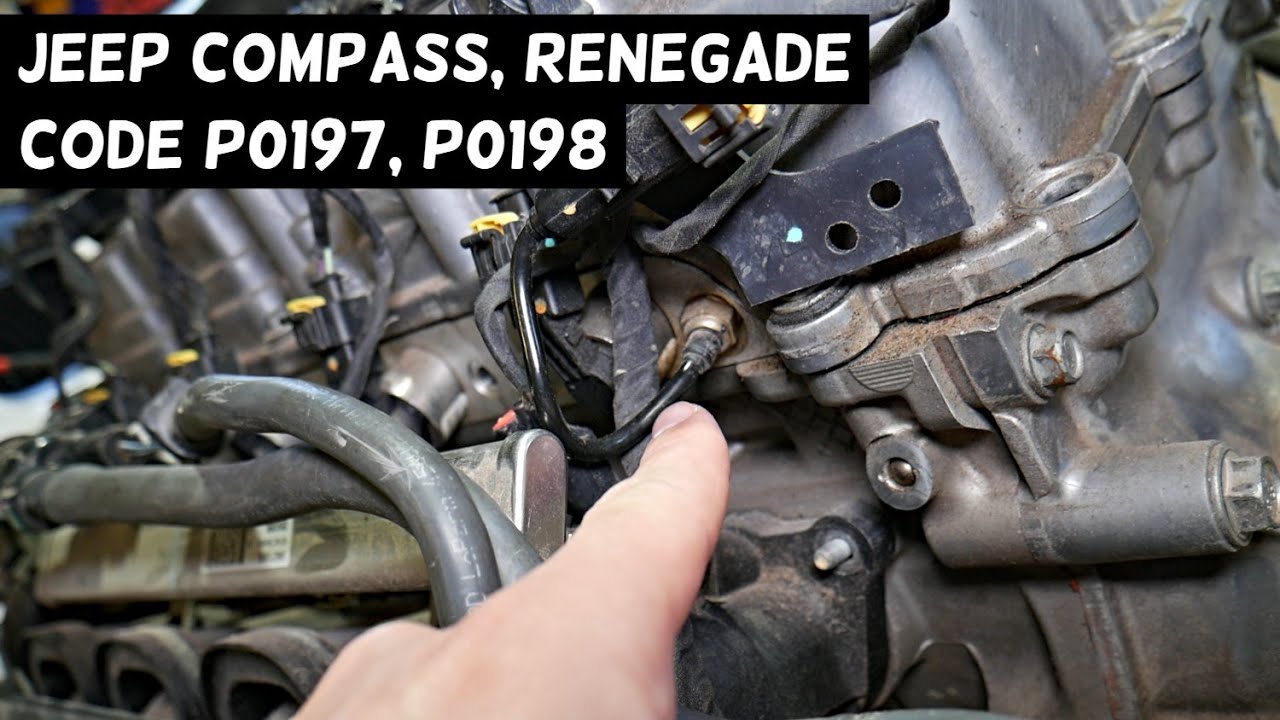
If you own a Jeep and have seen the P0198 code pop up on your dashboard, you’re probably wondering what it means and how it affects your ride. This code signals an issue with your engine’s oil temperature sensor circuit—something that’s crucial for keeping your engine running smoothly.
Ignoring it could lead to bigger problems down the road, but understanding what’s going on is the first step to fixing it. You’ll discover what causes the P0198 code, the symptoms to watch for, and practical steps you can take to diagnose and repair the issue.
Keep reading to protect your Jeep and get back on the road with confidence.
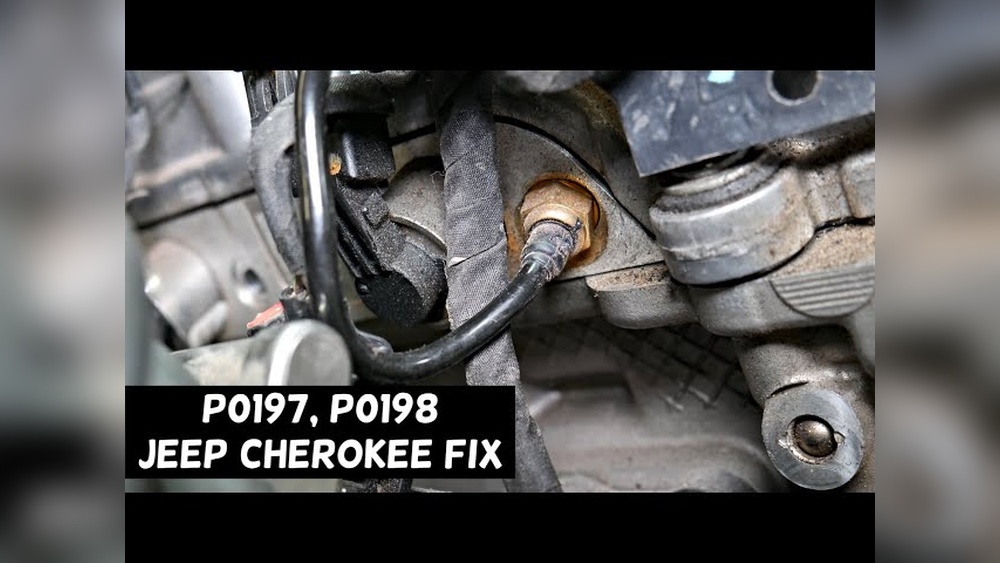
Fuel Rail Pressure Sensor Basics
The fuel rail pressure sensor is a key part of your Jeep’s fuel system. It measures the pressure of fuel inside the fuel rail. This data helps the engine control unit (ECU) adjust fuel delivery for smooth engine operation.
This sensor keeps the engine running efficiently. It helps maintain the right fuel pressure for different driving conditions. Without accurate readings, the engine may run poorly or use more fuel.
Role In Engine Performance
The sensor sends real-time fuel pressure data to the ECU. The ECU uses this data to control the fuel pump and injectors. It ensures the engine gets the right fuel amount at the right time. This helps the engine start easily, run smoothly, and produce good power.
Fuel rail pressure affects combustion quality. Proper pressure improves fuel atomization and mixing with air. This leads to better fuel efficiency and lower emissions.
Common Symptoms Of Failure
A faulty fuel rail pressure sensor can cause many issues. The check engine light may turn on. The engine might hesitate, stall, or have trouble starting.
You may notice poor fuel economy or rough idling. Engine performance can drop, especially under acceleration. Sometimes, the vehicle may enter limp mode to protect the engine.
Faulty sensor signals can cause incorrect fuel pressure. This leads to engine misfires and increased emissions. Early detection can prevent bigger engine problems.
Causes Of P0198 Code
The P0198 code in Jeep vehicles signals a high voltage issue in the fuel rail pressure sensor circuit. This sensor plays a vital role in monitoring fuel pressure for optimal engine performance. Various factors can trigger this code, affecting your Jeep’s fuel system and engine efficiency.
Faulty Sensor
A defective fuel rail pressure sensor often causes the P0198 code. The sensor may fail due to age, heat exposure, or internal damage. A faulty sensor sends incorrect voltage signals, misleading the engine control unit (ECU) about fuel pressure levels.
Wiring And Connector Issues
Damaged wiring or loose connectors can disrupt the sensor’s voltage signals. Frayed wires, corrosion, or poor connections create high resistance or short circuits. These electrical issues lead the ECU to detect abnormal voltage levels from the sensor.
Fuel System Problems
Problems within the fuel system may also trigger the P0198 code. Issues like a clogged fuel filter, failing fuel pump, or leaks can cause irregular fuel pressure. These conditions affect sensor readings, making the ECU register high voltage faults.
Ecu Malfunctions
The engine control unit itself can malfunction and cause false P0198 codes. Software glitches or hardware failures in the ECU may misinterpret sensor data. This leads to incorrect error codes, requiring ECU diagnostics or reprogramming.
Diagnosing P0198 On Jeep
Diagnosing the P0198 code on a Jeep involves checking the engine oil temperature sensor circuit. This code signals a high voltage reading, which can cause engine issues. Accurate diagnosis helps avoid unnecessary repairs and keeps your Jeep running smoothly.
The process includes scanning for the code, inspecting the sensor and wiring, and testing sensor signals. Each step reveals potential causes behind the P0198 code.
Using Obd-ii Scanner
Connect an OBD-II scanner to your Jeep’s diagnostic port. This tool reads trouble codes stored in the engine control unit. Locate the P0198 code to confirm the problem. Clear the code and run the engine to see if it returns. Use live data mode to monitor the oil temperature sensor’s voltage. Abnormal readings suggest sensor or wiring issues.
Visual Inspection Tips
Start by checking the oil temperature sensor’s wiring harness. Look for frayed, broken, or corroded wires. Ensure the sensor is securely connected and not loose. Inspect the sensor itself for damage or oil leaks. Check for signs of overheating near the sensor area. Damaged wiring or poor connections often cause high voltage readings.
Testing Sensor Voltage And Resistance
Use a digital multimeter to test the sensor’s voltage and resistance. Refer to the Jeep service manual for exact values. Measure voltage with the ignition on, engine off. Then, check resistance across sensor terminals at room temperature. Compare readings to manufacturer specifications. Out-of-range values indicate a faulty sensor or wiring problem.

Repairing Fuel Rail Pressure Sensor Issues
The fuel rail pressure sensor plays a key role in your Jeep’s engine performance. It monitors fuel pressure and sends data to the engine control unit. Problems with this sensor can cause poor engine running, increased emissions, and reduced fuel efficiency. Repairing fuel rail pressure sensor issues requires careful diagnosis and proper handling.
Addressing sensor problems involves checking the sensor itself, the wiring, and the overall fuel system. Each part must work well to keep the engine running smoothly. Below are important steps to fix common sensor issues.
Replacing The Sensor
Start by locating the fuel rail pressure sensor on your Jeep’s fuel rail. Disconnect the electrical connector carefully. Remove the sensor using the correct tools to avoid damage. Install a new, compatible sensor in the same position. Reconnect the wiring securely. Clear any error codes after replacement to reset the system.
Fixing Wiring And Connectors
Inspect the wiring harness for signs of wear, corrosion, or damage. Check connectors for loose pins or dirt buildup. Clean connectors with electrical contact cleaner if needed. Repair or replace damaged wires using proper electrical tape or heat shrink tubing. Secure all connections to prevent future issues.
Fuel System Maintenance
Regular fuel system maintenance helps prevent sensor problems. Replace fuel filters as recommended by the Jeep manual. Use clean, high-quality fuel to avoid clogging. Periodically check fuel injectors for buildup or leaks. Keeping the fuel system clean supports accurate sensor readings and engine health.
Preventive Measures
Preventing the P0198 code in your Jeep starts with simple care steps. These measures help avoid sensor issues and keep your engine running smoothly. A well-maintained vehicle saves money and trouble over time.
Regular Maintenance Schedule
Follow your Jeep’s maintenance guide closely. Change engine oil and filters at recommended times. Clean or replace sensors during routine checks. Regular inspections catch issues before they grow worse. This keeps the oil temperature sensor working well.
Using Quality Fuel
Choose high-grade fuel for your Jeep. Poor fuel quality can affect engine performance. It may cause false readings from sensors. Clean fuel helps maintain proper engine temperature. This reduces stress on the oil temperature sensor.
Protecting Wiring Harness
Check wiring harnesses around the sensor often. Look for cuts, cracks, or loose connections. Secure wires away from heat and moving parts. Damaged wires can cause error codes like P0198. Proper wiring care ensures accurate sensor signals.
When To Seek Professional Help
Knowing when to seek professional help for the P0198 Jeep code saves time and money. Some issues need expert tools and skills. Ignoring serious signs may lead to bigger problems. Understanding key warning signs helps you decide the right moment to consult a mechanic.
Complex Electrical Problems
P0198 often involves the engine oil temperature sensor circuit. Electrical faults can be tricky to diagnose. Faulty wiring or sensors may cause intermittent signals. Professionals have the right equipment to test and repair these circuits safely. Attempting repairs without experience can worsen damage or cause safety risks.
Persistent Warning Lights
The check engine light may keep turning on despite resets. This suggests the problem is ongoing. Repeated warning lights indicate a deeper fault that needs precise diagnosis. A mechanic can read advanced codes and pinpoint the root cause. Ignoring persistent alerts may reduce engine performance or cause breakdowns.
Fuel System Overhauls
P0198 can sometimes affect fuel delivery and engine efficiency. Issues with fuel sensors or injectors require careful inspection. Professionals can overhaul the fuel system if needed. Proper tuning ensures the engine runs smoothly and avoids damage. DIY fixes rarely address complex fuel system faults fully.
Conclusion
The P0198 code signals a problem with your Jeep’s oil temperature sensor. Ignoring it can lead to engine damage and costly repairs. Regularly check the wiring and sensor condition to avoid issues. Fixing the sensor promptly helps keep your Jeep running smoothly.
Understanding this code saves time and money. Stay alert to warning signs on your dashboard. Taking action early protects your vehicle’s engine health. Keep your Jeep safe and reliable by addressing P0198 quickly.