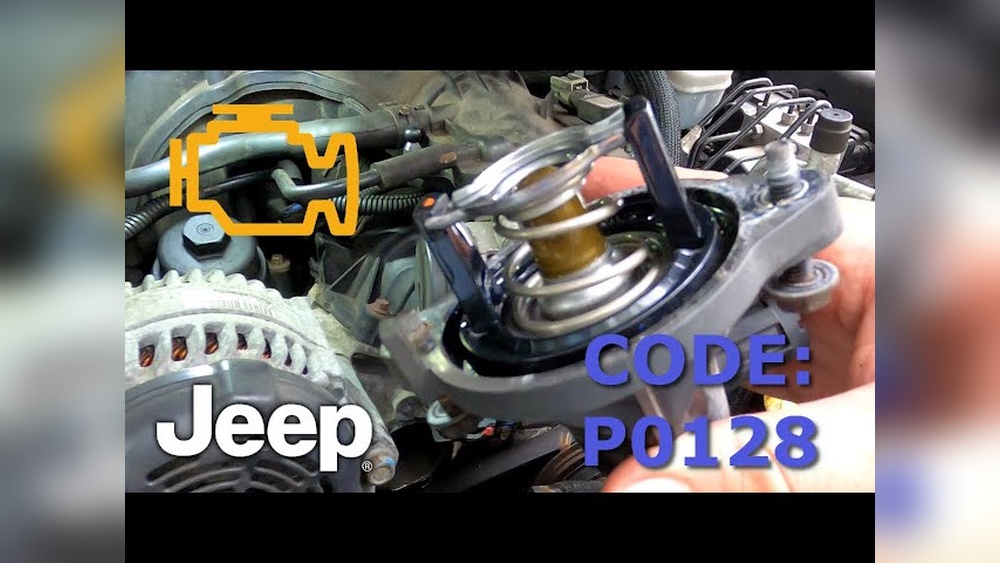
If you’ve seen the P0128 code pop up on your Jeep’s dashboard, you might be wondering what it means and how it affects your ride. This code signals that your engine’s coolant temperature is lower than it should be, which can lead to poor performance and increased fuel consumption.
Don’t ignore it—understanding the causes and fixes for P0128 can save you time, money, and hassle down the road. You’ll discover the common reasons behind this code, how to spot the symptoms, and simple steps you can take to get your Jeep back to running smoothly.
Keep reading to take control of your Jeep’s health and avoid bigger problems later.

Symptoms Of P0128 Code
The P0128 code in a Jeep signals an issue with the engine’s coolant temperature. This code usually appears when the engine runs cooler than expected. Recognizing the symptoms early helps avoid bigger problems. Watch for these signs to catch the issue fast.
Check Engine Light Activation
The most obvious symptom is the check engine light turning on. This light alerts you that the engine control unit found a problem. It can come on during startup or while driving. Ignoring it can lead to more engine trouble.
Delayed Heater Warm-up
The heater inside the Jeep may take longer to blow warm air. This delay happens because the engine stays too cool. A stuck-open thermostat often causes this. You might feel cold air instead of heat inside the cabin.
Reduced Fuel Efficiency
Fuel consumption may rise due to the engine running cold. The engine burns more fuel to reach its ideal temperature. This waste lowers your Jeep’s miles per gallon. Keeping an eye on fuel use helps spot this symptom early.
Common Causes
The thermostat in your Jeep controls engine temperature by regulating coolant flow. Testing and replacing it ensures your engine runs efficiently. A faulty thermostat can cause the P0128 code, meaning the engine temperature is below the expected level. This section guides you through testing, spotting issues, replacing the thermostat, and bleeding the cooling system properly.
Testing Thermostat On Cold Engine
Start with a cold engine. Feel the upper radiator hose. It should be cool at first. Turn on the Jeep and watch the hose for about 10 minutes. If it warms up quickly or coolant flows immediately, the thermostat may be stuck open. This means it is not closing properly to let the engine warm up. This test helps confirm if the thermostat is faulty.
Signs Of A Faulty Thermostat
A faulty thermostat causes many issues. The engine may take too long to warm up. The heater may blow cold air inside the cabin. Your Jeep might use more gas than usual. The check engine light may turn on with code P0128. These signs indicate the thermostat needs inspection or replacement to avoid engine damage.
Steps To Replace Thermostat
First, make sure the engine is cool. Drain some coolant from the radiator. Locate the thermostat housing near the engine. Remove the bolts and take off the housing. Take out the old thermostat carefully. Clean the surface to remove old gasket material. Place a new thermostat and gasket in position. Reinstall the housing and bolts. Refill the cooling system with the correct coolant type. Tighten everything securely to avoid leaks.
Bleeding The Cooling System
Air trapped in the cooling system can cause overheating. To bleed air, locate the bleeder valve near the thermostat. Open it slightly while filling coolant. Run the engine and let it reach operating temperature. Keep an eye on the coolant level and add if needed. Close the bleeder valve when no more air bubbles appear. This step ensures the cooling system works properly and prevents overheating.
Coolant Type And Level Checks
Inspecting and repairing the coolant temperature sensor is key to resolving the P0128 code in your Jeep. This sensor monitors engine temperature and sends data to the vehicle’s computer. Faulty readings lead to poor engine performance and trigger the check engine light. Careful inspection and timely repair prevent further engine issues and improve fuel efficiency.
Locating The Coolant Temperature Sensor
The coolant temperature sensor sits near the engine’s thermostat housing. It often screws into the cylinder head or intake manifold. Find it by tracing the upper radiator hose to the engine. The sensor looks like a small plug with an electrical connector. Make sure the engine is cool before touching it to avoid burns.
Testing Sensor Functionality
Testing the sensor requires a multimeter to check resistance. First, disconnect the electrical connector from the sensor. Measure resistance across the sensor terminals. Compare the reading with the manufacturer’s specifications for the current engine temperature. A faulty sensor shows resistance values outside the normal range. You can also test voltage output while the engine runs.
Replacing A Faulty Sensor
Replacing the sensor is simple with basic tools. Start by draining some coolant to avoid spills. Remove the electrical connector and use a wrench to unscrew the old sensor. Apply thread sealant on the new sensor before installation. Screw the new sensor in place and reconnect the electrical plug. Refill the coolant and check for leaks. Clear any error codes with an OBD-II scanner to reset the system.

Thermostat Testing And Replacement
The cooling fan plays a key role in keeping your Jeep engine temperature stable. A malfunction can cause the P0128 code to appear. Troubleshooting the cooling fan helps avoid engine overheating and poor performance. Focus on diagnosing fan clutch issues, checking how the fan works, and replacing it if needed.
Identifying Fan Clutch Problems
The fan clutch controls the fan speed based on engine temperature. A bad clutch may cause the fan to spin too slowly or too fast. Look for signs like overheating, strange noises, or a fan that keeps spinning after engine shutdown. Also, check for visible damage or leaks on the clutch.
Fan Operation Checks
Start the engine and watch the fan at different temperatures. The fan should spin faster as the engine heats up. Listen for unusual sounds like grinding or squealing. Feel if the fan blades move freely by hand when the engine is off. Use a diagnostic tool to check if the fan receives proper voltage.
Fan Replacement Procedures
First, disconnect the battery to avoid electric shock. Drain some coolant to prevent spills during removal. Remove the fan shroud carefully to access the fan assembly. Unscrew the bolts holding the fan and clutch in place. Replace with a new fan clutch or complete fan unit. Reassemble all parts and refill coolant. Start the engine and verify fan operation.
Sensor Inspection And Repair
Preventive maintenance helps keep your Jeep running smoothly and avoids error codes like P0128. Simple care steps protect your engine and save money on repairs. Follow these tips to maintain your cooling system and engine health.
Regular Coolant Flushes
Flush your Jeep’s coolant system every 30,000 miles or as the manual suggests. Old coolant loses its ability to regulate temperature. Flushing removes rust, dirt, and contaminants that can block passages. Clean coolant helps the thermostat work properly and prevents overheating or underheating.
Monitoring Engine Temperature
Check your engine temperature gauge often during drives. Watch for unusual drops or spikes in temperature. A steady, normal temperature means your thermostat and cooling system are working well. If the temperature stays low for a long time, it may trigger the P0128 code. Early detection prevents bigger issues.
Using Quality Replacement Parts
Always choose OEM or high-quality thermostat and coolant sensors for replacements. Cheap parts may fail early and cause error codes. Quality parts fit perfectly and last longer. They ensure the cooling system maintains the right temperature, keeping your Jeep reliable and safe.

Frequently Asked Questions
How Do I Fix Code P0128?
Fix code P0128 by checking coolant levels and replacing a faulty thermostat stuck open. Ensure the radiator uses proper coolant. Test the thermostat by feeling the upper radiator hose warm up after starting a cold engine. Replace the thermostat if it heats immediately.
Can I Drive My Jeep With A P0128 Code?
You can drive your Jeep with a P0128 code, but avoid long trips. The engine may run inefficiently and use more fuel. Get the thermostat or coolant system checked soon to prevent overheating or engine damage.
Is P0128 A Thermostat Or Sensor?
P0128 indicates a thermostat issue, not a sensor. It means the engine coolant temperature is below the thermostat’s regulating temperature.
Can P0128 Be Caused By Low Coolant?
Yes, low coolant can cause the P0128 code by preventing the engine from reaching the proper temperature.
Conclusion
The P0128 code signals your Jeep’s engine isn’t reaching the right temperature. A faulty thermostat or low coolant often causes this issue. Regularly check coolant levels and replace the thermostat if needed. Fixing this helps your Jeep run smoothly and saves fuel.
Don’t ignore the check engine light—it protects your engine. Simple maintenance keeps your Jeep reliable and safe on the road.