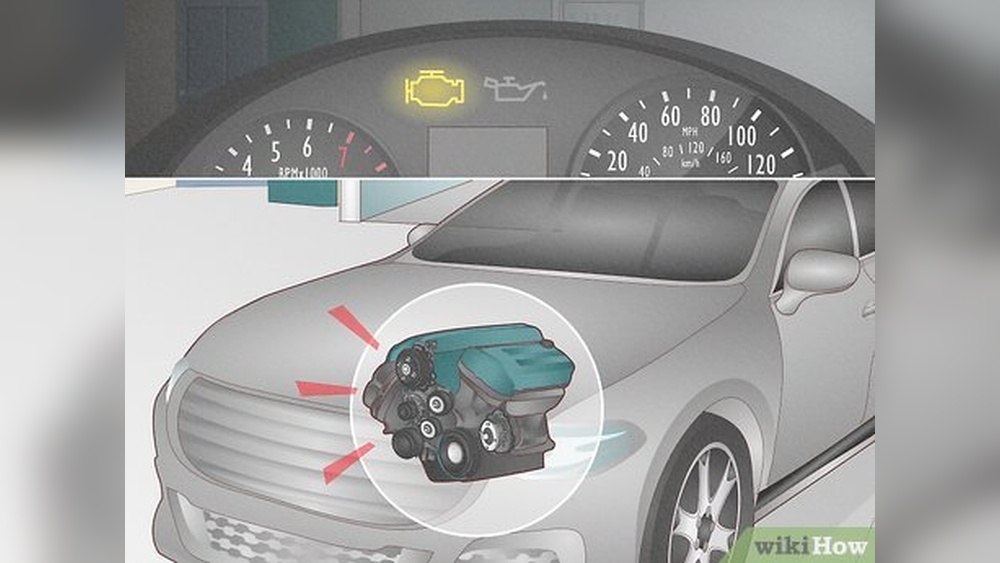
If you’ve seen the Jeep DTC C121C code pop up on your dashboard, you’re probably wondering what it means and how it affects your ride. This code signals an issue that could impact your vehicle’s performance and safety, so ignoring it isn’t an option.
But don’t worry—understanding what triggers this code and how to address it can save you time, money, and stress. You’ll discover the common causes behind Jeep DTC C121C, simple steps to diagnose the problem, and practical tips to get your Jeep back on the road smoothly.
Keep reading to take control of your Jeep’s health before a small issue turns into a big headache.
Jeep Dtc C121c Code Basics
The Jeep DTC C121C code involves several key components that work together to ensure proper vehicle control. Understanding these parts helps diagnose and fix the issue quickly. Each component plays a vital role in vehicle stability and torque management.
Role Of The Abs Module
The ABS module controls the anti-lock braking system. It prevents wheel lock during sudden stops. If the ABS module fails, it can send incorrect signals. This failure may trigger the C121C code. The ABS module works closely with other systems to maintain traction and control.
Impact Of The Traction Control Module
The traction control module helps prevent wheel spin on slippery surfaces. It adjusts engine power and brake pressure. A malfunctioning traction control module can disrupt torque requests. This disruption often causes error codes like C121C. It is crucial for safe driving in low-traction conditions.
Importance Of The Yaw Rate Sensor
The yaw rate sensor measures the vehicle’s rotation around its vertical axis. It helps stability control systems keep the vehicle on its path. Faulty yaw rate sensor data can confuse the control modules. This confusion can lead to torque request denial and the C121C code. The sensor’s accuracy is vital for proper vehicle handling.
Camshaft And Crankshaft Position Sensors
These sensors monitor engine timing and rotation speed. They provide essential data to the powertrain control module (PCM). If either sensor fails, the PCM may lose sync with the engine. This loss causes torque requests to be denied. Cleaning or replacing faulty sensors often resolves the issue.
Key Components Linked To C121c
The Jeep DTC C121C error signals a problem with the vehicle’s torque request system. This code often appears when the Powertrain Control Module (PCM) detects an issue that prevents it from safely controlling engine torque. Several common causes trigger this error, and understanding them helps in quick diagnosis and repair.
Issues can range from sensor problems to electrical faults. Each cause affects how the PCM processes torque requests. Identifying the source can prevent further damage and restore proper vehicle function.
Sensor Failures And Malfunctions
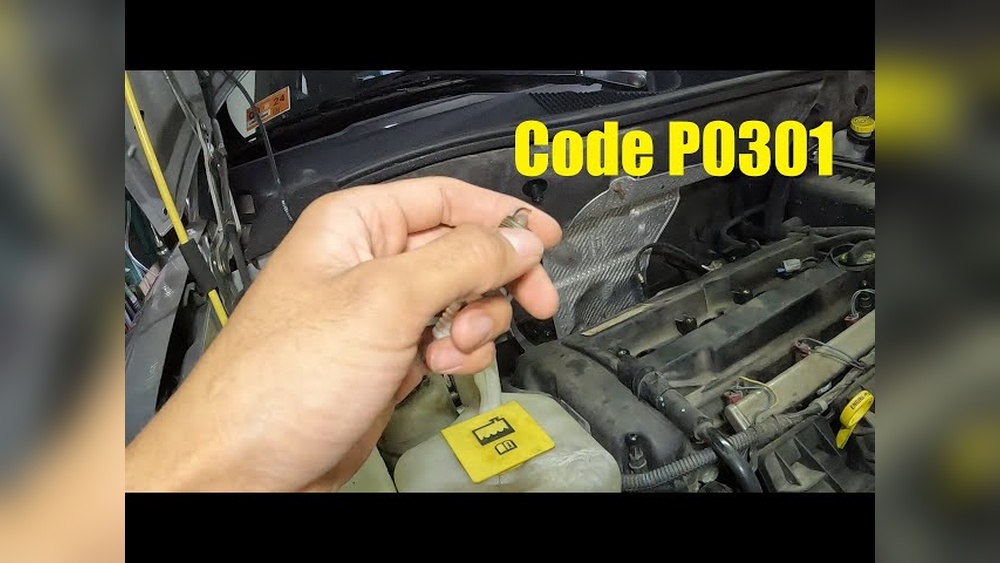
Faulty sensors are a frequent cause of the C121C error. The camshaft or crankshaft position sensors may fail or send incorrect signals. These sensors track engine timing and speed, essential for torque control.
If a sensor malfunctions, the PCM cannot adjust torque properly. Dirt, wear, or damage often causes sensor failure. Cleaning or replacing these sensors usually fixes the issue.
Throttle Body And Brake Switch Issues
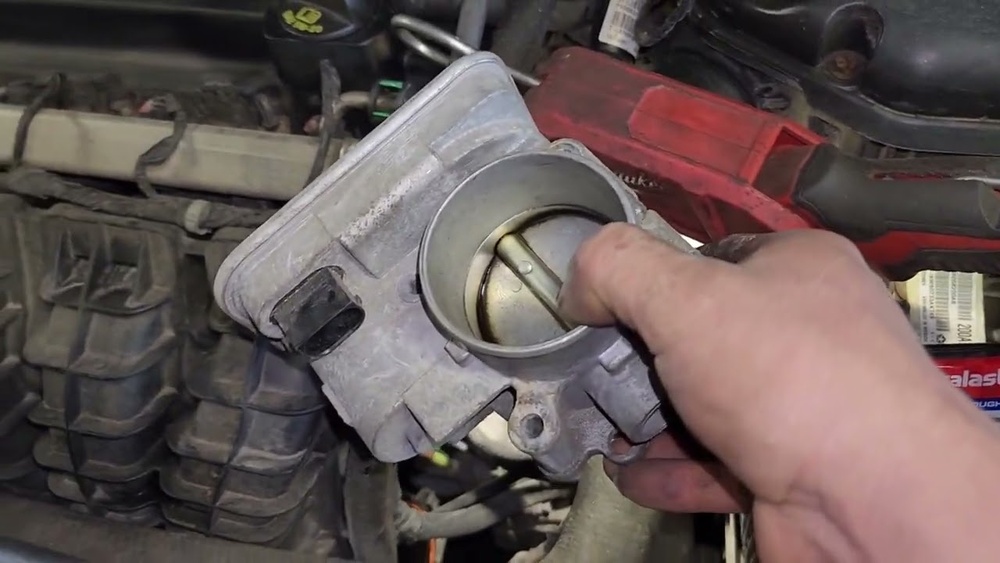
The electronic throttle body controls engine air intake. If it malfunctions, the PCM will deny torque requests to avoid unsafe engine conditions.
A failing brake pedal switch can also trigger the error. This switch signals when the brakes are applied. If it sends wrong signals, torque control is affected.
Both components must work correctly for smooth torque management.
Electrical Problems And Low Battery Voltage
Low battery voltage can cause the C121C error by disrupting communication between modules. A weak battery or failing alternator leads to unstable voltage.
Electrical issues like corroded connections or damaged wiring also interfere with signals. These faults cause false error codes and torque control problems.
Testing and fixing the electrical system often resolves the error.
Frequent Causes Of C121c Error
Experiencing the Jeep DTC C121C code can be frustrating. Quick fixes and repairs often solve the problem without major expense. This section breaks down simple steps to get your Jeep back on the road.
Replacing Faulty Sensors
Sensors play a key role in your Jeep’s ABS and traction control systems. A faulty sensor often triggers the C121C code. Start by identifying the bad sensor. Common culprits include wheel speed sensors and yaw rate sensors. Replace any sensor showing wear or damage. Use OEM parts for the best results. After replacement, test the system to ensure the error clears.
Resetting The Abs And Traction Systems
Resetting the ABS and traction control systems can clear temporary faults. Begin by turning off the ignition. Disconnect the battery for about 15 minutes. This action resets the vehicle’s computer. Reconnect the battery and start the Jeep. Check the dashboard for warning lights. If lights remain off, the reset worked. If not, further diagnosis is needed. Regular resets can help avoid persistent error codes.
Addressing Electrical And Wiring Problems
Electrical issues often cause false readings and error codes. Inspect wiring harnesses near the ABS module carefully. Look for frayed wires, loose connections, or corrosion. Repair or replace damaged wiring immediately. Use dielectric grease on connectors to prevent future corrosion. Also, check the battery and alternator voltage. Low voltage can disrupt sensor signals and trigger C121C. Proper electrical maintenance keeps systems running smoothly.
Step-by-step Diagnosis
Preventive maintenance helps keep your Jeep running smoothly. It lowers the chance of the C121C error code appearing. Simple steps protect your vehicle’s sensors and electronics. These steps save time and money on repairs. Following these tips extends the life of your Jeep’s systems.
Regular Sensor Cleaning And Checks
Sensors often collect dirt and grime during drives. Dirty sensors send wrong signals to the control module. Cleaning sensors regularly keeps them accurate. Use a soft cloth and sensor-safe cleaner. Check sensors for damage or loose connections. Replace worn sensors to avoid error codes.
Battery Care And Electrical System Upkeep
A weak battery can cause the C121C code to show. Test your battery voltage often. Clean battery terminals to remove corrosion. Make sure cables are tight and free of cracks. Inspect the alternator to ensure it charges properly. A healthy electrical system supports sensor performance.
Software Updates And Module Resets
Jeep releases software updates to fix bugs and improve functions. Updating your vehicle’s software helps prevent error codes. Visit a dealer or use approved tools for updates. Resetting control modules can clear minor glitches. Perform resets carefully following manufacturer instructions.
Quick Fixes And Repairs
Knowing when to seek professional help for Jeep DTC C121C is crucial. Some problems need expert skills to avoid costly mistakes. Handling complex vehicle systems without proper knowledge can cause more damage. Trusting a trained technician ensures the right diagnosis and repair. This keeps your Jeep safe and reliable on the road.
Complex Module Replacements
Replacing control modules in your Jeep requires precision and care. These parts control critical vehicle functions. A wrong installation can lead to system failures or new error codes. Professionals have the tools and training to replace modules correctly. They ensure the new parts communicate well with your vehicle’s system. Avoid DIY attempts on complex modules to prevent further issues.
Advanced Electrical Diagnostics
Electrical problems can be tricky to diagnose. Multiple systems may cause similar error codes like C121C. Technicians use specialized diagnostic tools to pinpoint the exact issue. They can test wiring, sensors, and modules thoroughly. This saves time and prevents unnecessary part replacements. Advanced diagnostics also uncover hidden problems that affect vehicle performance.
Ensuring Long-term Vehicle Safety
Professional repairs help maintain your Jeep’s safety features. Systems linked to DTC C121C often involve brakes and stability controls. Faulty repairs can compromise these safety systems. Experts follow manufacturer guidelines to restore full functionality. This keeps you and your passengers protected. Regular service by professionals extends your Jeep’s lifespan and reliability.

Frequently Asked Questions
How To Fix C121c Code?
To fix code C121C, test and replace faulty camshaft or crankshaft position sensors. Check battery and alternator voltage. Clean or replace dirty sensors. Ensure brake light switch works properly. Address throttle body issues. Clear the code after repairs and test drive to confirm resolution.
What Is The Code C121c On A 2012 Jeep Wrangler?
The code C121C on a 2012 Jeep Wrangler indicates a traction control system issue. It often relates to a faulty camshaft position sensor or ABS module malfunction. Check sensor connections, battery voltage, and brake light switch for proper function to resolve this error.
Can I Drive My Jeep With A Bad Abs Module?
You can drive your Jeep with a bad ABS module, but braking performance and safety may be compromised. Get it repaired soon.
What Does Torque Request Signal Denied?
“Torque request signal denied” means the vehicle’s computer blocks power increase. Causes include sensor faults, throttle issues, or low battery voltage. This triggers warning lights and limp mode to protect the engine and drivetrain.
Conclusion
Jeep DTC C121C points to issues with your vehicle’s torque control. Addressing sensor or battery problems can restore smooth driving. Testing parts before replacing saves time and money. Keep an eye on warning lights for early signs. Proper care helps maintain your Jeep’s performance and safety.
Stay proactive to avoid bigger repairs down the road. Understanding this code empowers you to act quickly and confidently.