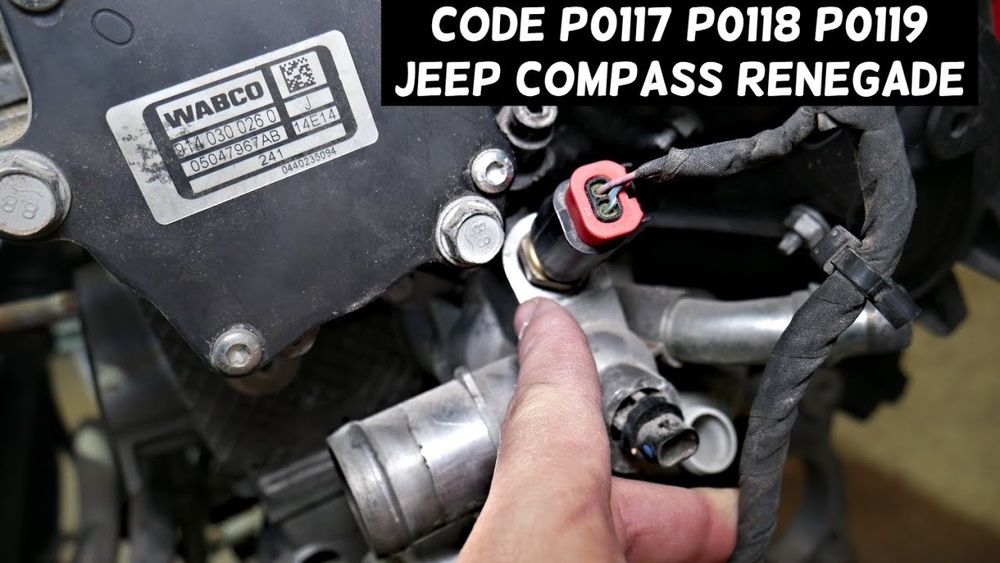
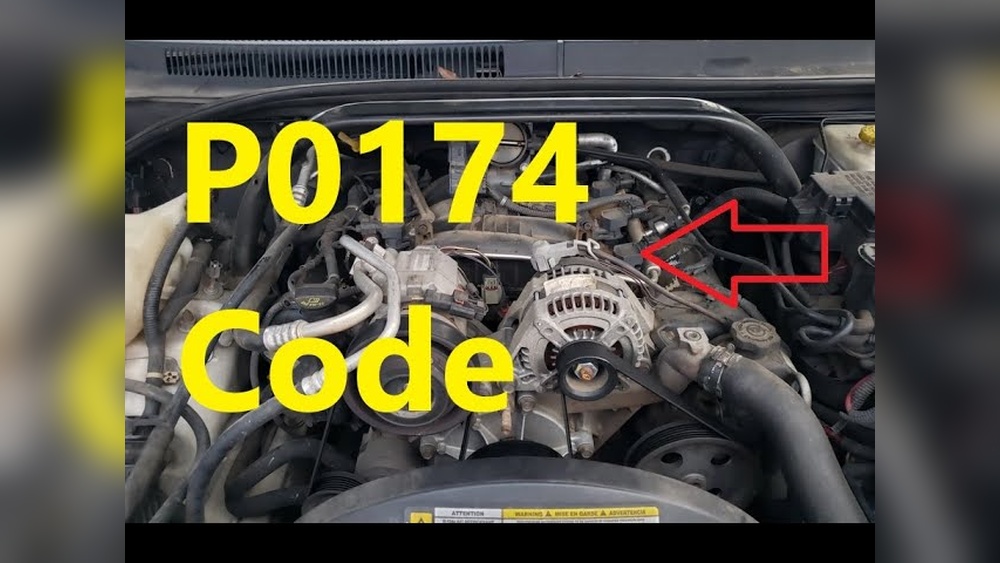
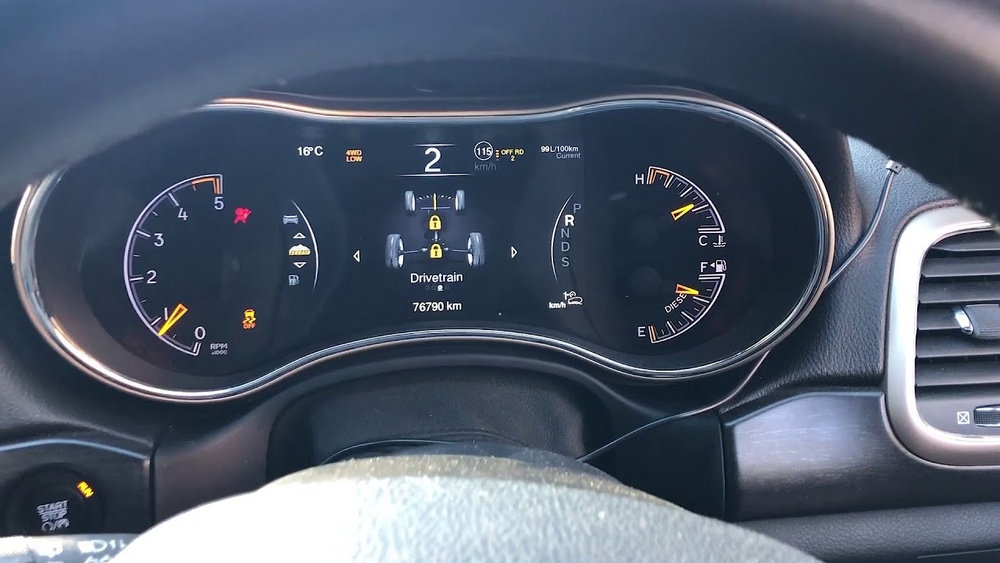
If your Jeep’s check engine light just came on, you’re probably wondering what it means and what to do next. That little warning light might seem scary, but it’s actually your Jeep’s way of telling you something needs attention.
It could be something as simple as a loose gas cap or something more serious that could affect your engine’s performance. You don’t have to guess or panic—understanding why your Jeep’s check engine light is on can save you time, money, and headaches.
Keep reading to learn how to quickly diagnose the problem, what common issues trigger this light, and when you should get professional help. Your Jeep depends on you to act fast—and we’ll show you exactly how.
Common Causes
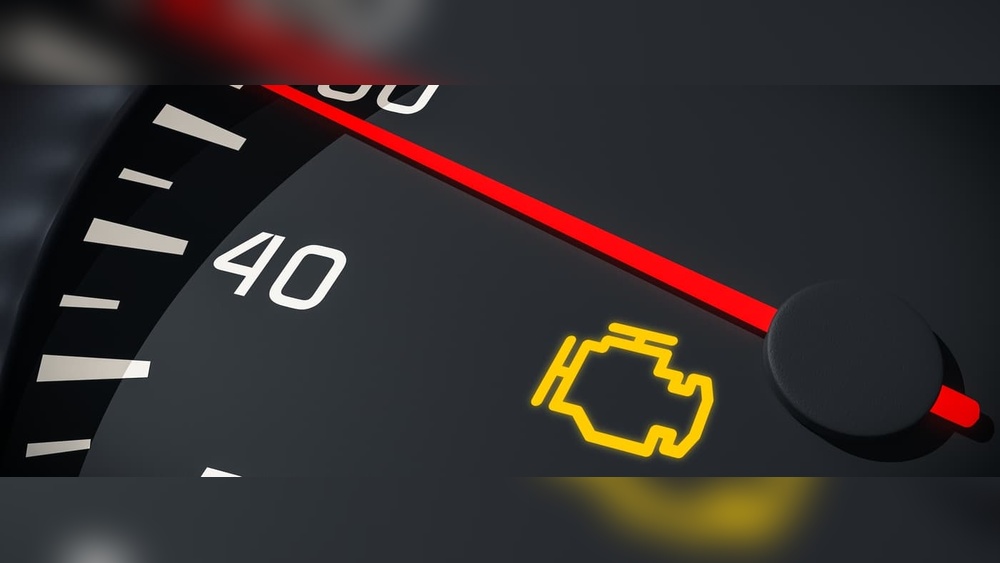
The check engine light in your Jeep signals an issue detected by the car’s computer. The problem can range from simple to serious. Understanding common causes helps in quick identification and repair. This section covers frequent reasons why the light turns on. Knowing these can save time and money.
Loose Gas Cap
A loose or missing gas cap causes fuel vapor leaks. The system detects this as an emissions problem. Tightening or replacing the gas cap often clears the light. This is the easiest fix for many Jeep owners.
Faulty Oxygen Sensor
The oxygen sensor measures oxygen in exhaust gases. A bad sensor sends wrong data to the engine computer. This affects fuel mixture and increases emissions. Replacing a faulty oxygen sensor improves fuel efficiency and performance.
Bad Catalytic Converter
The catalytic converter cleans harmful gases from the exhaust. Over time, it can become clogged or damaged. A bad catalytic converter causes poor engine performance and higher emissions. It often triggers the check engine light.
Ignition System Issues
Problems with spark plugs, wires, or coils can cause misfires. The engine computer detects these misfires and turns on the light. Fixing ignition components restores smooth engine operation.
Mass Airflow Sensor Problems
The mass airflow sensor measures air entering the engine. A dirty or failing sensor sends incorrect signals. This causes rough idling and poor fuel economy. Cleaning or replacing the sensor usually solves the issue.
Vacuum Leaks
Vacuum leaks allow extra air into the engine. This disrupts the air-fuel balance. The engine runs poorly and triggers the check engine light. Finding and fixing vacuum leaks improves engine performance.

Reading Codes Without A Scanner
Reading codes without a scanner can save time and money. Some Jeep models let you retrieve error codes using the dashboard. This process helps you understand why the check engine light is on. You can diagnose simple problems before visiting a mechanic.
Dashboard Code Retrieval
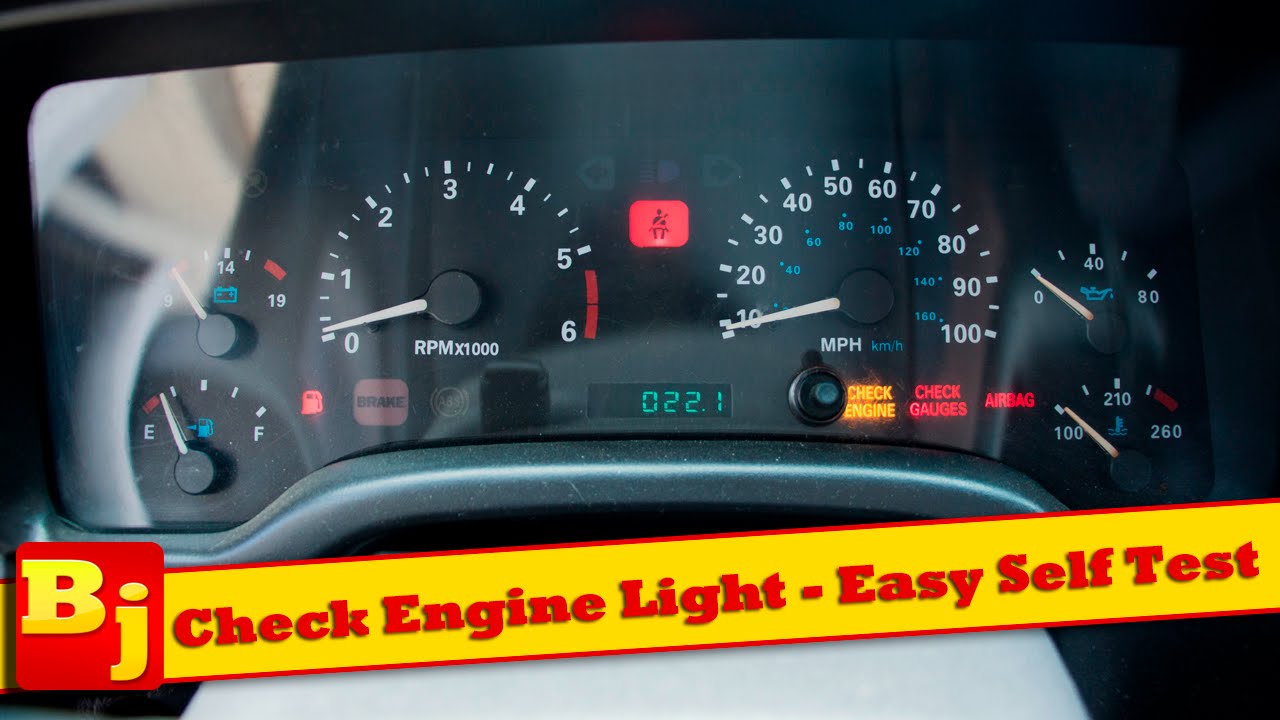
Turn your Jeep off and close all doors. Insert the key into the ignition. Do not start the engine yet. Cycle the key from OFF to ON three times. End the last turn in the ON position. Watch your odometer or check engine light for flashing codes. These flashes represent numbers you will decode.
Using Key Cycle Method
This method works on many Jeep models from the early 2000s. Turn the key OFF, then ON, repeating three times. Each flash of the check engine light counts as a digit. Long flashes show tens, and short flashes show ones. For example, two long flashes and three short flashes mean code 23.
Interpreting The Codes
Once you get the code, write it down. Use your Jeep’s manual or online resources to understand it. Codes point to specific system issues like sensors or emissions. Some codes indicate minor fixes like a loose gas cap. Others may need professional help to repair.
Quick Fixes
Knowing when to seek professional help for your Jeep’s check engine light is crucial. Not every light signals an emergency, but some require immediate attention. Acting quickly can prevent costly repairs and keep you safe on the road.
Flashing Check Engine Light
A flashing check engine light means a serious problem. It often signals engine misfires that can damage the catalytic converter. Stop driving and get your Jeep checked by a mechanic right away. Continuing to drive can cause severe engine damage.
Persistent Warning Codes
If the check engine light stays on for several days, it means the issue is not fixed. Persistent warning codes indicate ongoing problems that need diagnosis. A professional can read these codes and find the exact cause. Delaying repairs can lead to bigger problems and higher costs.
Emissions And Safety Concerns
Some issues affect your Jeep’s emissions and safety systems. Problems with the catalytic converter or oxygen sensors can increase pollution. Safety features like the anti-lock brakes may also be linked to warning lights. Have a technician inspect your vehicle to ensure it meets safety and emissions standards.
When To Seek Professional Help
Driving with the check engine light on in your Jeep can be worrying. Knowing how to respond keeps you safe and protects your vehicle. This section offers clear tips on what to do when the light appears. Learn how to drive safely and avoid further damage.
Non-emergency Light
A steady check engine light usually means a minor issue. Your Jeep is safe to drive for a short time. Avoid long trips before getting a diagnosis. Check the gas cap first; tightening it often solves the problem. Plan to visit a mechanic soon to prevent bigger problems.
Emergency Situations
A flashing check engine light signals a serious problem. Stop driving immediately to avoid damage. Pull over safely and turn off the engine. Call for roadside assistance or a tow to a repair shop. Ignoring this warning can cause costly repairs or breakdowns.
Fuel Efficiency Impact
The check engine light can affect your Jeep’s fuel economy. Engine problems may cause poor gas mileage. Drive gently to reduce fuel use until fixed. Avoid heavy acceleration and high speeds. Fixing the issue promptly saves money on fuel and repairs.
Driving Tips With Light On
Preventive maintenance plays a vital role in keeping your Jeep’s check engine light off. Regular upkeep helps detect small problems before they grow into costly repairs. It also ensures your vehicle runs smoothly and safely on the road. Following simple maintenance steps protects your engine and improves fuel efficiency.
Regular Oil Changes
Changing your Jeep’s oil on time keeps the engine parts lubricated. Clean oil reduces friction and prevents overheating. Old, dirty oil can cause engine damage and trigger the check engine light. Follow the manufacturer’s recommended oil change intervals for best results.
Scheduled Inspections
Routine inspections catch worn or faulty parts early. Mechanics check important systems like brakes, exhaust, and ignition. These checks help avoid unexpected breakdowns and warning lights. Trust scheduled inspections to maintain your Jeep’s health and safety.
Keeping Sensors Clean
Dirty sensors can send wrong signals to your Jeep’s computer. This may cause the check engine light to turn on. Clean sensors, such as the oxygen and mass airflow sensors, keep readings accurate. Use proper cleaning methods or ask a professional for help.

Conclusion
The check engine light in your Jeep signals a detected issue. It could be simple, like a loose gas cap, or more serious. Don’t ignore the light, as timely checks prevent bigger problems. Use easy steps to read the code yourself.
Addressing the issue early keeps your Jeep running smoothly and safely. Stay alert and maintain your vehicle regularly for best results.