If your Jeep Liberty’s check engine light just came on, you’re probably wondering what those OBD II codes mean and how they affect your ride. Understanding these codes can save you time, money, and stress by pinpointing the exact issues your Jeep might be facing.
Whether you want to read the codes yourself or need a quick guide to decode them, this article is here to help you take control of your Jeep’s health. Keep reading, and you’ll learn how to access, interpret, and act on your Jeep Liberty OBD II codes like a pro.
Jeep Liberty Obd Ii Basics
Jeep Liberty OBD II codes help identify problems in your vehicle. These codes give clues about engine, transmission, and electrical issues. Understanding common codes makes repairs easier and faster. You can read these codes with a scan tool or code reader.

Engine And Emission Codes
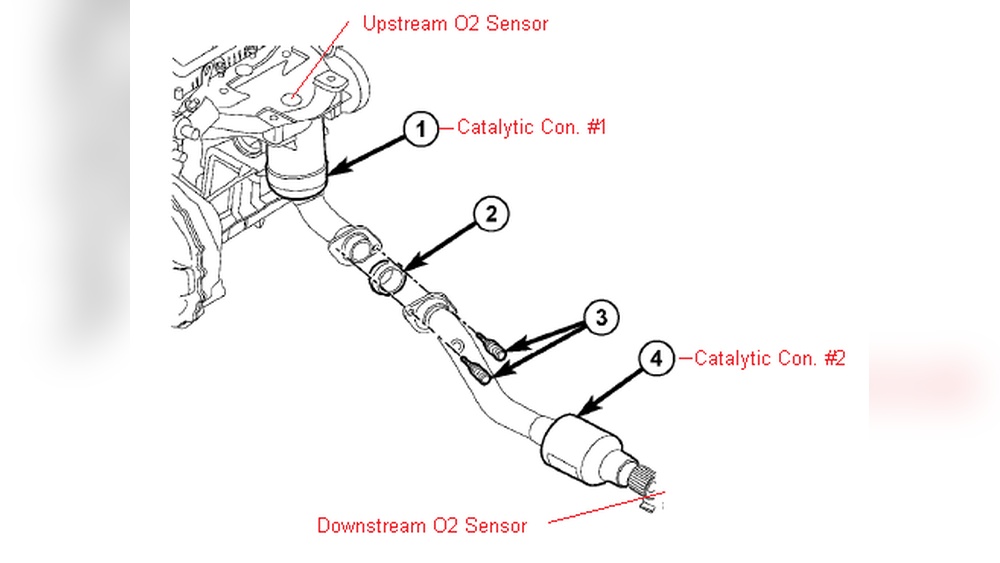
Engine and emission codes show problems with fuel, air, and exhaust systems. Codes like P0300 mean random misfires. P0420 signals catalyst system efficiency below threshold. P0171 means the engine runs too lean. These codes point to issues affecting performance and emissions.
Transmission Codes
Transmission codes reveal faults in shifting and transmission control. P0700 is a general transmission control system code. P0730 shows incorrect gear ratio detected. P0740 means torque converter clutch circuit problem. These codes help find transmission faults early.
Sensor And Electrical Codes
Sensor and electrical codes indicate sensor failures or wiring issues. P0113 means intake air temperature sensor high input. P0128 shows coolant temperature below thermostat regulating temperature. P0455 points to a large EVAP system leak. Fixing sensor problems improves vehicle reliability.

Common Jeep Liberty Codes
Reading Jeep Liberty OBD II codes without a scanner is possible and useful. It helps identify car problems quickly. This method does not require expensive tools or special skills. You can use the vehicle’s built-in system to retrieve the codes. Follow simple steps and learn what your Jeep is trying to tell you. Understanding these codes can save time and money on repairs.
Using The Key Turn Method
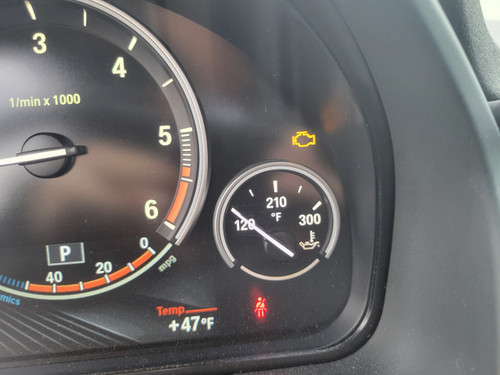
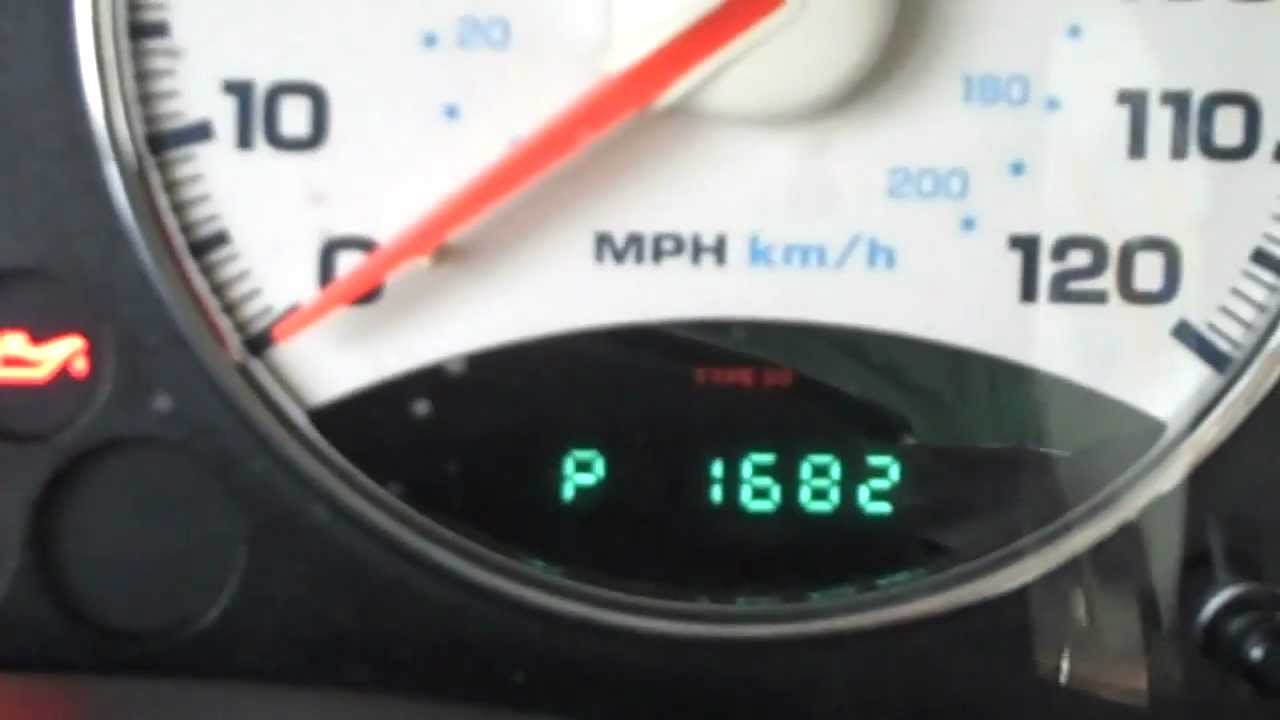
This method uses the ignition key to access codes. Insert the key into the ignition but do not start the engine. Turn the key from off to on three times quickly. End on the on position without starting the car. The check engine light will start to flash. These flashes represent the OBD II trouble codes stored in the car’s computer.
Interpreting Flash Codes
Watch the check engine light closely. It will flash in a pattern to show codes. A long flash means the first digit. A short flash means the second digit. For example, two long flashes followed by three short flashes equals code 23. Write down each code you see. These codes point to specific problems in your Jeep Liberty.
Online Code Lookup Resources
Once you have the codes, find their meanings online. Websites like obdcodes.com offer free code definitions. Enter the code number and read the explanation. These sites provide simple descriptions of issues. Use this information to decide if you can fix the problem or need a mechanic. Online resources make troubleshooting easier and clearer.
Conclusion
Understanding Jeep Liberty OBD II codes helps you spot issues early. These codes guide you to the exact problem area. Using simple tools, you can read and clear codes yourself. Regular checks keep your Jeep running smoothly and avoid costly repairs.
Keep a list of common codes handy for quick reference. Trust your Jeep’s system to alert you when something needs fixing. Stay proactive, and your Jeep Liberty will serve you well for years.