If you own a Jeep Grand Cherokee, seeing the U0403 code pop up can feel confusing and frustrating. This code points to a communication problem with the Transfer Case Control Module (TCCM), a key part of your vehicle’s 4WD system.
But don’t worry—understanding what causes the U0403 code and how to fix it can save you time and money. You’ll discover the common reasons behind this error, simple troubleshooting tips you can try, and when it’s best to seek professional help.
Keep reading to get your Grand Cherokee back on the road smoothly and confidently.
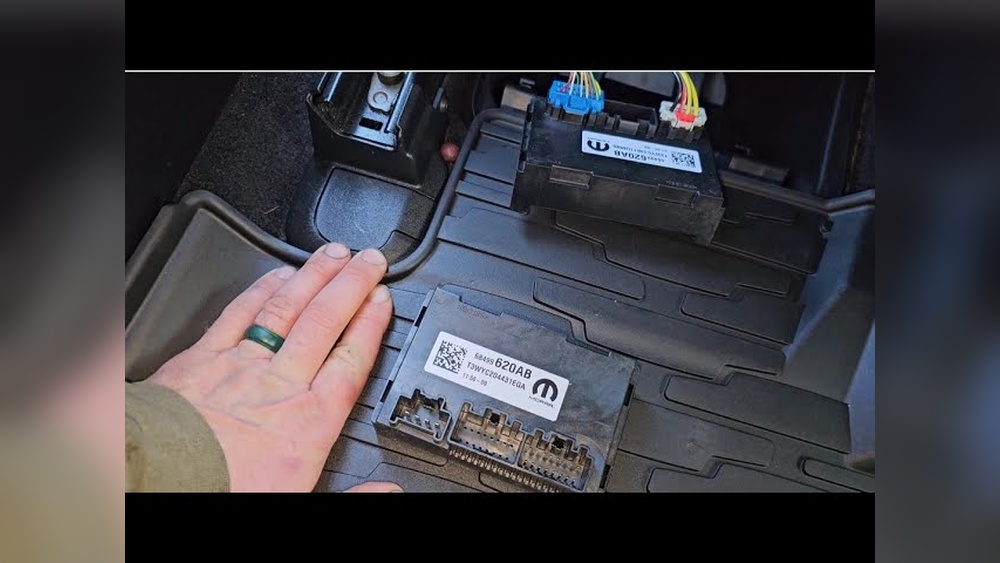
Symptoms Of U0403 Code
The U0403 code in a Jeep Grand Cherokee points to issues with the transfer case control system. Several common causes can trigger this code. Understanding these helps in quick and effective repairs. Below are the main reasons behind the U0403 error.
Transfer Case Control Module Failure
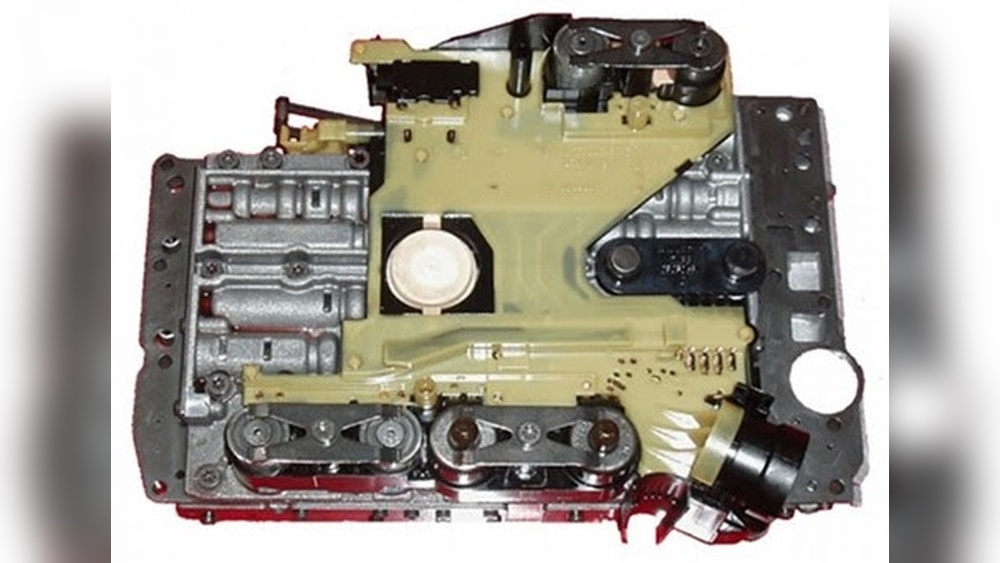
The transfer case control module (TCCM) controls the four-wheel-drive system. It can fail due to internal faults or software glitches. A failing module may send wrong signals or no signals at all. This causes improper transfer case operation and triggers the U0403 code.
Wiring And Connector Problems
Wiring issues often cause communication errors with the TCCM. Corroded or damaged wires disrupt signals between the module and the transfer case. Loose or dirty connectors can also cause intermittent faults. Inspecting and repairing wiring can clear the code.
Faulty Transfer Case Sensors
Sensors on the transfer case provide critical data to the control module. If these sensors fail, they send incorrect information. The transfer case range position sensor is a common culprit. A failing shift motor sensor can also cause the U0403 error. Sensor replacement may be needed.
Common Causes
The battery and electrical system play a key role in the Jeep Grand Cherokee’s performance. Faulty electrical parts can cause error codes like U0403. Regular checks help spot problems early. These checks keep the vehicle reliable and safe on the road.
Focus on the battery, alternator, wiring harnesses, grounds, and connectors. Each part must work well to prevent electrical faults. Simple tests can reveal hidden issues. This section explains how to perform these important checks.
Testing Battery And Alternator
Start by testing the battery voltage with a multimeter. A healthy battery shows about 12.6 volts when the engine is off. When running, the alternator should raise voltage to 13.8–14.4 volts. This ensures the battery charges properly. Low voltage or no rise means the alternator may fail. Check battery terminals for corrosion and tightness. Clean or tighten as needed to avoid power loss.
Inspecting Wiring Harnesses
Look closely at wiring harnesses for cuts, frays, or damage. Damaged wires can cause communication errors like U0403. Pay special attention to wires near the transfer case and control modules. Use a flashlight to spot hidden damage. Replace or repair any worn sections. Secure loose wires to prevent chafing and future problems.
Checking Grounds And Connectors
Ground points and connectors must be clean and tight. Poor grounds cause voltage drops and signal issues. Remove connectors and check for corrosion or dirt. Clean contacts with electrical cleaner if needed. Reconnect firmly to ensure good contact. Test ground wires with a multimeter for continuity. Fix any bad grounds to restore proper electrical flow.
Battery And Electrical Checks
Diagnosing the U0403 code on a Jeep Grand Cherokee requires precise tools and clear steps. Proper diagnostic tools help identify the root cause quickly. Understanding the procedures saves time and avoids unnecessary repairs.
This section covers the essential tools and procedures to diagnose and fix the U0403 error code effectively.
Using Jeep-compatible Scanners
Use scanners designed for Jeep vehicles to ensure accurate readings. Generic scanners may miss key data or show incorrect codes. Jeep-compatible scanners connect to the vehicle’s OBD-II port easily. They provide specific codes and live data streams. Tools like JScan or AlphaOBD are popular choices. These scanners communicate directly with the Transfer Case Control Module. This connection helps detect faults causing the U0403 code.
Reading Live Data And Codes
Live data shows the real-time status of the transfer case and related systems. Look for unusual voltage or sensor readings. Confirm if the module sends or receives faulty signals. Reading stored trouble codes helps pinpoint the problem area. Focus on codes linked to the Transfer Case Control Module. This step guides the next repair or reset action. Monitoring live data also helps verify if repairs fix the issue.
Performing Module Relearn And Reflash
The Transfer Case Control Module may need relearning after repairs. Relearn procedures reset the module’s memory and sync it with vehicle systems. Some fixes require reflashing the module with updated software. This update corrects known bugs and improves performance. Use manufacturer-approved software for reflashing. Incorrect flashes can cause more problems. Completing relearn and reflash steps often resolves the U0403 error permanently.

Diagnostic Tools And Procedures
Knowing when to replace parts on your U0403 Jeep Grand Cherokee saves time and money. Parts wear out or fail due to age, damage, or electrical issues. Replacing parts too late can cause bigger problems or unsafe driving conditions.
This section helps you recognize key signs that signal part replacement. It covers control modules, sensors, and wiring. Early detection leads to smoother repairs and better vehicle performance.
Signs Of A Failing Control Module
The control module controls many vehicle functions. Watch for warning lights on the dashboard. Irregular shifting or loss of power may occur. The engine might stall or hesitate during acceleration. Check for error codes using a diagnostic tool. A failing module often causes repeated or random faults. Replacement is needed if resets and repairs don’t fix these problems.
Identifying Faulty Sensors
Sensors provide important data to the control module. Faulty sensors send wrong or no signals. This causes poor engine performance and strange behavior. Common signs include rough idling, stalling, or poor fuel economy. Diagnostics may show sensor-specific error codes. Cleaning sometimes helps, but replacement is often necessary if problems persist.
Evaluating Wiring Repair Vs Replacement
Wiring connects all electrical parts in your Jeep. Damaged wiring causes intermittent or total failure. Look for frayed wires, corrosion, or burnt smells. Minor damage can be repaired with splices or soldering. Extensive corrosion or broken wires require full replacement. Always test wiring continuity before deciding. Proper wiring ensures reliable communication between parts.

Conclusion
The U0403 code in a Jeep Grand Cherokee points to transfer case control issues. Checking the battery and wiring helps spot common problems early. Using a diagnostic tool can reveal sensor or module faults. Fixing these quickly keeps your Jeep running smoothly.
Stay attentive to warning lights and unusual behaviors. Regular maintenance avoids costly repairs down the road. Understanding this code helps you act with confidence. Keep your Grand Cherokee safe and reliable on every drive.