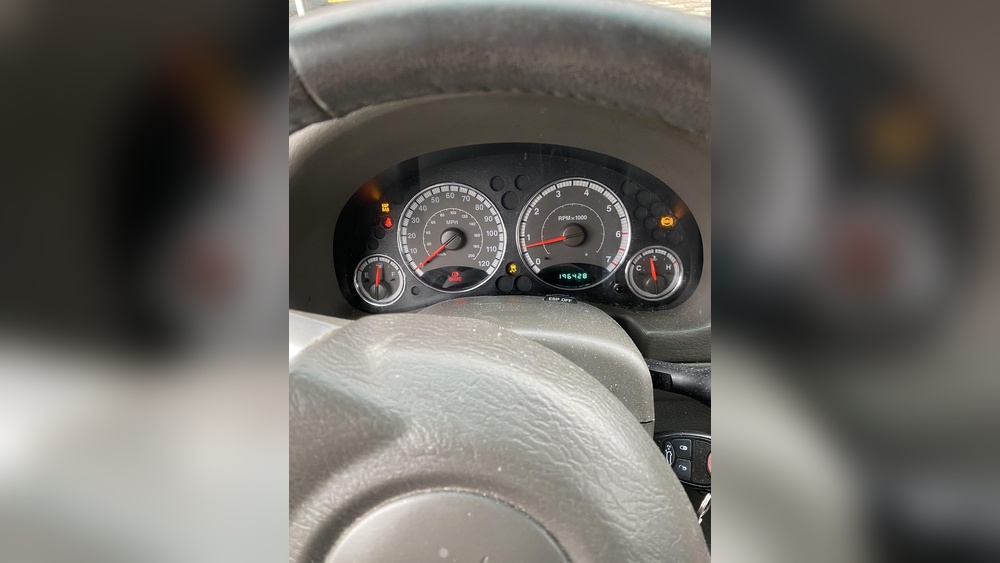
If your Jeep Renegade’s check engine light just turned on, you’re probably wondering what it means and what you should do next. That little warning can be confusing and even a bit worrying.
But don’t panic—your Jeep is simply telling you that something needs attention. Whether it’s a loose gas cap or a more serious engine issue, understanding why the light is on can save you time, money, and stress. You’ll discover the most common reasons behind the check engine light on your Renegade and learn the best steps to take to keep your vehicle running smoothly.
Keep reading to find out how to protect your Jeep and avoid costly repairs down the road.
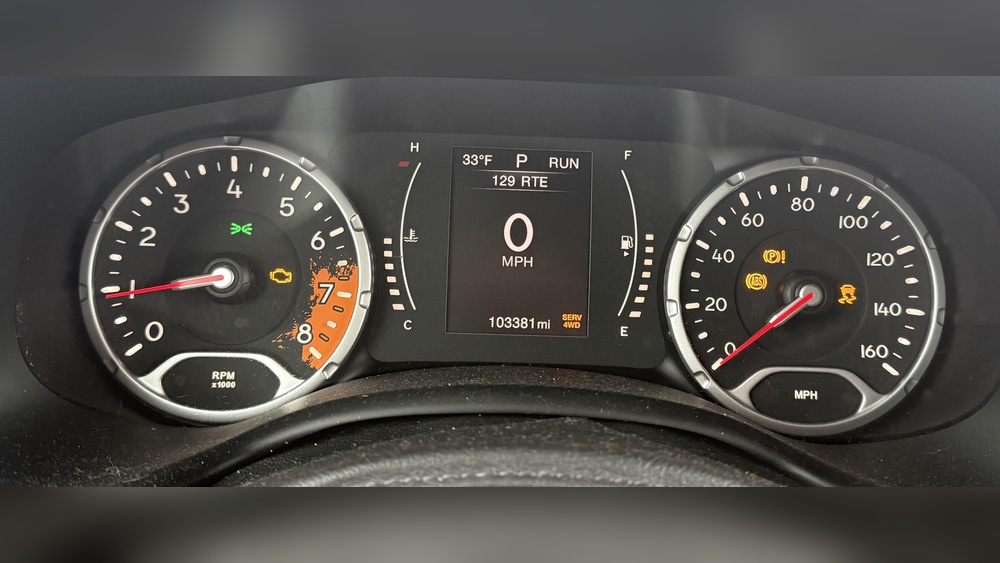
Common Causes
The Jeep Renegade’s check engine light can signal many issues. It warns you that the vehicle’s system found a problem. Identifying the cause helps avoid damage and costly repairs. Here are the common reasons behind the check engine light.
Loose Gas Cap
A loose gas cap is a frequent cause. It lets fuel vapors escape, triggering the warning. Tightening the cap often clears the light. Check the cap for cracks or damage too.
Faulty Oxygen Sensor
The oxygen sensor measures exhaust gases. A bad sensor causes poor fuel economy and emissions. Replacing it restores engine performance. It also stops the check engine light from coming on.
Catalytic Converter Issues
The catalytic converter reduces harmful emissions. Problems here affect engine power and fuel use. It can cause the engine light to glow. Repair or replacement may be necessary.
Ignition System Problems
Ignition system faults cause engine misfires. Spark plugs and ignition coils often fail. These issues trigger the check engine light. Fixing them improves engine smoothness and fuel efficiency.
Evaporative Emission System Faults
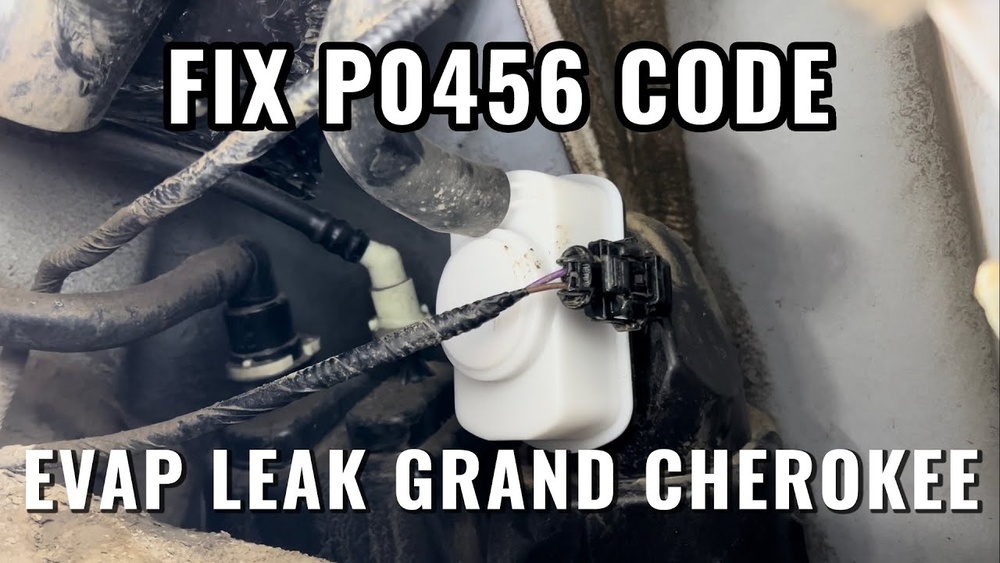
The evaporative system stops fuel vapors from escaping. Leaks or faulty parts cause the light to come on. Common faults include broken hoses or valves. Repairing these parts clears the warning light.

Warning Signs
The Jeep Renegade’s check engine light alerts you to potential engine or system problems. Recognizing warning signs early can prevent costly repairs. Pay attention to how the light behaves and changes in your vehicle’s performance. These signs help you decide when to take action.
Steady Vs Flashing Light
A steady check engine light means a minor issue. It could be a loose gas cap or a small sensor problem. A flashing light signals a serious problem. It often means engine misfire or risk of damage. Stop driving and get the Jeep checked immediately if the light flashes.
Performance Changes
You might notice your Jeep feels different when the check engine light is on. The engine may hesitate or lose power. Acceleration could be slower or uneven. These changes show the engine is not running properly. Monitoring these signs helps avoid bigger problems.
Fuel Efficiency Drops
A sudden drop in fuel efficiency often follows the check engine light. The engine may burn more fuel than usual. This change means your Jeep is not working at its best. Tracking fuel use helps spot issues early and saves money on gas.
Diagnostic Steps
When the Jeep Renegade check engine light turns on, it signals a problem. Finding the cause helps avoid bigger issues. Diagnostic steps can identify what triggers the light. These steps use tools and careful checks.
Start with simple tools and basic checks. Then, move to detailed scans. Understanding trouble codes helps fix the problem faster. Knowing when to visit a mechanic keeps you safe.
Using An Obd-ii Scanner
An OBD-II scanner reads data from the vehicle’s computer. Plug the scanner into the Renegade’s diagnostic port, usually under the dashboard. Turn the ignition on without starting the engine. The scanner powers up and connects to the vehicle’s system.
The device retrieves fault codes stored in the computer. These codes point to possible issues. Many scanners show code definitions on the screen. Some models connect to your phone for easier reading.
Reading Trouble Codes
Trouble codes start with a letter followed by numbers. The letter shows the system, like P for powertrain or B for body. The numbers specify the exact problem. For example, P0301 means a misfire in cylinder one.
Write down the codes shown by the scanner. Search online or in the manual for their meaning. Some codes are minor, like a loose gas cap. Others need quick attention, like an engine misfire.
When To Visit A Mechanic
Some problems require professional help. If the check engine light flashes, stop driving immediately. This signals a severe issue that can harm the engine. Also, seek a mechanic if you cannot clear the codes or fix the problem.
A mechanic has tools and skills for complex repairs. They can test parts and systems in detail. Visiting early prevents costly damage and keeps your Jeep Renegade running well.
Diy Fixes
The Jeep Renegade’s check engine light can feel worrying. Many issues behind this light are simple to fix at home. Doing basic checks saves time and money. You do not always need a mechanic. This section covers easy DIY fixes anyone can try.
Tightening Or Replacing Gas Cap
The gas cap is the most common cause of the check engine light. A loose or damaged cap lets fuel vapors escape. This triggers the engine light to come on. Start by tightening the gas cap firmly. If the light stays on, replace the cap with a new one. This simple step often clears the warning quickly.
Replacing Faulty Sensors
Sensors monitor many engine parts and send data to your vehicle’s computer. A bad sensor can cause the engine light to activate. Common sensors to check include the oxygen sensor and mass airflow sensor. Replacing a faulty sensor can restore proper engine function. Use an OBD-II scanner to find which sensor is faulty before buying a replacement.
Checking Engine Relays And Fuses
Relays and fuses protect your engine’s electrical system. A blown fuse or a bad relay can cause the check engine light to glow. Open the fuse box and check for any damaged fuses. Replace any blown fuses with the correct type. Test engine relays by swapping with a similar relay if needed. This can fix electrical problems without a trip to the shop.
Professional Repairs
Preventive maintenance plays a key role in keeping your Jeep Renegade running smoothly. It helps avoid unexpected issues that trigger the check engine light. Regular care improves engine life and boosts performance. Understanding simple maintenance tasks can save time and money.
Regular Engine Checks
Perform regular engine checks to spot problems early. Check oil levels and quality often. Replace oil and filters according to the manufacturer’s schedule. Inspect spark plugs and ignition components for wear. Clean or replace air filters to ensure proper airflow. These steps help the engine run efficiently and reduce the chance of faults.
Fuel System Care
Maintain the fuel system to prevent check engine warnings. Use quality fuel to avoid clogging injectors. Clean fuel injectors periodically to keep fuel flow steady. Replace fuel filters as recommended. Check for leaks in fuel lines and the gas cap seal. A tight gas cap prevents evaporative emissions errors that can trigger the engine light.
Software Updates And Recalls
Keep your Jeep’s software up to date. Manufacturers release updates to fix bugs and improve engine management. Check for recalls regularly, as they may affect engine performance. Visit your dealer to apply necessary updates and recall repairs. Updated software helps the vehicle detect and address faults correctly, reducing false check engine alerts.

Conclusion
The Jeep Renegade check engine light alerts you to potential issues. It can mean simple problems like a loose gas cap. Or it may signal more serious engine or emissions faults. Always read the trouble code to find the exact cause.
Addressing the issue early can save time and money. Don’t ignore the light, even if the vehicle runs fine. Regular maintenance keeps your Renegade safe and reliable on the road. Stay alert and take action when the light appears. Your Jeep deserves proper care for long-lasting performance.