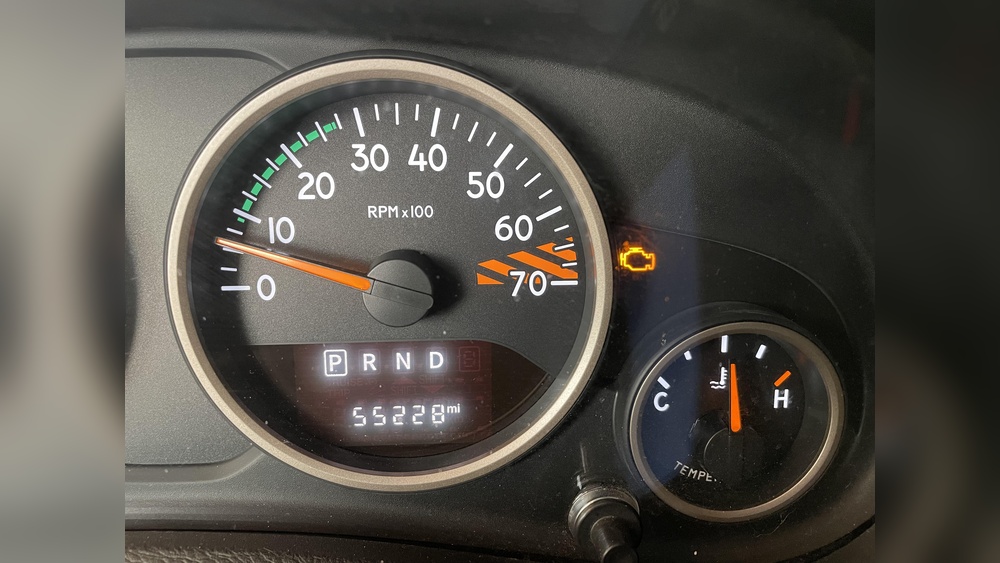
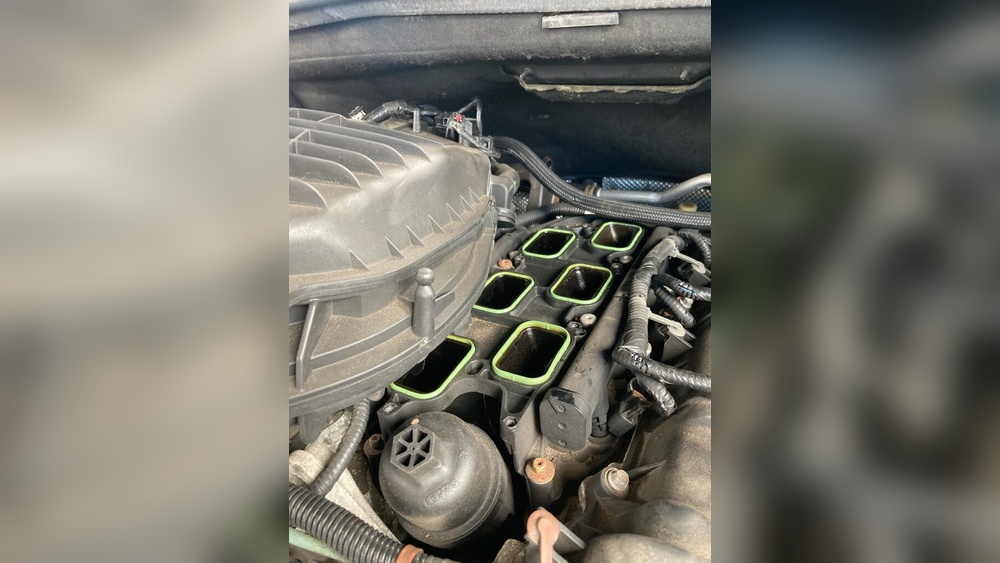
If you own a Jeep and have recently seen the dreaded P0123 code pop up on your dashboard, you’re probably wondering what it means and how it affects your vehicle. This code points to an issue with your throttle position sensor, a key part that helps your Jeep’s engine respond smoothly when you press the gas pedal.
Ignoring it can lead to rough idling, hesitation, or even your Jeep going into limp mode, limiting power and speed. But don’t worry—you’re in the right place to understand exactly what triggers the P0123 code, how to diagnose it, and the simple steps you can take to fix it and get your Jeep running like new again.
Keep reading to save time, avoid costly repairs, and take control of your Jeep’s performance.

Symptoms Of P0123 Code
Dealing with the P0123 code on your Jeep does not always require complex repairs. Some quick fixes can restore your vehicle’s performance fast. These simple steps focus on the throttle body and its sensor.
Start by inspecting key parts that often cause the issue. Cleaning, replacing, or repairing can solve the problem without costly visits to the mechanic. Each fix targets common causes of the P0123 code.
Cleaning The Throttle Body
Carbon buildup can block the throttle body, affecting sensor readings. Remove the air intake tube carefully. Use a throttle body cleaner and a soft brush. Clean the butterfly valve and bore gently. This removes deposits that cause the sensor to send wrong signals. Regular cleaning keeps your Jeep running smoothly and avoids the P0123 code.
Replacing The Throttle Position Sensor
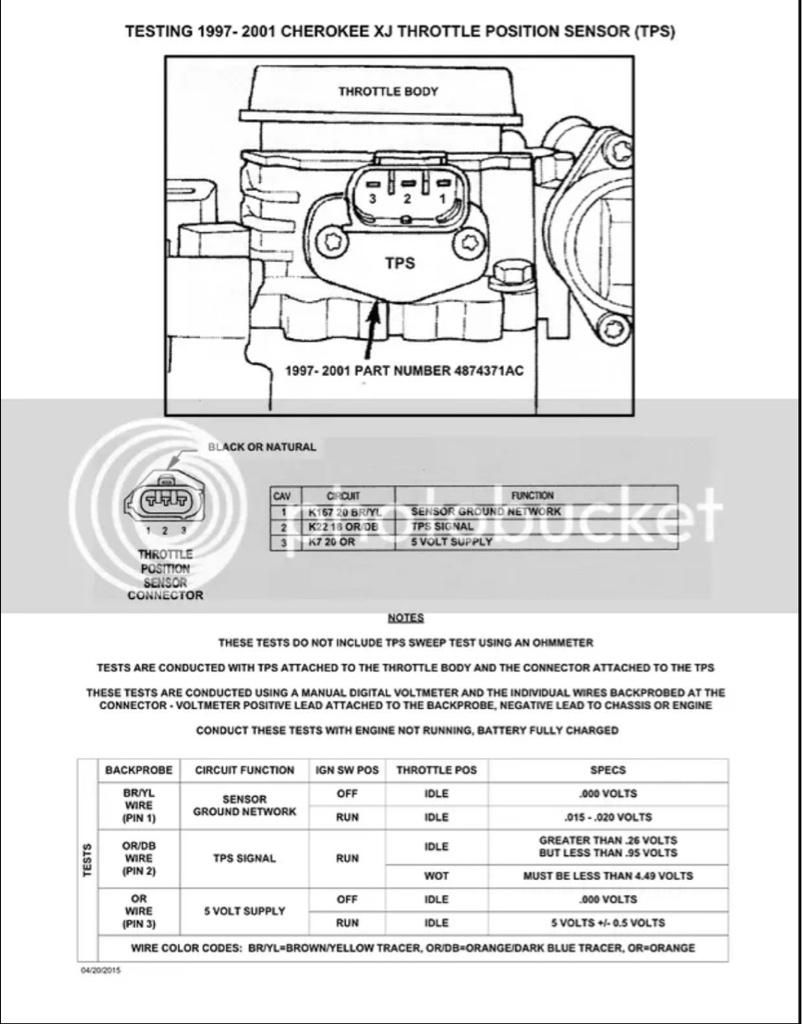
The throttle position sensor (TPS) may fail over time. Test the sensor with a multimeter to check voltage output. If it is faulty, replace it with a new one. Some Jeep models require replacing the whole throttle body. A fresh sensor ensures accurate data for the engine control unit. This fix often clears the P0123 code quickly.
Repairing Wiring Issues
Wiring problems can cause sensor errors and trigger the P0123 code. Inspect wires and connectors for damage or corrosion. Repair or replace any frayed or broken wires. Secure loose connections to avoid intermittent faults. Proper wiring helps maintain clear communication between the sensor and computer. Fixing wiring issues prevents false sensor readings and engine problems.
Common Causes
Preventive maintenance helps avoid the P0123 code in your Jeep. Simple steps keep the throttle system working well. These tips reduce sensor errors and improve engine performance. Regular care saves time and repair costs.
Regular Throttle Body Cleaning
Clean the throttle body every 20,000 miles or as needed. Use a throttle body cleaner and a soft brush. Remove dirt and carbon buildup from the butterfly valve. A clean throttle body ensures smooth airflow and sensor accuracy. This prevents false signals that trigger the P0123 code.
Routine Sensor Checks
Inspect the throttle position sensor regularly. Look for signs of wear or damage. Test sensor voltage with a multimeter to confirm proper function. Replace the sensor if readings are off. Checking sensors early avoids unexpected engine problems and warning lights.
Maintaining Wiring Integrity
Check wiring connected to the throttle position sensor. Look for frayed, corroded, or loose wires. Secure all connectors tightly to prevent signal loss. Damaged wiring causes incorrect sensor data and triggers error codes. Keeping wiring in good shape ensures reliable sensor signals.

Conclusion
The P0123 code signals a throttle position sensor issue in your Jeep. Fixing it helps avoid rough idling and power loss. Start by checking the sensor and cleaning the throttle body. Replace parts if necessary for smooth driving. Address problems early to keep your Jeep running well.
Simple care saves time and money later. Stay attentive to your Jeep’s signals for safer trips.