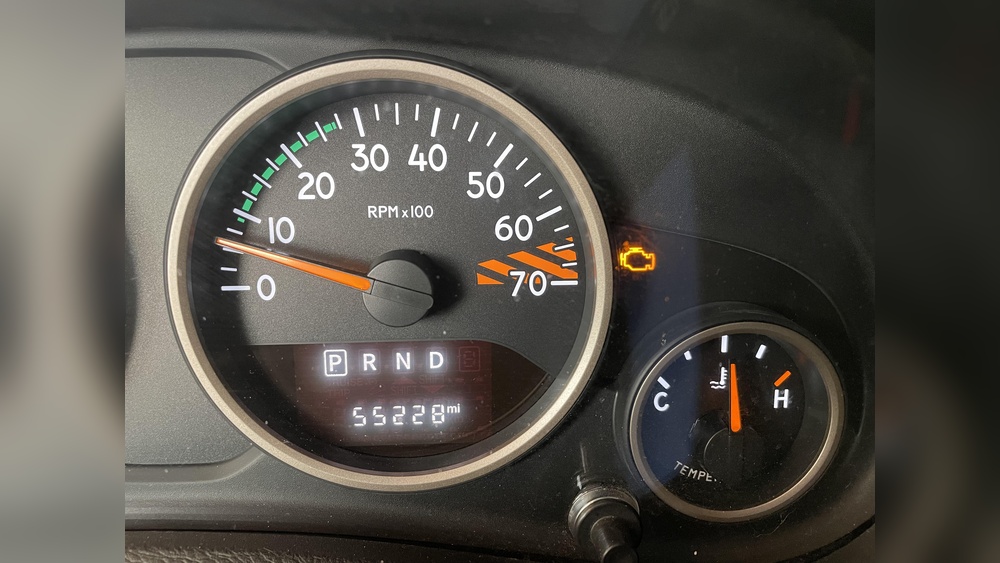
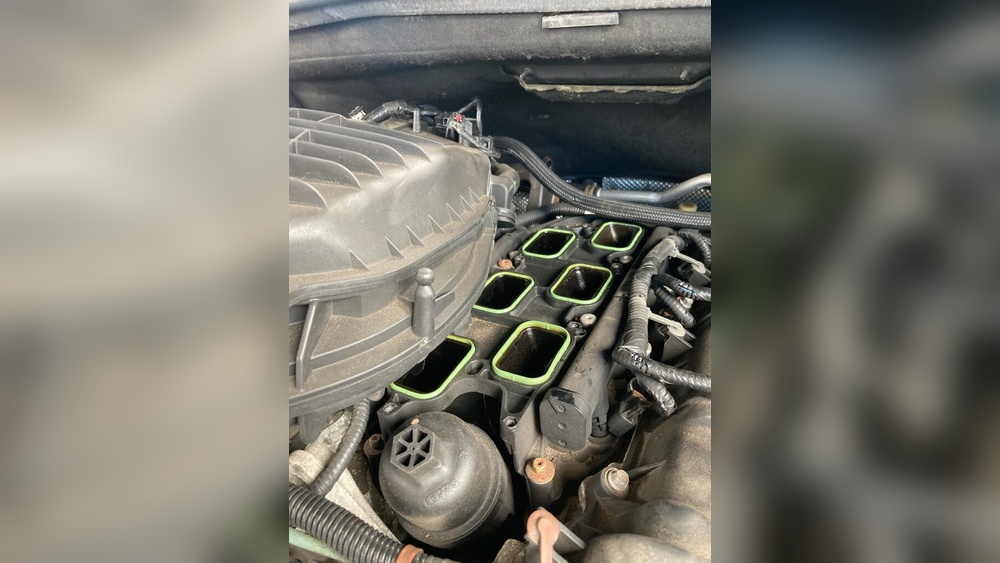
If your Jeep’s check engine light just came on and you’ve seen the code P0153 pop up, you might be wondering what it means and how it affects your ride. You rely on your Jeep to get you through tough trails and daily drives, so understanding this code is key to keeping your vehicle running smoothly.
P0153 points to a problem with the oxygen sensor circuit, which plays a big role in your Jeep’s fuel efficiency and engine performance. Don’t worry—this guide will walk you through the symptoms to watch for, common causes, and simple steps you can take to fix the issue and get back on the road with confidence.
Keep reading to learn how to decode P0153 and protect your Jeep’s engine health.


Symptoms Of Po153 Code
The Po153 code on a Jeep signals an issue with the oxygen sensor circuit. This code usually means the sensor’s response is slow or weak. Several factors can cause this problem. Understanding these common causes helps you fix the issue faster.
Worn Oxygen Sensor
The oxygen sensor can wear out over time. Heat and contamination reduce its ability to read oxygen levels correctly. A worn sensor sends delayed or wrong signals to the engine computer. This affects engine performance and fuel efficiency.
Exhaust System Leaks
Leaks in the exhaust system near the sensor cause false readings. Air enters the exhaust and changes the oxygen sensor’s measurements. This results in incorrect data being sent to the engine control unit. Small cracks or holes often cause these leaks.
Faulty Heater Circuit
The oxygen sensor has a heater to reach the correct temperature quickly. A faulty heater circuit stops the sensor from heating properly. When the sensor stays cold, it cannot send accurate signals. This leads to the Po153 code showing on your Jeep.

Common Causes
Clearing the PO153 code on your Jeep is an essential step after diagnosing and fixing the issue. This code usually points to a problem with the oxygen sensor circuit. Removing it ensures your vehicle’s computer resets and monitors the system afresh. Clearing the code prevents the check engine light from staying on and helps verify the repair.
There are a couple of ways to clear the PO153 code. You can use professional services or try manual methods. Both approaches work well, but each has its own advantages. Choose the one that fits your situation best.
Using Autozone Or Pep Boys Services
Many auto parts stores, like AutoZone and Pep Boys, offer free code reading and clearing services. They use an OBD-II scanner to connect to your Jeep’s computer. This tool reads the stored trouble codes and erases them after repairs. The process is quick and simple, often taking only a few minutes. These stores also provide advice on repairs and parts if needed.
Manual Code Reset Techniques
You can clear the PO153 code manually without a scanner. Start by turning your ignition key from OFF to ON three times quickly. Leave it in the ON position on the third turn. Watch your dashboard odometer or check engine light for the code to flash. This method resets the vehicle’s computer and clears minor codes. Another way is to disconnect the battery for about 15 minutes. This cuts power to the computer and erases stored codes. After reconnecting, start your Jeep and check if the light stays off.
Conclusion
The P0153 Jeep code points to an oxygen sensor issue. This sensor helps control engine performance and emissions. Ignoring it can reduce fuel efficiency and cause engine problems. Checking wiring and sensor condition is important. Replacing a faulty sensor restores smooth driving.
Use simple steps to read and clear the code. Taking care of this issue keeps your Jeep running well. Stay alert to warning signs for safe and efficient driving.