You’re driving your 2014 Jeep Wrangler when suddenly, the check engine light pops on. That little warning can be worrying, especially if you’re not sure what it means or how serious it is.
But don’t panic—you’re not alone, and this guide is here to help you understand what’s going on under your hood. Whether it’s a simple fix like tightening your gas cap or something that needs a mechanic’s attention, knowing how to check your Jeep’s engine codes and what steps to take next can save you time and money.
Keep reading to learn exactly what your check engine light means, how to diagnose the issue yourself, and when you should get professional help. Your Jeep deserves the best care, and so do you.
Common Causes
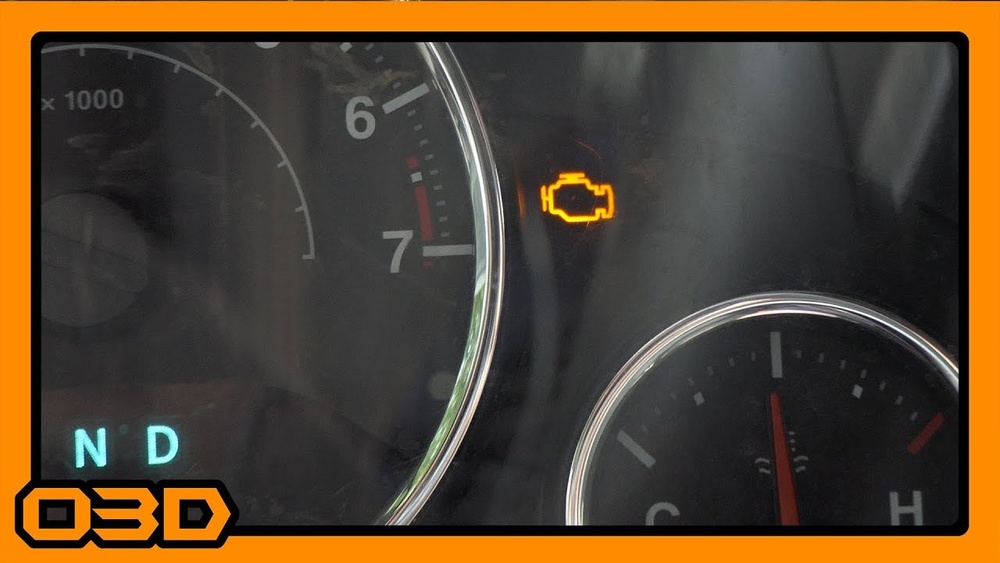
The check engine light on a 2014 Jeep Wrangler can come on for many reasons. Understanding the common causes helps you know what to check first. Some issues are simple to fix, while others need professional help. Here are the most frequent problems that trigger this warning light.
Loose Gas Cap
A loose or missing gas cap often causes the check engine light. It lets fuel vapors escape, which the car’s system detects as a leak. Tightening or replacing the gas cap usually solves the problem quickly.
Oxygen Sensor Issues
The oxygen sensor measures the amount of oxygen in the exhaust. If it fails, the engine may run poorly and use more fuel. A faulty sensor also causes the check engine light to turn on and needs replacement to fix.
Evap System Leaks
The EVAP system stops fuel vapors from escaping into the air. Leaks in this system, such as broken hoses or valves, trigger the warning light. Finding and fixing these leaks stops the light from coming on again.
Faulty Spark Plugs
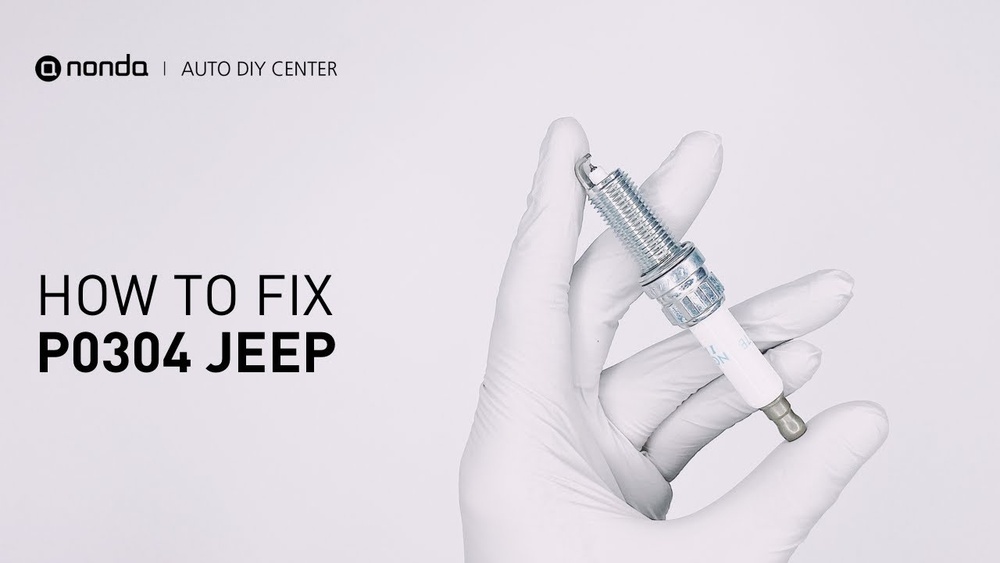
Spark plugs ignite the fuel in the engine. When they wear out or fail, the engine misfires and runs rough. This problem causes the check engine light to appear and affects fuel efficiency and power.
Mass Airflow Sensor Problems
The mass airflow sensor measures air entering the engine. A dirty or broken sensor leads to poor engine performance. It also causes the check engine light to activate and needs cleaning or replacement.

Reading Engine Codes
The Check Engine Light on a 2014 Jeep Wrangler can signal simple problems. Many issues have quick fixes. These fixes save time and money. They often clear the warning light fast. Here are some common quick fixes to try.
Tightening Or Replacing Gas Cap
A loose gas cap often triggers the Check Engine Light. It lets fuel vapors escape, causing an error code. Tighten the cap firmly until it clicks. If the cap is cracked or old, replace it. This fix is easy and effective.
Replacing Oxygen Sensors
Oxygen sensors monitor exhaust gases. A bad sensor lowers fuel efficiency and triggers the light. Signs include poor gas mileage and rough idling. Replacing faulty sensors improves engine performance. It also turns off the warning light.
Fixing Evap Leaks
The EVAP system stops fuel vapors from leaking. Cracked hoses or loose connections cause leaks. These leaks trigger the Check Engine Light. Inspect hoses and seals for damage. Repair or replace broken parts to fix the issue.
Changing Spark Plugs
Worn spark plugs affect engine firing. Misfires cause the Check Engine Light to come on. Replace old or fouled spark plugs. New plugs improve engine smoothness and fuel economy. This simple step clears the light in many cases.
Cleaning Mass Airflow Sensor
The mass airflow sensor measures air entering the engine. Dirt buildup causes wrong readings and triggers the warning light. Remove and clean the sensor carefully with cleaner spray. This often restores normal engine function and turns off the light.
Quick Fixes
The check engine light in your 2014 Jeep Wrangler can turn on for many reasons. After fixing the issue, resetting the light is the next step. Resetting clears the error code and turns off the light. This helps you know if the problem is gone or returns. There are several ways to reset this light, from simple manual methods to using special tools.
Manual Reset Methods
One common way to reset the light is by disconnecting the battery. First, turn off your Jeep and open the hood. Use a wrench to remove the negative battery cable. Wait about 15 minutes, then reconnect the cable. This can clear the check engine codes and reset the light.
Another manual method is to cycle the ignition key. Insert the key and turn it from OFF to ON three times in a row. Do not start the engine. This might reset the light on some Jeep models. Keep in mind, manual resets might not work if the issue is still present.
Using An Obd-ii Scanner
An OBD-II scanner is a handy tool for Jeep owners. Plug the scanner into the port under the dashboard. Turn on the ignition without starting the engine. The scanner will read the error codes causing the light. After fixing the problem, use the scanner to clear the codes and reset the light.
These scanners are affordable and easy to use. Many apps also connect to Bluetooth OBD-II devices for quick resets. This method ensures the light resets only after the problem is fixed, preventing false resets.
When To Seek Professional Help
Sometimes, the check engine light stays on even after resets. This means the problem may need expert attention. If the light flashes or returns quickly, avoid driving your Jeep. Flashing lights can indicate serious engine issues.
Visit a professional mechanic or Jeep service center. They have advanced tools to diagnose and repair complex problems. Professionals also reset the light safely after repairs. This keeps your Jeep running smoothly and prevents further damage.
Safety Tips
Preventive maintenance plays a key role in keeping your 2014 Jeep Wrangler running smoothly. It helps avoid unexpected issues that cause the check engine light to turn on. Regular care keeps the engine healthy and improves vehicle performance. Simple steps can extend your Jeep’s life and save repair costs.
Regular Inspections
Inspect your Jeep frequently for any signs of wear or damage. Check fluid levels like oil, coolant, and brake fluid. Look for leaks or loose parts under the hood. Early detection of problems can stop bigger issues from developing. Regular inspections ensure the engine runs clean and efficiently.
Scheduled Tune-ups
Follow the manufacturer’s recommended tune-up schedule. Replace spark plugs and air filters as needed. Tune-ups keep the ignition and fuel systems working properly. They help your Jeep maintain good fuel economy and reduce emissions. Proper tune-ups prevent the check engine light from activating.
Fuel System Care
Use quality fuel to protect the engine and fuel system parts. Clean the fuel injectors to avoid clogs that trigger engine warnings. Check the gas cap for a secure fit to prevent vapor leaks. A well-maintained fuel system lowers the risk of check engine light alerts.
Frequently Asked Questions
What Is The Most Common Check Engine Light On A Jeep Wrangler?
The most common check engine light cause on a Jeep Wrangler is a loose or damaged gas cap. This issue often triggers the light.
Can I Drive My Jeep With The Engine Light On?
You can drive your Jeep briefly with a steady engine light on. Avoid driving if it blinks, indicating serious issues. Get the problem diagnosed and fixed soon to prevent damage.
What Is The First Thing To Check When The Check Engine Light Comes On?
First, check if the gas cap is loose or damaged and tighten it securely. Next, scan for trouble codes using an OBD-II scanner.
Can I Drive $1000 Miles With The Check Engine Light On?
Driving 1,000 miles with the check engine light on risks damage. Stop if the light blinks or car stalls. Get a diagnostic check soon.
Conclusion
The check engine light on your 2014 Jeep Wrangler signals a need for attention. Common issues like a loose gas cap or faulty sensors often cause it. You can easily check engine codes without special tools by cycling the ignition key.
Driving with the light on is sometimes okay, but get your Jeep checked soon. Staying aware helps keep your Wrangler running smoothly and safely. Don’t ignore the warning; small fixes can prevent bigger problems later.