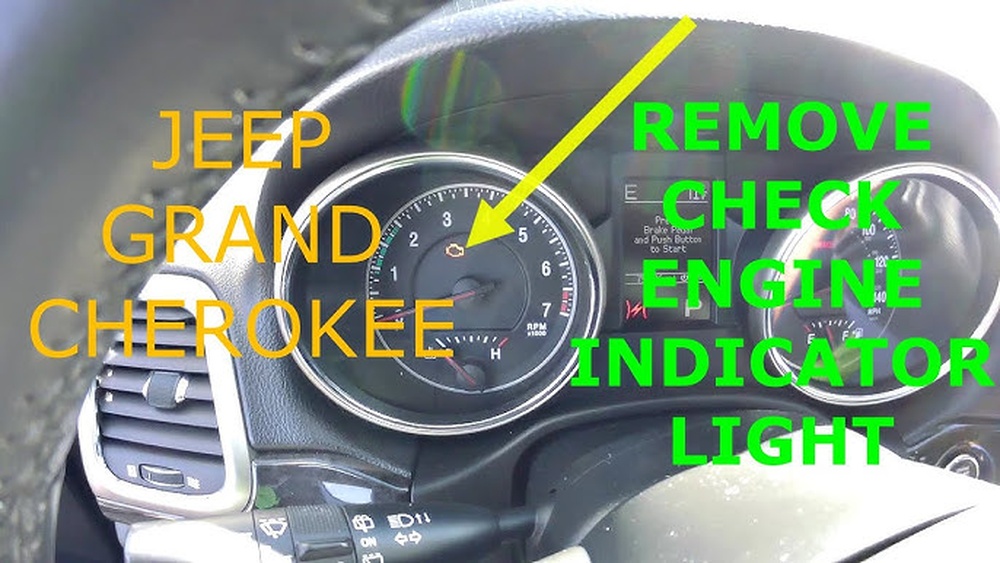
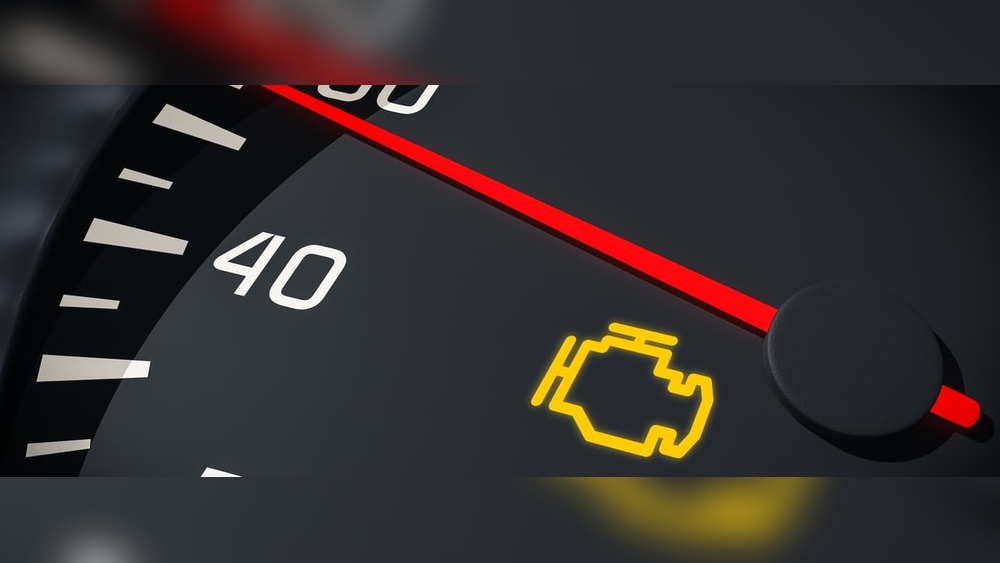
Is your Jeep Wrangler’s check engine light glowing on your dashboard? It can be frustrating and even a little scary when that little warning light appears out of nowhere.
But don’t worry—you’re not alone, and you don’t always need a mechanic to fix this. You might be able to turn that check engine light off yourself with a few simple steps. You’ll learn easy and effective ways to reset your Jeep Wrangler’s check engine light, from tightening the gas cap to using a scanner or even manual resets.
Keep reading, and you’ll be back on the road with peace of mind in no time!

Common Causes
The check engine light on your Jeep Wrangler signals a problem with the engine or emissions system. Understanding common causes can help you fix the issue faster. These causes often trigger the light and affect your vehicle’s performance.
Some issues are simple to fix, while others may require professional help. Knowing the common causes helps you decide the next step. Here are the most frequent reasons for the check engine light to turn on.
Loose Gas Cap
A loose gas cap is one of the easiest causes to fix. It can let fuel vapors escape, which triggers the engine light. Make sure your gas cap clicks tightly after filling up. Check for cracks or damage and replace it if needed.
Faulty Oxygen Sensor
The oxygen sensor measures the amount of oxygen in the exhaust. A faulty sensor can cause poor fuel economy and higher emissions. It often triggers the check engine light. Replacing the sensor can restore proper engine function.
Damaged Engine Hose
Engine hoses carry air and fluids to different parts of the engine. A cracked or disconnected hose can cause air leaks. This affects engine performance and turns on the check engine light. Inspect hoses regularly and replace any damaged ones.
Malfunctioning Catalytic Converter
The catalytic converter reduces harmful emissions from the exhaust. A malfunctioning converter can cause the engine light to come on. It may also reduce power and fuel efficiency. Fixing or replacing the catalytic converter solves this issue.
Reading Error Codes
Reading error codes is the first step in turning off the check engine light on your Jeep Wrangler. It helps identify the exact problem causing the warning. Without reading these codes, you may guess and waste time or money.
Using a scanner to read error codes gives a clear picture of the issue. It shows specific trouble codes related to your Jeep’s engine or systems. These codes guide you on what needs fixing or resetting.
Using An Obd-ii Scanner
An OBD-II scanner is a small device that reads error codes from your Jeep. Plug it into the car’s diagnostic port and turn the ignition on. The scanner connects to your vehicle’s computer and displays the codes.
Follow the on-screen instructions on the scanner. It will list all active trouble codes stored in your Jeep Wrangler’s system. Some scanners also let you erase codes after fixing the problem.
Accessing The Diagnostic Port
The diagnostic port is usually under the dashboard on the driver’s side. Look near the steering column for a small 16-pin connector. This port connects the OBD-II scanner to your Jeep’s computer.
Make sure the ignition is off before plugging in the scanner. Once connected, turn the key to the “ON” position but do not start the engine. This powers the scanner and allows it to communicate with your Jeep.
Interpreting Trouble Codes
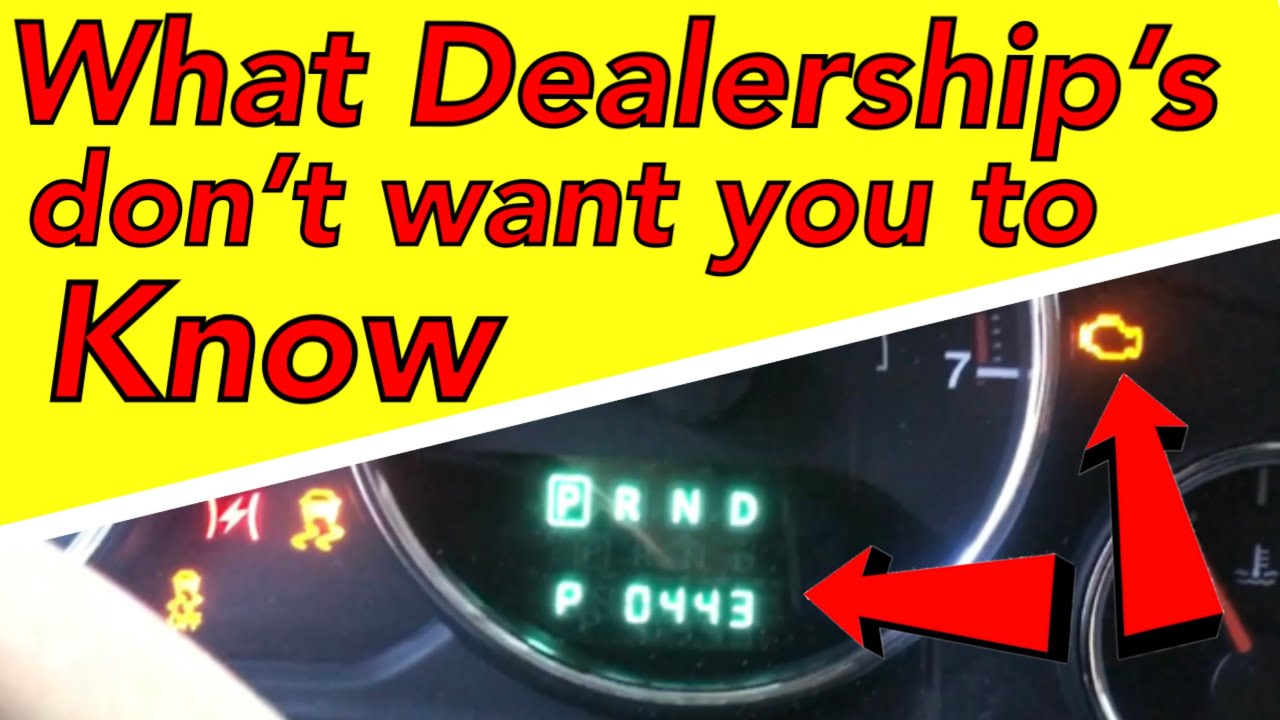
Trouble codes appear as a combination of letters and numbers, like P0301 or P0420. Each code points to a specific issue or system. For example, P0301 means a misfire in cylinder 1.
Use an online code database or your scanner’s guide to understand each code. Knowing what the codes mean helps decide the next steps for repair or reset. Ignoring codes can lead to bigger problems.
Free Code Reading Options
Many auto parts stores offer free code reading services. They will connect a scanner to your Jeep and print the trouble codes for you. This helps save money if you do not own a scanner.
Some smartphone apps paired with Bluetooth OBD-II adapters can also read codes. These apps often have built-in code interpreters. They provide a convenient way to check your Jeep’s health anytime.
Manual Reset Methods
Manual reset methods offer simple ways to turn off the check engine light on your Jeep Wrangler. These methods do not require special tools or scanners. They work by cutting power or cycling the ignition to reset the system. Use these techniques only after fixing the issue that caused the light to come on. Otherwise, the light will return quickly.
Battery Disconnect Reset
Disconnecting the battery cuts power to the Jeep’s computer. This clears stored error codes and turns off the check engine light. First, open the hood and find the battery. Use a wrench to loosen the negative terminal clamp. Remove the clamp and keep it away from the battery. Wait about 15 minutes to let the system reset. Reconnect the negative terminal and tighten the clamp. Start your Jeep to see if the light is off.
Key Cycle Reset
This reset works by cycling the ignition key without starting the engine. Insert your key and turn it from “OFF” to “ON” three times quickly. End with the key in the “ON” position, but do not start the engine. The dash may show trouble codes or “DONE.” This method can clear minor faults and reset the check engine light.
Fuses And Pcm Reset
The Powertrain Control Module (PCM) controls engine functions and stores error codes. Removing the PCM fuse cuts power to this module. Find the fuse box under the hood or inside the Jeep. Locate the PCM fuse using the fuse box diagram. Pull the PCM fuse out for about 10 minutes. Reinsert the fuse and close the fuse box. Start the Jeep to check if the check engine light is off.

Quick Fixes
Quick fixes often solve the check engine light issue on a Jeep Wrangler. These fixes take little time and simple tools. They help avoid costly visits to the mechanic.
Try these steps before moving to complex solutions. They target common causes of the warning light. Each fix might turn the light off quickly.
Tightening The Gas Cap
A loose gas cap triggers the check engine light frequently. Turn off your Jeep and open the fuel door. Remove the gas cap and inspect it for damage.
Twist the cap firmly until you hear clicks. These clicks show it is sealed correctly. Drive the Jeep for a few miles and check if the light goes off.
Replacing Snapped Hoses
Snapped or cracked hoses cause engine errors. Open the hood and look for any damaged hoses. Common places include around the engine and near the air filter.
Replace broken hoses with new ones that fit properly. Secure the clamps tightly. After replacement, start the engine and observe the dashboard for the light.
Cleaning Sensor Connectors
Dirty or loose sensor connectors can cause false error signals. Locate connectors on sensors like the oxygen sensor or mass airflow sensor. Disconnect each connector carefully.
Use an electrical contact cleaner to clean the pins and sockets. Allow them to dry fully before reconnecting. Start the Jeep and check if the light resets.
When To Seek Professional Help
Preventive maintenance helps keep your Jeep Wrangler’s engine running smoothly. It reduces the chance of the check engine light turning on. Regular care saves you time and money by avoiding major repairs. Follow simple steps to maintain your vehicle and prevent common engine issues.
Regular Engine Inspections
Check your engine regularly for leaks, worn belts, and loose wires. Look under the hood for dirt or damage. Early detection of problems stops small issues from growing. Inspect the air filter and replace it if dirty. Clean engine parts improve performance and fuel efficiency.
Scheduled Sensor Replacements
Sensors like oxygen and mass airflow sensors affect engine function. Replace sensors according to your Jeep’s maintenance schedule. Faulty sensors can trigger the check engine light. New sensors help the engine run better and reduce emissions. Keep track of sensor health to avoid unexpected warnings.
Keeping Fuel System Clean
Use fuel system cleaners to remove deposits from injectors and valves. Dirty fuel systems cause poor engine performance and higher emissions. Add cleaner to your fuel tank every few thousand miles. Keep the fuel filter clean or replace it as needed. A clean fuel system supports smooth engine operation and stops the check engine light from coming on.
Frequently Asked Questions
How Do I Manually Turn Off My Check Engine Light?
Tighten your gas cap securely first. To reset manually, disconnect the negative battery cable for 15 minutes. Reconnect it, then start your engine. This clears the check engine light temporarily but fix the issue to prevent it from returning.
How To Reset Jeep Check Engine Light Without Scanner?
Tighten the gas cap securely. Disconnect the negative battery terminal for 15 minutes. Reconnect it to reset the check engine light without a scanner.
Can I Drive My Jeep With The Engine Light On?
You can drive with the engine light on, but only for a short distance. Have your Jeep diagnosed promptly to avoid damage.
How Do I Manually Turn Off Check Engine Light Jeep Wrangler?
To manually turn off the light, cycle the ignition key OFF and ON three times. End in the ON position without starting the engine. This may clear minor codes, but use an OBD-II scanner for permanent resets after repairs.
Conclusion
Turning off the check engine light on your Jeep Wrangler is simple with the right steps. Always start by tightening your gas cap and checking for obvious issues. Use an OBD-II scanner to read and clear trouble codes safely. Disconnecting the battery briefly can also reset the system but do this carefully.
Remember, the light signals a problem, so fix the cause before clearing it. Regular checks keep your Jeep running well and avoid surprises. Stay calm and follow these easy tips for a smooth ride.