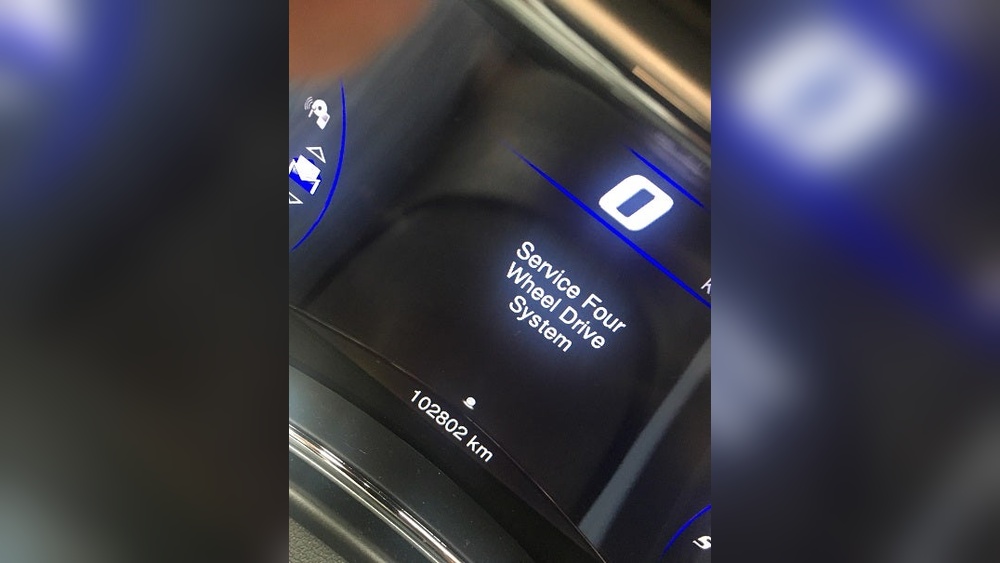
If you drive a 2014 Jeep Grand Cherokee, you know how important the four-wheel drive system is for handling tough roads and tricky weather. But what happens when your dashboard flashes the “Service Four Wheel Drive System” warning?
It can be confusing and frustrating, especially if you rely on your Jeep for daily driving or off-road adventures. You’ll discover what causes this warning, how to check for common issues, and what steps you can take to get your four-wheel drive system back in top shape.
Don’t let that message slow you down—read on to take control of your Jeep’s performance and keep your drive smooth and safe.

Common Four Wheel Drive Issues
The 2014 Jeep Grand Cherokee’s four-wheel drive system offers great off-road capability. Yet, like any complex system, it can face some common issues. Understanding these problems helps in early detection and proper maintenance. This section highlights frequent four-wheel drive troubles and how they show up in your vehicle.
Error Messages And Indicators
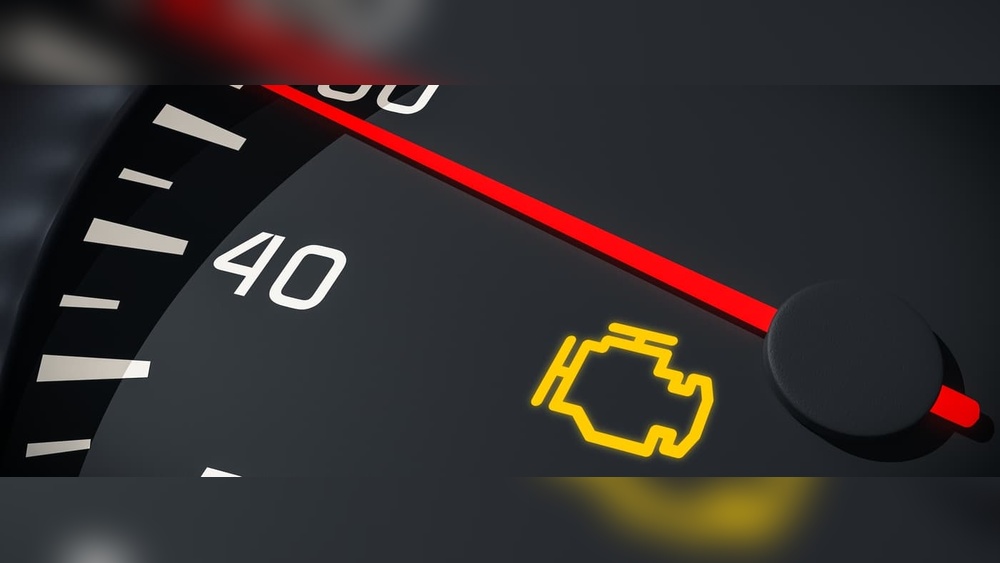
The most common sign of four-wheel drive trouble is an error message on the dashboard. The “Service Four Wheel Drive” alert often appears. This warning means the system detected a problem. Sometimes, the traction control or ABS lights also turn on. These indicators show the system might not work correctly. Drivers should not ignore these signs. They signal the need for a check-up or repair.
Fault Codes And Diagnostics
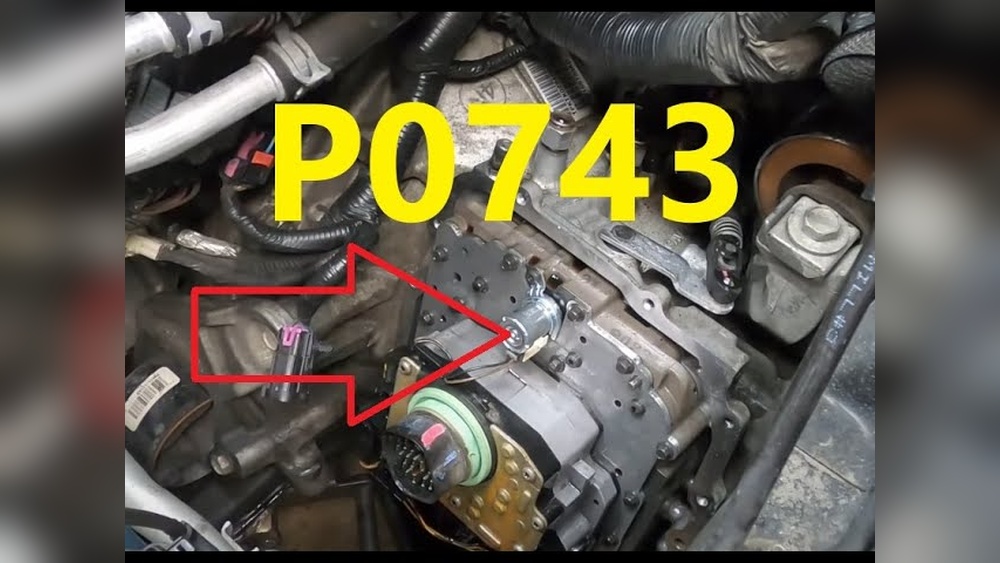
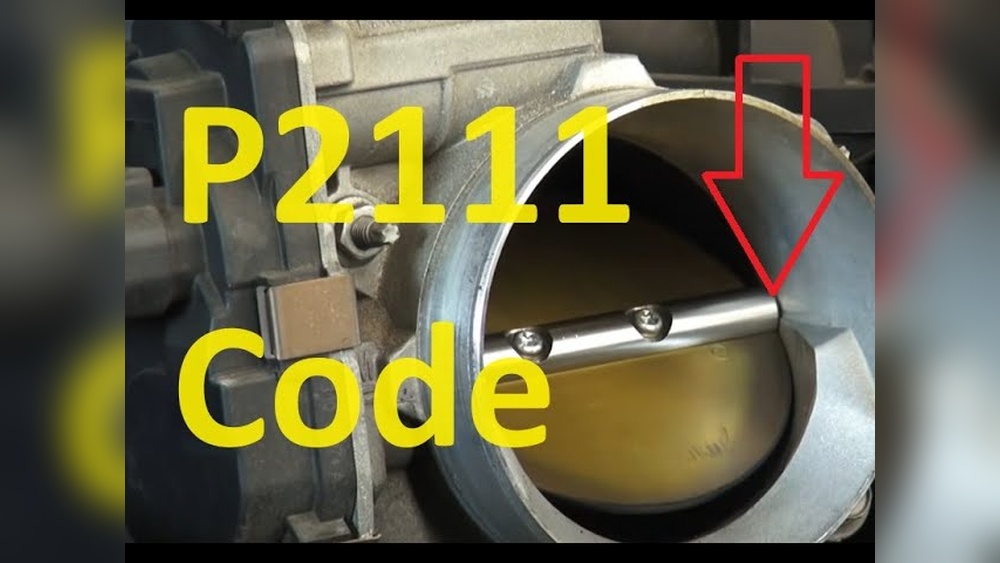
The vehicle’s computer stores fault codes related to the four-wheel drive system. Mechanics use special tools to read these codes. The codes help identify the exact problem. Common issues include sensor failures, wiring problems, or a faulty drivetrain control module. The diagnostics process saves time and money. It avoids guesswork and targets repairs efficiently. Early diagnostics also prevent bigger, costly damages later.
Drivetrain Control Module
The Drivetrain Control Module (DCM) plays a vital role in the 2014 Jeep Grand Cherokee’s four-wheel drive system. It acts as the brain that controls power distribution to each wheel. This ensures better traction and handling on different terrains. The module constantly monitors sensors and adjusts the drivetrain to improve performance and safety.
Location And Function
The Drivetrain Control Module is located under the driver’s seat. It is mounted on the floor of the vehicle for easy access. The module controls the transfer case and four-wheel drive system. It processes data from wheel speed sensors and other inputs. Based on this information, it commands the system to engage or disengage four-wheel drive. This helps the vehicle maintain stability on slippery or rough roads.
Signs Of Module Failure
Failure of the Drivetrain Control Module shows clear warning signs. The “Service Four Wheel Drive” message may appear on the dashboard. You might notice the four-wheel drive system not engaging properly. The vehicle could struggle in low traction conditions. Unusual noises or jerky movements during four-wheel drive operation are common. These symptoms suggest the module needs inspection or repair.
Water Damage And Corrosion
Water damage is a frequent cause of Drivetrain Control Module failure. Since it sits low in the vehicle, water can leak inside during heavy rain or floods. This moisture causes corrosion on the module’s connectors and circuit board. Corrosion disrupts electrical signals, leading to system errors. To check for damage, slide the driver’s seat forward and remove the access cover. Look for dampness or greenish corrosion on the module and plugs. Replacing the module or repairing connectors often resolves the issue.
Fuse And Electrical Checks
The fuse and electrical system plays a key role in the 2014 Jeep Grand Cherokee’s four-wheel drive function. Faulty fuses or damaged wiring can cause the “Service Four Wheel Drive” warning. Checking these electrical parts helps find problems early and avoids costly repairs.
Start with the fuses. A blown fuse can stop power from reaching the four-wheel drive system. Next, inspect the wiring and connectors. Damaged wires or loose plugs can cause electrical faults. Regular checks keep the system reliable and safe.
Checking Relevant Fuses
Locate the fuse box under the hood or near the dashboard. Use the owner’s manual to find fuses linked to the four-wheel drive and transfer case. Remove each fuse carefully and examine the thin wire inside. A broken wire means the fuse is blown and needs replacement.
Replace any blown fuses with one of the same rating. Avoid using a fuse with a higher rating; it can cause damage. After replacing, test the four-wheel drive system to see if the error clears.
Inspecting Wiring And Connectors
Inspect wires connected to the transfer case and drivetrain control module. Look for cracks, frays, or corrosion on the wiring. Check connectors for dirt, moisture, or loose pins. Clean dirty connectors with electrical contact cleaner and ensure they fit tightly.
Water damage under the driver’s seat can affect the drivetrain control module. Slide the seat forward and remove the access cover. Check for dampness or corrosion on the module and connectors. Address any signs of damage immediately to prevent further issues.

Mechanical Components To Inspect
Repairing or replacing parts of the 2014 Jeep Grand Cherokee’s four-wheel drive system needs care. This system controls power to all wheels, so problems affect driving safety. Proper tips help keep repairs smooth and effective.
Understanding the right parts and techniques saves time and money. It also avoids causing new issues. Here are key tips for repair and replacement tasks.
Sourcing Replacement Parts
Use parts made for the 2014 Jeep Grand Cherokee model. Genuine or OEM parts ensure fit and function. Check local dealers or trusted online stores. Avoid cheap, generic parts that may fail quickly.
Look for parts like transfer case components, sensors, and wiring harnesses. Used parts can work but inspect them carefully. Confirm part numbers match your vehicle’s specifications.
Module Flashing And Programming
The drivetrain control module (DCM) controls the four-wheel drive system. Sometimes it needs flashing or reprogramming after part replacement. This step updates the module’s software for proper operation.
Flashing requires special tools and software. Dealerships or experienced mechanics usually perform this service. Improper programming can cause system errors or failure to engage four-wheel drive.
Check for water damage or corrosion on the module’s connectors first. Clean or replace corroded parts before flashing. This prevents recurring issues after repair.
Diy Vs Professional Service
Simple tasks like fuse checks or fluid changes suit DIY efforts. These need basic tools and clear instructions. Follow safety rules and use the correct fluids.
Complex jobs like module flashing or transfer case repairs need professionals. They have the right tools and knowledge. DIY mistakes can cause costly damage or unsafe driving.
Choose professional service for electrical or control module issues. This ensures reliable and safe four-wheel drive function.
Frequently Asked Questions
Why Does My Jeep Say Service 4 Wheel Drive System?
Your Jeep displays “Service 4 Wheel Drive System” due to a detected fault in the drivetrain control module or related components. Check fuses, wiring, and transfer case fluid first. Address corrosion or water damage near the module under the driver’s seat.
A diagnostic scan reveals exact issues.
What Is The Service 4 Wheel Drive System On A 2014 Jeep Grand Cherokee?
The 2014 Jeep Grand Cherokee’s service 4-wheel drive system monitors and controls drivetrain components. It detects faults, alerts drivers, and ensures optimal traction.
Can I Still Drive With The Service 4wd Light On?
Driving with the service 4WD light on is not recommended. It may indicate drivetrain issues affecting safety and performance. Have a mechanic diagnose and fix the problem promptly to avoid further damage.
How To Fix Service 4wd System?
Check and replace faulty fuses for the 4WD and transfer case systems. Inspect the drivetrain control module for water damage or corrosion. Clear error codes with a diagnostic scanner. Replace damaged parts like drive shafts or transfer case oil if necessary.
Seek professional help if issues persist.
Conclusion
The 2014 Jeep Grand Cherokee’s four-wheel-drive system needs regular checks. Watch for warning messages on the dashboard. Inspect fuses, wiring, and the drivetrain control module for issues. Keep the transfer case fluid clean and at the right level. Address water damage under the driver’s seat quickly to avoid corrosion.
Timely maintenance helps keep your Jeep’s 4WD system working well. This ensures safer drives on all road conditions. Stay attentive and fix problems early to avoid costly repairs. Your Jeep will perform better with proper care.