If you’re driving a Jeep and suddenly see the P0743 code pop up on your dashboard, it’s easy to feel frustrated and unsure about what’s going on. This code points to an issue with your transmission’s Torque Converter Clutch (TCC) solenoid circuit — a vital part that helps your Jeep shift smoothly and save fuel.
Ignoring this warning can lead to rough rides, poor fuel efficiency, or even your Jeep going into limp mode, limiting how far you can drive. But don’t worry — understanding what causes this problem and how to fix it can get your Jeep back on the road quickly and safely.
Keep reading to find out exactly what the P0743 Jeep code means, what symptoms to watch for, and the steps you can take to solve the issue before it becomes a bigger headache.
Symptoms Of P0743 Code
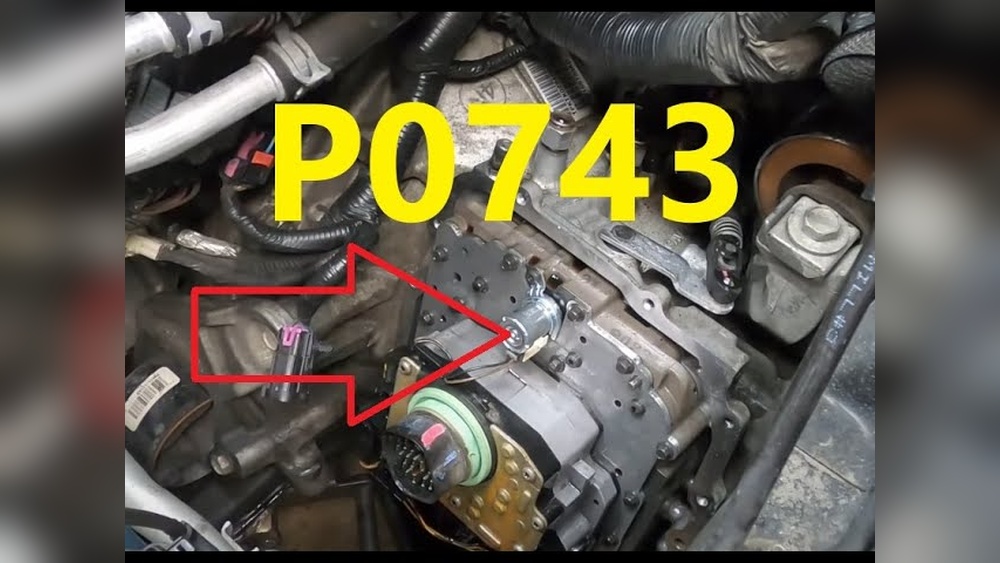
The P0743 code in a Jeep signals an issue with the Torque Converter Clutch (TCC) solenoid circuit. This problem affects the transmission’s ability to lock the torque converter properly. Drivers often notice several warning signs that something is wrong. Recognizing these symptoms early helps prevent further damage and costly repairs.
Check Engine Light Alerts
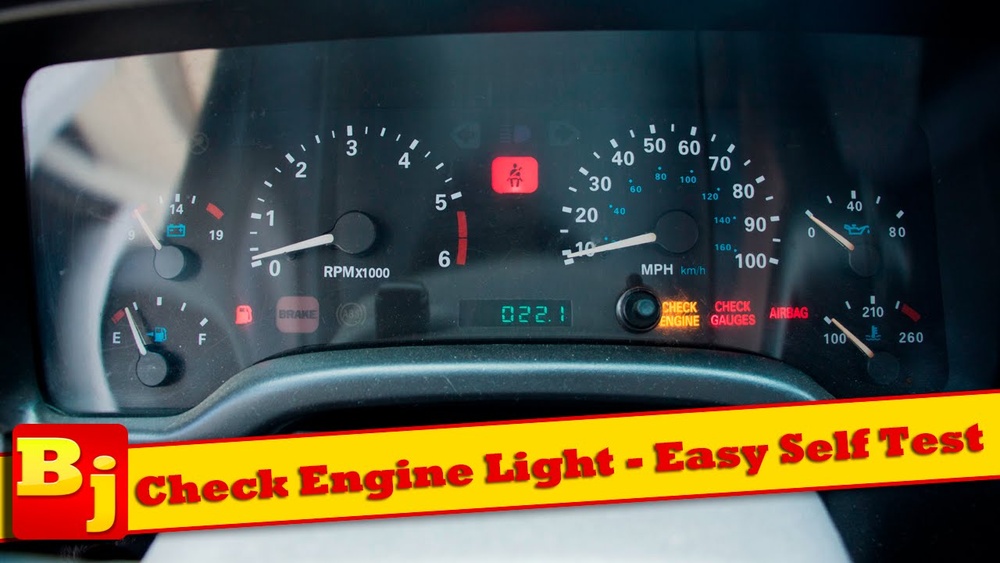
The check engine light comes on to warn about the P0743 code. It stays lit while the vehicle runs. This alert means the engine control unit detected a fault in the TCC solenoid circuit. Ignoring it could lead to serious transmission issues.
Transmission Shifting Problems
Shifting becomes rough or delayed with this code. The transmission may slip between gears or hesitate to engage. Sudden jerks during gear changes are common. These symptoms reduce driving comfort and signal transmission trouble.
Engine Stalling And Jerking
The engine might stall when coming to a stop. Jerking occurs during acceleration or deceleration. These symptoms happen because the torque converter cannot lock smoothly. This makes the driving experience unsafe and unpredictable.
Fuel Efficiency Drops
Fuel economy often worsens with a faulty TCC solenoid. The engine works harder due to poor torque converter lockup. This leads to increased fuel consumption and higher running costs. Monitoring gas mileage helps spot this issue early.
Limp Mode Activation
The Jeep may enter limp mode to protect the transmission. This limits engine power and speed. Limp mode prevents further damage but restricts driving ability. Immediate attention is needed to restore normal function.
Common Causes Of P0743
The P0743 code signals trouble in the torque converter clutch (TCC) solenoid circuit. This issue affects your Jeep’s automatic transmission. Understanding common causes helps with quick diagnosis and repair. Several factors often trigger this code in Jeep vehicles.
Faulty Torque Converter Clutch Solenoid
The TCC solenoid controls fluid flow to the torque converter clutch. A faulty solenoid can cause improper clutch engagement. This leads to slipping, poor fuel efficiency, and transmission problems. Electrical failure inside the solenoid is a common cause of P0743.
Wiring Harness Damage
Wiring harnesses carry signals to the TCC solenoid. Damaged or corroded wires can disrupt communication. Pinched, frayed, or burnt wires often cause circuit faults. Checking wiring for visible damage is vital for diagnosis.
Contaminated Transmission Fluid
Dirty or low transmission fluid can harm the TCC solenoid’s performance. Contaminants block fluid flow and solenoid operation. Old fluid also causes overheating and wear. Regular fluid changes help prevent this problem.
Mechanical Transmission Issues
Internal transmission problems may trigger the P0743 code. Worn clutch packs or valve body faults affect the TCC function. Mechanical wear causes slipping and erratic shifting. A full transmission inspection can reveal these issues.
Diagnosing Shift Solenoid Problems
Diagnosing shift solenoid problems in a Jeep is a critical step to fix transmission issues. The shift solenoid controls gear changes in the automatic transmission. Faulty solenoids can cause rough shifting, slipping gears, or even prevent the Jeep from moving. Careful diagnosis helps identify the exact cause and avoid unnecessary repairs.
Visual Inspection Of Wiring
Start by checking the wiring connected to the shift solenoid. Look for broken wires, corrosion, or loose connections. Damaged wires can interrupt the electrical signal to the solenoid. Use a flashlight to inspect hard-to-see areas. Repair or replace any damaged wiring to ensure proper function.
Testing Solenoid Resistance
Use a digital multimeter to measure the solenoid’s electrical resistance. Disconnect the solenoid connector first. Set the multimeter to the ohms (Ω) setting. Place the probes on the solenoid terminals. Compare the reading with the manufacturer’s specifications. A reading too high or too low means the solenoid might be faulty.
Checking Transmission Fluid Condition
Clean, properly leveled transmission fluid is essential for solenoid operation. Check the fluid level with the Jeep running and in park. Look at the fluid color and smell. Dark or burnt-smelling fluid indicates contamination or overheating. Change the fluid and filter if needed to prevent solenoid issues.
Using Diagnostic Scan Tools
Connect an OBD-II scanner to the Jeep’s diagnostic port. Read any stored trouble codes related to the transmission. The P0743 code points to a torque converter clutch solenoid issue. Some scanners also show live data from the solenoid circuit. This helps confirm if the solenoid is working correctly or not.
Step-by-step Fixes
Fixing the P0743 code on a Jeep requires clear and careful steps. Each fix targets a specific cause. Follow these steps to find the right solution. These fixes can improve your Jeep’s performance and stop the warning light.
Replacing The Tcc Solenoid
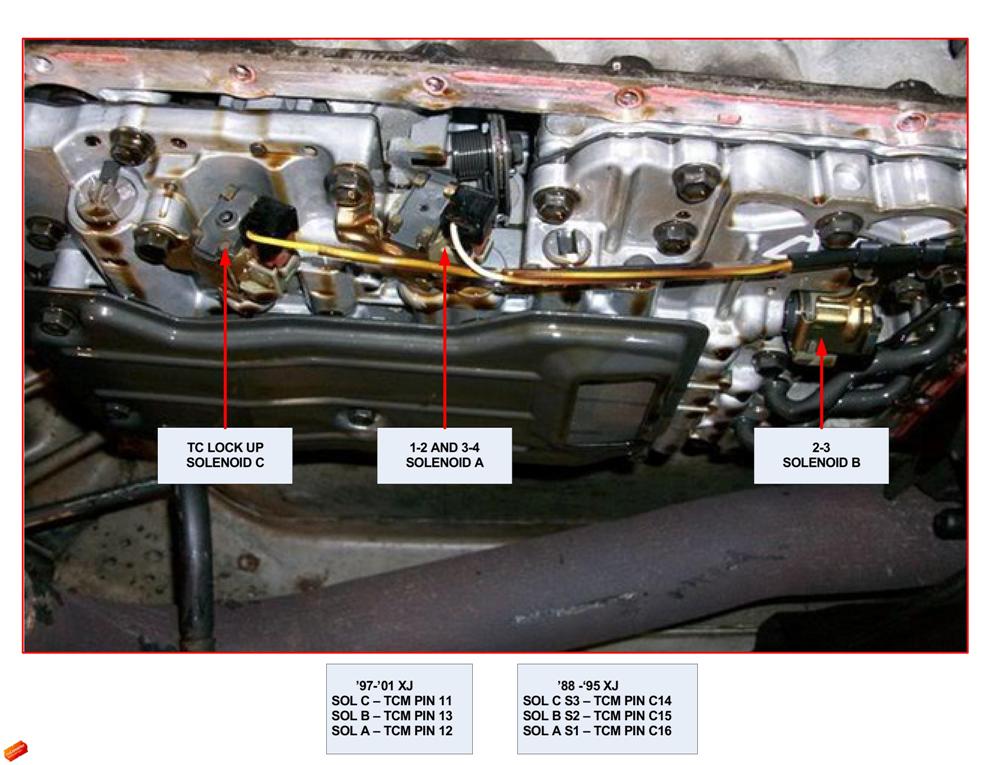
The TCC solenoid controls the torque converter clutch. A faulty solenoid causes slipping or jerking. First, disconnect the battery for safety. Then, locate the solenoid on the transmission. Remove the old solenoid carefully. Install the new solenoid and reconnect all parts. Finally, test drive to check if the issue is fixed.
Repairing Or Replacing Wiring
Wiring problems often cause the P0743 code. Check the wiring harness for damage or corrosion. Look for broken, frayed, or burnt wires. Repair small damages with electrical tape or connectors. Replace large damaged sections with new wiring. Secure all connections to prevent future issues. Clear the code and test the Jeep’s response.
Flushing And Changing Transmission Fluid
Old or dirty transmission fluid can block the TCC solenoid. Drain the old fluid completely. Use a recommended transmission fluid for your Jeep. Flush the system to remove all debris and sludge. Refill with clean fluid to the proper level. Regular fluid changes keep the transmission healthy. This fix often improves shifting and stops the code.
Addressing Mechanical Faults
Mechanical faults inside the transmission may cause the P0743 code. Common issues include worn clutch plates or a bad torque converter. Inspect the transmission for signs of wear or damage. Replace faulty parts to restore proper function. Mechanical repairs require skill and tools. Consider professional help if unsure. After repairs, test the Jeep on the road.
Preventing Future Issues
Preventing future issues with the P0743 code in your Jeep is key to keeping your vehicle running smoothly. Small steps can stop costly repairs and extend transmission life. Staying proactive helps avoid sudden breakdowns and unsafe driving conditions.
Regular Transmission Maintenance
Routine maintenance keeps your transmission healthy. Change the transmission fluid at intervals recommended by Jeep. Clean filters and inspect components for wear. Regular checkups help spot issues before they worsen. A well-maintained transmission performs better and lasts longer.
Fluid Level And Quality Checks
Check transmission fluid often. Low or dirty fluid can cause the P0743 code to appear. Use the correct fluid type specified for your Jeep model. Clean fluid ensures smooth solenoid operation and proper clutch function. Replace fluid if it smells burnt or looks dark.
Protecting Wiring Harnesses
Inspect wiring harnesses around the transmission regularly. Look for frayed, pinched, or corroded wires. Secure loose wires to prevent damage from vibration. Damaged wiring can disrupt solenoid signals and cause error codes. Protect wiring to maintain electrical system health.
Timely Repairs
Address warning signs quickly. Strange noises, slipping gears, or shuddering require immediate attention. Fixing small problems early prevents major transmission failure. Use a trusted mechanic for repairs. Timely repairs save money and keep your Jeep safe on the road.
When To Seek Professional Help
Knowing when to seek professional help for a P0743 Jeep issue is crucial. Some problems require expert diagnosis and repair to prevent further damage. Attempting complex fixes without the right tools or knowledge can worsen the situation. Early intervention by a qualified technician saves time and money. Keep an eye out for signs that your Jeep needs a professional touch.
Complex Electrical Problems
Electrical issues with the torque converter clutch solenoid circuit are often difficult to diagnose. Faulty wiring, corroded connectors, or internal solenoid failures need specialized testing. Professionals use advanced tools to trace and repair electrical faults accurately. DIY fixes may miss hidden wiring damage or cause shorts. A trained technician ensures the electrical system works reliably.
Transmission Mechanical Failures
Mechanical failures inside the transmission require expert handling. Problems like a faulty torque converter or internal gear damage cannot be fixed easily at home. Transmission disassembly and precise repairs need special equipment. Ignoring mechanical issues causes severe transmission damage. Professional service guarantees proper inspection and part replacement.
Persistent Error Codes
When the P0743 code reappears after resets or simple repairs, professional help is necessary. Persistent error codes signal underlying problems that need thorough diagnosis. Technicians use diagnostic scanners to read all related codes and data streams. This approach identifies root causes and prevents repeated failures. Trust experts to clear codes correctly and fix the issue fully.
Reliable Repair Shops In Austin, Texas
Austin has many shops specializing in Jeep transmission repairs. Choose a shop with certified technicians and good customer reviews. Reliable shops offer warranty on parts and labor for peace of mind. They provide clear estimates and use quality replacement parts. Professional repair centers in Austin ensure your Jeep runs smoothly again.
Frequently Asked Questions
How Do I Fix Code P0743?
To fix code P0743, check and replace the faulty torque converter clutch solenoid. Inspect wiring for damage or shorts. Ensure transmission fluid is clean and at proper level. Test solenoid resistance with a multimeter. Address any mechanical transmission issues promptly.
Can You Drive With A Bad Torque Converter Solenoid?
Driving with a bad torque converter solenoid can cause shifting issues, stalling, and poor fuel economy. It may also trigger limp mode. Avoid driving long distances to prevent further transmission damage. Get the solenoid inspected and repaired promptly to ensure safe and smooth vehicle operation.
How Much Does It Cost To Fix P0743?
Fixing P0743 typically costs between $150 and $600. Costs vary by parts, labor, and vehicle type.
How Serious Is The P0743 Code?
The P0743 code signals a serious transmission issue affecting the torque converter clutch solenoid. It can cause stalling, poor fuel economy, and limp mode. Immediate diagnosis and repair prevent further damage and costly repairs.
Conclusion
The P0743 code signals an issue with your Jeep’s torque converter clutch solenoid. Ignoring it can cause rough shifts and poor fuel economy. Simple checks like fluid levels and wiring condition can help spot the problem early. Fixing the solenoid or related parts restores smooth driving.
Keep your Jeep running well by addressing this code quickly. Regular maintenance prevents future transmission troubles and saves money. Stay attentive to warning signs and enjoy safer, smoother rides.