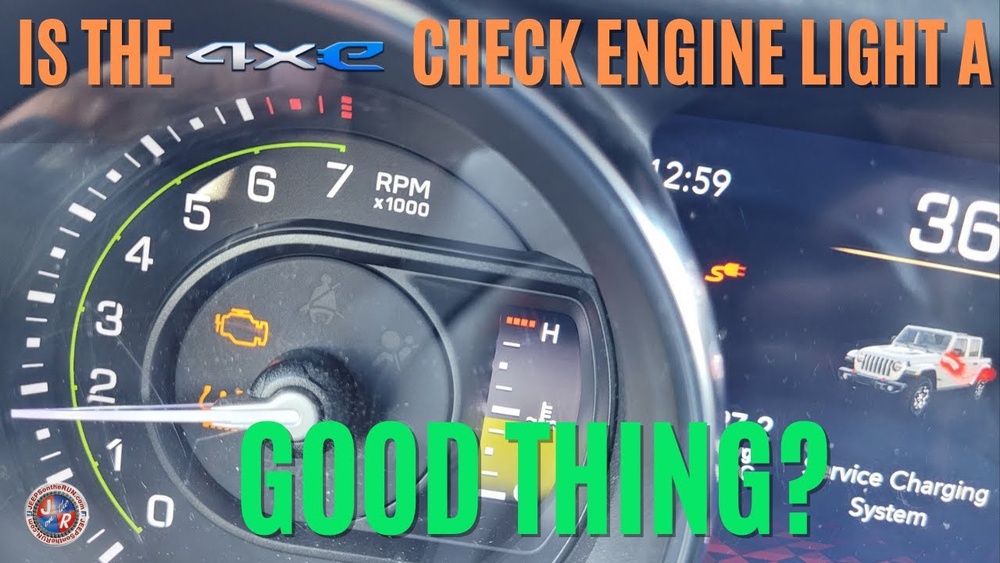
If your Jeep 4Xe’s check engine light just came on, you’re probably wondering what’s wrong and how serious it is. That little light can signal many things—from something as simple as a loose gas cap to a more complex hybrid system issue.
Ignoring it won’t make the problem go away, and knowing what to do next can save you time, money, and stress. You’ll learn why your Jeep 4Xe’s check engine light might be flashing, how to pinpoint the cause, and what steps you can take right now to keep your ride safe and running smoothly.
Keep reading to take control of your Jeep’s health and avoid unexpected breakdowns.
Common Causes
Diagnostic tools are essential for identifying issues when the Jeep 4Xe Check Engine Light turns on. These tools help reveal the exact problem behind the warning light. They allow owners and mechanics to save time and avoid unnecessary repairs. Using the right tools ensures accurate troubleshooting and faster solutions.
Using An Obd-ii Scanner
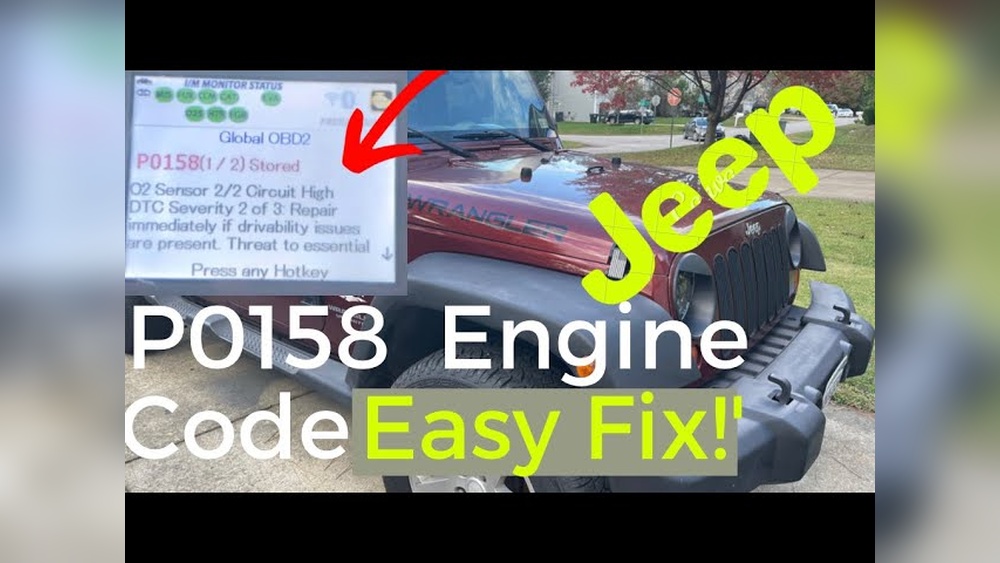
An OBD-II scanner is a simple device that connects to your Jeep’s diagnostic port. It reads error codes stored by the vehicle’s computer. These codes point to specific problems. Many scanners are affordable and easy to use. Plug the scanner in, turn on the ignition, and retrieve the codes. Some scanners display basic codes, while others show detailed information.
Reading Stellantis Codes
Jeep 4Xe models use Stellantis-specific codes alongside standard OBD-II codes. These codes cover hybrid and electric components unique to the 4Xe. A scanner that supports Stellantis codes is needed to access this data. These codes provide insights on the battery, electric motor, and high-voltage system. Understanding these codes helps diagnose hybrid-related issues accurately.
Interpreting Trouble Codes
Each trouble code represents a specific fault or sensor reading outside normal range. Codes often start with a letter followed by numbers. A code reader may give a brief description. Use this to learn what part or system is affected. Some codes point to easy fixes, like a loose gas cap. Others may require professional help. Search trusted sources to understand each code’s meaning clearly.

Diagnostic Tools
The Jeep 4Xe check engine light can turn on for several simple reasons. Sometimes, a quick fix can solve the problem without a visit to the mechanic. These easy steps help you avoid stress and get back on the road fast.
Start with the small things that often cause this warning. Most of these fixes take only a few minutes and require no special tools. Keep your Jeep running smoothly by trying these quick fixes first.
Tightening The Gas Cap
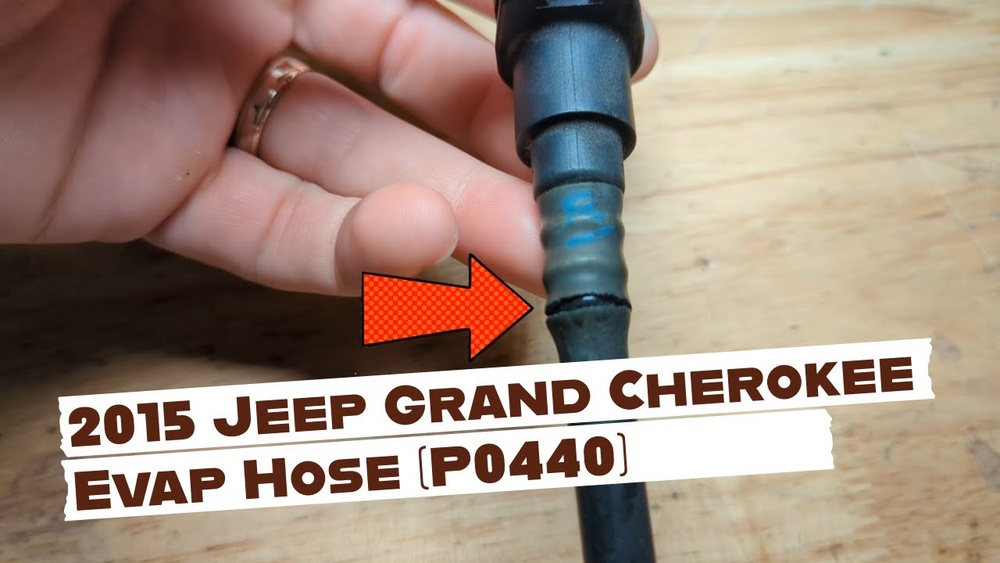
A loose gas cap is a common cause of the check engine light. It can trigger an evaporative emissions fault in the system. Turn the gas cap clockwise until you hear a click. This ensures a tight seal and stops fuel vapor leaks.
After tightening, the light may stay on for a while. Drive your Jeep for a few miles. The system will check again and may turn the light off automatically.
Securing The Hood
The hood not fully closed can also cause the check engine light to come on. A sensor detects if the hood is open or loose. Make sure the hood is fully latched down. Press it firmly until it clicks into place.
This quick check helps avoid false alerts and ensures safety while driving. Check the hood latch if the light stays on after fixing the gas cap.
Resetting The Check Engine Light
Resetting the check engine light can clear minor errors in the vehicle’s system. Use an OBD-II scanner to read and erase the codes. These scanners are affordable and easy to use.
Disconnecting the battery for a few minutes can also reset the system. This method may erase saved settings like radio presets. Use it only if you understand the consequences.
After resetting, the light should turn off if the issue is fixed. If it comes back, a deeper problem needs professional attention.
Quick Fixes
Seeing the Jeep 4Xe check engine light on can cause worry. It signals the vehicle detected an issue. Driving with this light on needs caution. Some problems are minor, others may harm the car.
Understanding how to handle the light helps avoid extra damage. Acting wisely keeps you safe and your Jeep healthy.
Short Trips Safety
Short trips with the check engine light on can be safer. The engine does not run long enough to cause major harm. Still, avoid heavy acceleration and high speeds. Keep an eye on the light for changes. If it starts blinking, stop driving immediately.
Risks Of Ignoring The Warning
Ignoring the check engine light can lead to serious problems. Engine damage or reduced fuel efficiency are common risks. Some faults affect the hybrid battery system. This may increase repair costs and reduce vehicle life. Safety systems might also fail without warning.
Emergency Measures
If the check engine light flashes, pull over safely as soon as possible. Turn off the engine to prevent damage. Check for obvious issues like a loose gas cap. Call roadside assistance or a mechanic for help. Avoid driving until the problem is fixed.
Frequently Asked Questions
Why Is My Jeep Wrangler 4xe Engine Light On?
Your Jeep Wrangler 4xe engine light may be on due to a loose gas cap, emissions sensor fault, or hybrid battery issue. Use an OBD-II scanner to read the specific error code for accurate diagnosis and repair.
Can I Drive My Jeep With The Engine Light On?
Driving your Jeep with the engine light on is possible but not recommended. A steady light allows short trips; a flashing light signals serious issues. Get your Jeep diagnosed promptly to avoid damage and costly repairs.
What Does A Car With Squiggly Lines Mean On A Jeep?
The squiggly lines on a Jeep indicate the traction control or stability system is active or detecting wheel slip.
How To Clear A Jeep Check Engine Light Without A Scanner?
Tighten the gas cap firmly and disconnect the car battery for 15 minutes. Reconnect to reset the check engine light.
Conclusion
The Jeep 4Xe check engine light signals various issues, from minor to serious. Start by checking the gas cap and hood latch for simple fixes. Use an OBD-II scanner to read the exact error code. This helps identify if the problem is with the hybrid system or emissions.
Pay attention to whether the light is steady or flashing. Drive carefully and seek professional help if the light blinks. Knowing these steps keeps your Jeep running safely and smoothly. Stay alert, and don’t ignore the warning signs.