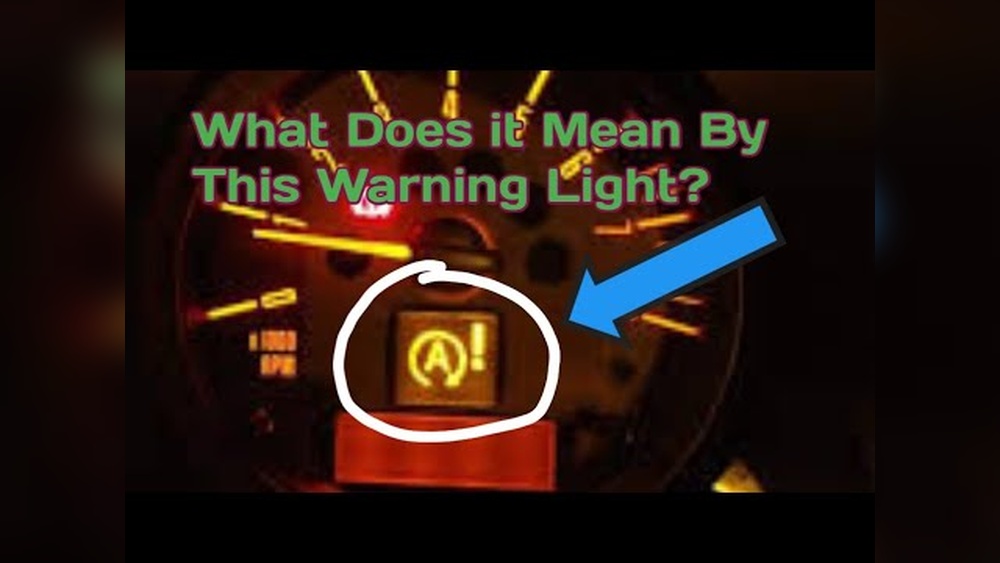
If you own a Jeep Grand Cherokee and you’ve come across the code C1438, you’re probably wondering what it means and how it affects your ride. This warning isn’t something to ignore—your Jeep’s performance and safety could be at stake.
You might notice strange noises, hesitation, or even a feeling that your wheels are locking up when you turn. These symptoms can be frustrating and even dangerous if left untreated. You’ll learn exactly what causes the C1438 code, how to spot the warning signs early, and the best steps to fix the issue before it costs you more.
Keep reading to protect your Jeep and keep your drives smooth and worry-free.
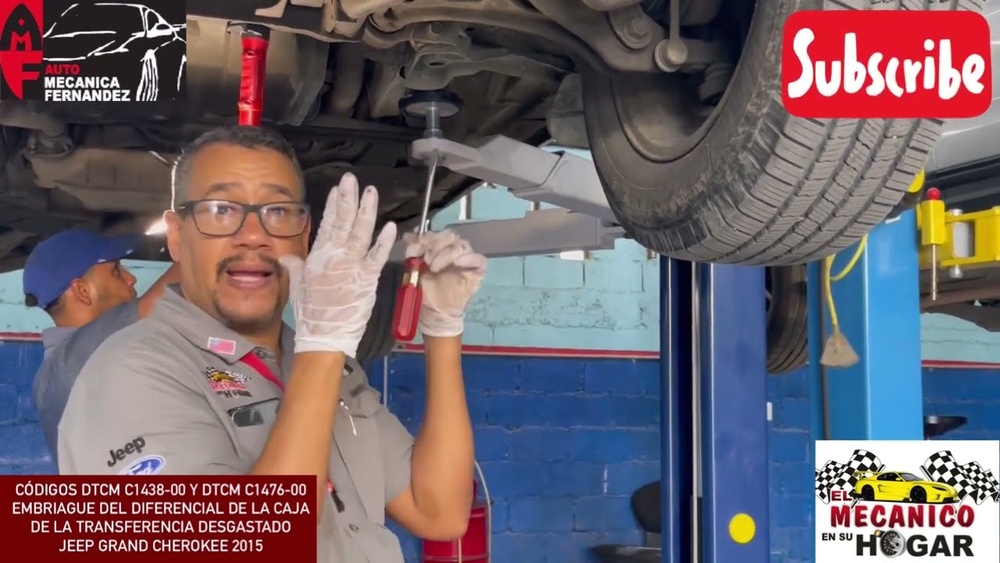
C1438 Code And Jeep Grand Cherokee
The transfer case differential clutch in the C1438 Jeep Grand Cherokee plays a key role in managing power distribution between the front and rear wheels. Issues with this clutch can cause serious drivability problems. Understanding these issues early helps prevent costly damage and keeps the vehicle running smoothly.
Common Signs Of Clutch Wear
Clutch wear often shows up as slipping or delayed engagement in four-wheel drive mode. You might notice the vehicle hesitates when shifting into 4WD or the system fails to engage properly. Uneven tire wear and difficulty maintaining traction on slippery surfaces also signal clutch problems.
How Binding Affects Drivetrain
Binding happens when the clutch cannot release fully, causing the drivetrain to lock or drag. This creates resistance during turns and puts extra stress on the transmission and axles. Binding leads to jerky movements and can accelerate wear on other drivetrain components.
Noise And Vibration Alerts
Unusual noises like clunks, grinding, or whining often come from a failing transfer case clutch. Vibrations felt through the floor or steering wheel can also indicate clutch damage. These sounds and sensations warn of internal friction and possible clutch plate damage inside the transfer case.

Transfer Case Differential Clutch Issues
The C1438 code in a Jeep Grand Cherokee signals problems with the transfer case differential clutch. Understanding its root causes helps in fixing the issue correctly. Several factors can trigger this warning, ranging from mechanical to electrical problems. Knowing these causes can save time and money on repairs.
This section breaks down the main reasons behind the C1438 trouble code. Each cause affects the vehicle’s drivability and safety in different ways. Identifying the exact source is key to restoring smooth operation.
Mechanical Failures
Mechanical wear is a common cause of C1438 errors. The transfer case differential clutch can wear out over time. Components such as gears, bearings, and shafts may suffer damage. Fluid leaks or low fluid levels cause poor lubrication. This leads to increased friction and part failure. Driving with worn parts causes noises and shifting problems.
Electrical Component Faults
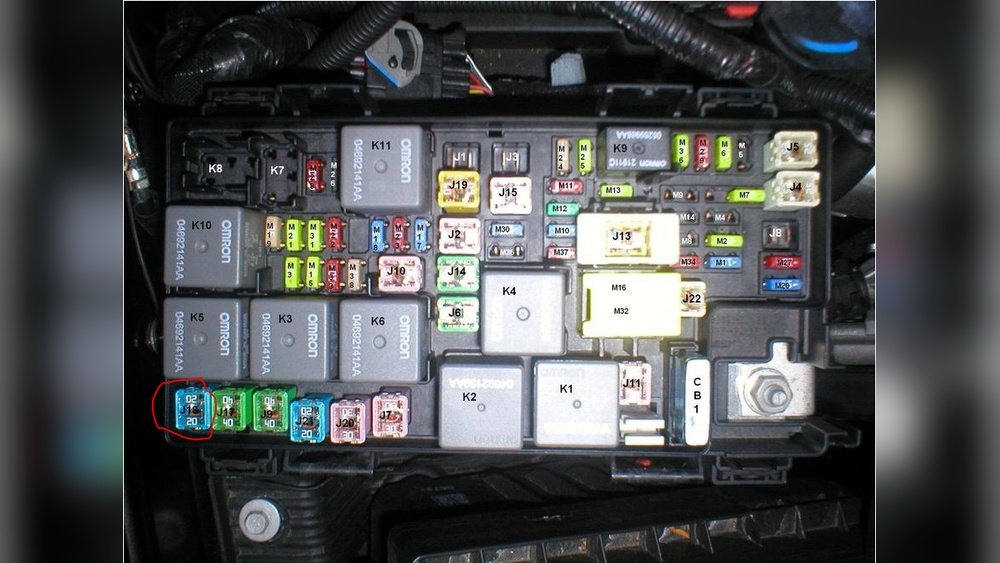
The transfer case relies on sensors and control modules to function. Faulty wiring or connectors can disrupt signals. The Transfer Case Control Module (TCCM) may fail or send wrong data. Actuators that engage the clutch can become unresponsive. Electrical shorts or corrosion also cause malfunctions. These faults often trigger the C1438 trouble code on the dashboard.
Tire Size And Wear Impact
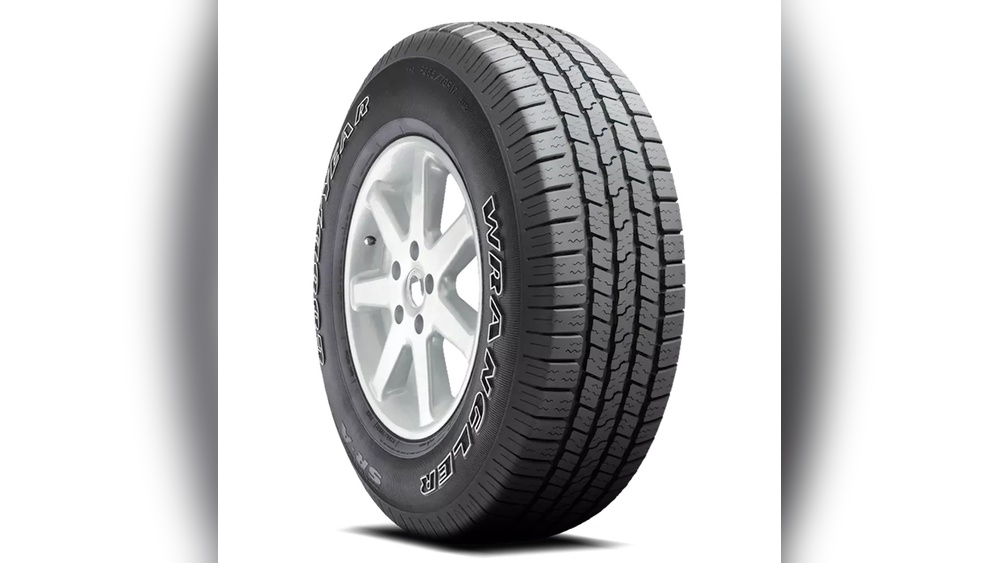
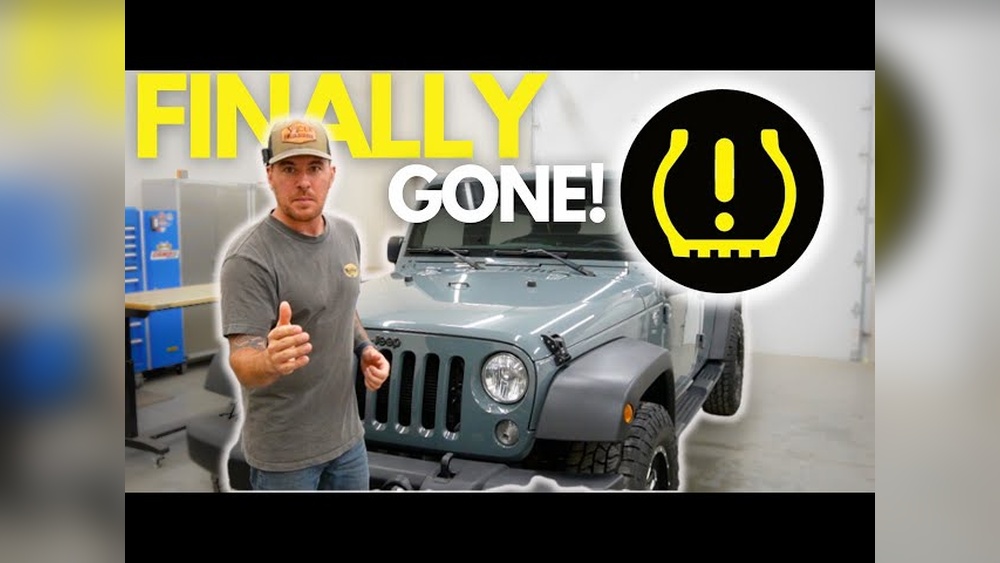
Tire differences can affect the transfer case operation. Tires with uneven wear or different sizes create strain on the drivetrain. This causes the clutch to slip or bind, leading to error codes. Using mismatched or worn tires reduces traction control effectiveness. Regularly inspecting and maintaining tire condition helps prevent transfer case issues.
Root Causes Of C1438 Problems
Fixing the C1438 code on your Jeep Grand Cherokee involves clear, manageable steps. Each fix targets the core of the problem, restoring smooth operation. Follow these instructions carefully to avoid further damage and reduce repair costs. Understanding each step helps maintain your vehicle’s performance and safety.
Replacing Transfer Case Fluid
Start by draining the old transfer case fluid completely. Use the correct fluid type recommended for your Jeep. Fill the transfer case with fresh fluid to the proper level. This step removes contaminants and improves lubrication. Regular fluid changes prevent many transfer case issues.
Rebuilding Or Replacing The Transfer Case
Inspect the transfer case for worn or damaged parts. Rebuilding involves replacing seals, bearings, and gears inside. If damage is severe, consider a full transfer case replacement. Use quality parts to ensure durability. This fix restores the transfer case’s function and stops clunking noises.
Resetting Electronic Systems
Disconnect the battery to reset the vehicle’s computer systems. Wait at least 15 minutes before reconnecting the battery. Use an OBD-II scanner to clear stored trouble codes. Resetting helps recalibrate sensors and modules linked to the transfer case. This step often resolves electronic glitches causing the C1438 code.

Conclusion
The C1438 code on a Jeep Grand Cherokee signals transfer case issues. Ignoring it can lead to more damage and costly repairs. Regular checks and timely fluid changes help keep the transfer case healthy. Addressing electrical parts first can save money and effort.
Pay attention to unusual noises or driving changes. Staying proactive extends your Jeep’s life and performance. Simple care prevents bigger problems down the road.