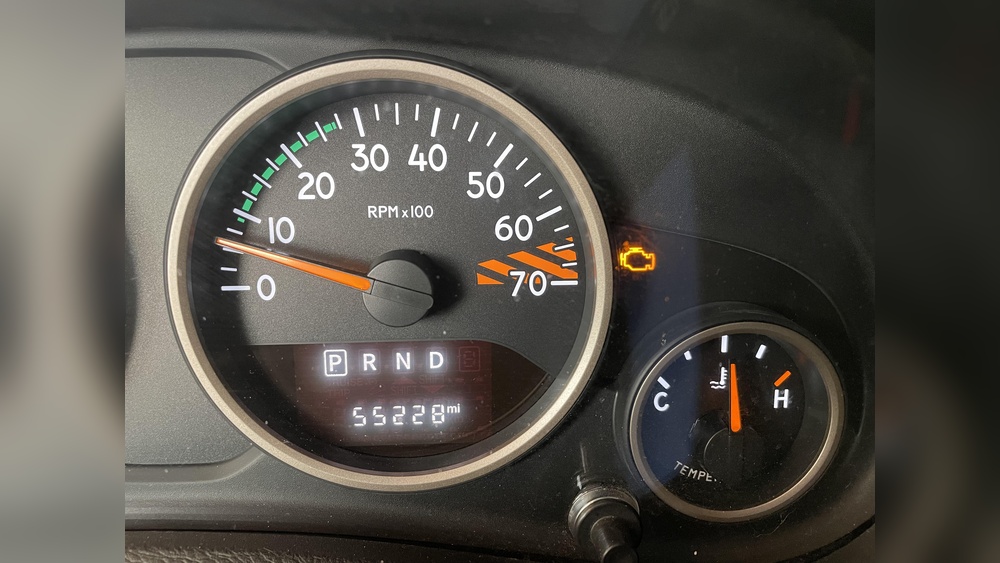
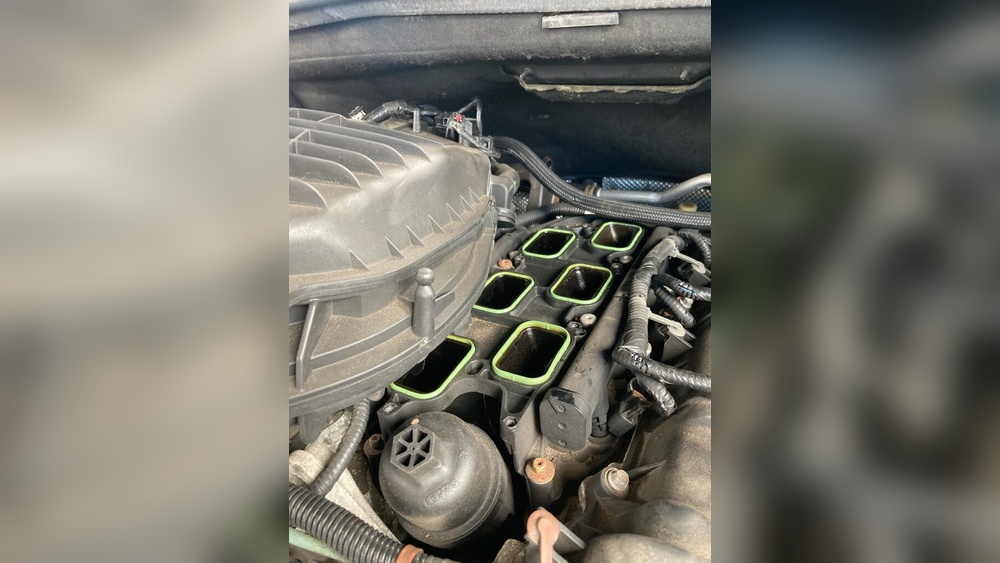
If you’ve seen the P1391 code pop up on your Jeep Grand Cherokee’s dashboard, you’re likely dealing with a frustrating issue that affects your vehicle’s starting and performance. This code often points to problems with the crankshaft or camshaft position sensors—key components that keep your engine running smoothly.
You might notice your Jeep struggling to start, misfiring, or even stalling unexpectedly. But don’t worry—understanding what causes this code and how to fix it can save you time, money, and stress. Keep reading to learn exactly what P1391 means for your Jeep Grand Cherokee and the steps you can take to get back on the road with confidence.
P1391 Code Basics
The P1391 code on a Jeep Grand Cherokee signals a problem with the engine’s timing sensors. These sensors help the engine control unit know the exact position of the crankshaft and camshaft. This information is vital for proper engine timing and fuel delivery.
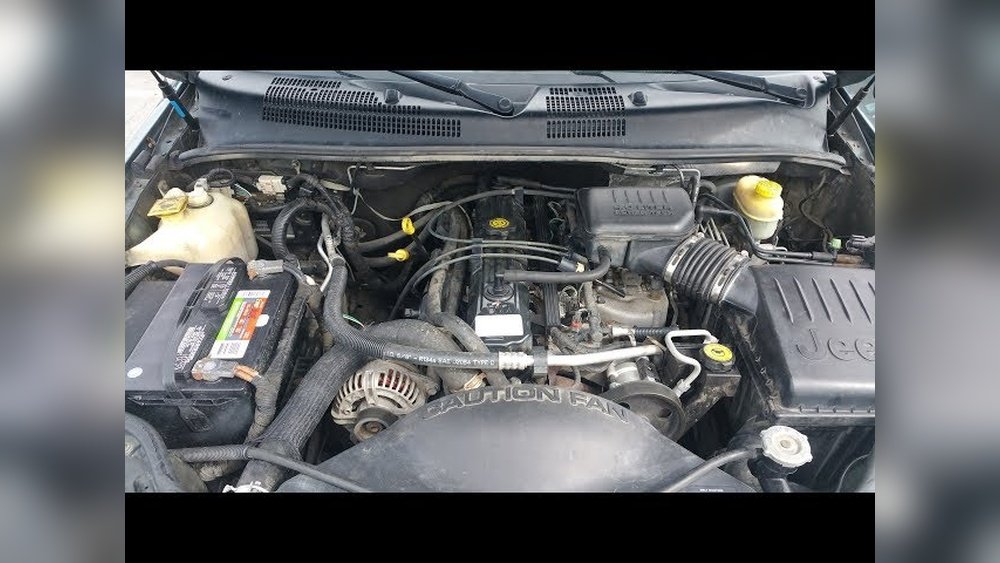
Understanding the basics of the P1391 code helps you recognize symptoms and causes. It also guides in knowing what steps to take to fix the issue. Below, we break down the key points in simple terms.
What P1391 Means
P1391 is a diagnostic trouble code. It means the engine’s computer detects a problem with the crankshaft or camshaft position sensor signal. The sensors send signals that help the engine know when to ignite the fuel and open valves.
If the signals are missing or erratic, the engine timing goes wrong. This causes the engine to run poorly or not start at all.
Common Symptoms
Vehicles with P1391 may show several symptoms. The engine might misfire randomly or feel like it is stumbling. Sometimes, the Jeep may have a hard time starting or not start at all. These symptoms can come and go, making the problem tricky to spot.
There may also be a bucking sensation when driving under load. This means the engine struggles when you press the gas pedal hard.
Why It Happens
The P1391 code usually happens because of bad sensors or wiring issues. The camshaft or crankshaft position sensors can wear out or send wrong data. Wiring can get damaged from heat or rubbing against parts, causing signal loss.
Other causes include a stretched timing chain or damaged tone rings on the crankshaft or camshaft. These parts help the sensors track engine rotation. If they fail, the sensors cannot work correctly.
Crankshaft And Camshaft Sensors
The timing chain plays a vital role in the Jeep Grand Cherokee’s engine. It connects the crankshaft and camshaft, ensuring they rotate in sync. Proper synchronization helps the engine run smoothly and efficiently. Problems with the timing chain or its alignment can trigger the P1391 error code.
Understanding how the timing chain and sensors work together helps diagnose and fix issues. The engine relies on accurate timing to control fuel injection and ignition. Any misalignment can cause poor performance, misfires, or starting troubles.
Impact Of A Stretched Timing Chain
A stretched timing chain can cause delays in camshaft movement. This affects valve timing and engine synchronization. The engine may misfire or hesitate during acceleration. Stretched chains increase wear on sensors and other parts. Ignoring a stretched chain can lead to serious engine damage.
Sensor Alignment And Engine Timing
The camshaft and crankshaft position sensors track engine rotation. They must align precisely with the timing chain’s position. If the sensors fall out of sync, the engine control unit (ECU) receives wrong data. This causes rough running, hard starts, or a no-start condition. Proper sensor alignment ensures accurate engine timing and performance.
Start by inspecting the timing chain for wear or stretch. Replace the chain if it shows signs of damage. Check the alignment of the camshaft and crankshaft sensors. Adjust or replace sensors that are misaligned or faulty. Clear any stored error codes after repairs. Test drive to confirm the timing issue is resolved and the engine runs smoothly.
Diagnosing Sensor Issues
Additional troubleshooting can help solve P1391 code issues in your Jeep Grand Cherokee. Sometimes, problems hide beyond the sensor itself. Examining related parts and using the right components improves repair success. The tips below guide you through deeper checks.
Checking The Flywheel Condition
The flywheel works with the crankshaft sensor to time engine signals. Look for cracks, dents, or missing teeth on the flywheel surface. Damage can cause the sensor to send wrong data, leading to misfires and no-start problems. Use a flashlight to spot damage clearly. Replace the flywheel if you find any defects.
Verifying Engine Valve Timing
Valve timing controls when valves open and close during engine cycles. Incorrect timing causes sensor errors and poor engine performance. Check timing marks on the camshaft and crankshaft gears. Make sure they align as specified by the manufacturer. Adjust timing if the chain or belt has stretched or slipped.
Using Oem Parts For Repairs
Original Equipment Manufacturer (OEM) parts match your Jeep’s factory standards. Using OEM sensors and components ensures proper fit and function. Aftermarket parts may not meet the same quality, causing recurring issues. Buy OEM parts from trusted dealers to avoid sensor or wiring failures after repair.

Conclusion
The P1391 code in a Jeep Grand Cherokee points to crankshaft or camshaft sensor issues. Common signs include hard starts, misfires, or engine stalling. Checking sensor wiring and alignment often helps resolve the problem. Replacing a faulty crankshaft position sensor usually restores smooth running.
Regular maintenance can prevent these issues from worsening. Stay alert to engine behavior and address problems early. This keeps your Jeep reliable and safe on the road.