If your Jeep Wrangler’s check engine light just won’t quit, it’s time to take control and clear those trouble codes yourself. You don’t need to be a mechanic or spend a fortune at the shop.
Whether you have an OBD-II scanner or just your keys, this guide will walk you through simple, step-by-step ways to clear codes on your Jeep Wrangler quickly and safely.
Imagine hitting the road again with confidence, knowing you’ve handled the problem like a pro.
Keep reading to discover easy tricks that get your Jeep back to smooth driving without the annoying warning lights.
Locate The Obd-ii Port
Locating the OBD-II port is the first step to clear codes on your Jeep Wrangler. This port connects your vehicle to an OBD-II scanner. The scanner reads and clears diagnostic trouble codes stored by the Jeep’s computer. Finding this port is simple and quick.
Find The Port Under The Dashboard
The OBD-II port is usually under the dashboard on the driver’s side. Look near the steering column or just above the pedals. It is a small, rectangular connector with 16 pins. Sometimes it is hidden behind a plastic cover or flap. Shine a flashlight if needed. Make sure to check around the fuse box area as well.
Prepare Your Vehicle For Scanning
Before plugging in the scanner, turn off your Jeep. Make sure the ignition is in the OFF position. Keep all doors closed to avoid interruptions. Locate the OBD-II port and connect the scanner firmly. Turn the ignition to the ON position without starting the engine. This allows the scanner to communicate with the vehicle’s system. Wait for the scanner to power up and begin reading codes.
Use An Obd-ii Scanner
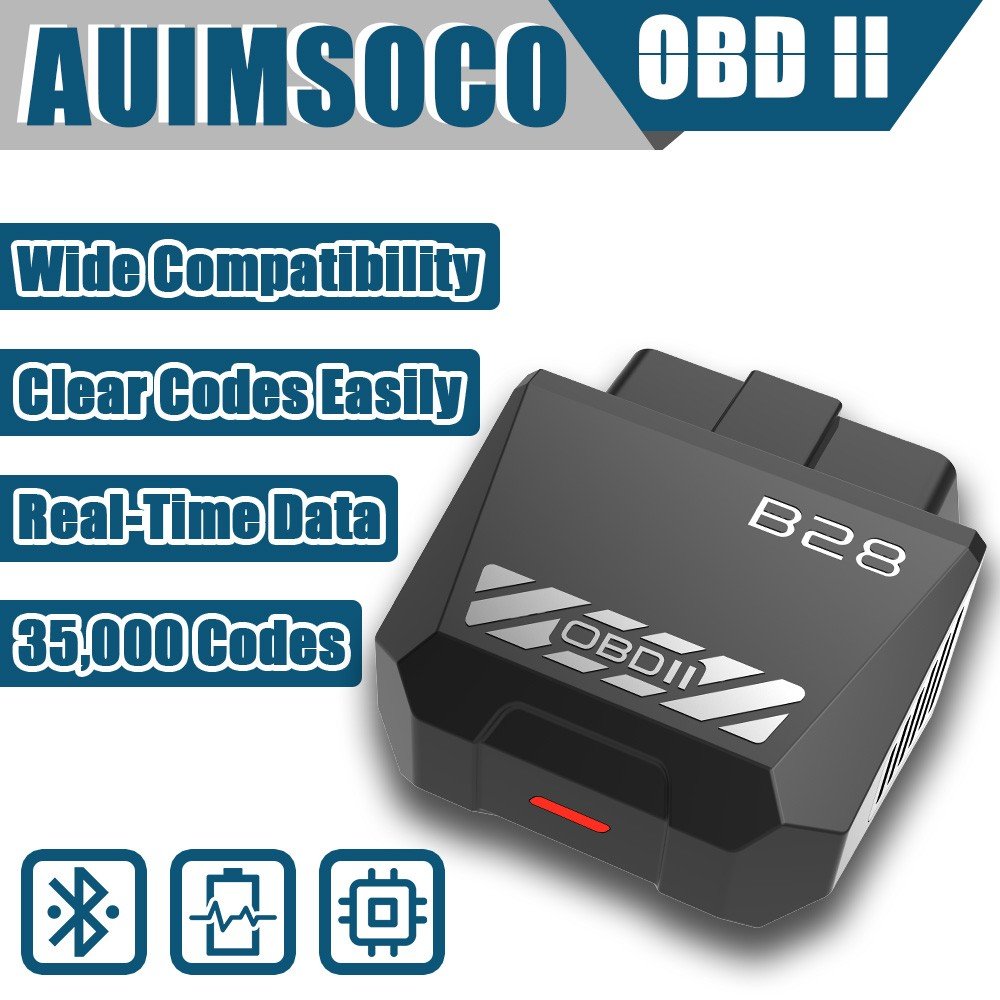
Using an OBD-II scanner is the simplest way to clear trouble codes on your Jeep Wrangler. This device connects to your vehicle’s diagnostic port and helps you read and erase error codes quickly. It saves time and gives you clear information about your Jeep’s issues. Here is how to use an OBD-II scanner effectively.
Connect The Scanner To The Port
Locate the OBD-II port under the driver’s side dashboard. It is usually near the steering column. Plug the scanner’s connector firmly into the port. Turn on your Jeep’s ignition without starting the engine. The scanner will power up and prepare to communicate with your vehicle’s system.
Read And Record Trouble Codes
Use the scanner’s menu to select the option to read codes. The scanner will display the stored trouble codes on its screen. Write down or save these codes for future reference. These codes explain the problems your Jeep is facing. Understanding them helps you decide on the next steps.
Clear Codes With The Scanner
After noting the codes, choose the option to clear or erase codes on the scanner. Confirm your choice. The scanner will send a command to your Jeep’s computer to delete the stored trouble codes. This action turns off the check engine light if no issues remain. Remember, clearing codes does not fix problems. Always address the root cause before clearing codes.
Clear Codes Without A Scanner
Clearing codes on your Jeep Wrangler without a scanner can save time and money. It involves simple steps that reset your vehicle’s computer system. This method works well if you don’t have access to a diagnostic tool. Follow these easy instructions to clear codes safely and effectively.
Disconnect The Battery Safely
Turn off your Jeep and remove the key from the ignition. Locate the negative battery terminal, usually marked with a minus (-) sign. Use a wrench to loosen the nut holding the negative cable. Carefully disconnect the cable and move it away from the battery. This stops the electrical flow and resets the system.
Drain The Electrical System
Press the brake pedal for about 30 seconds after disconnecting the battery. This step drains any leftover power in the electrical system. It helps clear any stored error codes in the vehicle’s computer. Wait at least 10 minutes before reconnecting the battery cable. This pause allows the system to fully reset.
Recalibrate Systems After Battery Disconnect
After reconnecting the battery, some systems may need recalibration. Start the Jeep and let it idle for a few minutes. Roll the windows up and down to reset the window controls. If your Wrangler has electronic steering, follow the owner’s manual for steering angle calibration. Proper recalibration ensures your Jeep runs smoothly and error codes stay cleared.
Manual Key Cycle Method For Older Models
Older Jeep Wrangler models allow clearing codes using the manual key cycle method. This method does not need any special tools or scanners. It uses simple ignition key movements to access and clear trouble codes.
This technique works best for Jeep Wranglers made before 2012. It helps drivers check and clear codes directly on the dashboard. Learning this method saves time and money on diagnostic tools.
Cycle Ignition To Retrieve Codes
Sit inside your Jeep and close all doors. Insert the key into the ignition switch. Turn the key from OFF to RUN and back rapidly. Do this three times: Off-Run-Off-Run-Off-Run.
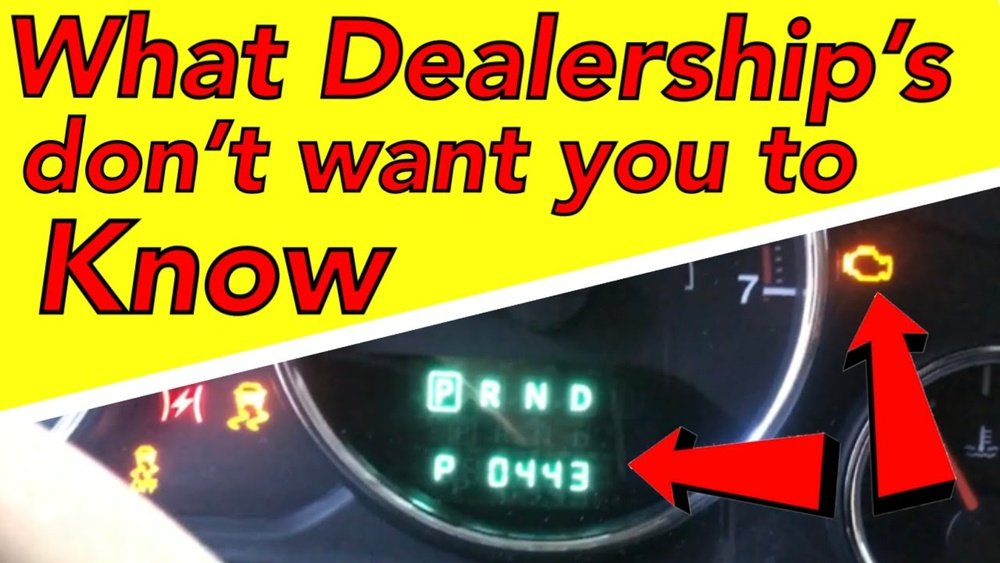
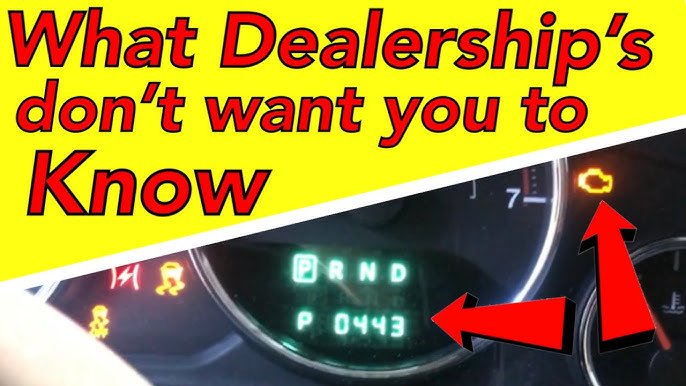
End the cycle with the key in the RUN position. The dashboard odometer will flash any stored error codes. If no codes exist, it will show “Done.” This process reads the codes without extra equipment.
Interpret Dashboard Messages
The codes appear as numbers on the odometer screen. Each code points to a specific problem with the vehicle. You can find code meanings in your Jeep’s manual or online resources.
Some codes may repeat or show multiple times. Write down all codes before clearing them. This helps in diagnosing and fixing the issues correctly.
Limitations Of The Manual Method
This method only reads and clears basic trouble codes. It cannot reset advanced sensors or systems. Some codes may reappear after a few drives if the problem is not fixed.
Manual cycling does not erase all stored data like a scanner would. It is less effective for newer models with complex electronics. For full diagnostics, an OBD-II scanner is recommended.
Post-repair Driving Cycle
After fixing your Jeep Wrangler, the next step is the post-repair driving cycle. This process helps the vehicle’s computer system reset and confirm the repair. It also allows the sensors to check the system again. Following the proper steps ensures trouble codes are fully cleared and the engine runs smoothly.
Let Engine Cool Overnight
Turn off the engine and let it cool completely. This usually means leaving the Jeep parked overnight. A cool engine helps the computer reset properly. It also gives the sensors a fresh start for the next driving cycle.
Complete Multiple Driving Cycles
Start the Jeep and drive normally. Drive through different speeds and conditions, like city streets and highways. This allows the system to test all parts fully. You may need to repeat this process several times. Each cycle helps the computer confirm the repair and clear codes.
Confirm Code Clearance
After driving cycles, check if the codes are gone. Use an OBD-II scanner to verify. The scanner will show if any trouble codes remain. If all codes are cleared, the check engine light should stay off. This confirms your Jeep Wrangler is ready to drive without issues.
Common Issues After Clearing Codes
Clearing codes on your Jeep Wrangler can solve many problems. Yet, some issues may appear after clearing them. It is important to know what to watch for. These common issues can affect your driving experience and vehicle functions. Awareness helps you fix problems quickly and avoid damage.
Check Engine Light Returns
The check engine light may come back after clearing codes. This means the issue was not fully fixed. Some problems need more time to reset or require repairs. Keep an eye on the light. If it returns, scan for new codes. This helps find persistent or new faults.
Steering Angle Recalibration
Clearing codes can affect steering angle sensors. This is common in newer Jeep Wrangler models. Sensors may need recalibration to work correctly. Without it, stability control and traction control may not function right. Take your Jeep to a shop or use a tool to recalibrate the steering angle sensor.
Window And Electronics Reset
After clearing codes, some electronics may reset. Windows might lose their automatic up and down functions. Other systems like the radio or climate control may also need resetting. You may have to reprogram settings or perform a window relearn procedure. This ensures all features work properly again.
Tips For Safe Code Clearing
Clearing codes on a Jeep Wrangler requires care to avoid damage or injury. Follow safety tips to protect yourself and your vehicle. These tips help ensure a smooth and secure code-clearing process.
Wear Safety Gear When Working With The Battery
Always wear gloves and safety glasses. Batteries contain acid that can cause burns. Protect your eyes from sparks when disconnecting cables. Avoid wearing loose clothing or jewelry near the battery.
Follow Model-specific Instructions
Jeep Wrangler models differ in their reset procedures. Check your owner’s manual before starting. Some models need extra steps after battery disconnection. Following instructions prevents electrical or mechanical issues.
Use Quality Tools And Equipment
Select reliable tools to avoid slipping or stripping bolts. Use a proper OBD-II scanner for accurate code reading. Good equipment reduces the chance of mistakes and protects vehicle parts during the process.
When To Seek Professional Help
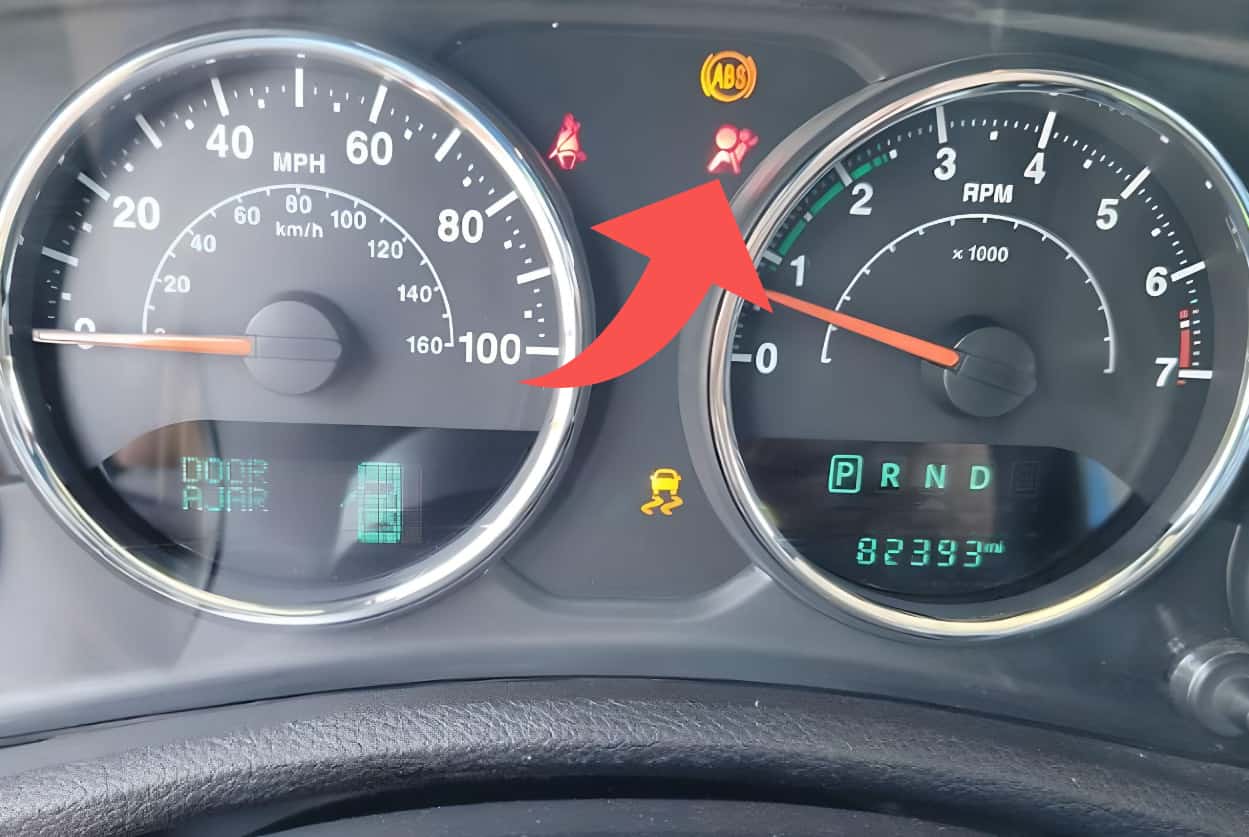
Knowing when to seek professional help for clearing codes on your Jeep Wrangler can save time and prevent further damage. Some issues require expert tools and knowledge beyond basic code clearing. Understanding the signs helps you decide the right moment to get expert support.
Persistent Or Complex Codes
Codes that return after clearing may signal deeper problems. Complex codes often involve multiple systems or sensors. DIY fixes might not fully resolve these issues. Professional mechanics have advanced diagnostic tools to find hidden faults. Persistent codes need thorough inspection to avoid unexpected breakdowns.
Electronic System Malfunctions
Jeep Wranglers use many electronic components that work together. Malfunctions in these systems can cause false or confusing codes. Problems like faulty wiring or control modules are hard to detect. Experts can test and repair electronic systems safely. Attempting electronic repairs without experience risks causing more damage.
Warranty And Service Considerations
Clearing codes yourself may affect your Jeep’s warranty. Some repairs require authorized service to maintain coverage. Professionals follow manufacturer guidelines and use approved parts. They also log repairs properly, which helps with future claims. Consulting a dealer or certified shop protects your investment and ensures quality service.
Conclusion
Clearing codes on your Jeep Wrangler is straightforward with the right steps. Using an OBD-II scanner saves time and effort.
Manual methods work well if you don’t have a scanner. Always ensure your Jeep’s ignition is off before starting.
Follow specific instructions for your Jeep model to avoid issues.
After clearing, drive your Jeep normally to reset the system. Regularly checking and clearing codes helps keep your Jeep running smoothly. Stay safe and confident with these simple code clearing tips. Your Wrangler will thank you!