If you’re looking at the Jeep Grand Cherokee and want to know how much weight it can safely carry, you’re not alone. Payload capacity is a key factor for drivers who plan to haul heavy gear, load up the family for a road trip, or use their SUV for work and play.
But what exactly is payload capacity? How does it compare to towing, and what do you need to consider to avoid damaging your vehicle or putting safety at risk?
Let’s dive deep into the payload capacity of the Jeep Grand Cherokee. By the end, you’ll have a clear understanding of what it means, how to find it for your specific model, and how to use your SUV safely.
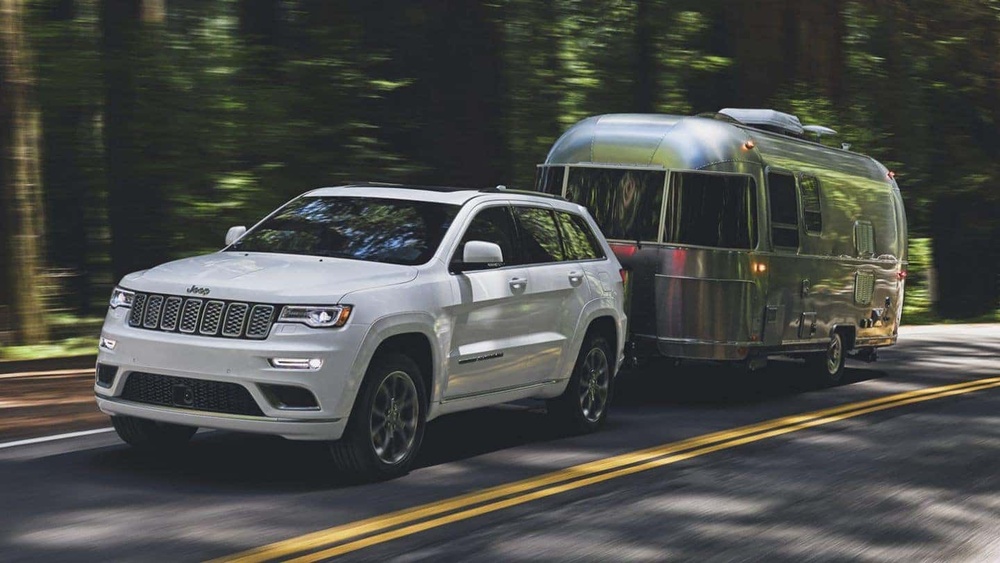
What Is Payload Capacity?
Payload capacity is the maximum weight your vehicle can carry inside itself. This includes passengers, cargo, and anything else you put in the cabin or cargo area. It does *not* include what you tow behind the SUV.
For example, if you and your family, plus your luggage and a rooftop cargo box, add up to 1,200 pounds, that’s your payload. If you go over the limit, you put stress on the suspension, brakes, and frame.
A common mistake is to confuse payload capacity with towing capacity. Towing is the weight you can pull behind the vehicle, like a trailer or boat. Payload is what you load *inside* or *on top of* the vehicle itself.
Jeep Grand Cherokee Payload Capacity Overview
The Jeep Grand Cherokee has been a popular SUV for decades, and its payload numbers can vary based on the model year, engine, trim, and whether you have 2WD or 4WD. Let’s look at the typical range.
| Model Year | Payload Capacity (lbs) |
|---|---|
| 2026 | 1,283 – 1,435 |
| 2026 | 1,180 – 1,370 |
| 2026 | 1,179 – 1,387 |
| 2026 | 1,180 – 1,350 |
| 2020 | 1,180 – 1,350 |
These numbers show that most recent Grand Cherokees have a payload limit between 1,100 and 1,400 pounds. The exact number depends on your model’s engine, trim, features, and configuration.
Why Does Payload Vary?
Different engines and trims have different weights and suspensions. For example, the V8 engine is heavier than the V6, so the payload may be a bit lower because more of the vehicle’s total weight is taken up by the engine itself.
Extra features like panoramic sunroofs, air suspension, or larger wheels can also affect payload.
How To Find Your Jeep Grand Cherokee’s Exact Payload Capacity
If you want the most accurate number for your specific Grand Cherokee, there are a few ways to check:
- Look for the sticker on the driver’s door jamb. It usually lists “The combined weight of occupants and cargo should never exceed…” This is your payload.
- Check your owner’s manual. It lists specs for your year and trim.
- Use the GVWR formula: GVWR (Gross Vehicle Weight Rating) minus curb weight equals payload capacity.
For example, if your Jeep’s GVWR is 6,500 lbs and its curb weight is 5,200 lbs, your payload is 1,300 lbs.
Non-obvious tip: Don’t trust only online specs—always check your exact vehicle. Options like a tow package or even a full fuel tank can change the number.
Payload Capacity By Trim And Engine
The Jeep Grand Cherokee comes in several trims (Laredo, Limited, Overland, Summit, Trailhawk, etc.) and with different engines. Here’s a more detailed look at how payload changes:
| Trim / Engine | Payload Capacity (lbs) |
|---|---|
| Laredo (V6) | 1,380 |
| Limited (V6) | 1,350 |
| Overland (V6) | 1,320 |
| Summit (V8) | 1,180 |
| Trailhawk (V6) | 1,360 |
| Summit Reserve (V8) | 1,150 |
Insight for beginners: The higher-end trims with more luxury features and bigger engines often have *lower* payloads because the vehicle itself weighs more.

Jeep Grand Cherokee L And 4xe Payload Capacities
The Grand Cherokee L (the three-row version) and the Grand Cherokee 4xe (plug-in hybrid) have different payloads:
- Grand Cherokee L: Payload ranges from about 1,220 to 1,380 lbs, depending on trim.
- Grand Cherokee 4xe: Payload is typically lower, around 1,150–1,240 lbs, due to the extra weight of the hybrid battery.
If you need to carry more people (like in the L), remember each extra passenger counts against your payload.
Common Payload Mistakes (and How To Avoid Them)
Many Grand Cherokee owners make simple mistakes that can lead to safety problems or even void warranties. Here’s what to watch out for:
- Ignoring the payload sticker: Don’t guess—always check your specific vehicle.
- Forgetting to count passengers: Every person in the SUV counts toward the payload, not just the cargo.
- Overloading roof racks: The *roof* has its own limit (often 150 lbs or less), even if your overall payload is higher.
- Not adjusting for modifications: If you’ve added a heavy bumper, winch, or larger wheels, your payload drops.
- Misunderstanding towing vs. payload: Adding trailer tongue weight (downforce from a trailer) counts against payload!
Practical tip: Weigh your loaded Jeep at a truck stop scale if you’re unsure. This simple step can prevent costly damage.

How Payload Affects Performance And Safety
When you load your Grand Cherokee to its maximum, a few things change:
- Handling and braking: More weight means longer stopping distances and less agile handling.
- Tire wear: Overloading puts extra pressure on tires, increasing the risk of blowouts.
- Suspension: Springs and shocks can wear out faster.
- Warranty: Overloading can void parts of your warranty if damage occurs.
Non-obvious insight: Even being *close* to the payload limit for long trips can cause wear over time—try to stay 10% below the max if possible.
Real-world Examples: What Can You Carry?
Let’s see what you can actually carry in a Jeep Grand Cherokee with a 1,350-lb payload:
- 2 adults (350 lbs) + 2 teens (280 lbs) = 630 lbs
- Luggage for 4 (120 lbs)
- Cooler and camping gear (100 lbs)
- Small rooftop cargo box (50 lbs, including box weight)
Total: 900 lbs. You still have about 450 lbs left, but if you add a dog, bikes, or heavy tools, you might quickly reach the limit.
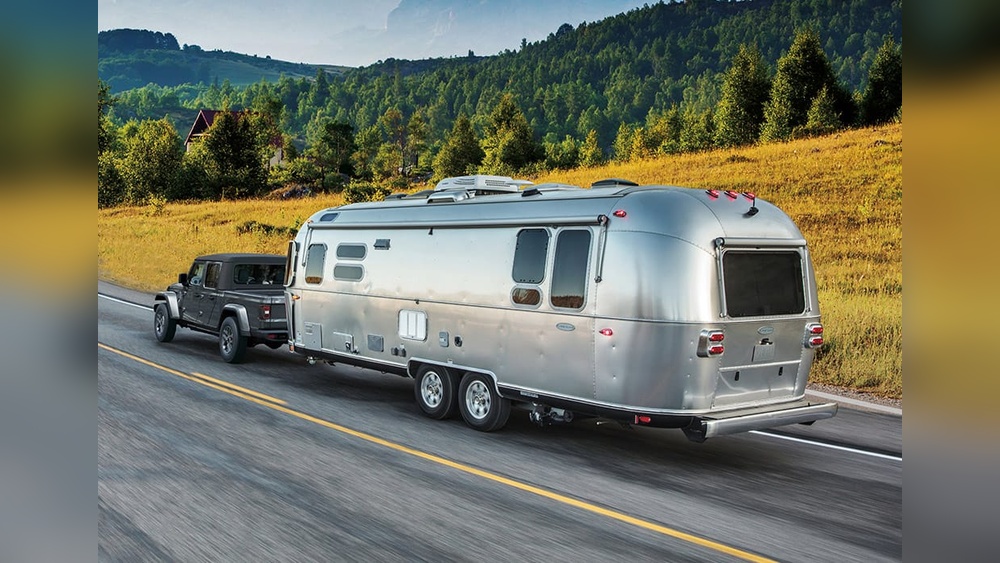
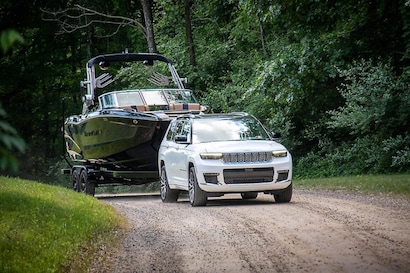
Tip: If you’re towing a trailer, the *tongue weight* (usually 10% of trailer weight) also counts toward the payload. For example, towing a 4,000-lb trailer adds about 400 lbs of tongue weight to your payload.
Jeep Grand Cherokee Vs. Other Suvs
How does the Grand Cherokee stack up against competitors? Here’s a quick comparison with similar midsize SUVs.
| Model | Payload Capacity (lbs) |
|---|---|
| Jeep Grand Cherokee | 1,180 – 1,435 |
| Toyota 4Runner | 1,505 |
| Ford Explorer | 1,259 – 1,560 |
| Honda Passport | 1,100 – 1,420 |
| Chevrolet Blazer | 1,500 |
As you can see, the Grand Cherokee is competitive, but some rivals offer a bit more payload. However, it’s rare for most families to need more than 1,400 lbs in real-life use.
Tips For Safely Maximizing Payload
If you need to carry close to your Grand Cherokee’s limit, follow these best practices:
- Distribute weight evenly from side to side and front to back.
- Secure all cargo to prevent shifting, especially in an accident.
- Check tire pressure before loading up—low tires reduce safe load capacity.
- Upgrade suspension if you regularly carry heavy loads (consult a mechanic first).
- Watch roof load limits—never put too much on top, even if there’s payload left.
Remember: Payload limits are set for safety. Exceeding them even once can damage your vehicle or lead to accidents.
Where To Find Official Jeep Payload Specs
For the latest and most accurate data, check the official Jeep website or your dealer. You can also find specs at Jeep’s official Grand Cherokee page.
If you’re buying used, always check the door jamb sticker and the owner’s manual, as online listings can sometimes be wrong or missing details.
Frequently Asked Questions
<!– wp:rank-math/faq-block {"questions":[{"id":"faq-question-2c87c7390f80","title":"What Happens If I Exceed My Jeep Grand Cherokee’s Payload Capacity?","content":"If you go over the payload limit, you can damage the suspension, brakes, and tires. The SUV may handle poorly, and stopping distances will increase. In some cases, it can even void your warranty or cause dangerous situations, especially in emergencies.
“,”visible”:true},{“id”:”faq-question-df37f609c6c9″,”title”:”How Is Payload Different From Towing Capacity?”,”content”:”Payload is everything you put *inside* or *on top of* your vehicle (people, cargo, pets, etc.). Towing capacity is the weight you can safely pull *behind* your vehicle (like a trailer or boat). They are measured separately but are both important for safe driving.
“,”visible”:true},{“id”:”faq-question-545f907073f1″,”title”:”Does Adding A Roof Rack Or Bike Rack Change My Payload?”,”content”:”Yes. The weight of any accessory (roof rack, bike rack, etc. ) Is included in your payload. Also, the roof itself has a lower limit—usually about 150 lbs—so check both the vehicle and rack manual.
“,”visible”:true},{“id”:”faq-question-b20d67b71781″,”title”:”Can I Increase My Jeep Grand Cherokee’s Payload Capacity?”,”content”:”No. Payload is set by the manufacturer, based on the vehicle’s frame, suspension, and brakes. Adding heavy-duty parts can help carry weight more safely, but it does *not* officially increase payload and won’t change the sticker number.
“,”visible”:true},{“id”:”faq-question-416c93b5ae4b”,”title”:”Where Can I Find The Payload Capacity For My Specific Jeep Grand Cherokee?”,”content”:”Check the sticker on the driver’s door jamb, your owner’s manual, or the official Jeep website. These sources will give you the most accurate information for your exact vehicle and configuration.
Whether you’re hauling camping gear, moving boxes, or taking the family on vacation, understanding your Jeep Grand Cherokee’s payload capacity is key to a safe and smooth trip. Always check your exact numbers, count everything you load, and stay within limits. With the right knowledge, you’ll get the most from your SUV for years to come.
“,”visible”:true}]} –>What Happens If I Exceed My Jeep Grand Cherokee’s Payload Capacity?
If you go over the payload limit, you can damage the suspension, brakes, and tires. The SUV may handle poorly, and stopping distances will increase. In some cases, it can even void your warranty or cause dangerous situations, especially in emergencies.
How Is Payload Different From Towing Capacity?
Payload is everything you put *inside* or *on top of* your vehicle (people, cargo, pets, etc.). Towing capacity is the weight you can safely pull *behind* your vehicle (like a trailer or boat). They are measured separately but are both important for safe driving.
Does Adding A Roof Rack Or Bike Rack Change My Payload?
Yes. The weight of any accessory (roof rack, bike rack, etc. ) Is included in your payload. Also, the roof itself has a lower limit—usually about 150 lbs—so check both the vehicle and rack manual.
Can I Increase My Jeep Grand Cherokee’s Payload Capacity?
No. Payload is set by the manufacturer, based on the vehicle’s frame, suspension, and brakes. Adding heavy-duty parts can help carry weight more safely, but it does *not* officially increase payload and won’t change the sticker number.
Where Can I Find The Payload Capacity For My Specific Jeep Grand Cherokee?
Check the sticker on the driver’s door jamb, your owner’s manual, or the official Jeep website. These sources will give you the most accurate information for your exact vehicle and configuration.
Whether you’re hauling camping gear, moving boxes, or taking the family on vacation, understanding your Jeep Grand Cherokee’s payload capacity is key to a safe and smooth trip. Always check your exact numbers, count everything you load, and stay within limits. With the right knowledge, you’ll get the most from your SUV for years to come.