The dashboard of a Jeep Wrangler is more than just a display—it’s the communication center between you and your vehicle. If you’ve ever seen a bright light suddenly flash on while driving, you know the mix of confusion and worry it can bring.
These warning lights are not just for show; they tell you about the health and safety of your Jeep. Ignoring them can lead to costly repairs or even dangerous situations.
Understanding what each symbol means, and what actions you should take, helps you stay safe and keep your Wrangler running smoothly.
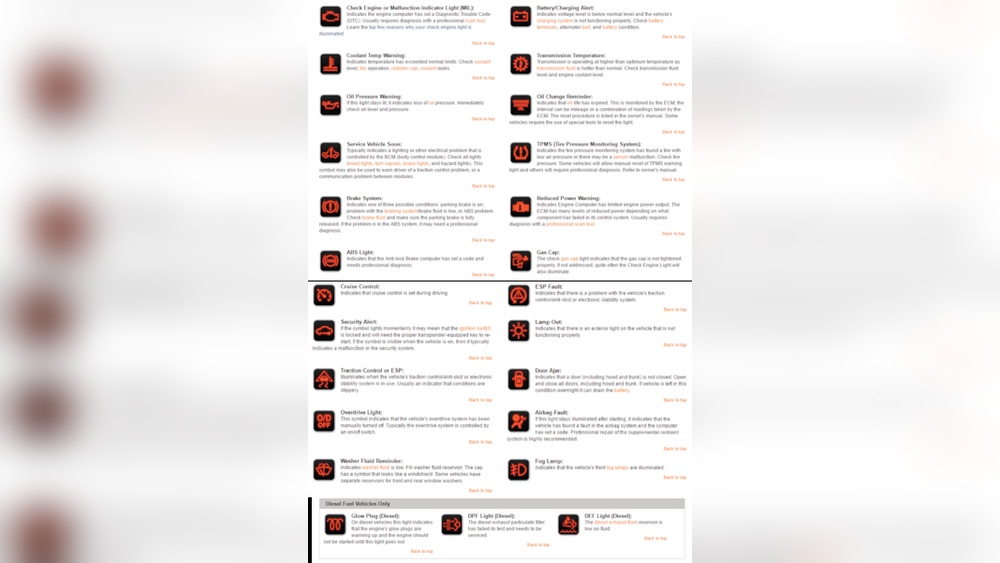
This guide breaks down the most common Jeep Wrangler dashboard warning lights, explains their meanings in simple language, and tells you what you should do if one appears. It also covers differences between colors, what to check before panicking, and offers practical advice that many drivers miss.
By the end, you’ll feel confident when those symbols light up.
Understanding Dashboard Warning Lights
Dashboard warning lights in the Jeep Wrangler are designed to alert you to issues or status updates. While some lights are just reminders, others signal urgent problems. Most warning lights fall into three color groups:
- Red: Immediate attention required. Stop as soon as it’s safe.
- Yellow/Amber: Caution. Check soon, but you can usually continue driving for a short time.
- Green/Blue: Information only. No action needed.
Each symbol has a specific meaning, and sometimes a sound will also play. Knowing the difference between a serious warning and a simple reminder can prevent both stress and expensive trips to the mechanic.
Why Colors Matter
Don’t ignore red or flashing lights. For example, a red oil can icon means your engine is at risk. A yellow low tire symbol usually means you need air soon, not right this second. Understanding these color codes can help you act quickly when it matters most.
Most Common Jeep Wrangler Warning Lights
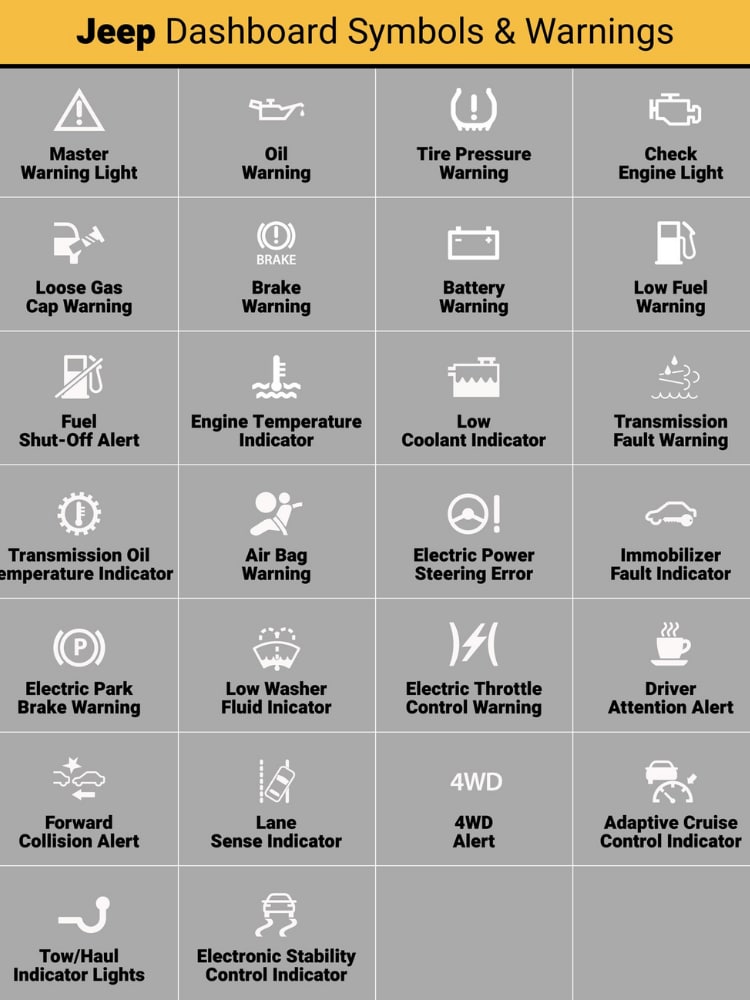
Modern Jeep Wranglers have over 20 different dashboard lights. Here are the most frequent ones you’ll see:
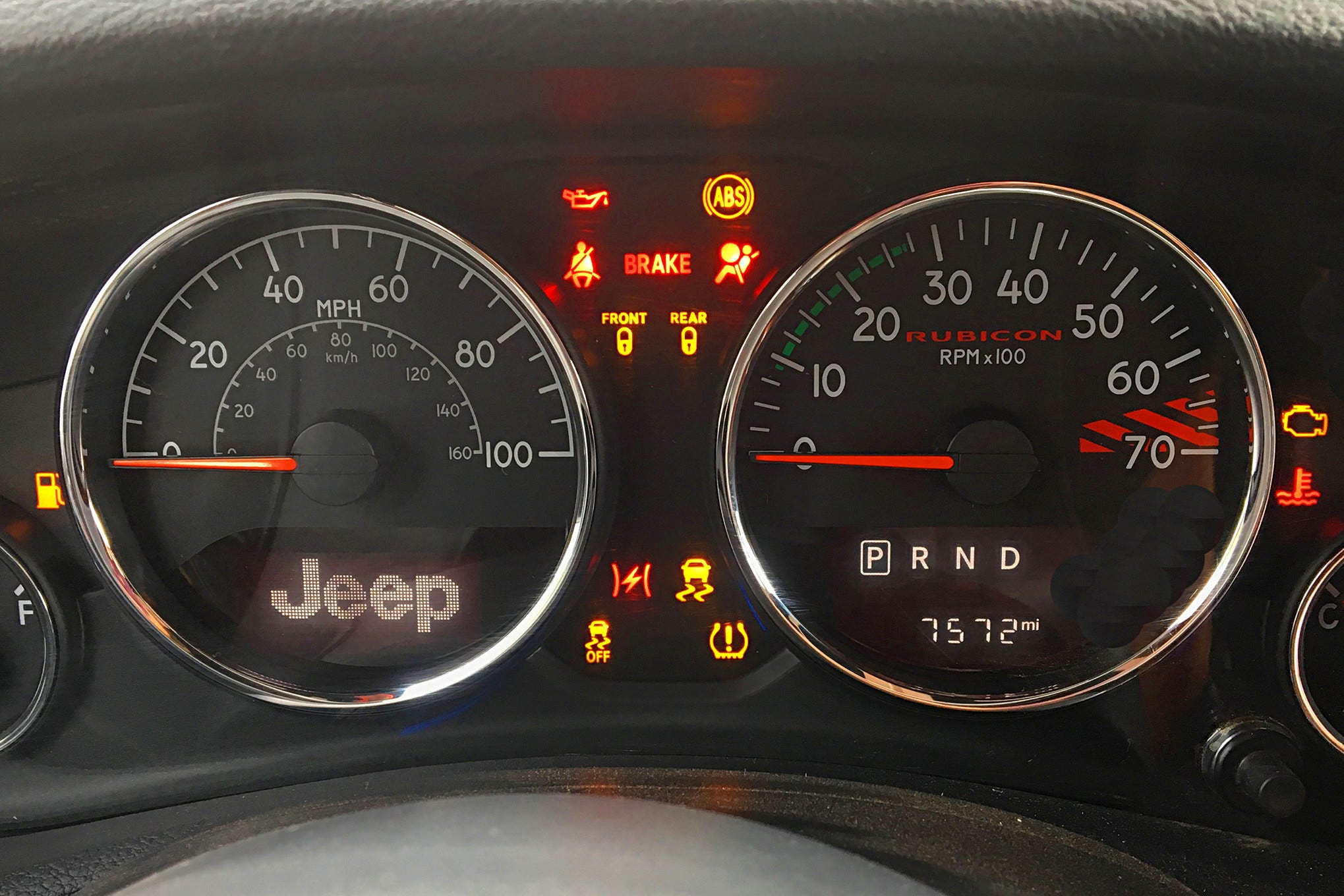
1. Check Engine Light
This light looks like a small engine outline. It can mean many things—from a loose gas cap to a serious engine problem. If it’s steady, you can usually drive home and check things. If it’s flashing, stop immediately and call for help.
2. Oil Pressure Warning
A red oil can icon means your engine’s oil pressure is too low. This can lead to engine damage within minutes. Pull over safely, turn off the engine, and check the oil level. Don’t drive further until it’s fixed.
3. Battery/charging Alert
This symbol looks like a battery. If it lights up, your alternator might not be charging your battery. You may only have minutes before the Jeep stalls. Turn off extra electronics, drive to a safe spot, and get help.
4. Tire Pressure Monitoring System (tpms)
A yellow symbol that looks like a horseshoe with an exclamation point. It means one or more tires are low on air. Check your tires as soon as possible. Cold weather can trigger this light even if there’s no leak.
5. Brake System Warning
A red BRAKE or circle with an exclamation point means there’s a problem with your brakes. This could be low brake fluid, worn pads, or a fault in the brake system. Do not drive until you’ve checked your brakes.
6. Abs Warning
The ABS (Anti-lock Braking System) light is usually yellow. Your brakes will still work, but the anti-lock system won’t. Get your brakes checked soon.
7. Airbag Warning
A symbol of a person with a circle in front of them means there’s an issue with your airbags. It could be a sensor problem or a real fault. Airbags might not deploy in a crash, so have this checked right away.
8. Seat Belt Reminder
A red figure with a seat belt flashes and beeps if you or your passenger is not buckled up. Fasten your seat belt to turn this off.
9. Coolant Temperature Warning
A red thermometer in water means your engine is overheating. Stop as soon as it’s safe, turn off the engine, and let it cool down before checking anything under the hood.
10. Transmission Temperature Warning
This symbol looks like a thermometer in a gear. It’s rare, but if it comes on, your transmission is too hot. Pull over and let your Jeep cool down.
11. Electronic Stability Control (esc) Indicator
A car with wavy lines underneath means your stability system is active. If it stays on, the system may not work properly. This is important for driving on slippery roads.
12. 4wd Warning
A 4WD light tells you about your four-wheel-drive system. If it flashes or stays on, there may be a transfer case issue. Check the owner’s manual for details.
13. Security Indicator Light
A red or yellow key with a car means there is a security system issue. The Jeep might not start or could shut off unexpectedly.
14. Low Fuel Warning
A yellow gas pump icon lights up when you’re low on gas. Refuel soon to avoid getting stranded.
15. Door Ajar Indicator
A symbol with a car and open doors shows if any door isn’t fully closed. This is a simple reminder, but it’s important for safety.
What To Do When A Warning Light Appears
Seeing a warning light can be stressful. Here are smart steps to follow:
- Stay calm. Most lights aren’t emergencies.
- Check the color. Red means stop soon, yellow means check soon, green/blue is just info.
- Listen for sounds. Some urgent warnings are paired with chimes.
- Read the message center. Many Wranglers show a short message about the problem.
- Consult your manual. If you’re unsure, the owner’s manual has explanations for each symbol.
Sometimes, a simple fix—like tightening the gas cap—can turn off a warning light. But never ignore a red or flashing light.
Jeep Wrangler Warning Lights: Symbol Reference Table
To help you identify dashboard symbols quickly, here’s a reference guide:
| Symbol | Color | Meaning | Action Needed |
|---|---|---|---|
| Check Engine | Yellow/Flashing Red | Engine/emissions issue | Check soon/Stop if flashing |
| Oil Pressure | Red | Low oil pressure | Stop immediately |
| Battery | Red | Charging fault | Check charging system |
| TPMS | Yellow | Low tire pressure | Check tires soon |
| Brake System | Red | Brake problem | Check brakes now |

Why Some Lights Stay On After Starting
It’s normal for most warning lights to turn on briefly when you start your Wrangler. They should go off after a few seconds. If a light stays on, it means there’s a current problem. For example, the airbag or ABS light staying on after startup is a sign of a real issue.
If you see a light that won’t go away, don’t ignore it.
Tip: Resetting A Warning Light
Some drivers think disconnecting the battery will reset a dashboard light. While this might clear the light for a short time, it doesn’t fix the root problem. In fact, it can erase useful diagnostic codes, making repairs harder. Always fix the issue, not just the symptom.
Advanced Warning Lights And Features
Newer Jeep Wranglers come with advanced lights that older models don’t have. Here are a few you might see:
- Adaptive Cruise Control: Shows a car and speed lines if the system senses a problem.
- Blind Spot Monitoring: An amber car symbol in your mirror if there’s a vehicle in your blind spot.
- Service 4WD: Appears when the four-wheel-drive system needs attention.
Some advanced features can be confusing, especially if you switch between older and newer Wranglers. Always check your manual if you see an unfamiliar symbol.
Differences Between Models And Years
Not all Jeep Wranglers have the same dashboard symbols. For example, the JL (2018+) and JK (2007–2018) Wranglers have slightly different displays. The meaning is usually the same, but the symbol’s look may change.
Here’s a quick comparison:
| Model Year | Common Features | Unique Warning Lights |
|---|---|---|
| JK (2007–2018) | Basic symbols, TPMS, ABS | Fewer advanced alerts |
| JL (2018+) | Touchscreen display, more sensors | Adaptive cruise, blind spot |
If you buy a used Wrangler, always ask for the owner’s manual or download it from the Jeep website. This helps you match symbols to your specific model.
Non-obvious Insights Every Wrangler Owner Should Know
- Temperature can trigger warnings. Cold weather lowers tire pressure, which can cause TPMS lights even when tires aren’t damaged. Recheck pressure when the temperature changes.
- Aftermarket parts affect sensors. If you add custom wheels or lights, they can confuse the dashboard’s warning systems. Always check compatibility before making changes.
Many new owners panic when a warning light appears after a modification. It’s often just a sensor reading something unexpected.
When To Visit A Mechanic
You don’t need to rush to the shop for every warning light. But you should see a professional if:
- A red or flashing light appears and stays on.
- You notice strange sounds, smells, or poor performance along with a warning.
- The same light keeps coming back after you fix it.
- Multiple warning lights appear at the same time.
A mechanic can read diagnostic codes from your Jeep’s computer, pinpointing problems quickly. This saves both time and money.
Quick-reference: What To Do For Each Light
Here’s a simple guide for quick action:
| Light | Immediate Action | Can You Drive? |
|---|---|---|
| Check Engine (steady) | Check gas cap, monitor engine | Usually yes |
| Check Engine (flashing) | Stop safely, call for help | No |
| Oil Pressure | Pull over, check oil | No |
| TPMS | Add air to tires | Yes, short distances |
| Brake System | Check brakes before driving | Only if brakes are working |
Frequently Asked Questions
<!– wp:rank-math/faq-block {"questions":[{"id":"faq-question-a50fd8269452","title":"What Does It Mean If My Jeep Wrangler’s Check Engine Light Is On?","content":"A steady check engine light usually means a minor issue, like a loose gas cap or a sensor problem. A flashing light means something serious, like a misfire, which can damage your engine. Check your gas cap first, but visit a mechanic if you’re unsure.
“,”visible”:true},{“id”:”faq-question-c8b7b9c58eff”,”title”:”Can I Drive With The Abs Light On In My Jeep Wrangler?”,”content”:”You can drive, but your anti-lock brakes won’t work. This means your wheels can lock up in a hard stop, especially in rain or snow. Get your brakes checked soon.
“,”visible”:true},{“id”:”faq-question-83b4cd40d508″,”title”:”Why Does My Tpms Light Come On Only In The Morning?”,”content”:”Cooler temperatures at night lower your tire pressure, which can trigger the TPMS light. After you drive and the tires warm up, the light might go off. Still, check and adjust your tire pressure to the recommended level.
“,”visible”:true},{“id”:”faq-question-ae62f1952b78″,”title”:”What Should I Do If Multiple Warning Lights Appear At Once?”,”content”:”If several lights come on together, it could mean a major electrical or sensor issue. Pull over safely. Restart your Jeep to see if the problem clears. If not, get your vehicle checked by a professional.
“,”visible”:true},{“id”:”faq-question-4643061c6721″,”title”:”Where Can I Find More Information About Jeep Wrangler Dashboard Symbols?”,”content”:”The best source is your owner’s manual. You can also check the official Jeep website or visit NHTSA for more details about vehicle safety systems.
A Jeep Wrangler is built for adventure, but staying alert to its dashboard warning lights keeps you safe on and off the road. With the right knowledge, you can handle most issues quickly and confidently—giving you more time to enjoy the drive.
“,”visible”:true}]} –>What Does It Mean If My Jeep Wrangler’s Check Engine Light Is On?
A steady check engine light usually means a minor issue, like a loose gas cap or a sensor problem. A flashing light means something serious, like a misfire, which can damage your engine. Check your gas cap first, but visit a mechanic if you’re unsure.
Can I Drive With The Abs Light On In My Jeep Wrangler?
You can drive, but your anti-lock brakes won’t work. This means your wheels can lock up in a hard stop, especially in rain or snow. Get your brakes checked soon.
Why Does My Tpms Light Come On Only In The Morning?
Cooler temperatures at night lower your tire pressure, which can trigger the TPMS light. After you drive and the tires warm up, the light might go off. Still, check and adjust your tire pressure to the recommended level.
What Should I Do If Multiple Warning Lights Appear At Once?
If several lights come on together, it could mean a major electrical or sensor issue. Pull over safely. Restart your Jeep to see if the problem clears. If not, get your vehicle checked by a professional.
Where Can I Find More Information About Jeep Wrangler Dashboard Symbols?
The best source is your owner’s manual. You can also check the official Jeep website or visit NHTSA for more details about vehicle safety systems.
A Jeep Wrangler is built for adventure, but staying alert to its dashboard warning lights keeps you safe on and off the road. With the right knowledge, you can handle most issues quickly and confidently—giving you more time to enjoy the drive.