The Jeep Wrangler is known for its toughness and off-road capabilities. But even the most reliable vehicles need maintenance, and one part that sometimes fails is the fuel pump.
If your Jeep is stalling, struggling to start, or losing power, the fuel pump might be the problem. Replacing a fuel pump is not a simple task, but with the right information and tools, it can be done at home.
This guide will walk you through the essentials of Jeep Wrangler fuel pump replacement, from identifying symptoms to step-by-step instructions, expert tips, and common mistakes to avoid.
Understanding The Fuel Pump In A Jeep Wrangler
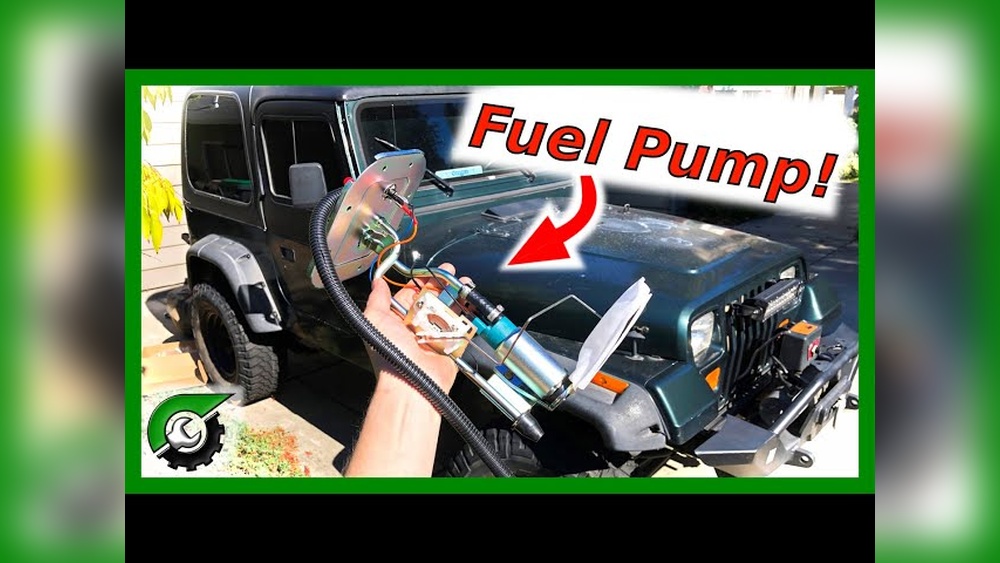
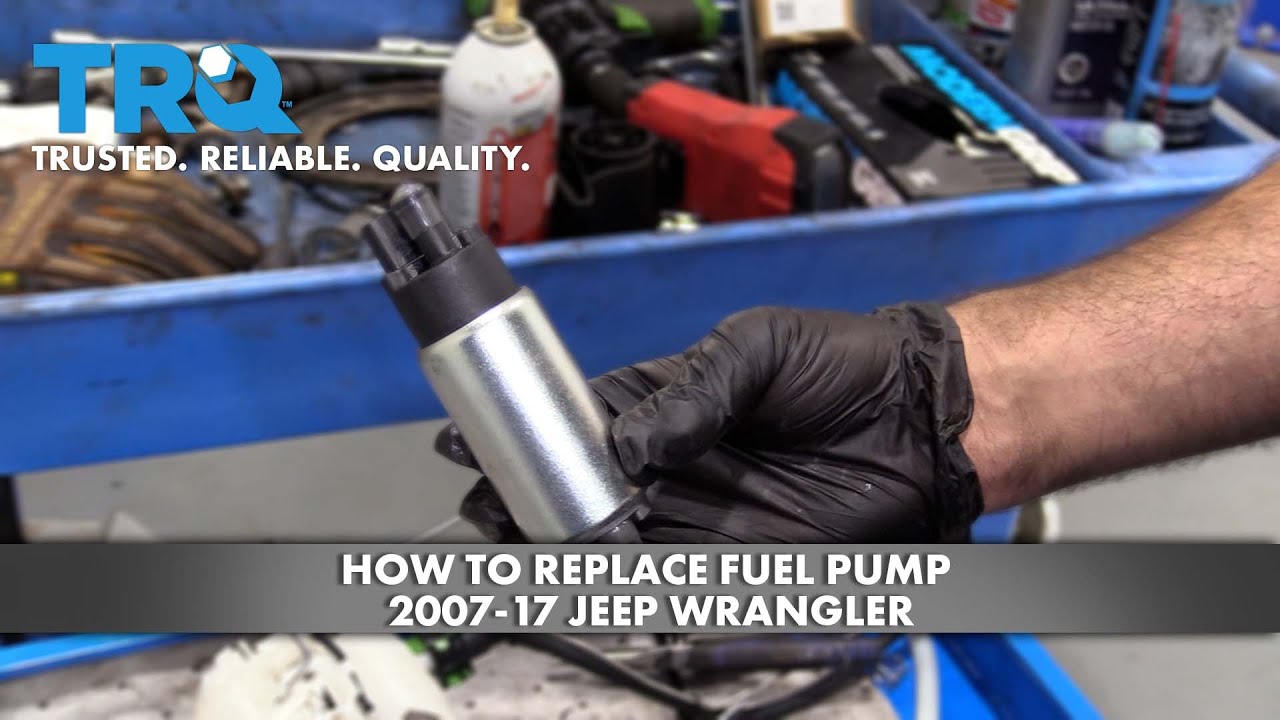
The fuel pump is a critical component of your Jeep’s fuel system. Its main job is to send fuel from the gas tank to the engine at the correct pressure. Modern Wranglers use an electric fuel pump, usually located inside the gas tank. When it fails, the engine may not get enough fuel, leading to performance problems or a complete breakdown.
Key Functions
- Delivers fuel from the tank to the engine
- Maintains consistent pressure for smooth engine operation
- Works with other components like the fuel filter and injectors
Most Jeep Wranglers (YJ, TJ, JK, JL) use a similar pump design, but always check your model’s specs before starting any repair.
Signs Your Jeep Wrangler Fuel Pump Needs Replacement
Knowing when the fuel pump is failing can save you from being stranded. Here are some clear symptoms:
- Difficulty starting: The engine cranks but doesn’t start easily.
- Loss of power: Especially when driving uphill or accelerating.
- Engine sputtering: At high speeds, the engine may jerk or hesitate.
- No sound from the tank: Normally, you hear a faint hum from the pump when you turn the key.
- Sudden stalling: The Jeep may die unexpectedly, even with plenty of fuel.
Ignoring these signs can damage the engine or leave you on the side of the road.
Tools And Parts You’ll Need
Before starting the replacement, gather all necessary tools and parts:
- Replacement fuel pump (OEM or high-quality aftermarket)
- Socket set and wrenches
- Screwdrivers (flat and Phillips)
- Jack and jack stands
- Fuel line disconnect tool
- Safety glasses and gloves
- Drain pan (for fuel)
- New fuel filter (recommended)
- Rags and cleaning supplies
Some models require a special tool to remove the fuel pump retaining ring. Always check your Jeep’s manual for specific details.
Preparing For Fuel Pump Replacement
Working with fuel is dangerous. Gasoline is highly flammable, and fumes can be harmful. Take these steps to stay safe:
- Work in a well-ventilated area
- Disconnect the battery to prevent sparks
- Avoid open flames or smoking nearby
- Relieve fuel system pressure before opening lines
- Keep a fire extinguisher close by
If you’re not comfortable with these precautions, it’s best to have a professional mechanic handle the job.
Step-by-step Guide To Replacing A Jeep Wrangler Fuel Pump
Replacing the fuel pump is a hands-on job. Here’s a practical breakdown:
1. Relieve Fuel System Pressure
Before removing any fuel lines, you must release the pressure:
- Remove the fuel pump relay or fuse from the fuse box
- Start the engine and let it run until it stalls
- Try to start it again (it shouldn’t start)
- Turn off the ignition
This step helps prevent fuel spray when disconnecting lines.
2. Access The Fuel Pump
For most Jeep Wranglers, the fuel pump is inside the gas tank:
- Lift the rear of the Jeep with a jack and secure with jack stands
- Place a drain pan under the tank
- Disconnect the fuel filler neck and vent hoses
- Unplug the electrical connectors
- Support the tank with a jack and remove the retaining straps
- Lower the tank carefully
3. Remove The Old Fuel Pump
- Clean the top of the tank to keep dirt out
- Disconnect fuel lines from the pump assembly
- Remove the retaining ring or bolts holding the pump
- Gently lift the pump assembly out of the tank
Be careful not to damage the fuel level sensor, which is often attached to the pump.
4. Install The New Fuel Pump
- Compare the old and new pumps to ensure compatibility
- Install a new fuel filter if possible (some models have it in the pump assembly)
- Insert the new pump into the tank, aligning it properly
- Reattach the retaining ring or bolts
- Reconnect the fuel lines and electrical connectors
5. Reinstall The Gas Tank
- Lift the tank back into position
- Secure with straps and bolts
- Reconnect the filler neck and vent hoses
- Plug in all electrical connections
6. Final Checks
- Reinstall the fuel pump relay or fuse
- Reconnect the battery
- Turn the ignition key to “ON” (not start) a few times to prime the system
- Check for leaks around the tank and pump
- Start the engine and let it idle, watching for any issues
If the engine runs smoothly and there are no leaks, the replacement was successful.
Jeep Wrangler Fuel Pump Replacement: Cost Breakdown
Understanding the costs can help you plan your repair. Here’s a typical breakdown:
| Cost Item | Price Range (USD) | Notes |
|---|---|---|
| Fuel Pump (OEM) | $150 – $350 | Aftermarket options may be cheaper |
| Labor (if done by mechanic) | $250 – $500 | Varies by shop/location |
| Extra Parts (filter, hoses) | $20 – $60 | Optional, but recommended |
| Total DIY Cost | $170 – $410 | Excludes labor |
| Total Shop Cost | $400 – $900 | Includes labor |
Prices vary by Jeep model, location, and parts used. Doing it yourself can save hundreds of dollars, but requires time and patience.
Choosing The Right Fuel Pump
Not all fuel pumps are the same. Some key factors to consider:
- Compatibility: Make sure the pump matches your Jeep’s year, model, and engine size.
- Quality: OEM parts are usually more reliable, but reputable aftermarket brands can work well.
- Warranty: A good warranty can save you trouble if the part fails early.
- Flow rate: For modified Jeeps, a higher flow rate may be needed.
Check reviews and ask for recommendations from Jeep forums or mechanics. Avoid ultra-cheap pumps, as they often fail quickly.
Common Mistakes To Avoid
Many beginners run into trouble during fuel pump replacement. Here are some mistakes to watch out for:
- Not relieving fuel pressure: Skipping this step can cause dangerous fuel spray.
- Mixing up fuel lines: Label lines before disconnecting to avoid confusion during reassembly.
- Damaging the fuel tank: Lower the tank carefully; dropping it can cause expensive leaks.
- Forgetting the fuel filter: Replacing an old filter with the pump ensures clean fuel reaches your engine.
- Skipping leak checks: Always inspect for leaks before driving.
A non-obvious tip: before reinstalling the tank, clean the tank interior if you see dirt or debris. Contaminants can quickly ruin a new pump.
How Long Does A Jeep Wrangler Fuel Pump Last?
On average, a fuel pump can last 100,000 to 150,000 miles. However, driving with a low fuel level can cause the pump to overheat, as it relies on fuel for cooling. Regularly running the tank low can shorten pump life significantly.
Another factor is fuel quality. Using contaminated or poor-quality gas can clog the filter and strain the pump. Filling up at reputable stations and using a fuel system cleaner from time to time can help.
When To Seek Professional Help
Replacing a fuel pump can take 2–5 hours for most home mechanics. But some situations call for an expert:
- If you smell strong gas fumes after replacement
- If the engine won’t start after installing the new pump
- If you’re unsure about handling fuel safely
A professional mechanic has the tools and experience to handle tricky problems and can spot related issues like corroded fuel lines.

Diy Vs. Mechanic: Pros And Cons
Should you replace the fuel pump yourself or pay a shop? Here’s a quick comparison:
| Option | Pros | Cons |
|---|---|---|
| DIY | Save money, learn new skills, personal satisfaction | Time-consuming, risk of mistakes, requires tools |
| Mechanic | Quick, professional quality, warranty on work | More expensive, less hands-on experience |
For many Jeep owners, the DIY route is rewarding. But don’t hesitate to use a shop if you’re unsure or lack equipment.
Additional Tips For A Smooth Replacement
- Drain as much fuel as possible before lowering the tank to reduce weight.
- Take photos at each step to help with reassembly.
- Replace old or cracked hoses while the tank is out.
- Use new seals and gaskets to prevent leaks.
- Double-check all connections before starting the engine.
A surprising insight: the fuel pump’s electrical connector can sometimes corrode, causing similar symptoms as a failing pump. Always inspect and clean connectors before replacing the pump.
For deeper technical details, the Wikipedia page on fuel pumps offers more information on how different pump types work.
Frequently Asked Questions
<!– wp:rank-math/faq-block {"questions":[{"id":"faq-question-0da2a6727cb3","title":"How Do I Know If My Jeep Wrangler Fuel Pump Is Bad?","content":"Common signs include hard starting, engine sputtering, loss of power, stalling, and no fuel pump noise when turning the key. A mechanic can test the fuel pressure for confirmation.
“,”visible”:true},{“id”:”faq-question-671f11a1951a”,”title”:”Can I Drive With A Failing Fuel Pump?”,”content”:”It’s risky. A weak fuel pump can cause sudden stalling, which can be dangerous in traffic or off-road. Continuing to drive may also damage the engine.
“,”visible”:true},{“id”:”faq-question-47b9ae45158a”,”title”:”Is It Necessary To Replace The Fuel Filter With The Pump?”,”content”:”Yes, it’s highly recommended. A clogged filter can strain the new pump and cause early failure. Many fuel pumps come with a new filter included.
“,”visible”:true},{“id”:”faq-question-6988dd5f74e8″,”title”:”How Long Does It Take To Replace A Fuel Pump In A Jeep Wrangler?”,”content”:”For DIYers, it usually takes 2 to 5 hours, depending on experience and tools. A professional shop may finish in 1–2 hours with a lift and power tools.
“,”visible”:true},{“id”:”faq-question-55b6c0eed699″,”title”:”What Happens If I Install The Wrong Fuel Pump?”,”content”:”Using the wrong pump can result in poor engine performance, incorrect fuel pressure, or a non-starting engine. Always check compatibility with your Jeep’s year, model, and engine size.
Replacing a fuel pump in your Jeep Wrangler isn’t the easiest job, but it’s doable with patience and preparation. By understanding the symptoms, following careful steps, and avoiding common mistakes, you can restore your Jeep’s performance and get back on the road or trail with confidence.
“,”visible”:true}]} –>How Do I Know If My Jeep Wrangler Fuel Pump Is Bad?
Common signs include hard starting, engine sputtering, loss of power, stalling, and no fuel pump noise when turning the key. A mechanic can test the fuel pressure for confirmation.
Can I Drive With A Failing Fuel Pump?
It’s risky. A weak fuel pump can cause sudden stalling, which can be dangerous in traffic or off-road. Continuing to drive may also damage the engine.
Is It Necessary To Replace The Fuel Filter With The Pump?
Yes, it’s highly recommended. A clogged filter can strain the new pump and cause early failure. Many fuel pumps come with a new filter included.
How Long Does It Take To Replace A Fuel Pump In A Jeep Wrangler?
For DIYers, it usually takes 2 to 5 hours, depending on experience and tools. A professional shop may finish in 1–2 hours with a lift and power tools.
What Happens If I Install The Wrong Fuel Pump?
Using the wrong pump can result in poor engine performance, incorrect fuel pressure, or a non-starting engine. Always check compatibility with your Jeep’s year, model, and engine size.
Replacing a fuel pump in your Jeep Wrangler isn’t the easiest job, but it’s doable with patience and preparation. By understanding the symptoms, following careful steps, and avoiding common mistakes, you can restore your Jeep’s performance and get back on the road or trail with confidence.