The Jeep Wrangler is known for its rugged reliability, but even the toughest vehicles need maintenance. One part that often gets overlooked is the oxygen sensor.
This small device plays a big role in your Wrangler’s performance, fuel efficiency, and emissions. If your Jeep’s check engine light is on or you notice poor gas mileage, a faulty oxygen sensor might be the cause.
Replacing it is not as hard as you might think, and learning how can save you money while keeping your Wrangler running smoothly. Let’s dive into everything you need to know about Jeep Wrangler oxygen sensor replacement.
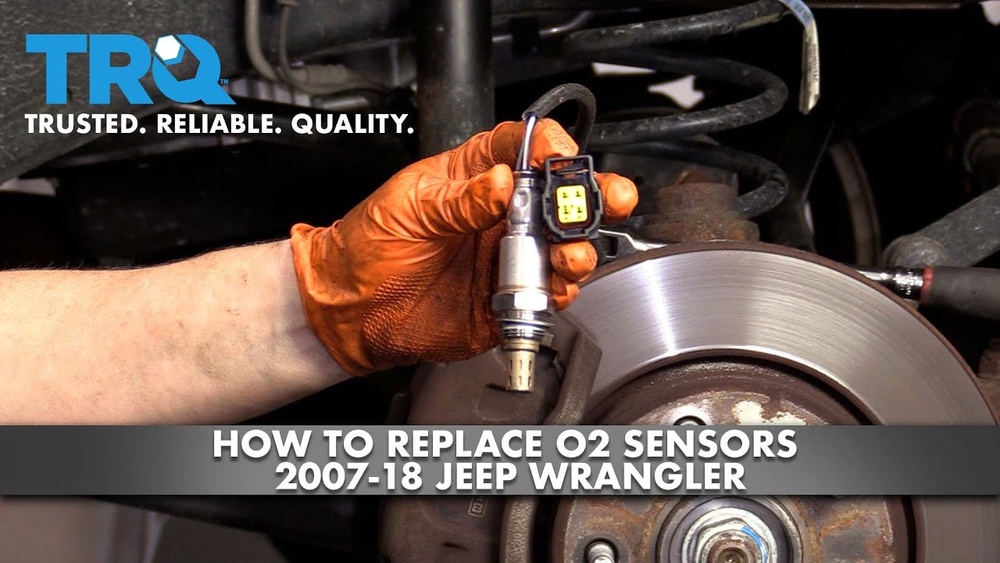
What Is An Oxygen Sensor And Why Does It Matter?
An oxygen sensor, also called an O2 sensor, is a small electronic device that measures the amount of oxygen in your Jeep’s exhaust gases. It sends this information to the engine control unit (ECU), helping to adjust the air-fuel mixture for the best performance and lowest emissions.
Most modern Jeep Wranglers have multiple oxygen sensors—some before the catalytic converter (upstream) and some after (downstream). The main jobs of these sensors are:
- Help the engine run efficiently
- Reduce harmful emissions
- Prevent damage to the catalytic converter
- Improve fuel economy
If an oxygen sensor fails, your engine may run too rich (too much fuel) or too lean (not enough fuel), which can cause problems like rough idling, poor acceleration, and increased emissions.
Signs Your Jeep Wrangler Needs An Oxygen Sensor Replacement
It’s not always obvious when an O2 sensor is failing. Here are some common warning signs to watch for:
- Check Engine Light: This is often the first clue. A failed O2 sensor triggers a trouble code that illuminates the warning light.
- Poor Fuel Economy: If you’re refueling more often, a faulty sensor could be causing an inefficient air-fuel mix.
- Rough Engine Idle: The engine may feel shaky or unstable at rest.
- Failed Emissions Test: A bad O2 sensor usually means more pollutants in your exhaust.
- Engine Hesitation or Stalling: Hesitation during acceleration or unexpected stalls can point to sensor issues.
- Rotten Egg Smell: This is a sign of a failing catalytic converter, which can be damaged by a bad O2 sensor.
Ignoring these signs may lead to more expensive repairs, so it’s smart to address them quickly.
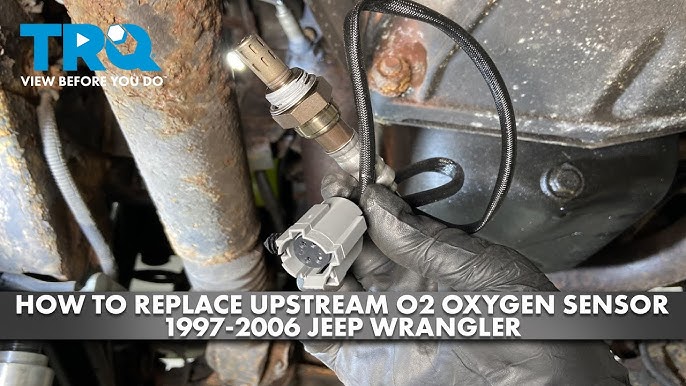
Types Of Oxygen Sensors In A Jeep Wrangler
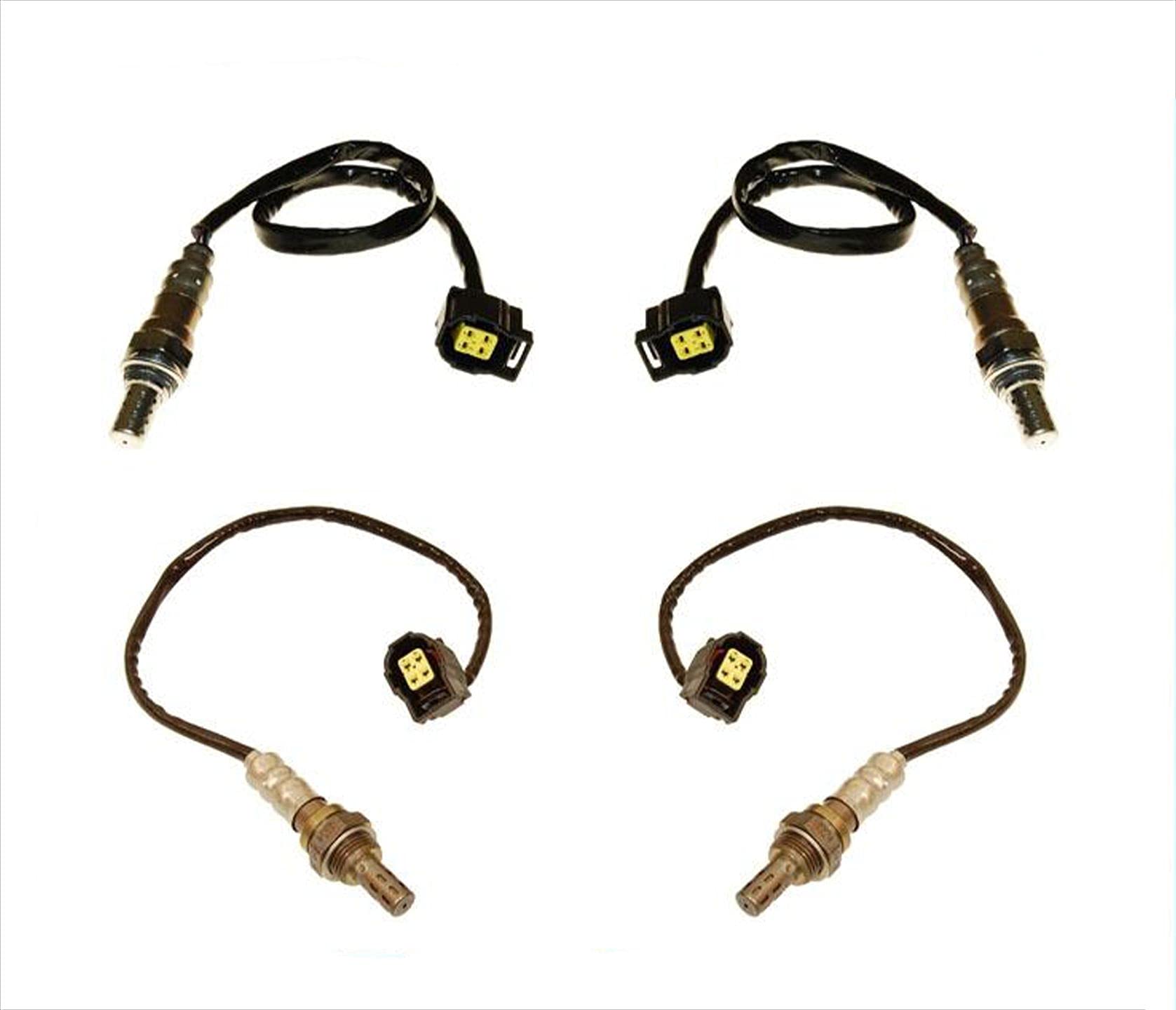
Jeep Wranglers can have two or four oxygen sensors, depending on the year and engine. Understanding the types helps you buy the right replacement.
| Sensor Position | Location | Main Function |
|---|---|---|
| Upstream (Pre-Cat) | Before catalytic converter | Controls air-fuel ratio |
| Downstream (Post-Cat) | After catalytic converter | Monitors catalytic converter efficiency |
Older Wranglers (like TJ and YJ models) usually have just two sensors. Newer models (JK, JL) often have four. Always check your owner’s manual or use your VIN to confirm.
Tools And Parts You’ll Need
Before starting your oxygen sensor replacement, gather these essential tools:
- Oxygen sensor socket or 22mm wrench
- Ratchet and extension
- Penetrating oil (like WD-40)
- Jack and jack stands (if needed for underbody access)
- Safety gloves and glasses
For parts, you’ll need:
- The correct oxygen sensor(s) for your Wrangler’s year, engine, and position (upstream or downstream)
Buying quality sensors from brands like Bosch, Denso, or Mopar is important for reliability. Avoid cheap, no-name sensors—they often cause more problems.
How To Replace A Jeep Wrangler Oxygen Sensor: Step-by-step Guide
Changing an oxygen sensor is a hands-on job, but with patience, most DIYers can do it in about an hour per sensor. Here’s how:
1. Prepare Your Jeep
- Park on a flat surface and let the engine cool down.
- Disconnect the battery to avoid electrical shorts.
- Lift the Jeep with a jack if you need more space.
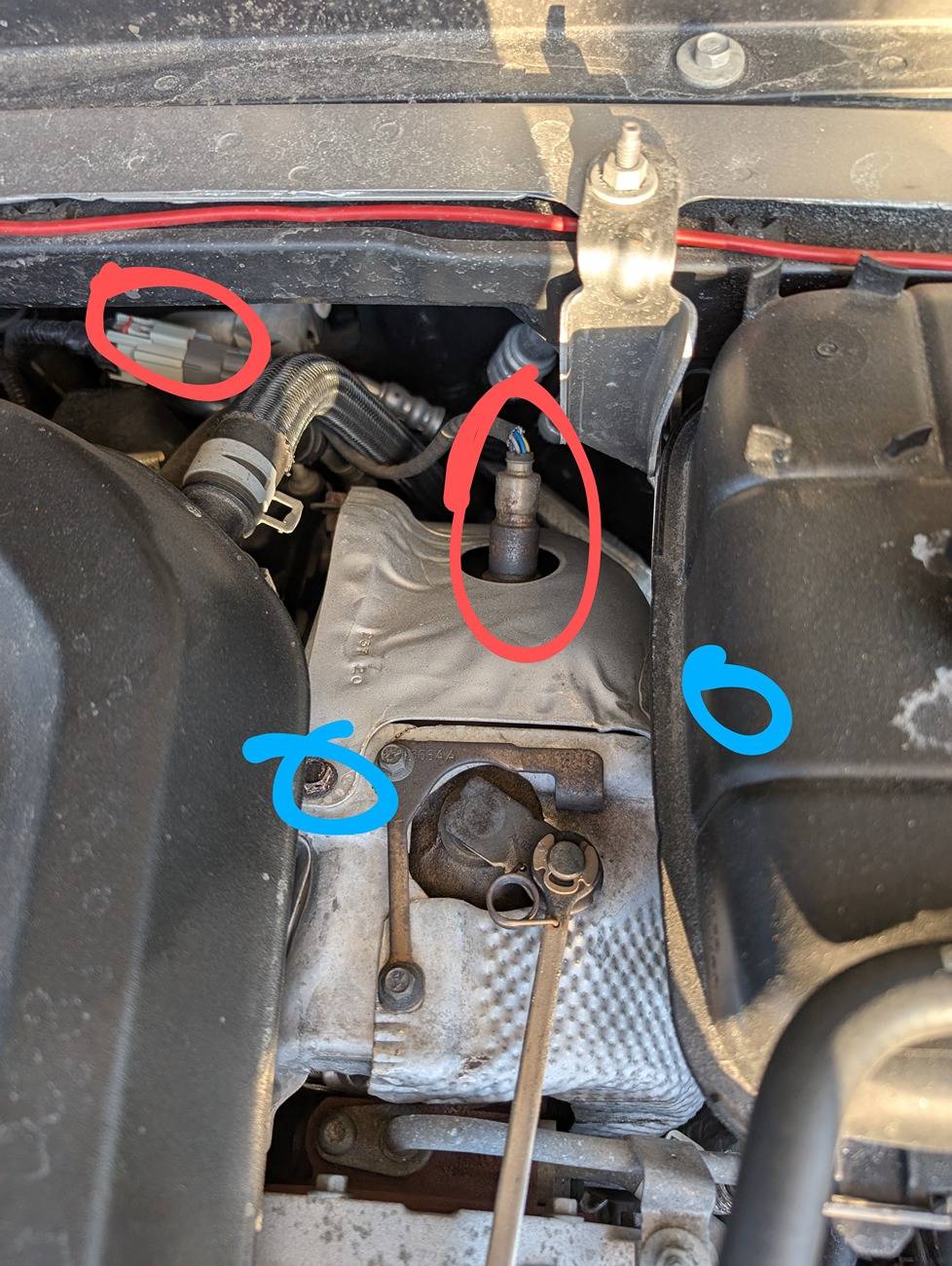
2. Locate The Faulty Sensor
- Use an OBD-II scanner to identify which sensor is bad. The scanner will show a code like “P0135 Bank 1 Sensor 1.”
- Trace the exhaust pipe to find the sensor’s location.
3. Apply Penetrating Oil
- Spray penetrating oil on the sensor threads. This helps loosen stuck sensors, especially on older vehicles.
- Wait 10-15 minutes for the oil to work.
4. Remove The Old Sensor
- Unplug the sensor’s electrical connector.
- Use the oxygen sensor socket and ratchet to turn the sensor counterclockwise.
- If the sensor is stuck, gently tap the wrench to break it free.
5. Install The New Sensor
- Apply a small amount of anti-seize compound to the threads (avoid the sensor tip).
- Thread the new sensor in by hand to avoid cross-threading.
- Tighten with the sensor socket until snug—don’t overtighten.
- Reconnect the electrical plug.
6. Reconnect The Battery And Test
- Lower the Jeep if it was raised.
- Reconnect the battery.
- Start the engine and check for warning lights.
- Use the OBD-II scanner to clear any error codes.
If everything is installed correctly, the check engine light should stay off, and your Jeep should run smoother.
Common Mistakes To Avoid
Even experienced DIYers can make mistakes. Here are some common errors:
- Mixing up sensor locations (installing upstream in the downstream spot, or vice versa)
- Touching the sensor tip with your fingers (oils can damage it)
- Forgetting to reconnect the sensor plug
- Over-tightening and stripping the threads
- Skipping the use of anti-seize (can make future removal difficult)
Taking your time and double-checking each step helps avoid these pitfalls.
How Much Does It Cost To Replace A Jeep Wrangler Oxygen Sensor?
Costs depend on your Wrangler’s model and where you buy the sensor. Here’s a cost breakdown:
| Part/Service | Estimated Cost (USD) |
|---|---|
| Oxygen Sensor (each) | $40–$120 |
| Professional Labor (per sensor) | $75–$150 |
| Total DIY Replacement | $40–$120 |
| Total Shop Replacement | $115–$270 |
Doing the job yourself saves the labor charge, making it an attractive option for many Jeep owners.
How Often Should You Replace Your Oxygen Sensors?
Oxygen sensors are wear-and-tear items. Most last between 60,000 and 100,000 miles, but this depends on your driving habits and engine health. Hard driving, lots of short trips, or burning oil can shorten their lifespan.
A good practice is to replace all sensors at the same time if one fails, especially on high-mileage Jeeps. This ensures balanced performance and prevents future check engine lights.
Non-obvious Tips For A Smooth Oxygen Sensor Replacement
Most guides miss a few important details. Here are two insights that can make your replacement easier and more effective:
- Warm Up the Engine Briefly: If the sensor is stuck, running the engine for just one or two minutes (not longer) can expand the metal and help loosen it. Always let the exhaust cool enough to touch before working to avoid burns.
- Check for Software Updates: Some Jeep Wranglers may require a software update to the ECU after sensor replacement, especially if the check engine light stays on even after installation. Ask your dealer or local shop if this applies to your year and model.
Environmental And Performance Benefits
Replacing a failing oxygen sensor isn’t just about clearing a warning light. A healthy sensor can improve your fuel economy by up to 15% and reduce harmful emissions. This is especially important if you live in a state with strict emissions testing.
A well-tuned Wrangler also delivers better throttle response and smoother idle, making your driving experience more enjoyable.
When To Seek Professional Help
While most Wrangler owners can handle oxygen sensor replacement, there are times when it’s better to let a professional do the job:
- If the sensor is severely rusted and won’t budge
- If the connector is damaged or wiring is frayed
- If you’re not comfortable working under the vehicle
A certified mechanic has the tools and experience to remove stubborn sensors without damaging your exhaust system.
Finding The Right Oxygen Sensor For Your Jeep Wrangler
Not all oxygen sensors are created equal. Using the wrong sensor can cause more problems. Always:
- Match the sensor to your Jeep’s year, model, engine size, and sensor position.
- Choose trusted brands like Mopar, Bosch, or Denso.
- Avoid “universal” sensors unless they’re specifically listed for your Wrangler.
If you’re unsure, parts stores and online databases can look up the correct sensor using your VIN.
Real-world Example: 2015 Jeep Wrangler Jk
Let’s look at a quick example. A 2015 Wrangler JK with a 3. 6L V6 has four oxygen sensors—two upstream and two downstream. If the check engine light shows a P0153 code (Bank 2 Sensor 1), you need to replace the upstream sensor on the passenger side.
With the right tools, this takes about 45 minutes. The sensor costs around $60. After replacement and clearing the code, the check engine light stays off and fuel economy improves by about 10%.
For more on O2 sensors and emissions, see this Wikipedia article.
Frequently Asked Questions
How Many Oxygen Sensors Does A Jeep Wrangler Have?
Most modern Jeep Wranglers have four oxygen sensors—two before and two after the catalytic converters. Older models may have only two. Check your owner’s manual for your specific setup.
<!– wp:rank-math/faq-block {"questions":[{"id":"faq-question-9126f6fc3959","title":"Can I Drive My Jeep Wrangler With A Bad Oxygen Sensor?","content":"You can drive for a short time, but it’s not recommended. A bad sensor causes poor performance, higher emissions, and can damage the catalytic converter. Replace it as soon as possible to avoid bigger repairs.
“,”visible”:true}]} –>Can I Drive My Jeep Wrangler With A Bad Oxygen Sensor?
You can drive for a short time, but it’s not recommended. A bad sensor causes poor performance, higher emissions, and can damage the catalytic converter. Replace it as soon as possible to avoid bigger repairs.
An OBD-II scanner will show a code that points to the exact sensor location, such as Bank 1 Sensor 2. This helps you avoid guessing and replacing the wrong part.
“,”visible”:true}]} –>How Do I Know Which Oxygen Sensor Needs Replacing?
An OBD-II scanner will show a code that points to the exact sensor location, such as Bank 1 Sensor 2. This helps you avoid guessing and replacing the wrong part.
In most cases, clearing the check engine code with a scanner is enough. Sometimes, disconnecting the battery for a few minutes works. For newer Jeeps, a software reset at the dealer might be needed if the light stays on.
“,”visible”:true}]} –>Do I Need To Reset The Ecu After Replacing The Sensor?
In most cases, clearing the check engine code with a scanner is enough. Sometimes, disconnecting the battery for a few minutes works. For newer Jeeps, a software reset at the dealer might be needed if the light stays on.
Are Aftermarket Oxygen Sensors As Good As Oem?
Some high-quality aftermarket brands (like Bosch or Denso) work well. However, original equipment (OEM) sensors from Mopar are made for your Jeep and may last longer. Always avoid very cheap, no-name options.
Keeping your Jeep Wrangler’s oxygen sensors in top shape is a smart way to save money, reduce emissions, and enjoy every drive. With a little care and the right information, you can handle this maintenance task confidently and keep your adventure machine running strong.