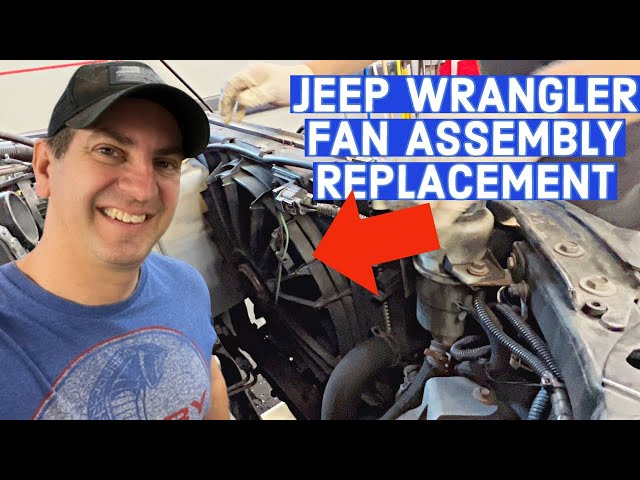
Replacing the radiator fan in a Jeep Wrangler is a task many owners face, especially as their vehicles age or after tough off-road adventures. If your Wrangler is running hotter than usual or the engine cooling seems weak, a faulty radiator fan could be the cause.
This guide walks you through everything you need to know about radiator fan replacement, from symptoms and preparation to step-by-step instructions and common mistakes. Whether you’re a beginner or have some experience with car repairs, you’ll find clear explanations and practical advice to make the process smooth and safe.
Why Radiator Fans Matter In Your Jeep Wrangler
The radiator fan is a key part of your Jeep’s cooling system. It pulls air through the radiator to help cool the engine, especially when your vehicle is stopped or moving slowly. Without a working fan, your engine can overheat, leading to expensive damage or even engine failure.
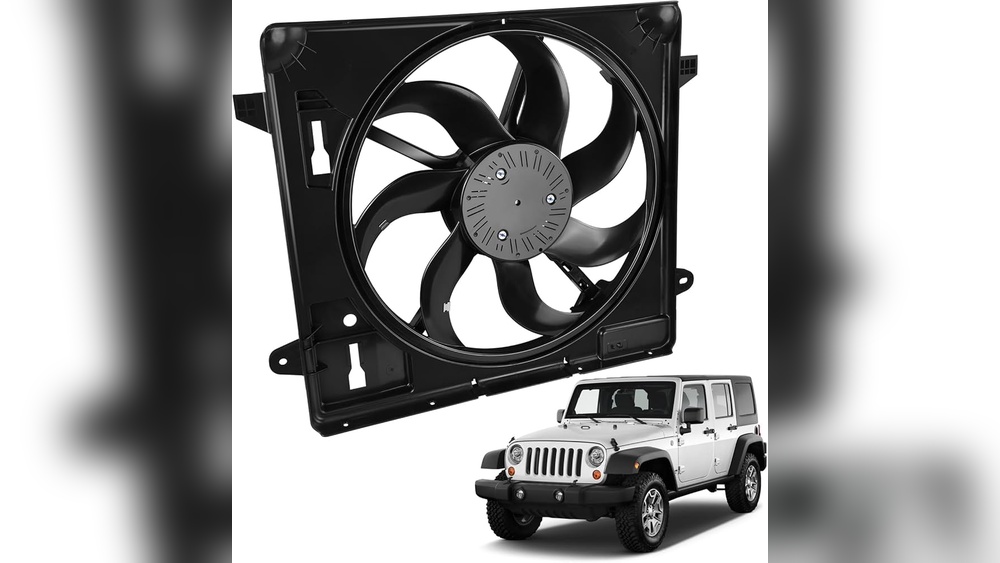
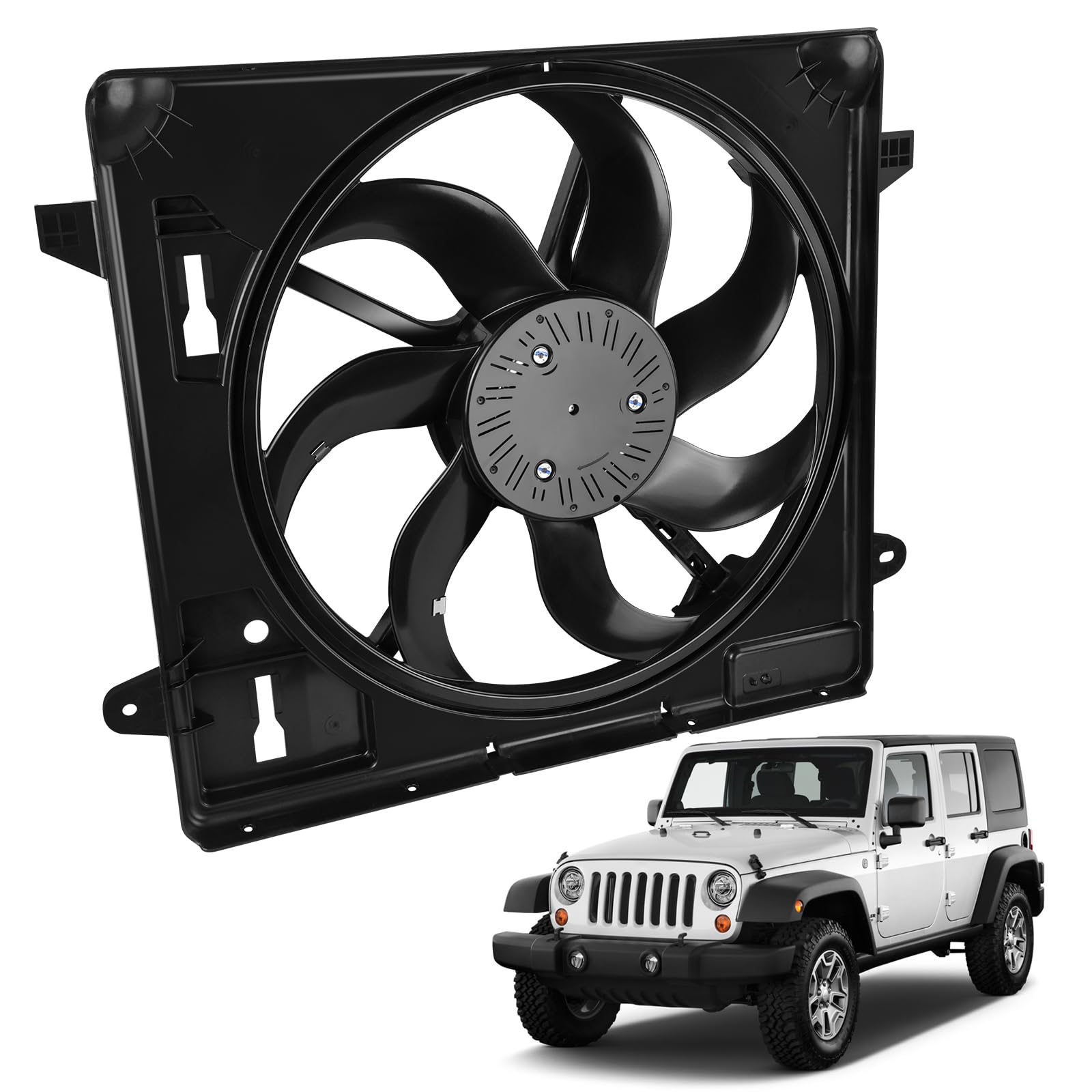
Modern Jeep Wranglers (especially models from 2007 and newer) use electric fans instead of older mechanical types. Electric fans turn on automatically when the engine reaches a certain temperature, making them reliable and efficient. However, even these fans can fail due to age, wiring problems, or debris from off-road driving.
Common Signs Your Radiator Fan Needs Replacement
Sometimes, the signs of a failing radiator fan are subtle. Here are symptoms to watch for:
- Engine overheating during city driving or when parked.
- Fan not turning on when the engine is hot.
- Loud noises from the fan area (rattling, grinding, or squealing).
- Check Engine Light related to cooling system codes.
- Reduced air conditioning performance, especially at low speeds.
If you notice one or more of these, check your radiator fan before driving further. Ignoring these signs can lead to serious engine problems.
Preparing For Radiator Fan Replacement
Before starting, gather the right tools and parts. Having everything ready makes the job quicker and safer.
Tools And Supplies Needed
- New radiator fan assembly (choose the correct model year)
- Socket set (usually 8mm, 10mm, or 13mm sockets)
- Ratchet and extension
- Screwdrivers (flat and Phillips)
- Pliers
- Drain pan for coolant
- Safety gloves and glasses
- Zip ties (optional, for securing wires)
- Coolant (if needed for refill)
- Shop rags
Choosing The Right Radiator Fan
Not all radiator fans fit every Wrangler. Compare your options carefully:
| Wrangler Model | Fan Type | Price Range | Common Years |
|---|---|---|---|
| JK (2007–2018) | Electric, single | $120–$300 | 2007–2018 |
| JL (2018–present) | Electric, single | $150–$350 | 2018–present |
| TJ (1997–2006) | Mechanical & electric | $80–$250 | 1997–2006 |
Check your Jeep’s VIN and year before ordering to avoid fitment issues. Some aftermarket fans claim “universal fit,” but OEM (original equipment manufacturer) parts are often more reliable.
Step-by-step Guide: Replacing Your Jeep Wrangler Radiator Fan
Here’s a clear process for most Wrangler models. Always check your owner’s manual for special instructions.
1. Safety First
- Park your Jeep on a flat surface.
- Let the engine cool completely. Hot coolant can cause burns.
- Disconnect the negative battery terminal to prevent electrical shocks.
2. Remove Engine Cover And Air Intake
- Take off the engine cover if your Wrangler has one.
- Remove the air intake tubing. This opens up space around the radiator.
3. Drain Coolant (optional But Recommended)
- Place a drain pan under the radiator.
- Loosen the radiator drain plug and let coolant flow out.
- If you only replace the fan, draining is optional, but it prevents spills.
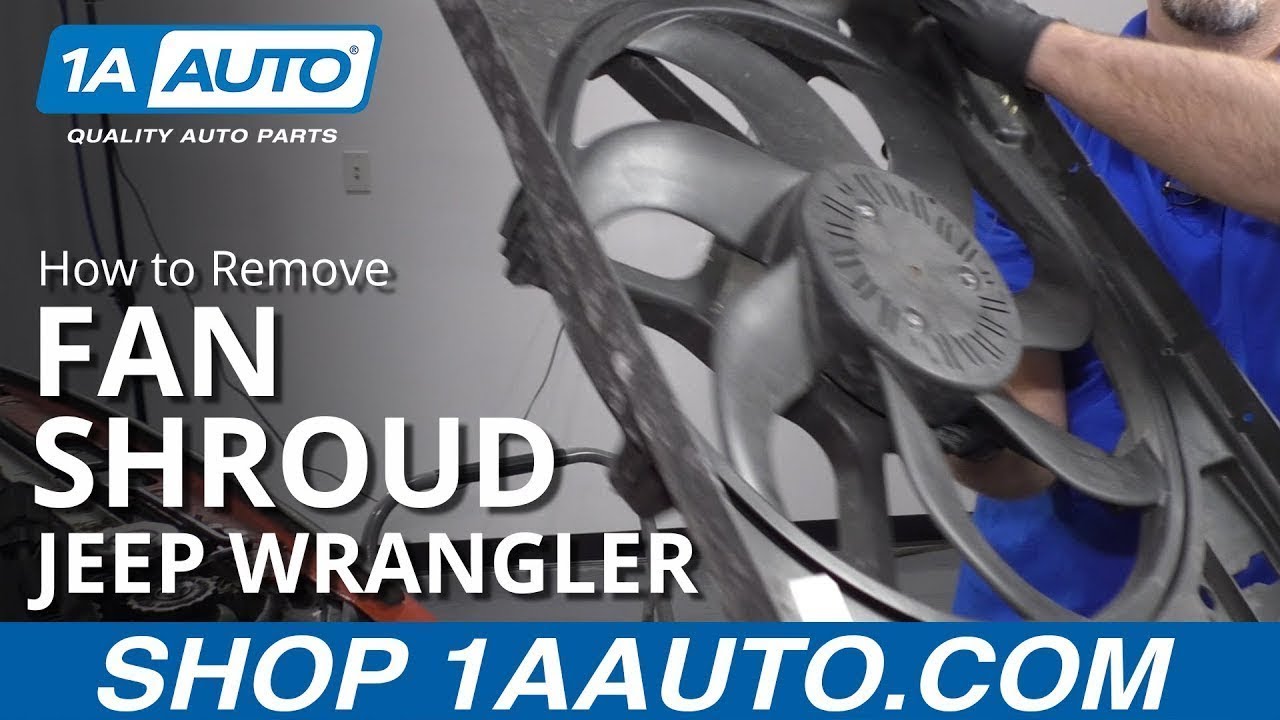
4. Remove Old Radiator Fan Assembly
- Locate the radiator fan shroud (the plastic cover around the fan).
- Unscrew bolts holding the shroud and fan in place.
- Disconnect the fan’s electrical connector.
- Carefully lift the fan and shroud out of the engine bay.
5. Install New Radiator Fan
- Place the new fan assembly into position.
- Attach the shroud and secure bolts.
- Connect the electrical plug. Make sure it clicks fully in place.
- Double-check for any loose wires or bolts.
6. Refill Coolant And Reassemble
- If you drained coolant, refill with the correct mixture.
- Reinstall the air intake tubing and engine cover.
- Reconnect the negative battery terminal.
7. Test The System
- Start the engine and let it idle.
- Watch the temperature gauge. The fan should turn on when the engine warms up.
- Check for leaks or odd noises.
Replacing the radiator fan usually takes 1–2 hours for beginners. If you run into trouble, don’t force parts—stop and review each step.
Radiator Fan Replacement: Cost And Time Comparison
How much will you spend, and how long will it take? Here’s a quick comparison:
| Replacement Method | Average Cost | Time Needed | Skill Level |
|---|---|---|---|
| DIY (using aftermarket part) | $120–$350 | 1–2 hours | Beginner–Intermediate |
| Professional mechanic | $300–$600 | 1–2 hours | Expert |
DIY replacement is much cheaper. However, some shops charge extra for labor, especially if your Jeep has other cooling system issues.
Practical Tips For A Smooth Replacement
Many beginners overlook simple details that can save time and prevent mistakes:
- Take photos before you start. This helps you remember how parts fit together.
- Label electrical connectors if you remove several at once.
- Use a magnet to catch dropped bolts—Wranglers have tight spaces.
- If you’re unsure about the fan’s orientation, compare with the old one before installing.
- Never run the engine without the fan. Even a short test can cause overheating.
Most guides skip this: after replacing the fan, check your coolant level again the next day. Sometimes air pockets form and the system needs topping up.
Common Mistakes And How To Avoid Them
Even experienced DIYers make errors when replacing radiator fans. Here are frequent mistakes and solutions:
- Forgetting to disconnect the battery. This can cause electrical shorts and damage.
- Installing the fan backwards. Always check airflow direction—fans must pull air through the radiator, not push.
- Missing electrical connections. Double-check every plug. The fan won’t work if not properly connected.
- Over-tightening bolts. Too much force can crack plastic shrouds.
- Ignoring leaks. Always inspect for coolant leaks after reassembly.
A non-obvious tip: If your new fan doesn’t work, check the fan relay and fuse. Sometimes these fail at the same time as the fan. Replacing both ensures full system reliability.
How To Choose The Best Radiator Fan For Your Jeep Wrangler
Not all fans are equal. Here’s what matters most:
Key Factors To Consider
- Compatibility: Match your Jeep’s year and engine type.
- CFM rating (cubic feet per minute): Higher CFM means more airflow and better cooling.
- Noise level: Some aftermarket fans are louder than OEM. Read reviews.
- Durability: Look for fans with strong blades and high-quality motors.
- Warranty: Good brands offer at least 1-year warranties.
Oem Vs Aftermarket
OEM fans are made by Jeep or authorized suppliers. They fit perfectly and last longer, but cost more. Aftermarket fans can be cheaper and offer better performance, but may require minor adjustments.
| Fan Type | Fit Quality | Performance | Price | Warranty |
|---|---|---|---|---|
| OEM | Excellent | Standard | High | 1–2 years |
| Aftermarket | Good–Fair | High (depends) | Low–Medium | 6 months–2 years |
A practical insight: Some aftermarket fans claim higher CFM, but if they’re too strong, they can stress the electrical system. Stick to brands with good user reviews and proven reliability.
Extra Cooling Upgrades To Consider
If you often drive in hot climates or tow heavy loads, consider these upgrades:
- High-performance radiator fan (higher CFM)
- Aluminum radiator (better heat dissipation)
- Auxiliary transmission cooler
- Engine oil cooler
These upgrades help prevent overheating, especially on rugged trails.
How Long Does A Radiator Fan Last?
Most Jeep Wrangler radiator fans last 5–8 years, depending on use. Off-road driving, mud, and debris can shorten lifespan. Regular cleaning and inspection help extend service life.
If you replace the fan, check the radiator and hoses for wear. Overheating can damage other parts, so full inspection is wise.
Environmental Impact: Dispose Of Old Parts Responsibly
Never throw old fans or coolant in the trash. Many auto parts stores recycle old fans. Used coolant can be hazardous—take it to a proper disposal facility. Responsible disposal protects the environment and keeps your neighborhood safe.
Frequently Asked Questions
<!– wp:rank-math/faq-block {"questions":[{"id":"faq-question-ed3feccdc115","title":"How Do I Know If My Jeep Wrangler’s Radiator Fan Is Bad?","content":"Watch for engine overheating, the fan not turning on, or loud noises from the fan area. If your air conditioning weakens at low speeds, it’s another clue. A mechanic can test the fan for you.
“,”visible”:true},{“id”:”faq-question-2c0ddfd35765″,”title”:”Can I Drive My Jeep Wrangler Without A Radiator Fan?”,”content”:”No. Driving without a working fan risks rapid engine overheating, which can cause severe damage. Only drive short distances to a repair shop if needed.
“,”visible”:true},{“id”:”faq-question-2d33a67fa740″,”title”:”Should I Use Oem Or Aftermarket Radiator Fans?”,”content”:”OEM fans are usually more reliable and fit perfectly, but aftermarket fans can offer better airflow and cost less. Choose based on your budget and needs. Always check compatibility before buying.
“,”visible”:true},{“id”:”faq-question-5336912a8c38″,”title”:”What Tools Are Needed For Radiator Fan Replacement?”,”content”:”You’ll need a socket set, screwdrivers, pliers, drain pan, safety gear, and coolant. Having all tools ready before starting saves time.
“,”visible”:true},{“id”:”faq-question-a19c73798488″,”title”:”Where Can I Find Official Instructions Or Parts For My Jeep Wrangler?”,”content”:”Visit the official Jeep website or trusted resources like Mopar for genuine parts and manuals.
Replacing the radiator fan in your Jeep Wrangler is a manageable task with the right preparation and careful steps. By following this guide, you can restore your cooling system, prevent overheating, and enjoy worry-free driving on the trail or in the city.
“,”visible”:true}]} –>How Do I Know If My Jeep Wrangler’s Radiator Fan Is Bad?
Watch for engine overheating, the fan not turning on, or loud noises from the fan area. If your air conditioning weakens at low speeds, it’s another clue. A mechanic can test the fan for you.
Can I Drive My Jeep Wrangler Without A Radiator Fan?
No. Driving without a working fan risks rapid engine overheating, which can cause severe damage. Only drive short distances to a repair shop if needed.
Should I Use Oem Or Aftermarket Radiator Fans?
OEM fans are usually more reliable and fit perfectly, but aftermarket fans can offer better airflow and cost less. Choose based on your budget and needs. Always check compatibility before buying.
What Tools Are Needed For Radiator Fan Replacement?
You’ll need a socket set, screwdrivers, pliers, drain pan, safety gear, and coolant. Having all tools ready before starting saves time.
Where Can I Find Official Instructions Or Parts For My Jeep Wrangler?
Visit the official Jeep website or trusted resources like Mopar for genuine parts and manuals.
Replacing the radiator fan in your Jeep Wrangler is a manageable task with the right preparation and careful steps. By following this guide, you can restore your cooling system, prevent overheating, and enjoy worry-free driving on the trail or in the city.