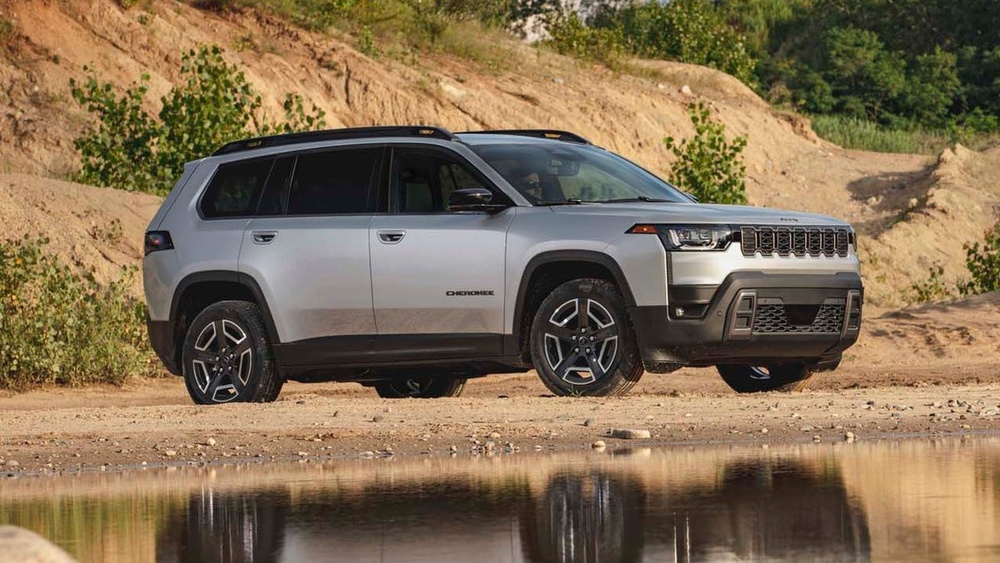
The Jeep Wrangler is known for its rugged performance, off-road capabilities, and strong engine. But behind that power, there’s a small, crucial part working quietly: the oxygen sensor.
Many drivers don’t think about this sensor until something goes wrong. But if you want your Wrangler running smoothly, understanding the oxygen sensor is a must.
Whether you’re a daily commuter or a trail enthusiast, this guide will help you see why the oxygen sensor matters, how it works, when to replace it, and how to choose the right one.
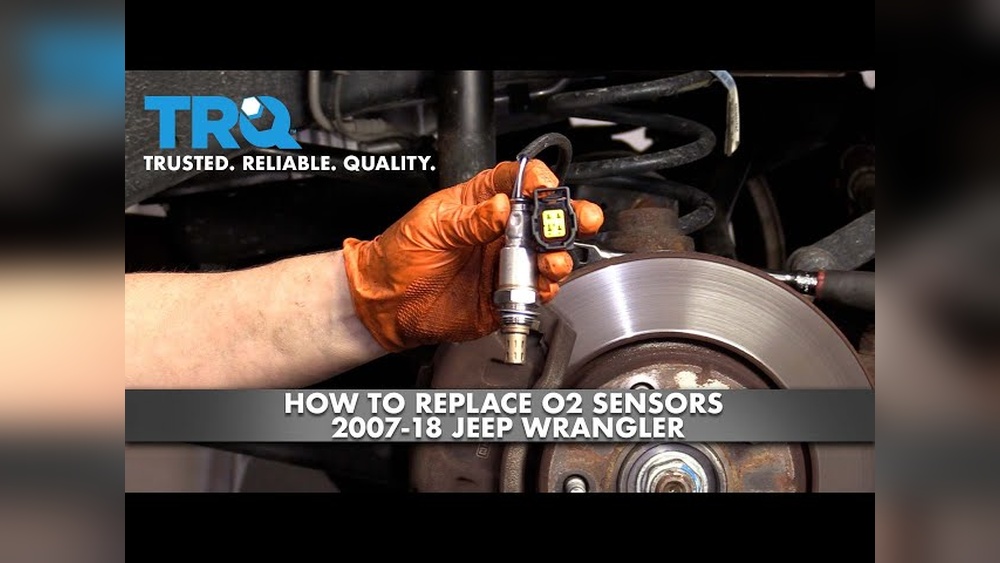
What Does The Oxygen Sensor Do?
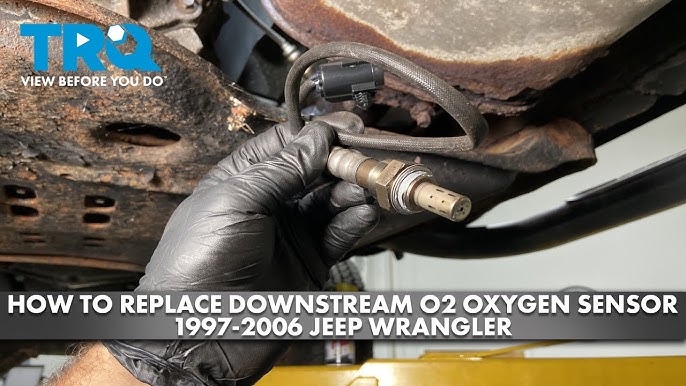
The oxygen sensor (often called the O2 sensor) is a small device located in the exhaust system. Its main job is to measure the amount of oxygen in the exhaust gases as they leave the engine. This information is sent to the vehicle’s engine computer (ECU), which uses it to adjust the air-fuel mixture.
A good air-fuel ratio is critical. Too much fuel (rich mixture) wastes gas and can damage the engine. Too little fuel (lean mixture) can cause rough running, more pollution, and even engine damage. By constantly checking the oxygen levels, the O2 sensor helps the ECU keep the mixture just right for efficiency, power, and low emissions.
Types Of Oxygen Sensors In Jeep Wranglers
Jeep Wranglers have used different types of O2 sensors over the years. Knowing which type your model uses is important for maintenance and replacement.
| Sensor Type | Main Function | Common Location |
|---|---|---|
| Narrowband | Detects rich/lean mixture | Older Wrangler models (pre-2000) |
| Wideband | Measures exact air-fuel ratio | Modern Wranglers (2000+) |
| Upstream (Pre-Cat) | Controls fuel injection | Before catalytic converter |
| Downstream (Post-Cat) | Monitors catalytic converter | After catalytic converter |
Most Wranglers have at least two oxygen sensors: one upstream (before the catalytic converter) and one downstream (after the converter). Newer Wranglers often have four sensors, especially those with V6 or larger engines.
Symptoms Of A Faulty Oxygen Sensor
A failing O2 sensor can cause a range of problems, some obvious and some subtle. Here are the most common signs:
- Check Engine Light: The most frequent warning. If the light comes on, a bad O2 sensor is a common cause.
- Poor Fuel Economy: If you notice you’re filling up more often, a faulty sensor could be the reason.
- Rough Idle or Engine Misfire: The engine may hesitate, run unevenly, or misfire.
- Failed Emissions Test: Without accurate O2 readings, your Wrangler may not pass state emissions tests.
- Increased Exhaust Emissions: More pollutants like hydrocarbons and carbon monoxide.
- Black Smoke from Exhaust: In rare cases, a rich fuel mixture can produce dark smoke.
A less obvious symptom is sluggish engine response. Some drivers think their Jeep is just getting old, but a new O2 sensor can restore lost performance.
Why Timely Replacement Matters
Many Jeep owners put off replacing the oxygen sensor, thinking it’s a minor issue. But ignoring it can have real costs:
- Lowered gas mileage: You could lose 10–20% fuel efficiency.
- Engine damage: Running rich or lean for too long can harm pistons, valves, and the catalytic converter.
- Expensive repairs: A bad O2 sensor can cause the catalytic converter to overheat and fail. This part is much more expensive than the sensor itself.
- Increased emissions: Jeep Wranglers are already watched for emissions. A bad sensor can make your vehicle illegal to drive in some states.
A simple sensor replacement can prevent these bigger problems. The cost of a new sensor is usually much less than the cost of additional repairs.
How To Diagnose A Bad Oxygen Sensor
Before replacing your O2 sensor, you’ll want to confirm it’s really the problem. Here’s a straightforward approach:
- Scan for Trouble Codes: Use an OBD-II scanner to check for error codes. Codes like P0131, P0132, P0141, and P0161 often point to O2 sensor issues.
- Visual Inspection: Look at the sensor itself. Is it covered in black soot, white powder, or oil? These signs suggest it’s not working right.
- Check Wiring and Connectors: Sometimes, the problem is a broken wire or a loose plug.
- Monitor Live Data: With some scanners, you can watch the sensor’s voltage as the engine runs. A healthy sensor will show readings that change quickly. A flat or very slow reading is a bad sign.
A handy tip: If your Wrangler’s engine is running rough and the check engine light is on, but the sensor looks clean, check for exhaust leaks before replacing the sensor. Leaks can also cause O2 sensor codes.
How To Replace An Oxygen Sensor On A Jeep Wrangler
Changing an O2 sensor is a job many Wrangler owners can handle at home. Here’s a step-by-step guide:
- Let the engine cool. The exhaust gets very hot.
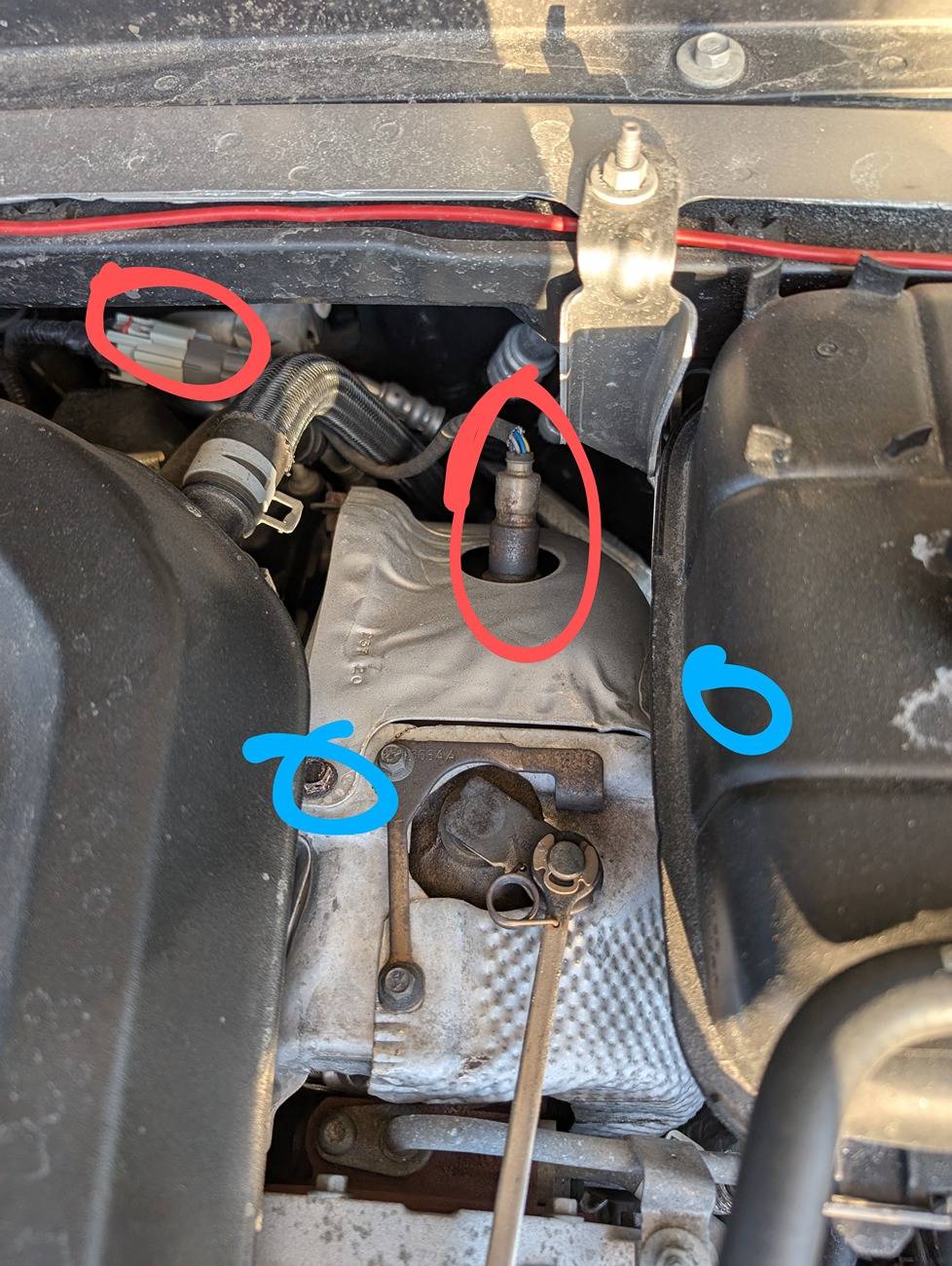
- Locate the sensor. Look for it in the exhaust manifold (upstream) or after the catalytic converter (downstream).
- Disconnect the electrical plug. Press the tab and pull gently.
- Remove the sensor. Use a special O2 sensor socket or a wrench. Turn counterclockwise.
- Apply anti-seize compound (if supplied) to the new sensor’s threads. Avoid getting it on the tip.
- Install the new sensor. Screw it in by hand, then tighten with the wrench.
- Reconnect the plug.
- Clear codes with a scanner. Start the engine and check for leaks.
Most replacements take 30–60 minutes. If the sensor is stuck, spray some penetrating oil and let it sit for a few minutes.
Choosing The Right Oxygen Sensor For Your Wrangler
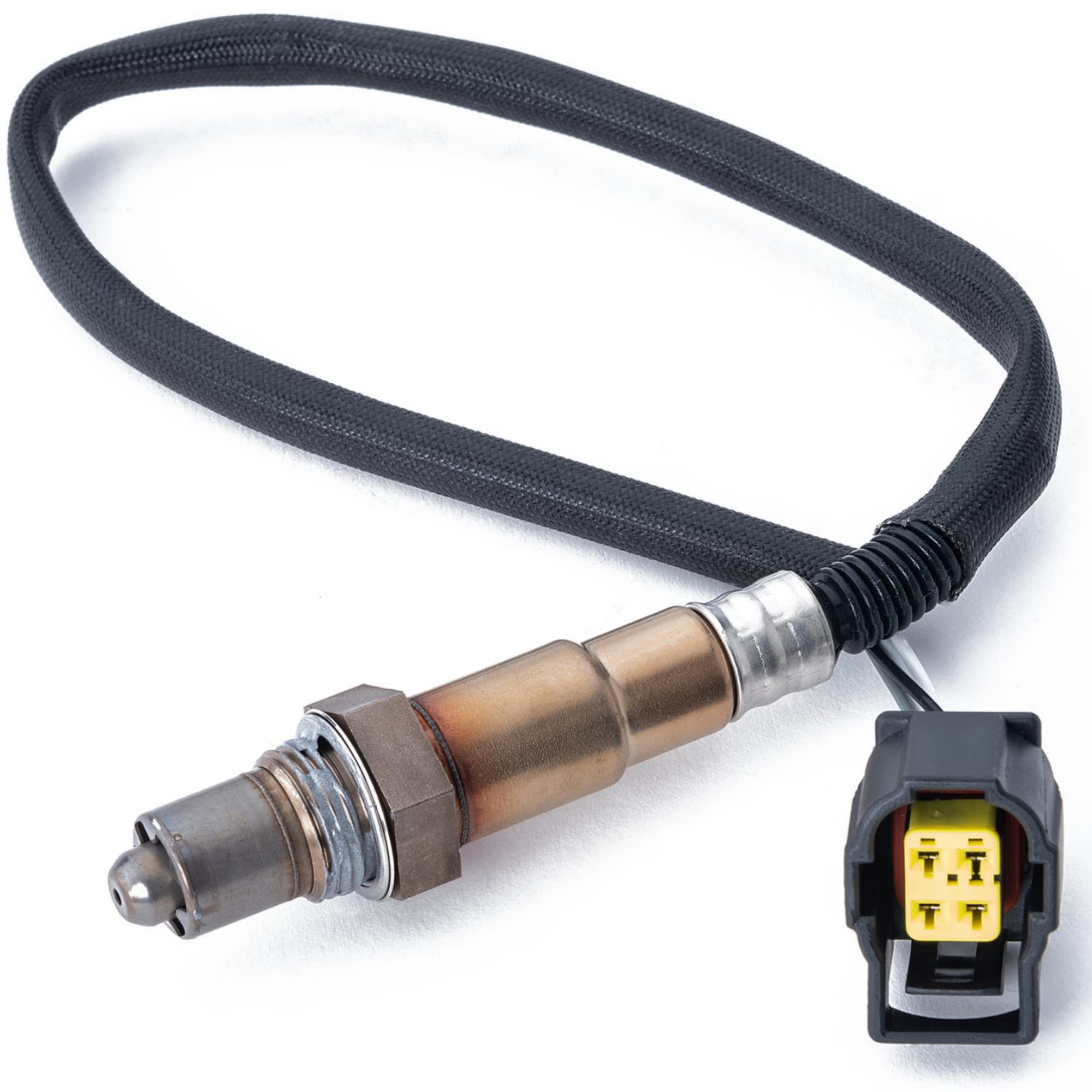
Not all O2 sensors are created equal. Here’s what to consider when buying a replacement:
| Factor | Why It Matters | What to Look For |
|---|---|---|
| Compatibility | Ensures a proper fit and function | Match your Wrangler’s year, engine, and location (upstream/downstream) |
| OEM vs. Aftermarket | OEM is usually more reliable | OE brands like Mopar; trusted aftermarket like Bosch, Denso |
| Sensor Type | Wrong type won’t work well | Narrowband or wideband as needed |
| Wire Length/Connector | Mismatched connectors cause installation headaches | Check connector style and cable length |
| Warranty | Longer coverage is safer | At least 1 year warranty is ideal |
One common mistake is buying a universal sensor that requires splicing wires. These may not perform as well as direct-fit models. For most drivers, a direct-fit sensor made for your Jeep is worth the extra cost.
How Often Should You Replace The Oxygen Sensor?
There is no single answer, but here are some general guidelines:
- Older Wranglers (before 2000): Replace every 60,000 to 90,000 miles.
- Newer models: Sensors can last 100,000 miles or more, but start checking them after 80,000 miles.
- Frequent off-roading or short trips: Replace sooner, as mud and short runs can shorten sensor life.
If you notice any symptoms—like rough idle, bad mileage, or a check engine light—don’t wait for the recommended mileage. Early replacement is often the smart move.
Diy Vs. Professional Replacement
Many Wrangler owners love working on their own vehicles. Replacing an oxygen sensor is one of the easier jobs if you have basic tools. Still, there are times when a professional is the better choice:
- Rusty or seized sensors: Sometimes sensors won’t budge without special tools.
- Multiple sensors or hard-to-reach locations: Some V6 and V8 engines have sensors in tight spots.
- Diagnostic uncertainty: If you’re not sure the sensor is the problem, a pro can test it before you spend money.
For most basic replacements, a DIY approach will save money and give you more confidence working on your Wrangler.
How Oxygen Sensors Affect Performance And Emissions
A healthy O2 sensor does more than just keep the check engine light off. Here’s what it does for your Jeep:
- Fuel Efficiency: Keeps your engine from wasting gas.
- Engine Power: Helps maintain strong acceleration and torque.
- Smooth Idle: Prevents shaking or rough running at stoplights.
- Lower Emissions: Reduces pollutants, helping you pass tests and protect the environment.
Some owners notice a significant improvement in throttle response and overall driving “feel” after replacing a worn-out sensor. This is especially true if you use your Wrangler for both city and off-road driving.
Common Oxygen Sensor Myths
Many drivers believe myths about O2 sensors. Let’s clear up a few:
- Myth 1: “If the check engine light isn’t on, the sensor is fine.” Not true. A sensor can degrade slowly and affect performance long before the warning light appears.
- Myth 2: “Cleaning the sensor will fix it.” Most sensors can’t be cleaned. Once they’re contaminated or worn out, replacement is the only real fix.
- Myth 3: “All sensors are the same.” Cheap, universal sensors may not work as well or last as long as quality, model-specific ones.
Non-obvious insight: Even small exhaust leaks upstream of the O2 sensor can cause it to give false readings, leading to the wrong air-fuel adjustments.
Environmental And Legal Considerations
Jeep Wranglers are sometimes seen as less eco-friendly due to their size and power. Keeping your oxygen sensor in good shape helps reduce your environmental impact. In some states, a faulty O2 sensor can cause you to fail an emissions test, making your Jeep illegal to drive until repairs are made.
If you plan to sell your Jeep, a working O2 sensor can be a selling point—buyers know they won’t face immediate emissions repairs.
For deeper technical details on how oxygen sensors work, you can check out the Wikipedia page on oxygen sensors.
Frequently Asked Questions
<!– wp:rank-math/faq-block {"questions":[{"id":"faq-question-c4c8162222a4","title":"How Many Oxygen Sensors Does A Jeep Wrangler Have?","content":"Most Jeep Wranglers have two to four oxygen sensors. Older models (pre-2000) usually have two (upstream and downstream). Newer models with V6 or larger engines often have four—two before and two after the catalytic converter.
“,”visible”:true},{“id”:”faq-question-ffa5db36356d”,”title”:”Can I Drive My Wrangler With A Bad Oxygen Sensor?”,”content”:”You can drive for a short time, but it’s not recommended. A faulty sensor can cause poor fuel economy, rough running, and damage to the catalytic converter. It’s best to replace it as soon as possible.
“,”visible”:true},{“id”:”faq-question-965990d26eaf”,”title”:”What Happens If I Ignore A Faulty Oxygen Sensor?”,”content”:”Ignoring the problem can lead to:
n- nn
- Lower gas mileage nnn
- Engine misfires or rough idle nnn
- Damage to the catalytic converter nnn
- Failing emissions tests n
Over time, the cost of ignoring a bad sensor can be much higher than replacing it.
“,”visible”:true},{“id”:”faq-question-c42ace23af41″,”title”:”How Much Does It Cost To Replace A Jeep Wrangler Oxygen Sensor?”,”content”:”The part itself usually costs $30–$100, depending on the brand and sensor type. Labor at a shop can add another $50–$150. DIY replacement is cheaper if you have the tools.
“,”visible”:true},{“id”:”faq-question-d1d2b8aa8ae8″,”title”:”Do Aftermarket Oxygen Sensors Work As Well As Oem?”,”content”:”Quality aftermarket sensors from trusted brands (like Bosch or Denso) work well. However, cheap, no-name sensors may cause issues or not last as long. For best results, use OEM or high-quality aftermarket sensors designed for your Wrangler.
A healthy oxygen sensor is a small investment that pays off in better performance, lower emissions, and fewer repair headaches. If you take care of this simple part, your Jeep Wrangler will reward you with years of reliable adventures—on and off the road.
“,”visible”:true}]} –>How Many Oxygen Sensors Does A Jeep Wrangler Have?
Most Jeep Wranglers have two to four oxygen sensors. Older models (pre-2000) usually have two (upstream and downstream). Newer models with V6 or larger engines often have four—two before and two after the catalytic converter.
Can I Drive My Wrangler With A Bad Oxygen Sensor?
You can drive for a short time, but it’s not recommended. A faulty sensor can cause poor fuel economy, rough running, and damage to the catalytic converter. It’s best to replace it as soon as possible.
What Happens If I Ignore A Faulty Oxygen Sensor?
Ignoring the problem can lead to:
- Lower gas mileage
- Engine misfires or rough idle
- Damage to the catalytic converter
- Failing emissions tests
Over time, the cost of ignoring a bad sensor can be much higher than replacing it.
How Much Does It Cost To Replace A Jeep Wrangler Oxygen Sensor?
The part itself usually costs $30–$100, depending on the brand and sensor type. Labor at a shop can add another $50–$150. DIY replacement is cheaper if you have the tools.
Do Aftermarket Oxygen Sensors Work As Well As Oem?
Quality aftermarket sensors from trusted brands (like Bosch or Denso) work well. However, cheap, no-name sensors may cause issues or not last as long. For best results, use OEM or high-quality aftermarket sensors designed for your Wrangler.
A healthy oxygen sensor is a small investment that pays off in better performance, lower emissions, and fewer repair headaches. If you take care of this simple part, your Jeep Wrangler will reward you with years of reliable adventures—on and off the road.