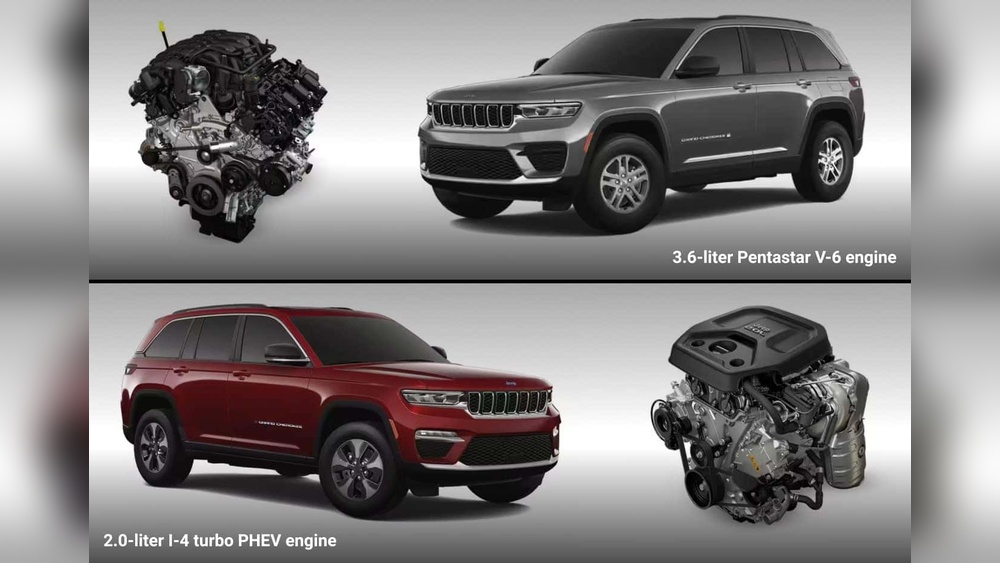
The Jeep Wrangler JK 3. 6L is a favorite among off-road fans and daily drivers alike.
But even the most reliable engines can face problems as they age, and one common issue with the 3. 6L Pentastar engine is a faulty fuel injector.
Replacing a fuel injector may sound complex, but it’s a manageable job for a careful DIYer. If you own a Wrangler JK and notice rough idling, misfires, or poor fuel economy, it may be time to change one or more injectors.
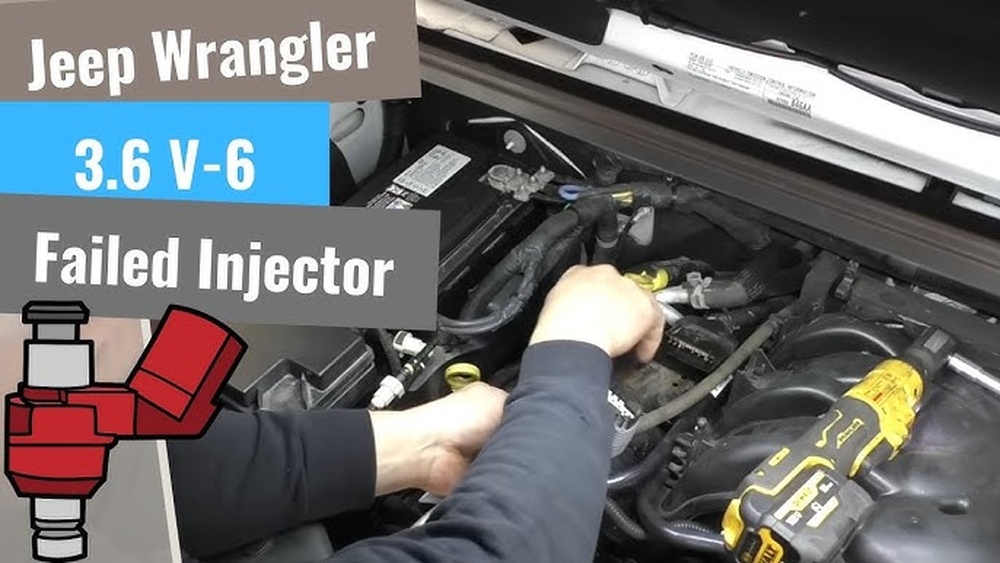
This guide explains everything you need to know, step by step, to help you complete the replacement safely and confidently.
Understanding Fuel Injectors In The Jeep Wrangler Jk 3.6l
The fuel injector is a key part of the engine’s fuel system. It sprays fuel directly into the combustion chamber in a fine mist, helping the engine run smoothly and efficiently. In the 3.6L Pentastar V6 used in 2012–2018 Jeep Wrangler JK models, there are six injectors—one for each cylinder.
When a fuel injector goes bad, you might notice:
- Engine misfire: The engine shakes, especially at idle.
- Check Engine light: Diagnostic codes like P030X or P020X may appear.
- Poor acceleration: The vehicle feels sluggish.
- Bad fuel economy: You use more fuel than normal.
- Strong fuel smell: Leaking injectors can cause a gas smell.
Ignoring these symptoms can lead to bigger engine problems. That’s why it’s important to replace faulty injectors as soon as possible.
Preparing For Fuel Injector Replacement
Before starting, gather the right tools and parts. Preparation saves time and reduces risk of mistakes.
Tools You’ll Need
- 3/8” ratchet and extension
- 10mm, 8mm, and T30 Torx sockets
- Flathead screwdriver
- Needle-nose pliers
- Torque wrench (in-lbs setting)
- Shop towels or rags
- Fuel injector puller (optional but helpful)
Replacement Parts
- OEM or high-quality aftermarket fuel injectors (part number varies by year)
- New intake manifold gaskets (highly recommended)
- Dielectric grease (for connector pins)
Safety First
- Disconnect the negative battery cable before starting.
- Work in a well-ventilated area—fuel vapors are dangerous.
- Wear safety glasses and gloves.
An often-missed tip: Keep your work area organized. Label bolts and connectors as you remove them, especially if you’re new to engine work.
Step-by-step Guide: Replacing Fuel Injectors
1. Accessing The Fuel Injectors
First, you need to reach the injectors. In the JK 3.6L, they’re located under the intake manifold.
- Remove the engine cover by pulling it up gently.
- Disconnect the battery to prevent electrical shorts.
- Label and disconnect vacuum hoses attached to the intake manifold.
- Unplug electrical connectors for the throttle body, MAP sensor, and others on the manifold.
- Remove the intake manifold bolts (10mm socket) in a crisscross pattern to avoid warping.
- Lift the manifold off carefully. Place it on a clean surface.
It’s common to find dust or debris near the manifold. Wipe the area before removing injectors to prevent anything from falling into the engine.
2. Removing The Old Injectors
With the manifold off, the fuel rail and injectors are now visible.
- Depressurize the fuel system: Remove the fuel pump relay and start the engine until it stalls.
- Unplug injector connectors using needle-nose pliers if needed.
- Remove the fuel rail bolts (8mm socket).
- Lift the fuel rail evenly to avoid bending it.
- Pull out the injectors by hand or with an injector puller. Twist gently if they feel stuck.
Look for cracked, dirty, or leaking injectors. Always replace the O-rings to prevent future leaks.
3. Installing New Injectors
Now, it’s time to install the new parts.
- Lubricate the new injector O-rings with a small amount of clean engine oil.
- Insert the injectors into the fuel rail—make sure they seat fully.
- Align injectors with the intake ports and press the rail down evenly.
- Reinstall fuel rail bolts and torque to 89 in-lbs (check your manual for exact specs).
- Plug in the electrical connectors until they click.
A practical tip: Use dielectric grease on the connectors to prevent corrosion, especially if you drive through water or mud.
4. Reassembling The Intake Manifold
- Install new manifold gaskets to ensure a proper seal.
- Place the manifold back and hand-tighten all bolts first.
- Torque the manifold bolts to 89 in-lbs in a crisscross pattern.
- Reconnect all hoses and sensors—double-check each connection.
- Reconnect the battery cable and start the engine.
Check for fuel leaks and listen for odd sounds. If everything runs smoothly, you’ve done the job right.
Comparing Oem Vs Aftermarket Fuel Injectors
Choosing the right injector matters. Some owners try to save money with cheap parts, but this often leads to poor performance.
Here’s a quick comparison:
| Feature | OEM Injectors | Aftermarket Injectors |
|---|---|---|
| Fit & Compatibility | Exact match | Sometimes requires adjustment |
| Warranty | 1-2 years (usually) | Varies (often shorter) |
| Cost | Higher | Lower |
| Durability | Proven long life | Quality varies by brand |
For peace of mind, OEM parts are safest. Reputable aftermarket brands can also perform well, but avoid unknown names. A common beginner mistake is using eBay injectors with poor spray patterns, which can damage your engine.
Cost Breakdown: Diy Vs Professional Service
Budgeting for a fuel injector replacement helps you plan ahead.
| Service Option | Parts Cost (6 injectors) | Labor Cost | Total Cost |
|---|---|---|---|
| DIY | $180–$360 | $0 | $180–$360 |
| Mechanic | $180–$360 | $250–$450 | $430–$810 |
| Dealership | $300–$480 | $400–$600 | $700–$1,080 |
DIY saves money but takes 2–4 hours for most people. If you’re unsure or lack tools, a trusted mechanic is a smart choice.
Common Mistakes And How To Avoid Them
Even skilled DIYers can make errors. Here are the most frequent mistakes—and tips to avoid them.
- Skipping new O-rings: Always replace O-rings to prevent leaks.
- Forgetting to torque bolts: Over-tightening can crack plastic parts.
- Mixing up injector connectors: Label each connector before unplugging.
- Dropping debris into intake ports: Cover open ports with rags while working.
- Ignoring check engine lights after install: Scan for codes—sometimes a loose connector triggers a warning.
A smart detail: After reassembly, cycle the ignition (ON/OFF) three times before starting. This primes the fuel system and helps spot leaks before running the engine.
How To Diagnose A Faulty Fuel Injector
If you’re not sure which injector is bad, here’s how to check:
- Scan for trouble codes using an OBD2 scanner. Codes like P0302 (cylinder 2 misfire) or P0202 (injector 2 circuit) point to the problem area.
- Listen for a clicking sound: Use a mechanic’s stethoscope or long screwdriver to touch each injector as the engine runs. A healthy injector clicks, a dead one is silent.
- Check spark plugs: Wet or dark plugs often mean too much or too little fuel.
- Swap injectors: Move the suspect injector to another cylinder and see if the misfire follows.
Sometimes, what looks like a bad injector is actually a wiring issue. Always check connectors for corrosion or broken wires.
When To Replace One, Some, Or All Injectors
You don’t always need to replace all six injectors if just one fails. But there are times when replacing the full set is wise.
Replace One Injector If:
- Only one shows signs of failure.
- Other injectors are low-mileage or recently replaced.
Replace All Six If:
- The vehicle has over 100,000 miles.
- Several injectors fail within a short period.
- You notice uneven engine performance.
Replacing all injectors can save time and prevent future breakdowns, especially if you plan to keep your Jeep long-term.
Practical Tips For A Smooth Job
- Photograph each step as you go. It’s easy to forget hose and connector locations.
- Invest in a good torque wrench for accurate reassembly.
- Clean fuel rail and intake ports before installing new injectors.
- Test drive for 10–15 miles after replacement to ensure everything works.
A less obvious tip: If your Jeep runs rough after replacement, check for intake manifold vacuum leaks. Even a small gap can cause major engine problems.
Environmental And Performance Benefits
Replacing faulty injectors doesn’t just restore performance—it helps the planet, too. A worn injector wastes fuel and increases emissions. With new injectors, you’ll see:
- Lower emissions: Cleaner tailpipe output.
- Better fuel economy: Save money on gas.
- Smoother power delivery: Especially at idle and part-throttle.
Regular maintenance keeps your Jeep running strong and reduces its environmental footprint.
When To Seek Professional Help
While the DIY route is rewarding, sometimes it’s best to call a pro. If you:
- Smell strong fuel odors after reassembly
- Hear unusual noises (knocking or hissing)
- See persistent check engine lights
Then have a certified technician check your work. A fuel leak is a fire hazard—never take risks with safety.
For more technical details, see the official Mopar Service Manuals.
Frequently Asked Questions
<!– wp:rank-math/faq-block {"questions":[{"id":"faq-question-492aaa27b748","title":"How Long Do Jeep Wrangler Jk 3.6l Fuel Injectors Last?","content":"Most fuel injectors last 100,000 to 150,000 miles with regular maintenance. Poor fuel quality or skipped oil changes can shorten their life.
“,”visible”:true},{“id”:”faq-question-57d6e9f1e305″,”title”:”Can I Drive With A Bad Fuel Injector?”,”content”:”Driving with a faulty injector risks engine damage and poor fuel economy. It’s best to repair the problem as soon as possible.
“,”visible”:true},{“id”:”faq-question-03d1fcaa3975″,”title”:”How Can I Tell If My Injector Is Clogged Or Dead?”,”content”:”A clogged injector may cause rough idling or misfires but sometimes works intermittently. A dead injector usually triggers a check engine light and severe engine shaking.
“,”visible”:true},{“id”:”faq-question-3a378dc77885″,”title”:”Should I Use Fuel Injector Cleaner Instead Of Replacement?”,”content”:”Injector cleaners help only with mild clogs, not with electrical failures or leaking injectors. If the problem is serious, cleaning won’t help.
“,”visible”:true},{“id”:”faq-question-64e45377bc61″,”title”:”Do I Need To Reprogram The Ecu After Injector Replacement?”,”content”:”In most cases, no ECU reprogramming is needed after swapping injectors in the Jeep Wrangler JK 3.6L. The computer adapts automatically.
Replacing the fuel injectors on your Jeep Wrangler JK 3.6L can bring your engine back to life and restore lost performance. With patience, the right tools, and careful steps, you can save money and enjoy the satisfaction of a job well done. Remember to prioritize safety, use quality parts, and seek help if you’re ever unsure. Your Jeep—and your wallet—will thank you.
“,”visible”:true}]} –>How Long Do Jeep Wrangler Jk 3.6l Fuel Injectors Last?
Most fuel injectors last 100,000 to 150,000 miles with regular maintenance. Poor fuel quality or skipped oil changes can shorten their life.
Can I Drive With A Bad Fuel Injector?
Driving with a faulty injector risks engine damage and poor fuel economy. It’s best to repair the problem as soon as possible.
How Can I Tell If My Injector Is Clogged Or Dead?
A clogged injector may cause rough idling or misfires but sometimes works intermittently. A dead injector usually triggers a check engine light and severe engine shaking.
Should I Use Fuel Injector Cleaner Instead Of Replacement?
Injector cleaners help only with mild clogs, not with electrical failures or leaking injectors. If the problem is serious, cleaning won’t help.
Do I Need To Reprogram The Ecu After Injector Replacement?
In most cases, no ECU reprogramming is needed after swapping injectors in the Jeep Wrangler JK 3.6L. The computer adapts automatically.
Replacing the fuel injectors on your Jeep Wrangler JK 3.6L can bring your engine back to life and restore lost performance. With patience, the right tools, and careful steps, you can save money and enjoy the satisfaction of a job well done. Remember to prioritize safety, use quality parts, and seek help if you’re ever unsure. Your Jeep—and your wallet—will thank you.