When your Jeep Wrangler starts making odd noises or the oil pressure gauge drops, it’s natural to worry. The oil pump is a small part, but it plays a huge role in keeping your engine healthy.
If you’re facing oil pump trouble, replacing it quickly can save you from expensive engine repairs. This guide will walk you through Jeep Wrangler oil pump replacement, covering how the pump works, signs of failure, the tools you need, the step-by-step process, and useful tips to make the job easier.
Whether you’re a DIY car owner or just want to understand the process, you’ll find all you need here.
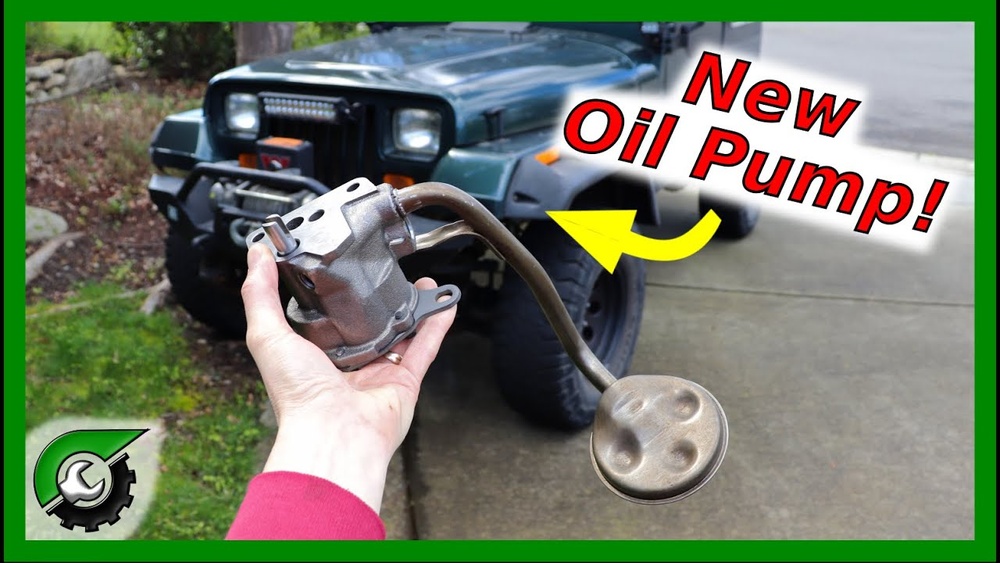
What Does The Oil Pump Do In A Jeep Wrangler?
The oil pump keeps engine oil moving. It sends oil from the pan to the moving parts—like the crankshaft, camshaft, and lifters. This oil is crucial for reducing friction, cooling the engine, and protecting metal parts from damage. Without a working oil pump, the engine can overheat or even seize within minutes.
Key functions of the oil pump:
- Circulates oil to all critical engine parts
- Maintains proper oil pressure
- Prevents engine overheating
Wrangler engines, especially the popular 3.6L Pentastar and older 4.0L inline-six, need consistent oil flow for long life. If the pump fails, damage can happen quickly. That’s why knowing when and how to replace it matters.
Signs Your Jeep Wrangler Oil Pump Is Failing
Spotting oil pump issues early can save your engine. Here are the main warning signs:
- Low oil pressure warning light: If the oil pressure drops, a warning light appears on your dashboard. Don’t ignore this.
- Engine noise: Listen for ticking, knocking, or rattling, especially after starting. These sounds often mean oil isn’t reaching parts fast enough.
- Oil pressure gauge drops: If your Wrangler has a gauge, a sudden drop below normal is a clear warning.
- Overheating engine: Without proper oil flow, the engine can overheat.
- Metal shavings in oil: When the pump fails, engine parts can grind, sending metal into the oil.
Ignoring these signs risks severe engine damage. If you notice one or more, check your oil pump as soon as possible.
Common Jeep Wrangler Oil Pump Types
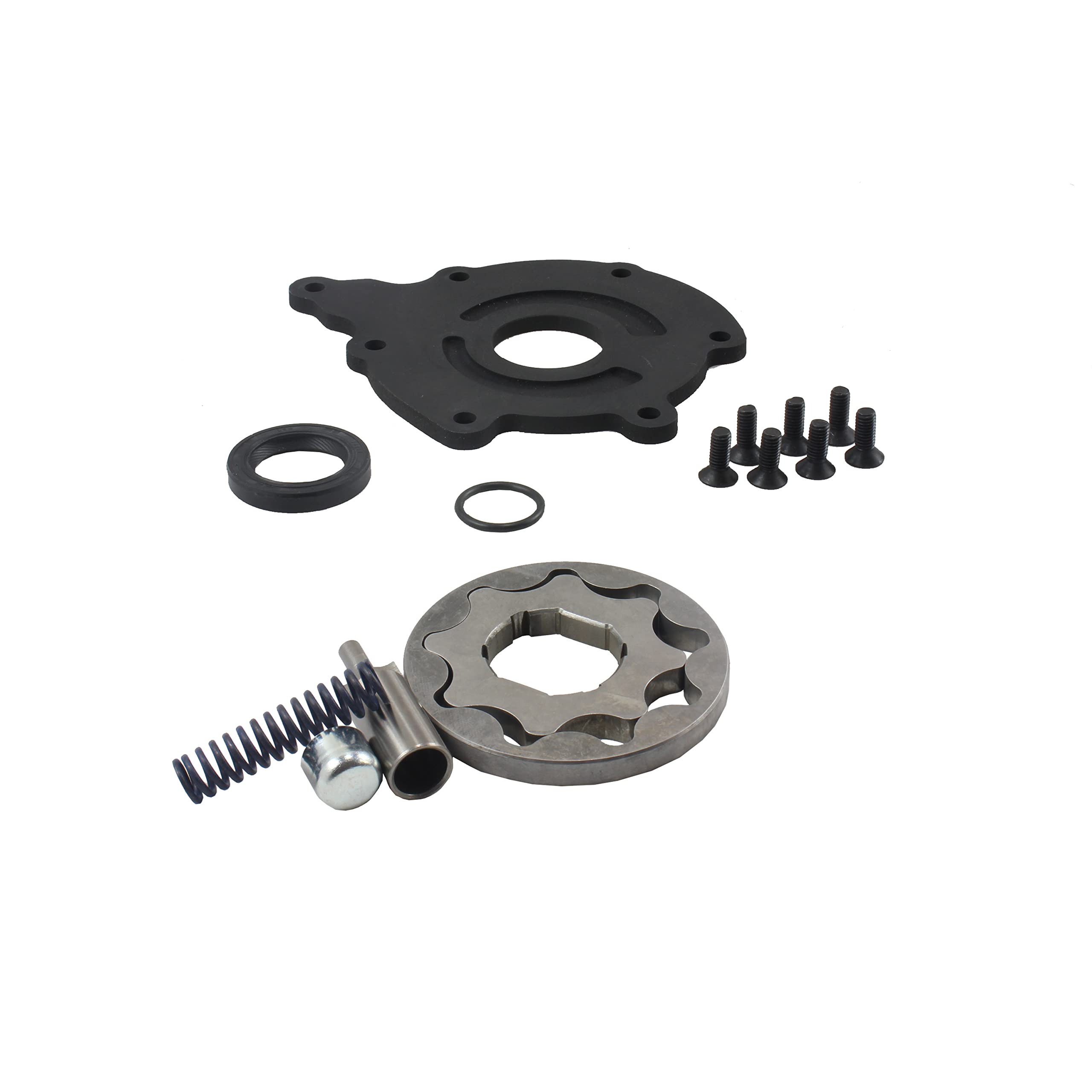
Jeep Wranglers use several engine types, but oil pumps are usually gear-driven or rotor-style. Here’s a quick comparison:
| Engine Model | Oil Pump Type | Replacement Difficulty |
|---|---|---|
| 4.0L Inline-6 | Gear-driven | Moderate |
| 3.6L Pentastar V6 | Rotor-style (Gerotor) | Moderate to Difficult |
| 2.5L Inline-4 | Gear-driven | Moderate |
Most DIYers can handle a gear-driven pump with basic tools. Rotor-style pumps are a bit more complex and may require extra care.
Tools And Parts Needed For Oil Pump Replacement
Before starting, gather these items:
- Replacement oil pump (specific to your Wrangler’s engine)
- New oil pan gasket
- Fresh engine oil (check manual for correct weight)
- Oil filter
- Socket set (metric and standard)
- Torque wrench
- Jack and jack stands
- Drain pan
- Gasket scraper
- Shop rags
- RTV silicone (if needed for oil pan)
- Service manual (for torque specs)
Some models may need extra tools, like a harmonic balancer puller or special wrenches. Always check your Wrangler’s service manual for details.
How To Replace The Oil Pump On A Jeep Wrangler
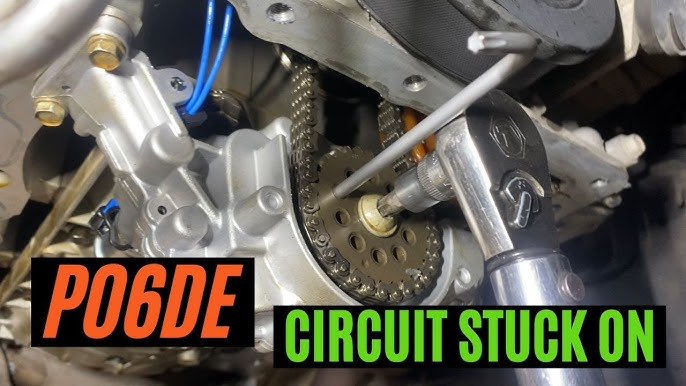
Replacing the oil pump is a hands-on job, but with patience, most owners can do it. The following steps cover most 4. 0L and 3. 6L Wranglers. If you have a different engine, the general process is similar.
1. Prepare The Vehicle
- Park on a level surface.
- Disconnect the negative battery cable to prevent accidental starts.
- Raise the Jeep with a jack and secure it on jack stands.
- Place a drain pan under the oil pan.
2. Drain The Engine Oil
- Remove the oil drain plug and let the oil drain completely.
- Remove the oil filter.
3. Remove The Oil Pan
- Take off any skid plates or crossmembers blocking the pan.
- Unbolt the oil pan (usually 10mm or 13mm bolts).
- Carefully lower the pan. You may need to tap it gently to break the gasket seal.
- Scrape off old gasket material from the engine and pan surfaces.
Note: Some newer Wranglers have tight clearances. If the pan doesn’t come out easily, you may need to lift the engine slightly or remove extra components.
4. Access And Remove The Oil Pump
- Locate the oil pump at the bottom of the engine (next to the crankshaft).
- Remove the bolts securing the pump.
- Take out the pump, noting its position and any alignment marks.
5. Install The New Oil Pump
- Compare the old and new pumps to ensure they match.
- Lubricate the new pump with fresh oil before installation.
- Place the new pump in position, aligning with any drive gears or shafts.
- Tighten bolts to the specified torque (see your manual).
6. Reinstall The Oil Pan
- Clean the gasket surfaces again.
- Install a new oil pan gasket (or RTV, if required).
- Reinstall the oil pan and torque bolts in a crisscross pattern.
7. Refill Oil And Check For Leaks
- Install a new oil filter.
- Add the correct amount of fresh oil.
- Reconnect the battery.
- Start the engine and let it idle. Check for leaks under the pan and listen for abnormal noises.
- Watch the oil pressure gauge or warning light. Pressure should return to normal within seconds.
Estimated Time And Difficulty
Most DIYers can expect to spend 3–5 hours on this job. If it’s your first time, allow extra time to work slowly and carefully. The process is rated moderate difficulty for gear-driven pumps and moderate to difficult for rotor-style pumps.
Here’s a time and cost comparison for different models:
| Wrangler Engine | DIY Time (hrs) | Parts Cost (USD) | Shop Labor Cost (USD) |
|---|---|---|---|
| 4.0L Inline-6 | 3–4 | 60–100 | 350–600 |
| 3.6L Pentastar V6 | 4–5 | 80–150 | 400–800 |
| 2.5L Inline-4 | 3–4 | 60–90 | 350–600 |
Doing the work yourself can save $300 or more, but if you’re not confident, a professional mechanic is a good choice.
Common Mistakes To Avoid
Replacing the oil pump isn’t hard, but there are some pitfalls:
- Forgetting to prime the pump: Always fill the new pump with oil before installation. A dry pump can cause engine damage at startup.
- Using the wrong gasket or sealant: Each engine has specific needs. Using the wrong material can cause leaks.
- Skipping torque specs: Bolts must be tightened to the correct specification. Too loose or too tight can cause problems.
- Not cleaning gasket surfaces: Even tiny bits of old gasket can cause leaks.
- Dropping debris into the engine: Work cleanly. Even a small nut or washer inside the engine can cause serious damage.
Many beginners miss the step of priming the pump. It’s simple but crucial: pour oil into the pump and turn its shaft by hand before installing.
Another detail often overlooked is double-checking the oil pickup tube. If it’s clogged or loose, oil flow will be poor even with a new pump.
When To Replace The Oil Pump
Oil pumps are designed to last the engine’s life, but several factors can cause early failure:
- High mileage (over 150,000 miles)
- Poor oil change history
- Use of wrong oil type
- Damage from previous engine repairs
If you’re rebuilding the engine or replacing the timing chain, it’s smart to install a new oil pump at the same time. This saves labor and gives peace of mind.
After Replacement: What To Expect
Once you’ve installed the new pump and filled the engine with oil:
- The oil pressure warning light should go off quickly.
- The engine should sound quieter, with less ticking or knocking.
- Watch for leaks around the oil pan and filter.
- Check oil pressure readings or gauge—numbers should be back in the normal range.
Drive gently for the first 50–100 miles. Recheck your oil level after the first drive, as it may drop slightly if air pockets are purged.
Should You Upgrade Your Oil Pump?
Some Jeep owners consider high-volume oil pumps, especially for off-road or high-performance use. These pumps move more oil, which can help with cooling under heavy loads. However, high-volume pumps aren’t always better. They can put extra stress on old seals and may not be needed for stock engines.
If you’re thinking of an upgrade, discuss options with a Jeep specialist or check forums for your engine model.
Environmental And Safety Tips
- Always dispose of old oil and filters at a recycling center.
- Wear gloves and eye protection when working under the vehicle.
- Use jack stands—never trust a hydraulic jack alone.
- Clean up spills quickly to avoid fire risks.
Where To Find More Help
If you get stuck, Wrangler owner forums and YouTube offer step-by-step videos. For official specs and diagrams, the Jeep service manual is the best resource. For more technical details, you can visit the Wikipedia page on oil pumps.
Frequently Asked Questions
<!– wp:rank-math/faq-block {"questions":[{"id":"faq-question-17d8c568fadf","title":"How Do I Know If My Jeep Wrangler Oil Pump Is Bad?","content":"Common signs include a low oil pressure warning light, engine ticking or knocking, overheating, or a drop in oil pressure readings. If you hear new noises after startup or see the oil light, check the pump right away.
“,”visible”:true},{“id”:”faq-question-0e7a312a830d”,”title”:”Can I Drive With A Failing Oil Pump?”,”content”:”No, it’s risky. Driving with a bad oil pump can cause the engine to lose oil pressure, leading to severe damage within minutes. Stop the engine and repair the problem before driving further.
“,”visible”:true},{“id”:”faq-question-75dd210cf458″,”title”:”How Long Does It Take To Replace A Jeep Wrangler Oil Pump?”,”content”:”Most DIYers need 3–5 hours, depending on experience and the engine model. Shops can do it faster, but wait times may vary.
“,”visible”:true},{“id”:”faq-question-8f1314306cfb”,”title”:”Do I Need Special Tools For Oil Pump Replacement?”,”content”:”Usually, basic hand tools are enough. Some engines may need a harmonic balancer puller or special wrenches. Always check your service manual before starting.
“,”visible”:true},{“id”:”faq-question-412a7363a774″,”title”:”Should I Replace The Oil Pump When Rebuilding My Engine?”,”content”:”Yes. If you’re rebuilding the engine or replacing the timing chain, it’s wise to install a new oil pump. It adds little cost but can prevent future problems.
Replacing your Jeep Wrangler oil pump is a big job, but with the right tools, patience, and attention to detail, it’s within reach for most owners. Keeping your oil system healthy protects your investment and gives you confidence on every trail.
“,”visible”:true}]} –>How Do I Know If My Jeep Wrangler Oil Pump Is Bad?
Common signs include a low oil pressure warning light, engine ticking or knocking, overheating, or a drop in oil pressure readings. If you hear new noises after startup or see the oil light, check the pump right away.
Can I Drive With A Failing Oil Pump?
No, it’s risky. Driving with a bad oil pump can cause the engine to lose oil pressure, leading to severe damage within minutes. Stop the engine and repair the problem before driving further.
How Long Does It Take To Replace A Jeep Wrangler Oil Pump?
Most DIYers need 3–5 hours, depending on experience and the engine model. Shops can do it faster, but wait times may vary.
Do I Need Special Tools For Oil Pump Replacement?
Usually, basic hand tools are enough. Some engines may need a harmonic balancer puller or special wrenches. Always check your service manual before starting.
Should I Replace The Oil Pump When Rebuilding My Engine?
Yes. If you’re rebuilding the engine or replacing the timing chain, it’s wise to install a new oil pump. It adds little cost but can prevent future problems.
Replacing your Jeep Wrangler oil pump is a big job, but with the right tools, patience, and attention to detail, it’s within reach for most owners. Keeping your oil system healthy protects your investment and gives you confidence on every trail.