Jeep Wrangler Water Pump Replacement: Complete Guide
Many Jeep Wrangler owners love their vehicles for rugged reliability. But, like all engines, the cooling system needs attention.
One important part is the water pump. If it fails, your engine can overheat fast.
Replacing the water pump sounds intimidating, but with clear guidance, even beginners can handle this job and save money. This guide covers everything you need to know, including symptoms, step-by-step replacement, costs, and tips for lasting results.
What Does The Water Pump Do?
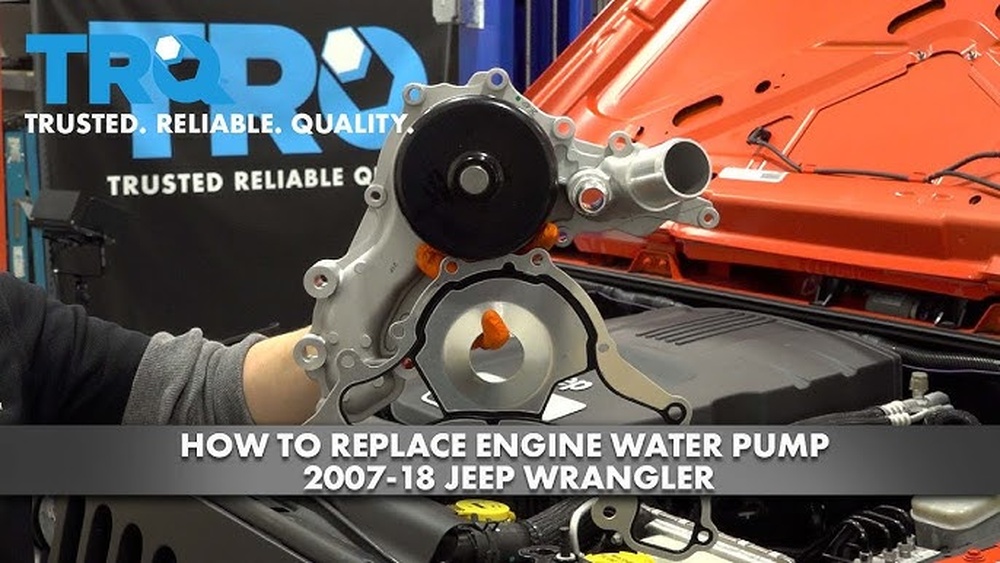
The water pump moves coolant through your Jeep’s engine and radiator. It helps keep the engine temperature stable. When the pump works well, your Wrangler runs smoothly. If it fails, you risk overheating, which can damage the engine.
Most Jeep Wranglers use a mechanical water pump, driven by the engine’s belt. The pump has a spinning impeller inside, pushing coolant in a loop. A failed pump means coolant stops moving, and the engine heats up quickly.
Signs Your Jeep Wrangler Needs A Water Pump Replacement
Not sure if your water pump is failing? Watch for these key signs:
- Coolant leaks: Look for green or orange fluid under your Jeep, especially near the front. Leaks often come from the water pump’s gasket or shaft.
- Overheating: If the temperature gauge climbs higher than normal, or you see steam, the pump might not be circulating coolant.
- Unusual noises: A worn pump can make grinding or squeaking sounds. This usually means the bearings are failing.
- Low coolant warning: If your dashboard shows a low coolant alert and you keep topping it off, a leak is likely.
- Visible corrosion: Check around the pump for rust or white deposits. This means coolant is escaping and reacting with metal.
Ignoring these signs can lead to engine damage. If you notice one or more, inspect the water pump closely.
Tools And Parts Needed For Replacement
Before starting, gather these essential tools and parts:
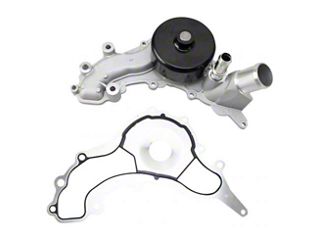
- New water pump (OEM or high-quality aftermarket)
- Coolant (specific type for Jeep Wrangler)
- Gasket/sealant (usually comes with the new pump)
- Socket set (metric sizes)
- Wrenches (combination or adjustable)
- Screwdrivers
- Drain pan (for coolant)
- Torque wrench
- Pliers
- Shop towels
- Safety gloves
Some models may need special tools like a pulley removal tool. Always check your Wrangler’s manual for details.
Step-by-step Jeep Wrangler Water Pump Replacement
Replacing the water pump is a job you can do at home with patience. Here’s a clear process for most Jeep Wrangler models (TJ, JK, and JL):
1. Preparation
- Let the engine cool completely. Hot coolant can cause burns.
- Disconnect the battery to prevent accidental shorts.
- Place the drain pan under the radiator and open the drain valve. Catch all old coolant.
2. Remove Engine Components
- Take off the engine cover if your Wrangler has one.
- Remove the serpentine belt. Note the routing or take a picture for later.
- Disconnect hoses attached to the water pump. Use pliers if clamps are tight.
- Remove any accessories or brackets blocking the pump (like the alternator or power steering).
3. Remove The Old Water Pump
- Use the socket set to unscrew the water pump bolts. Keep them safe; some may be different lengths.
- Gently pry the pump away from the engine block. Some coolant may spill.
- Remove the old gasket. Clean the surface carefully—any dirt can cause leaks later.
4. Install The New Water Pump
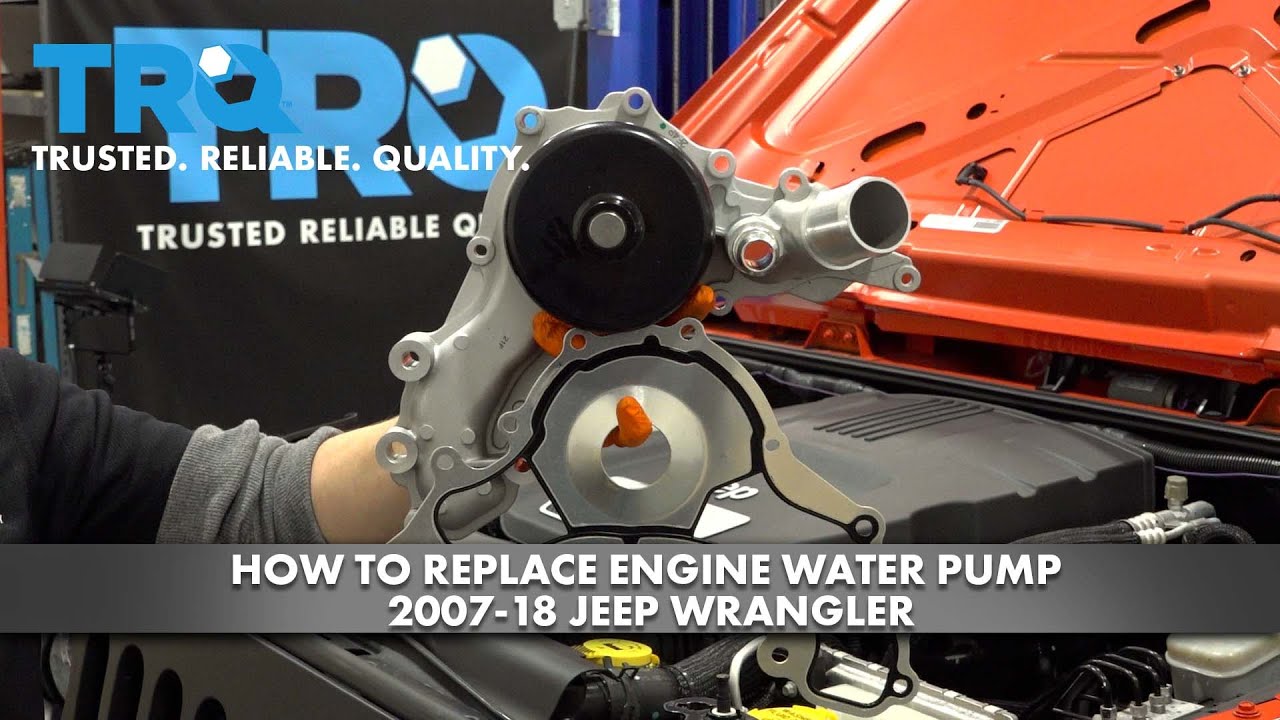
- Place the new gasket or apply sealant as recommended.
- Position the new pump and hand-tighten the bolts.
- Use a torque wrench to tighten bolts to the manufacturer’s specs (usually 20-30 ft-lbs).
- Reconnect hoses and replace any brackets or accessories.
5. Reassemble And Refill Coolant
- Install the serpentine belt. Use your photo or diagram to guide you.
- Close the radiator drain valve.
- Pour fresh coolant into the radiator. Use the correct mix—usually 50/50 antifreeze and water.
- Reconnect the battery.
6. Final Checks
- Start the engine and let it idle.
- Watch for leaks around the water pump and hoses.
- Check the temperature gauge. It should stay in the normal range.
- Top off the coolant if needed after the engine cycles.
This process takes about 2–4 hours for most people. If you encounter stuck bolts or extra corrosion, allow extra time.
Jeep Wrangler Water Pump Replacement Cost
The cost of replacing a water pump depends on whether you do it yourself or hire a mechanic. Here’s a direct comparison:
| Replacement Method | Average Cost | What’s Included |
|---|---|---|
| DIY | $80–$180 | Water pump, coolant, gasket, basic tools |
| Professional | $350–$650 | Parts, labor, diagnostic, warranty |
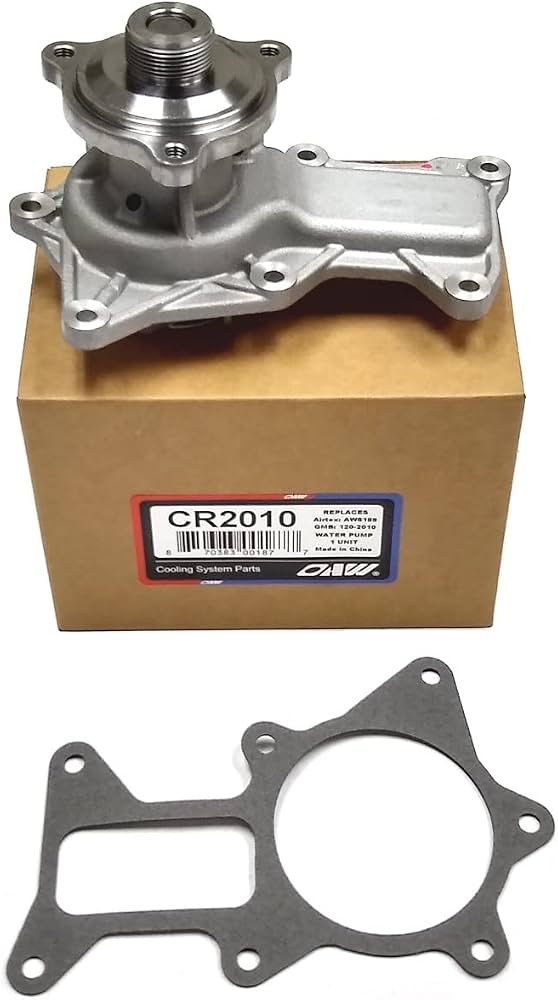
Most Jeep water pumps cost $50–$120 for the part. Labor at shops is usually $100–$200 per hour. You can save money by doing the job yourself, but only if you’re confident with tools.
Common Mistakes To Avoid
Many beginners make errors that cause leaks or engine issues. Here are mistakes you should watch for:
- Skipping gasket cleaning: Even a small amount of old gasket can cause leaks. Clean the engine block surface carefully.
- Over-tightening bolts: Tightening too much can crack the pump or block. Always use a torque wrench.
- Wrong coolant type: Jeep Wranglers need specific coolant. Using the wrong kind can harm the cooling system.
- Missing hose clamps: Forgetting to secure clamps leads to leaks once the engine heats up.
- Rushing reassembly: Double-check each step before starting the engine.
If you’re unsure, take photos of each stage. This makes reassembly easier and helps prevent mistakes.
Choosing The Best Replacement Water Pump
Not all water pumps are equal. Here’s how to select the right one for your Jeep Wrangler:
| Feature | OEM | Aftermarket |
|---|---|---|
| Quality | High, matched to Jeep specs | Varies, some brands are reliable |
| Warranty | Usually 1–2 years | Ranges from 6 months to lifetime |
| Price | $80–$140 | $40–$120 |
| Fit | Guaranteed | May require minor adjustments |
OEM pumps (original equipment manufacturer) are always a safe choice. If you pick aftermarket, look for well-known brands and check reviews. Avoid the cheapest options—they often use lower-quality bearings and seals.
Extra Tips For A Long-lasting Repair
A few practical tips can help your water pump replacement last longer:
- Use distilled water for mixing coolant. Tap water can cause mineral buildup.
- Replace all old hoses at the same time. They often weaken with age.
- Flush the cooling system before installing the new pump. This removes rust and debris.
- Check the serpentine belt for cracks. A weak belt can cause the new pump to fail sooner.
- Don’t forget to bleed air from the cooling system. Air pockets can cause overheating.
Many Jeep owners overlook these details. Taking a little extra time now saves headaches later.
When To Seek Professional Help
If you run into problems, don’t hesitate to consult a mechanic. Here are situations where expert help is smart:
- Severe corrosion: If the engine block or mounting area is badly corroded, professional cleaning may be needed.
- Broken bolts: Extracting broken bolts is tricky and requires special tools.
- Persistent leaks: If leaks continue after replacement, there may be deeper issues with the radiator or head gasket.
Some Jeep Wranglers, especially older models, may have unique designs. If you’re unsure, check the official Jeep service manual or ask in owner forums.
Water Pump Lifespan And Maintenance
The average Jeep Wrangler water pump lasts 60,000–90,000 miles. Regular coolant changes and system checks can extend its life. If you drive off-road or in hot climates, inspect the cooling system twice a year.
Here’s a quick maintenance comparison:
| Maintenance Task | Recommended Frequency | Benefit |
|---|---|---|
| Coolant flush | Every 30,000 miles | Removes debris, prevents corrosion |
| Inspect hoses | Every oil change | Early leak detection |
| Check pump area | Twice a year | Spot leaks before overheating |
Neglecting maintenance is a common mistake. Even if your pump is new, regular checks will help prevent sudden failures.
Frequently Asked Questions
<!– wp:rank-math/faq-block {"questions":[{"id":"faq-question-df2c8049080a","title":"How Do I Know If My Jeep Wrangler Water Pump Is Bad?","content":"Look for coolant leaks, overheating, strange noises, or low coolant alerts. If you see any of these signs, inspect the water pump closely. Also, check for visible corrosion or buildup around the pump.
“,”visible”:true},{“id”:”faq-question-b926b90376bf”,”title”:”Can I Drive My Jeep If The Water Pump Is Leaking?”,”content”:”It’s risky to drive with a leaking water pump. Leaks can quickly lead to overheating and engine damage. If you must drive, keep trips short and monitor the temperature gauge closely.
“,”visible”:true},{“id”:”faq-question-e6580d8b6cb8″,”title”:”What Coolant Should I Use After Replacing The Water Pump?”,”content”:”Always use the coolant type recommended in your Jeep’s manual. Most Wrangler models require HOAT (Hybrid Organic Acid Technology) coolant. Mixing different types can cause clogs or corrosion.
“,”visible”:true},{“id”:”faq-question-5907686080cc”,”title”:”How Long Does It Take To Replace The Water Pump On A Jeep Wrangler?”,”content”:”For most Jeep Wrangler models, replacement takes 2–4 hours if you’re working carefully. Experienced mechanics may finish faster. Allow extra time if bolts are stuck or parts are corroded.
“,”visible”:true},{“id”:”faq-question-f5f6a87af884″,”title”:”Where Can I Find Official Jeep Wrangler Repair Instructions?”,”content”:”You can find Jeep’s official repair manuals and guides at Jeep Official Manuals. These guides include detailed instructions, torque specs, and diagrams for your specific Wrangler model.
Replacing your Jeep Wrangler’s water pump is a practical project that can save you hundreds of dollars. With careful steps, the right tools, and attention to detail, you can restore your cooling system and keep your Jeep running strong. Always double-check your work, use quality parts, and don’t hesitate to seek help if you run into trouble.
“,”visible”:true}]} –>How Do I Know If My Jeep Wrangler Water Pump Is Bad?
Look for coolant leaks, overheating, strange noises, or low coolant alerts. If you see any of these signs, inspect the water pump closely. Also, check for visible corrosion or buildup around the pump.
Can I Drive My Jeep If The Water Pump Is Leaking?
It’s risky to drive with a leaking water pump. Leaks can quickly lead to overheating and engine damage. If you must drive, keep trips short and monitor the temperature gauge closely.
What Coolant Should I Use After Replacing The Water Pump?
Always use the coolant type recommended in your Jeep’s manual. Most Wrangler models require HOAT (Hybrid Organic Acid Technology) coolant. Mixing different types can cause clogs or corrosion.
How Long Does It Take To Replace The Water Pump On A Jeep Wrangler?
For most Jeep Wrangler models, replacement takes 2–4 hours if you’re working carefully. Experienced mechanics may finish faster. Allow extra time if bolts are stuck or parts are corroded.
Where Can I Find Official Jeep Wrangler Repair Instructions?
You can find Jeep’s official repair manuals and guides at Jeep Official Manuals. These guides include detailed instructions, torque specs, and diagrams for your specific Wrangler model.
Replacing your Jeep Wrangler’s water pump is a practical project that can save you hundreds of dollars. With careful steps, the right tools, and attention to detail, you can restore your cooling system and keep your Jeep running strong. Always double-check your work, use quality parts, and don’t hesitate to seek help if you run into trouble.