Owning a Jeep Wrangler is about adventure, but regular maintenance is part of the journey. If your Jeep’s engine temperature gauge is acting strange, or you notice overheating, the thermostat could be the culprit.
A faulty thermostat can cause serious problems, so knowing how to replace it is valuable for every Wrangler owner. This guide walks you through the replacement process, explains why it matters, and shares tips that even experienced mechanics sometimes overlook.
Understanding The Jeep Wrangler Thermostat
The thermostat is a small but crucial part in your Jeep’s cooling system. Its job is to regulate coolant flow, so the engine stays within a safe temperature range. When the thermostat fails, it can stick open or closed. If stuck open, your engine won’t reach proper temperature. If stuck closed, it overheats — fast.
Most Jeep Wranglers (especially the popular JK, TJ, and JL models) use a thermostat rated between 195°F and 203°F. This means it starts to open around 195°F, allowing coolant to circulate. If your Wrangler’s engine runs hotter or colder than usual, the thermostat might be failing.
Signs Your Thermostat Needs Replacement
Recognizing the signs early prevents bigger problems. Here are the most common symptoms of a bad thermostat:
- Engine Overheating: The temperature gauge climbs quickly and stays high.
- Coolant Leaks: You notice puddles under the vehicle, often near the front.
- Erratic Temperature Gauge: The needle moves unpredictably, sometimes dropping or rising sharply.
- Poor Heater Performance: Cabin heater blows cold air, even after warm-up.
- Check Engine Light: Codes like P0128 often point to thermostat issues.
A simple tip: If you see steam from the hood, pull over immediately. Running an overheated engine can damage the head gasket or even warp the cylinder head.
Preparing For Thermostat Replacement
Replacing the thermostat is a moderate DIY job. You don’t need special tools, but patience and attention to detail help. Here’s what you’ll need:
- New thermostat and gasket
- Socket set (8mm–10mm for most Wranglers)
- Screwdrivers
- Drain pan
- Pliers
- Clean rags
- Coolant (check your Wrangler’s manual for type)
- Gloves and safety glasses
Before starting, make sure your engine is cool. Never open the cooling system when hot — hot coolant can cause severe burns.
Step-by-step Guide: Jeep Wrangler Thermostat Replacement
Follow these steps for a safe and successful replacement.
1. Locate The Thermostat
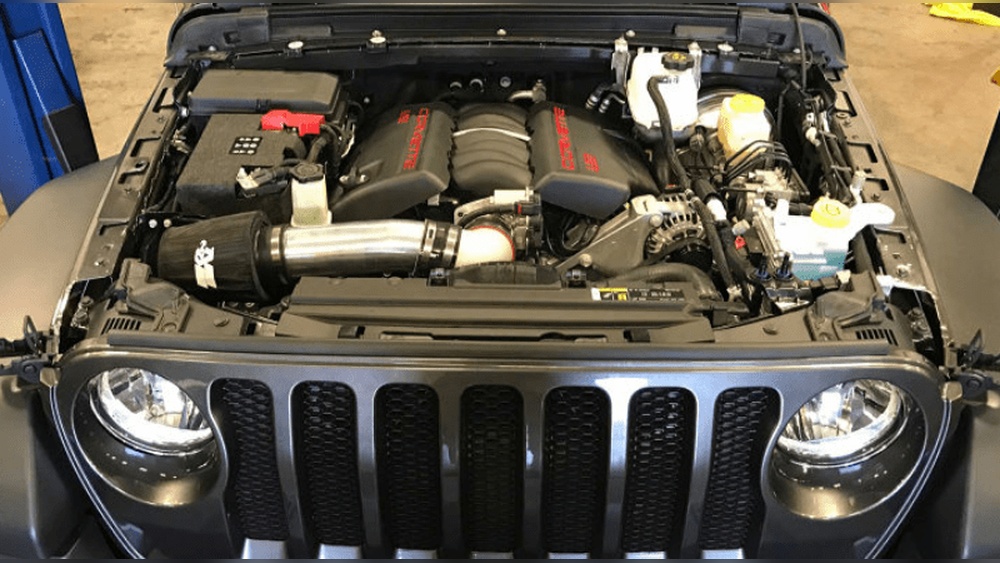
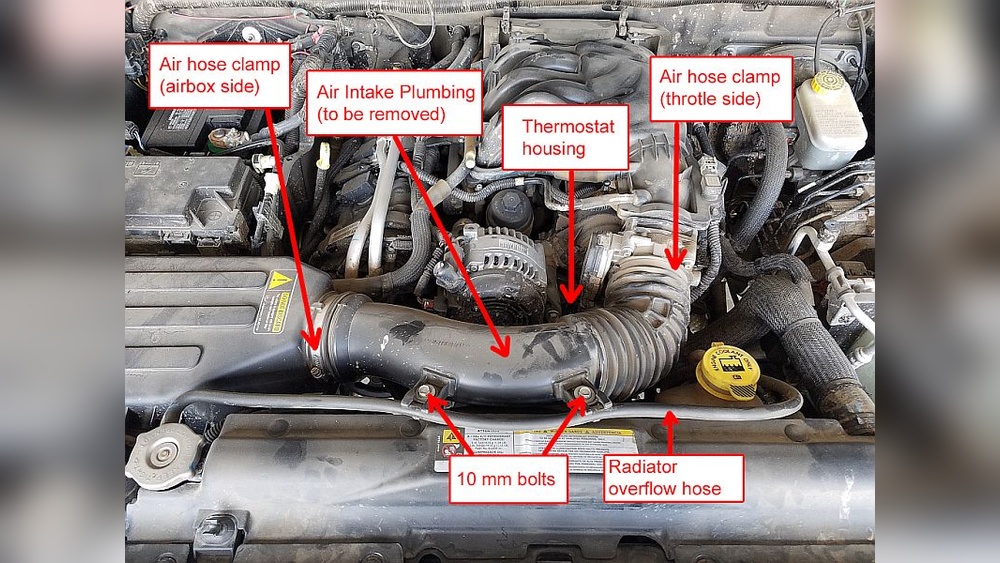
On most Jeep Wranglers, the thermostat is found where the upper radiator hose meets the engine block. Trace the hose from the radiator to the engine. The housing attached to the engine holds the thermostat.
2. Drain The Coolant
Place a drain pan under the radiator. Open the drain valve or remove the lower radiator hose to drain enough coolant so it doesn’t spill when you open the thermostat housing. Save the coolant if it’s clean; otherwise, plan to refill with fresh fluid.
3. Remove The Thermostat Housing
Using a socket wrench, remove the bolts on the housing. Gently pry the housing off — don’t force it, as you could crack it. If it sticks, tap lightly with a rubber mallet.
4. Take Out The Old Thermostat
Note the position of the old thermostat. Remove it and the gasket. Clean the housing and engine surface with a rag, scraping off old gasket material if needed.
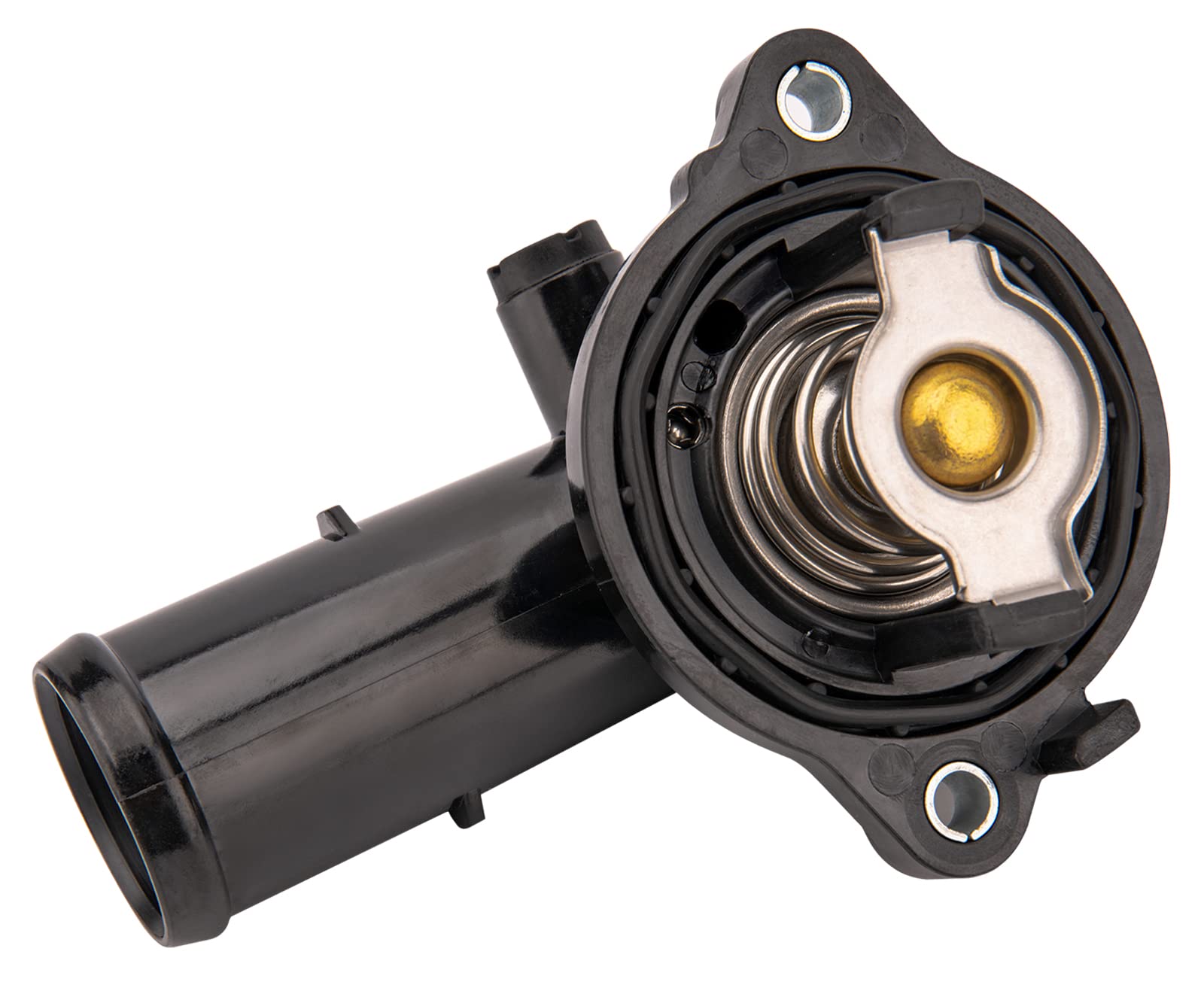
5. Install The New Thermostat
Place the new thermostat in the same orientation as the old one. Install the new gasket, making sure it’s aligned properly.
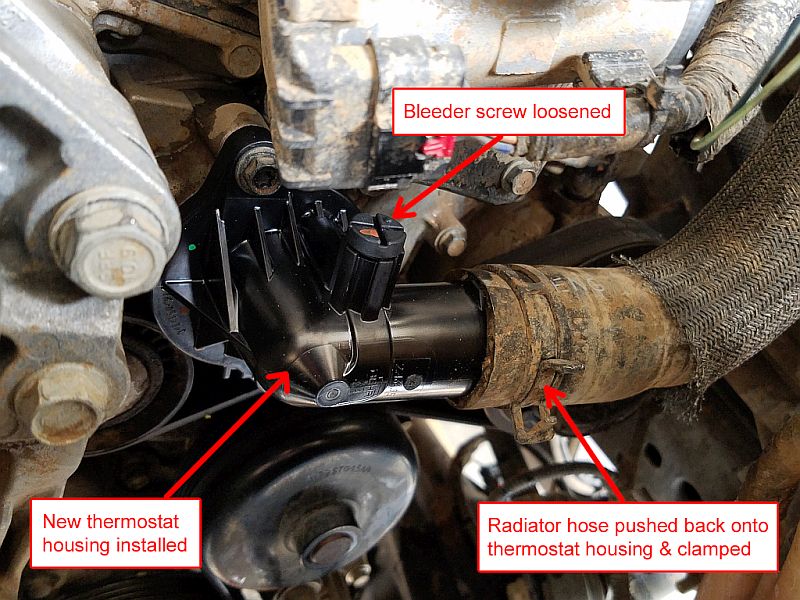
6. Reattach The Housing
Bolt the housing back in place. Don’t overtighten — most bolts require only about 18 ft-lbs of torque. Tighten evenly to avoid leaks.
7. Refill Coolant
Close the drain valve and refill the radiator with coolant. Use the type specified for your Wrangler (usually HOAT or OAT coolant for newer models).
8. Bleed The Cooling System
Start the engine and let it idle with the radiator cap off. Watch for air bubbles escaping. This process “bleeds” air from the system. Add coolant as needed. When the bubbles stop and the heater blows warm air, the job is done.
9. Check For Leaks
Inspect the housing and hoses for leaks. Tighten connections if needed. After a short drive, check coolant levels again.
Comparing Thermostat Options For Jeep Wrangler
Choosing the right thermostat matters. Here’s a quick comparison of popular options:
| Brand | Temperature Rating | Warranty | Price Range |
|---|---|---|---|
| OEM Mopar | 195°F | 12 months | $25–$40 |
| Stant | 195°F | 12 months | $18–$30 |
| Motorad | 203°F | 12 months | $20–$35 |
OEM Mopar parts are best for reliability, while Stant and Motorad offer good performance at lower prices. Always match the temperature rating to your engine’s requirements.
Thermostat Replacement Costs
If you prefer a shop to handle the job, here’s what you can expect:
| Location | Parts Cost | Labor Cost | Total Cost |
|---|---|---|---|
| Dealership | $30–$50 | $120–$180 | $150–$230 |
| Independent Shop | $20–$40 | $80–$140 | $100–$180 |
| DIY | $20–$40 | $0 | $20–$40 |
DIY saves money, but be sure you’re comfortable with the tools and steps.
Common Mistakes And How To Avoid Them
Even experienced Jeep owners make mistakes during thermostat replacement. Here are two non-obvious issues:
- Wrong Gasket Placement: Many people install the gasket upside-down or misaligned. This can cause leaks, even if the bolts are tight. Check twice before bolting the housing.
- Skipping System Bleed: If you don’t bleed the cooling system, air pockets may cause overheating. Always run the engine with the cap off after refilling, watching for bubbles.
Another tip: If your Jeep uses a plastic thermostat housing, be gentle. Over-tightening can crack the housing and lead to expensive repairs.
How Thermostat Replacement Improves Performance
A new thermostat can restore proper engine operation. You’ll notice:
- Stable temperature gauge: No more sudden swings or overheating.
- Better fuel efficiency: Engines run best at the right temperature.
- Improved heater performance: Cabin warms up faster in cold weather.
- Longer engine life: Prevents damage from overheating or running too cold.
Many Jeep owners report smoother idling and more consistent power after replacing the thermostat.
Environmental Impact: Why Coolant Disposal Matters
Old coolant contains chemicals that can harm animals and water sources. Never pour coolant down the drain or onto the ground. Take used coolant to an auto parts store or hazardous waste facility. Most stores recycle it for free.
Practical Tips For Jeep Wrangler Owners
- Keep a spare thermostat in your glove box if you drive off-road or in remote areas.
- Check hoses and clamps during replacement — weak hoses can burst and cause leaks.
- Use distilled water when mixing coolant; tap water can leave mineral deposits.
- Record maintenance in your logbook. This helps resale value and tracks repairs.
If you’re unsure about any step, check your Wrangler’s manual or watch a trusted video guide. For deeper technical details, visit the official Jeep Owners Site.
Frequently Asked Questions
<!– wp:rank-math/faq-block {"questions":[{"id":"faq-question-6de7dcd66acc","title":"What Is The Thermostat’s Role In My Jeep Wrangler?","content":"The thermostat controls the flow of coolant, allowing the engine to reach and maintain the proper operating temperature. When it opens, coolant moves through the radiator, cooling the engine. When closed, it helps the engine warm up faster.
“,”visible”:true},{“id”:”faq-question-8456750acf01″,”title”:”How Often Should I Replace The Thermostat?”,”content”:”Most mechanics suggest replacing the thermostat every 60,000 to 100,000 miles, or if you notice symptoms like overheating. It’s wise to change it when you replace coolant or if you’re doing other cooling system maintenance.
“,”visible”:true},{“id”:”faq-question-742c8f3ea546″,”title”:”Can I Drive With A Faulty Thermostat?”,”content”:”It’s risky. A stuck thermostat can cause overheating or poor engine performance. Driving with a bad thermostat may damage the engine or affect fuel economy. Always fix it as soon as possible.
“,”visible”:true},{“id”:”faq-question-5df93a6e4289″,”title”:”What Type Of Coolant Should I Use After Replacement?”,”content”:”Use the coolant type recommended in your Jeep Wrangler’s manual. Most newer Wranglers use HOAT or OAT coolant. Mixing types can cause problems, so stick to the manufacturer’s advice.
“,”visible”:true},{“id”:”faq-question-fe757d7bb89b”,”title”:”Is Thermostat Replacement Different For Older Jeep Wranglers?”,”content”:”Yes. Older Wranglers (like the YJ and early TJ models) have simpler cooling systems and may use different thermostat ratings. Always check your model and year before buying parts.
Replacing your Jeep Wrangler’s thermostat is a manageable task for most owners. It saves money, prevents major engine damage, and keeps your Jeep ready for any adventure. With the right tools and careful steps, you’ll have your Wrangler running cool and smooth in no time.
“,”visible”:true}]} –>What Is The Thermostat’s Role In My Jeep Wrangler?
The thermostat controls the flow of coolant, allowing the engine to reach and maintain the proper operating temperature. When it opens, coolant moves through the radiator, cooling the engine. When closed, it helps the engine warm up faster.
How Often Should I Replace The Thermostat?
Most mechanics suggest replacing the thermostat every 60,000 to 100,000 miles, or if you notice symptoms like overheating. It’s wise to change it when you replace coolant or if you’re doing other cooling system maintenance.
Can I Drive With A Faulty Thermostat?
It’s risky. A stuck thermostat can cause overheating or poor engine performance. Driving with a bad thermostat may damage the engine or affect fuel economy. Always fix it as soon as possible.
What Type Of Coolant Should I Use After Replacement?
Use the coolant type recommended in your Jeep Wrangler’s manual. Most newer Wranglers use HOAT or OAT coolant. Mixing types can cause problems, so stick to the manufacturer’s advice.
Is Thermostat Replacement Different For Older Jeep Wranglers?
Yes. Older Wranglers (like the YJ and early TJ models) have simpler cooling systems and may use different thermostat ratings. Always check your model and year before buying parts.
Replacing your Jeep Wrangler’s thermostat is a manageable task for most owners. It saves money, prevents major engine damage, and keeps your Jeep ready for any adventure. With the right tools and careful steps, you’ll have your Wrangler running cool and smooth in no time.