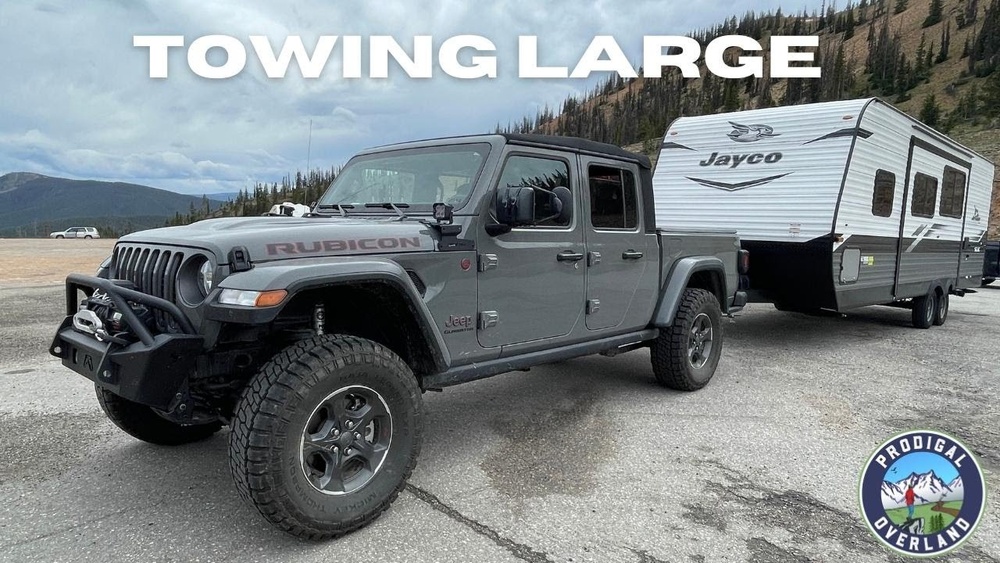
Jeep Safety Ratings: How Safe Are Jeep Vehicles In 2026?
When you think of Jeep, you might picture rugged trails, off-road adventures, and strong American engineering. But for many drivers, safety matters just as much as power and style.
Whether you use a Jeep for daily commutes or weekend getaways, understanding its safety ratings is essential. This guide breaks down how Jeep vehicles perform in crash tests, what safety features they offer, and how they compare to rivals.
You'll also discover key insights that are often overlooked by first-time Jeep buyers.
Understanding Jeep Safety Ratings
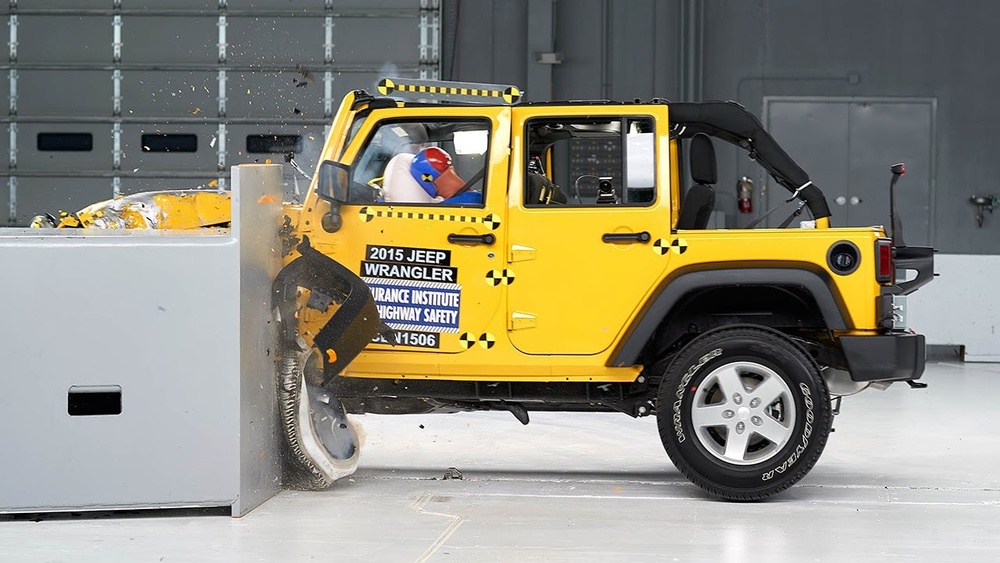
Safety ratings help buyers know how well a vehicle protects people in crashes. In the US, two main groups test car safety: the National Highway Traffic Safety Administration (NHTSA) and the Insurance Institute for Highway Safety (IIHS). Each group uses different methods, so it’s smart to check both before making a decision.
NHTSA uses a 5-star system. More stars mean better protection in crashes. IIHS uses terms like “Good,” “Acceptable,” “Marginal,” and “Poor” for different tests. They also give special awards like “Top Safety Pick” to vehicles with excellent scores.
How Jeep Models Perform In Crash Tests
Jeep has a wide range, from compact SUVs like the Jeep Compass to the classic Jeep Wrangler and larger models like the Grand Cherokee. Each performs differently in safety tests. Below is a quick comparison of the latest ratings for popular Jeep models.
| Model | NHTSA Overall Rating | IIHS Top Safety Pick (2026) |
|---|---|---|
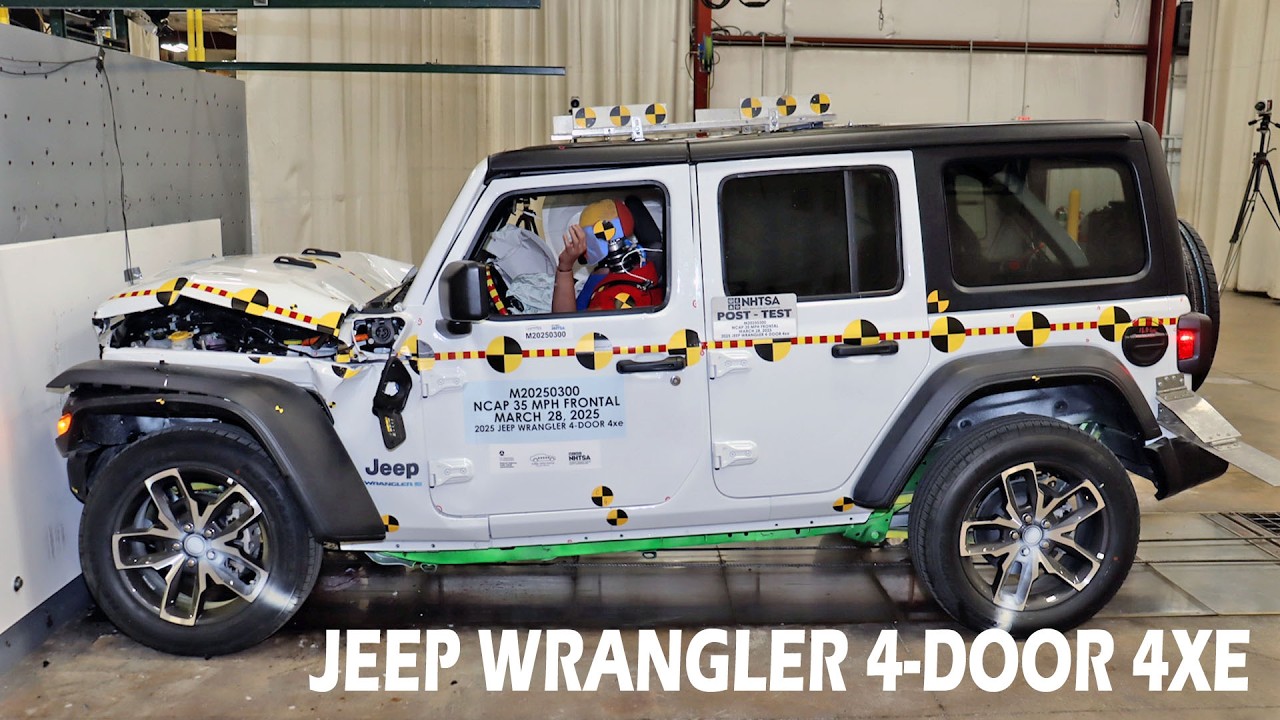
| Jeep Wrangler 4-Door | 4 Stars | No |
| Jeep Grand Cherokee | 5 Stars | No |
| Jeep Compass | 4 Stars | No |
| Jeep Cherokee | 4 Stars | No |
| Jeep Gladiator | Not Rated | No |
The Jeep Grand Cherokee stands out with a 5-star NHTSA rating, showing strong crash protection. However, none of the main Jeep models earned the IIHS “Top Safety Pick” for 2026. This means while some Jeeps do well in government crash tests, they may not lead in every safety area.
Key Safety Features In Modern Jeeps
Jeep has worked to improve safety, especially in newer models. Here are some important features you’ll find in many 2026 and 2026 Jeeps:
- Advanced Airbags: Most models have multiple airbags, including side-curtain airbags to protect all rows.
- Electronic Stability Control (ESC): Helps prevent skidding and loss of control.
- Blind Spot Monitoring: Alerts you if a car is in your blind spot.
- Forward Collision Warning: Warns if a crash may happen soon.
- Automatic Emergency Braking: Applies brakes if you don’t react in time.
- Lane Departure Warning: Lets you know if you drift out of your lane.
- Rear Cross Path Detection: Warns of vehicles or people when backing up.
It’s important to note that some features, like adaptive cruise control or parking assist, are optional on many Jeeps, not standard. Always check the trim level to know what’s included.
Jeep Wrangler: Iconic But Unique Safety Challenges
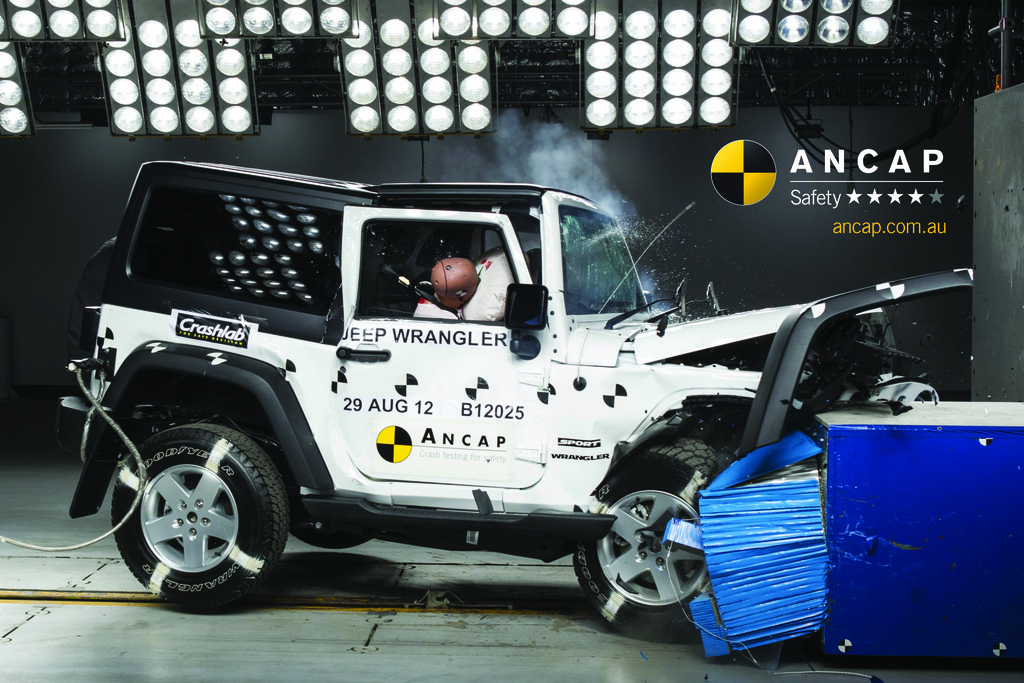
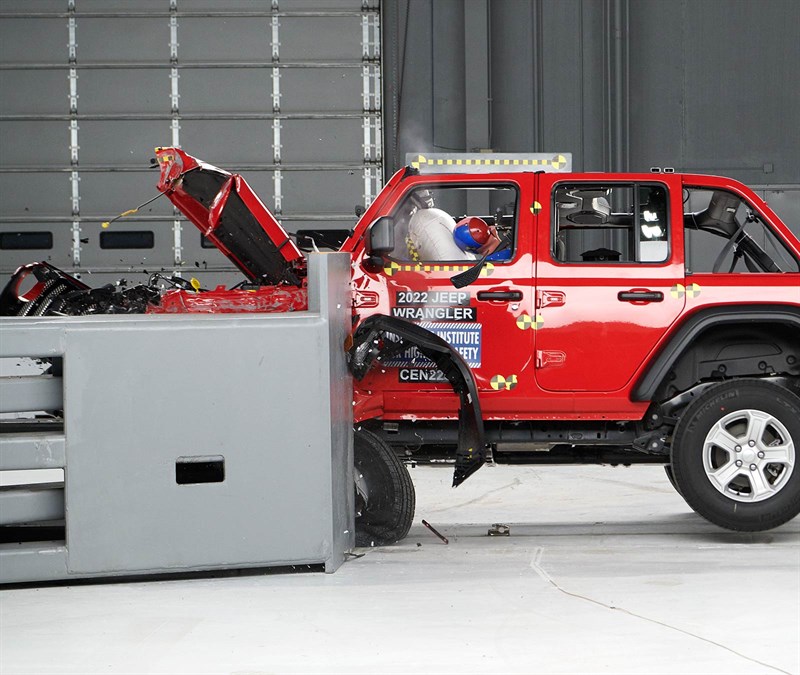
The Jeep Wrangler is famous for off-roading, but it has safety challenges that buyers should consider. Its boxy shape and removable roof and doors give a fun, open-air feel, but these features can reduce protection in a crash. In fact, IIHS crash tests have shown the Wrangler can tip over during certain front impact tests—a rare event among SUVs.
Another point: the Wrangler’s design focuses on off-road strength, not just crash safety. For example, the solid front axle is great for rough trails but can affect how the Jeep handles crashes compared to SUVs with independent suspension.
Practical tip: If you use the Wrangler mainly on highways or in cities, understand that its safety ratings may not match those of more modern SUVs. Always keep doors and roof panels on for maximum protection.
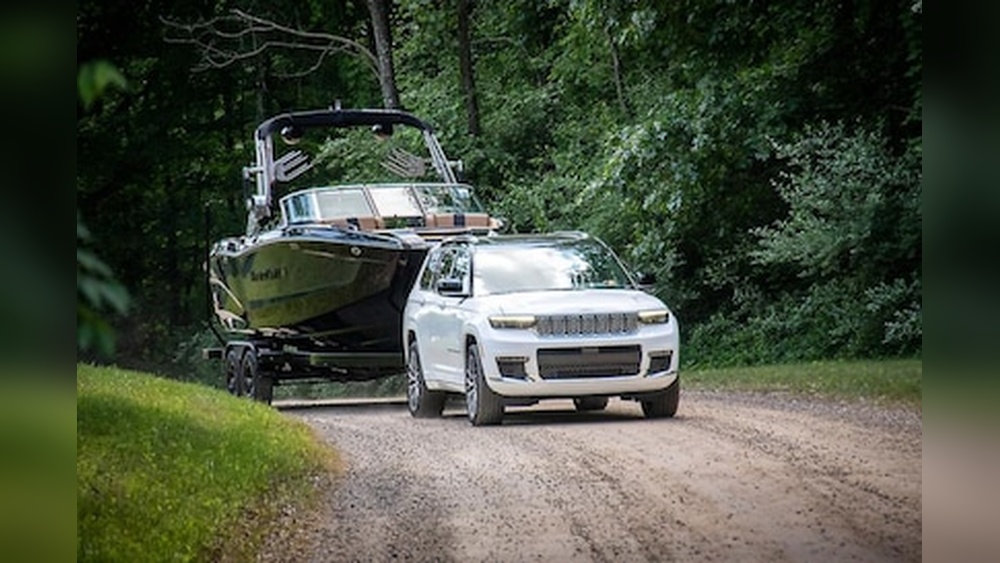
Jeep Grand Cherokee: Best-in-class Safety Among Jeeps
Among Jeep vehicles, the Grand Cherokee offers the best mix of comfort, technology, and safety. Recent models have earned high NHTSA ratings, thanks to features like:
- High-strength steel frame
- Active lane management
- Night vision with pedestrian detection (on some trims)
- Automatic rear braking
The Grand Cherokee also offers a plug-in hybrid model (4xe), which includes the same safety systems as the gas version. While it didn’t get the IIHS Top Safety Pick, its crash test results are strong for a midsize SUV.
Jeep Compass And Cherokee: Compact Choices
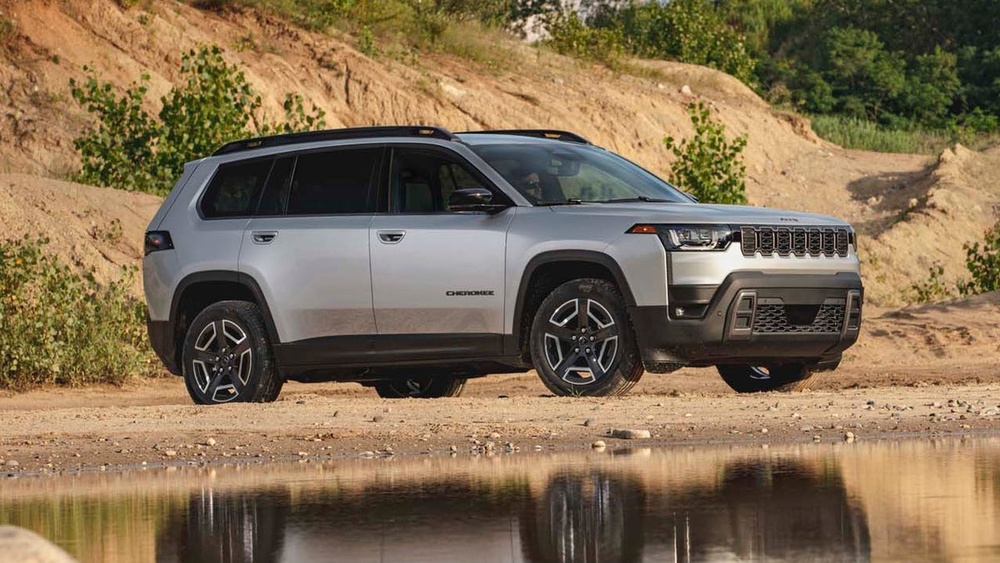
Both the Jeep Compass and Jeep Cherokee are popular with families and city drivers. They come with many of the safety features found in bigger Jeeps, but their crash test results are slightly lower.
- The Compass scored 4 stars overall with NHTSA.
- The Cherokee also earned 4 stars but has been criticized for average side crash performance.
A non-obvious insight: Compact Jeeps usually have fewer advanced safety options on base trims. If you care about features like adaptive cruise control or top-rated headlights, choose a higher trim.
Real-world Safety: Off-road Vs. On-road
Jeep vehicles are designed for tough roads and trails. However, off-road safety is very different from on-road crash protection. Features like skid plates, roll bars, and extra ground clearance help you in the wild, but don’t always improve results in highway crashes.
For example, the Wrangler’s roll bars can protect you if you roll over off-road, but they don’t guarantee the same safety in a high-speed road accident. Also, the high ride height can make Jeeps more likely to tip compared to lower SUVs.
Tip: If you mostly drive on highways or in cities, focus on crash ratings and active safety features. If you go off-road often, look for features like tow hooks, skid plates, and roll cages.
How Jeep Safety Compares To Other Brands
Many buyers wonder how Jeeps compare to other SUVs in the same price range. Here’s a quick look at how Jeep’s main models stack up against rivals:
| Model | NHTSA Overall Rating | IIHS Top Safety Pick (2026) | Main Rivals |
|---|---|---|---|
| Jeep Grand Cherokee | 5 Stars | No | Toyota Highlander, Ford Explorer |
| Jeep Wrangler | 4 Stars | No | Ford Bronco |
| Jeep Compass | 4 Stars | No | Honda CR-V, Toyota RAV4 |
One thing beginners often miss: rivals like the Toyota Highlander and Honda CR-V frequently earn IIHS Top Safety Pick awards, especially with optional safety packages. Jeep vehicles can lag behind in some advanced safety tests, even if they score well in basic crash tests.
Common Buyer Mistakes With Jeep Safety
- Assuming all Jeeps are equally safe: Each model and trim can vary a lot. Always check ratings for the exact model year and trim you want.
- Confusing off-road toughness with crash safety: A vehicle built for trails isn’t always the safest on highways.
- Ignoring optional safety features: Some important systems cost extra or only come on top trims.
- Overlooking real-world driving needs: If you rarely go off-road, a Jeep’s extra rugged features may not help you in daily traffic.
- Not checking headlight ratings: Poor headlights can make night driving unsafe, and some Jeep models have only “Marginal” or “Poor” ratings for headlights.
Recent Changes In Jeep Safety
In the past five years, Jeep has added more active safety features and improved crash protection. For example, the Grand Cherokee now offers active lane management and pedestrian detection, which were not available a few years ago.
Another change: Jeep now uses more high-strength steel in many models, making the passenger area stronger during crashes. However, even with these upgrades, some competitors have moved faster in adding advanced driver aids as standard equipment.
For the latest official crash test results and details on specific models, the IIHS website is a reliable source.
Choosing The Right Jeep For Your Safety Needs
Deciding which Jeep is safest depends on your driving style and needs. Here’s some guidance:
- Family drivers: The Grand Cherokee is usually the safest choice, offering many features and strong crash protection.
- Solo commuters: The Compass or Cherokee can be a good fit, but choose higher trims for better safety.
- Off-road fans: The Wrangler is best for trails, but know its unique safety trade-offs on highways.
- Budget buyers: Don’t skip safety packages—sometimes, spending a little more gets you much better protection.
Before you buy, always read the latest crash test results for your chosen model and trim. Don’t rely only on brand reputation. Ask the dealer to show you which safety features are standard and which are optional.
Frequently Asked Questions
<!– wp:rank-math/faq-block {"questions":[{"id":"faq-question-311f37129953","title":"How Do Jeep Safety Ratings Compare To Other Suvs?","content":"Jeep models like the Grand Cherokee perform well in NHTSA crash tests but sometimes lag behind rivals in IIHS tests and advanced safety features. Some competitors, such as the Toyota Highlander and Honda CR-V, often score higher in both organizations’ tests.
“,”visible”:true},{“id”:”faq-question-03ebf2cebe2b”,”title”:”Are Jeeps Safe For Families?”,”content”:”The Grand Cherokee is a popular choice for families because of its strong safety ratings and advanced features. However, compact Jeeps like the Compass may have fewer standard safety features, so check carefully before buying.
“,”visible”:true},{“id”:”faq-question-c55403bc35cc”,”title”:”Why Didn’t The Jeep Wrangler Earn A Top Safety Pick?”,”content”:”The Wrangler’s unique design—removable doors, roof, and focus on off-road use—creates safety trade-offs. It sometimes tips over in certain crash tests and lacks some features found in modern crossover SUVs.
“,”visible”:true},{“id”:”faq-question-ace3c1e075c1″,”title”:”Do All Jeep Models Come With The Same Safety Features?”,”content”:”No. Safety equipment can vary by model and trim. Base models may lack advanced features like adaptive cruise control or blind spot monitoring, which are standard on some rivals. Always review the specific vehicle’s equipment list.
“,”visible”:true},{“id”:”faq-question-403bfe895fd4″,”title”:”What Should I Check Before Buying A Jeep For Safety?”,”content”:”Read the latest crash test scores from NHTSA and IIHS, look for advanced safety features (some may be optional), and consider your main driving needs. Also, pay attention to headlight ratings, which can affect night driving safety.
Jeep vehicles blend adventure with solid safety, but not all models offer the same level of protection. By understanding the facts, comparing models, and focusing on features that matter most to you, you can choose a Jeep that keeps you and your passengers safe wherever the road—or trail—takes you.
“,”visible”:true}]} –>How Do Jeep Safety Ratings Compare To Other Suvs?
Jeep models like the Grand Cherokee perform well in NHTSA crash tests but sometimes lag behind rivals in IIHS tests and advanced safety features. Some competitors, such as the Toyota Highlander and Honda CR-V, often score higher in both organizations’ tests.
Are Jeeps Safe For Families?
The Grand Cherokee is a popular choice for families because of its strong safety ratings and advanced features. However, compact Jeeps like the Compass may have fewer standard safety features, so check carefully before buying.
Why Didn’t The Jeep Wrangler Earn A Top Safety Pick?
The Wrangler’s unique design—removable doors, roof, and focus on off-road use—creates safety trade-offs. It sometimes tips over in certain crash tests and lacks some features found in modern crossover SUVs.
Do All Jeep Models Come With The Same Safety Features?
No. Safety equipment can vary by model and trim. Base models may lack advanced features like adaptive cruise control or blind spot monitoring, which are standard on some rivals. Always review the specific vehicle’s equipment list.
What Should I Check Before Buying A Jeep For Safety?
Read the latest crash test scores from NHTSA and IIHS, look for advanced safety features (some may be optional), and consider your main driving needs. Also, pay attention to headlight ratings, which can affect night driving safety.
Jeep vehicles blend adventure with solid safety, but not all models offer the same level of protection. By understanding the facts, comparing models, and focusing on features that matter most to you, you can choose a Jeep that keeps you and your passengers safe wherever the road—or trail—takes you.