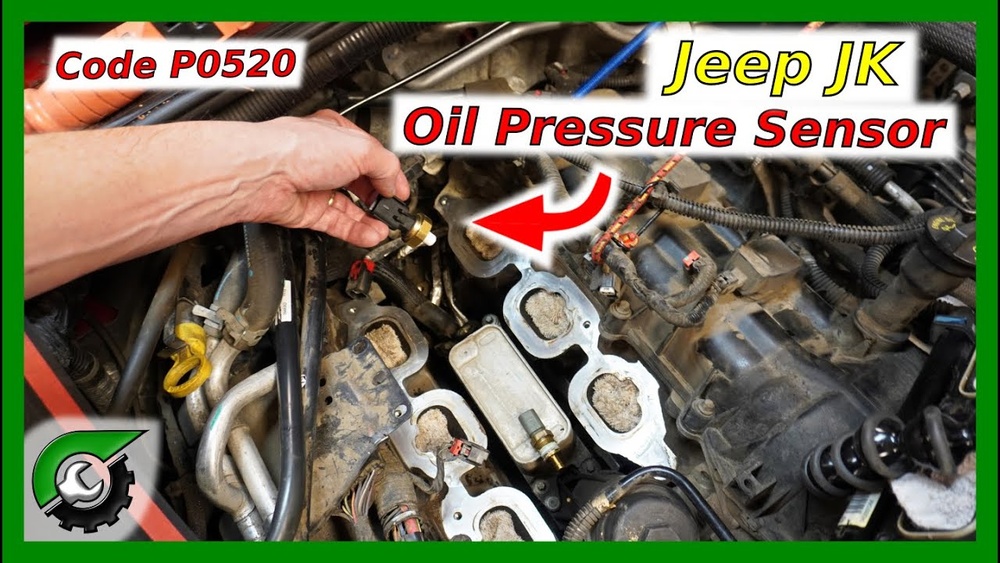
The Jeep Cherokee XJ is a classic SUV loved by off-road fans and daily drivers alike. A big reason for its reliability is its wiring harness—the system that connects all electrical parts.
If you own or work on a Cherokee XJ, understanding the wiring harness can save you time, trouble, and money. This article will help you know what matters most, common mistakes, and how to make smart upgrades or repairs.
What Is A Wiring Harness?
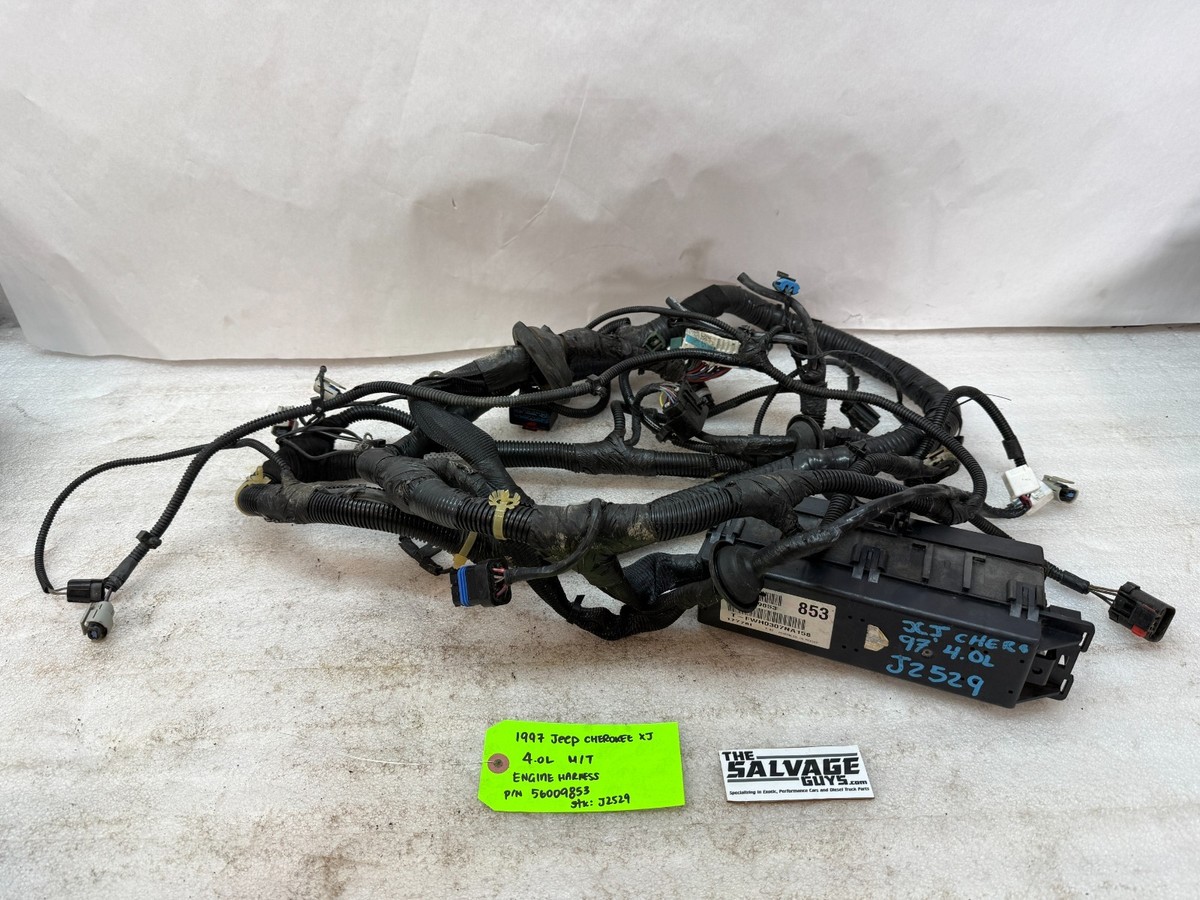
A wiring harness is a bundle of wires that connects and powers the electrical parts of your Jeep. It links things like the headlights, dash instruments, engine sensors, and tail lights. In the Cherokee XJ, the harness is designed to handle tough conditions—heat, vibration, and moisture.
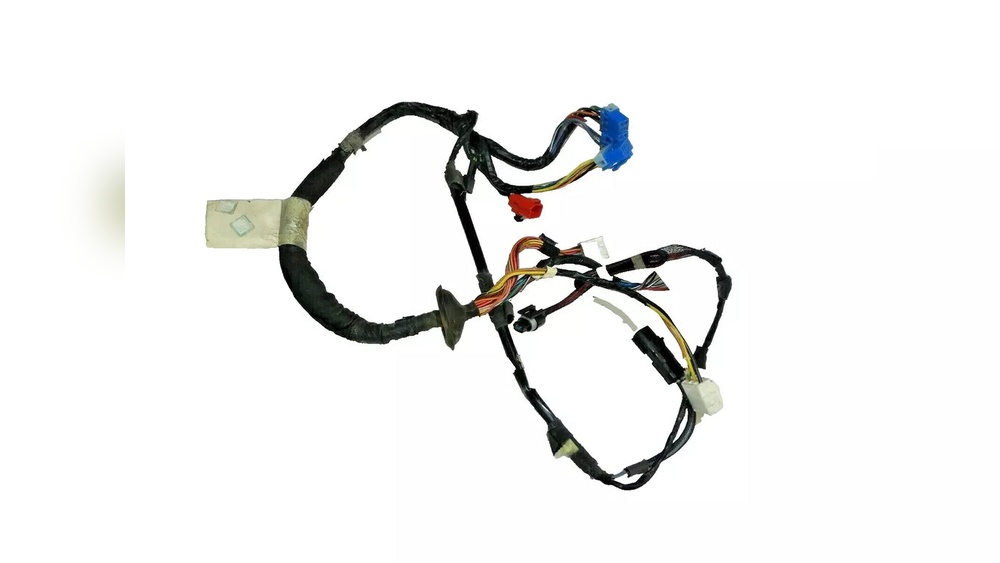
But age, accidents, or modifications can cause problems. For example, wires may crack, connections might loosen, or insulation could wear out. The harness is not just a group of wires; it is the nervous system of your Jeep.
Jeep Cherokee Xj Wiring Harness Layout
The Cherokee XJ has several wiring harnesses. Each is placed in a different area:
- Engine Harness: Runs from the fuse box to engine sensors, injectors, and ignition.
- Interior Harness: Connects dash controls, lights, radio, and gauges.
- Rear Harness: Goes to tail lights, fuel pump, and rear sensors.
This division helps with troubleshooting. If one section fails, you don’t need to replace the whole system.
Example: Engine Harness Routing
The engine harness enters from the firewall, connects to the battery, alternator, sensors, and then wraps around the engine bay. Knowing this route helps when you look for faults or plan upgrades.
Common Wiring Harness Problems
Some issues are seen often in the Cherokee XJ:
- Broken connectors: Age or heat breaks connectors, causing poor contact.
- Corroded wires: Moisture leads to rust and weak connections.
- Short circuits: Damaged insulation lets wires touch, blowing fuses.
- Melted insulation: Overheating, sometimes from aftermarket upgrades, melts wire protection.
Below, you can see typical causes and symptoms:
| Problem | Common Cause | Typical Symptom |
|---|---|---|
| Broken Connector | Heat, vibration, age | Lights or sensors stop working |
| Corroded Wire | Water leaks, bad seals | Intermittent electrical issues |
| Short Circuit | Cut or melted insulation | Blown fuse, sudden power loss |
Choosing A Replacement Or Upgrade Harness
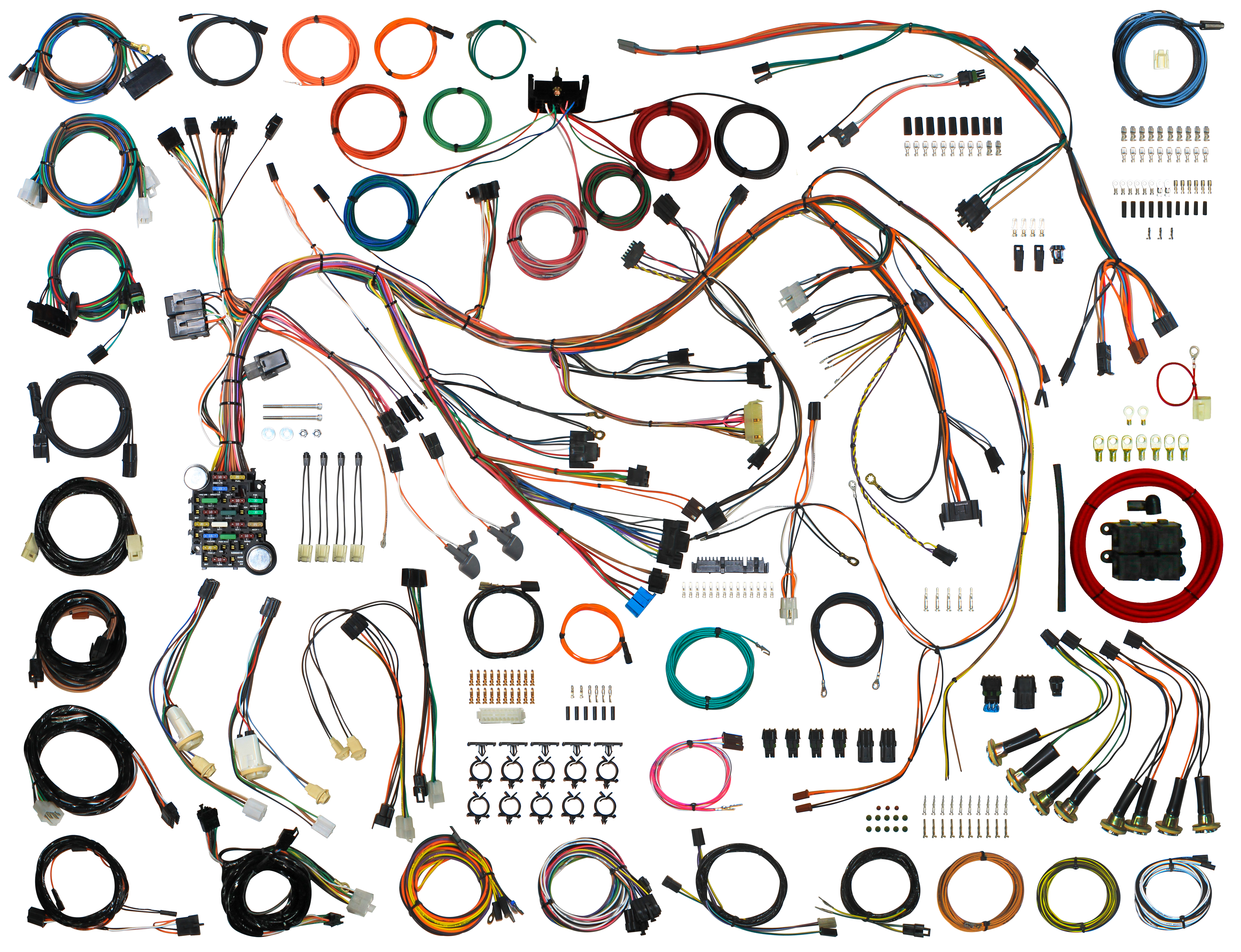
When your harness needs replacement, don’t just pick the cheapest option. Here’s what really matters:
- Fitment: Make sure the harness is made for your year and engine type.
- Quality: Look for thick insulation, strong connectors, and proper wire gauge.
- OEM vs aftermarket: Original equipment (OEM) harnesses fit perfectly but cost more. Aftermarket options can add features, but might require changes.
Consider these differences:
| Type | Pros | Cons |
|---|---|---|
| OEM | Perfect fit, reliable | Higher cost |
| Aftermarket | Possible upgrades, lower price | May need modification |
Non-obvious insight: Some aftermarket harnesses support extra accessories like off-road lights or winches. If you plan upgrades, check compatibility before buying.
Installation Tips And Common Mistakes
Installing a new wiring harness can be simple, but many beginners make mistakes. Here’s how to avoid trouble:
- Disconnect the battery first. Never work on wiring with power connected.
- Label connections. Use tape or tags so you know where each wire goes.
- Check routing. Follow factory paths to avoid rubbing or heat.
- Secure with zip ties. Loose wires can cause shorts.
- Test each connection. Use a multimeter to check continuity.
Mistake to avoid: Many people skip checking grounds. A bad ground can cause strange electrical problems even if the harness is new.
Example: Upgrading For Off-road
If you add off-road lights or a winch, you may need a heavier gauge harness. The stock harness is not built for extra power draw. Upgrading prevents melted wires and electrical fires.
Signs Your Cherokee Xj Needs Harness Attention
Watch for these warning signs:
- Flickering headlights: Often means poor connections.
- Strange gauge readings: May signal damaged wires or sensors.
- Blown fuses: Points to shorts or overloads.
- Burning smell: Indicates melting insulation—stop and check immediately.
Some issues are easy to fix, like a loose connector. Others, such as hidden corrosion, require careful inspection.
Real-world Data: Harness Failure Rates
A 2026 survey of Jeep XJ owners found that 29% experienced wiring harness issues after 20 years of use. Most problems were in the engine bay or rear harness. Owners who upgraded their harnesses reported fewer electrical issues and smoother performance.
Professional Vs Diy Repairs
You can fix small problems yourself, like replacing connectors or cleaning corrosion. But for full harness replacement, consider your skill level. Mistakes can cause bigger issues later.
Professional shops offer:
- Correct fitment
- Warranty
- Quick turnaround
DIY can save money but requires patience and the right tools. If unsure, ask a mechanic for advice.
Where To Buy Quality Harnesses
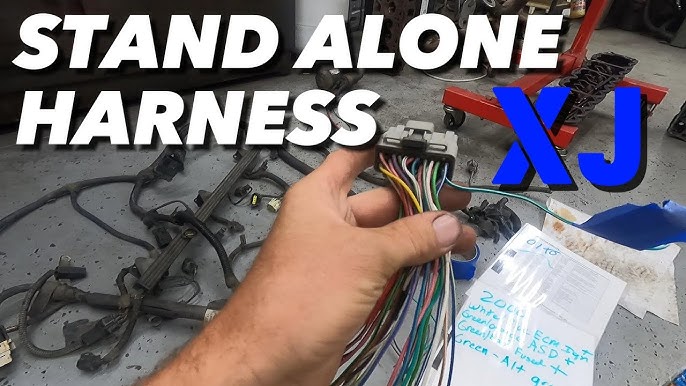
Trusted sources include Jeep dealers, specialist shops, and online platforms. Avoid unknown sellers—poor-quality harnesses can cause expensive damage. For detailed specs and compatibility, check Jeep’s official site.
Frequently Asked Questions
What Year Models Does The Cherokee Xj Harness Fit?
Most harnesses fit 1984–2001 XJ models, but check engine type and trim. Each year may have unique connectors or layouts.
Can I Repair A Damaged Harness Instead Of Replacing It?
Yes, small damage like broken connectors or minor corrosion can be fixed. Use repair kits and seal connections well. For major damage, full replacement is safer.
How Much Does A New Wiring Harness Cost?
Prices range from $150–$500 for OEM or quality aftermarket harnesses. Installation by a shop adds $200–$400.
Will An Upgraded Harness Improve Performance?
If you add accessories or fix old wires, upgrades can prevent voltage drops and give more reliable power. Basic upgrades don’t boost engine power but help electrical systems work better.
Are There Signs Of Harness Wear Before Failure?
Yes. Look for cracked insulation, loose wires, strange smells, or flickering lights. Early signs let you fix the issue before it gets worse.
Taking care of your Jeep Cherokee XJ wiring harness keeps your SUV running strong. Whether you drive daily or hit the trails, knowing how to spot, fix, and upgrade wiring problems will save headaches and boost reliability. With smart choices and attention to detail, your XJ’s electrical system can last for decades.