Replacing the oil pressure sensor in your Jeep Wrangler can seem intimidating if you’re not used to working under the hood. But the process is often more straightforward than you might think, especially when you understand what the sensor does, why it sometimes fails, and how to handle the swap safely.
In this article, you’ll get clear, step-by-step guidance for replacing the oil pressure sensor, learn to recognize symptoms of a failing sensor, and see how to avoid common mistakes. Whether your Wrangler is your daily commuter or your weekend trail rig, keeping an eye on oil pressure is key to a healthy engine.
Let’s break down everything you need to know.
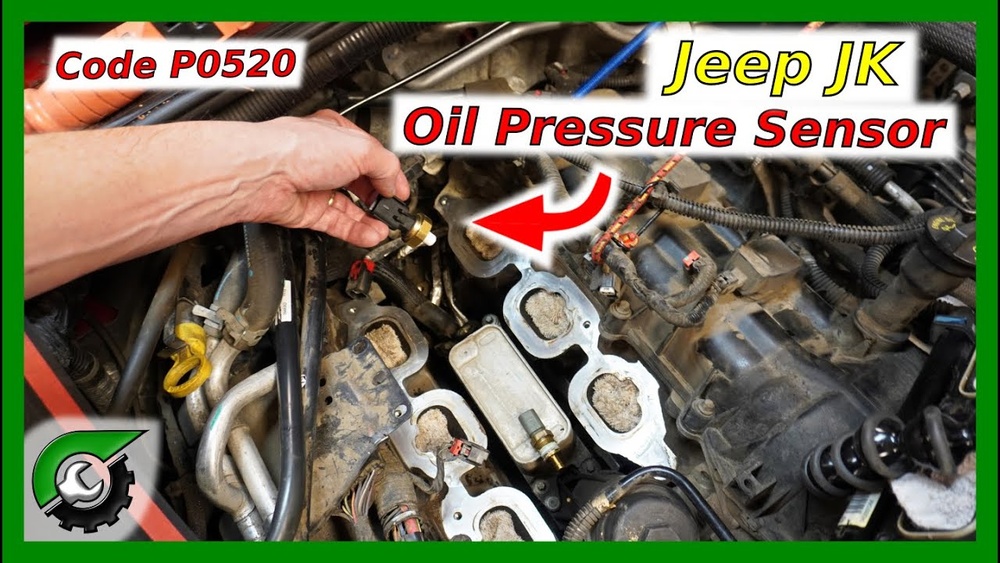
What Does The Oil Pressure Sensor Do?
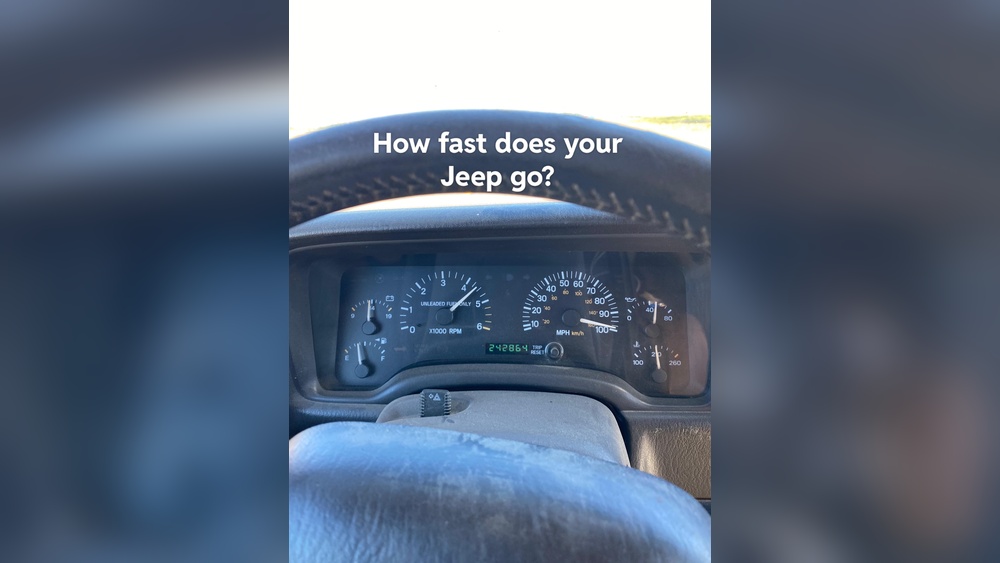
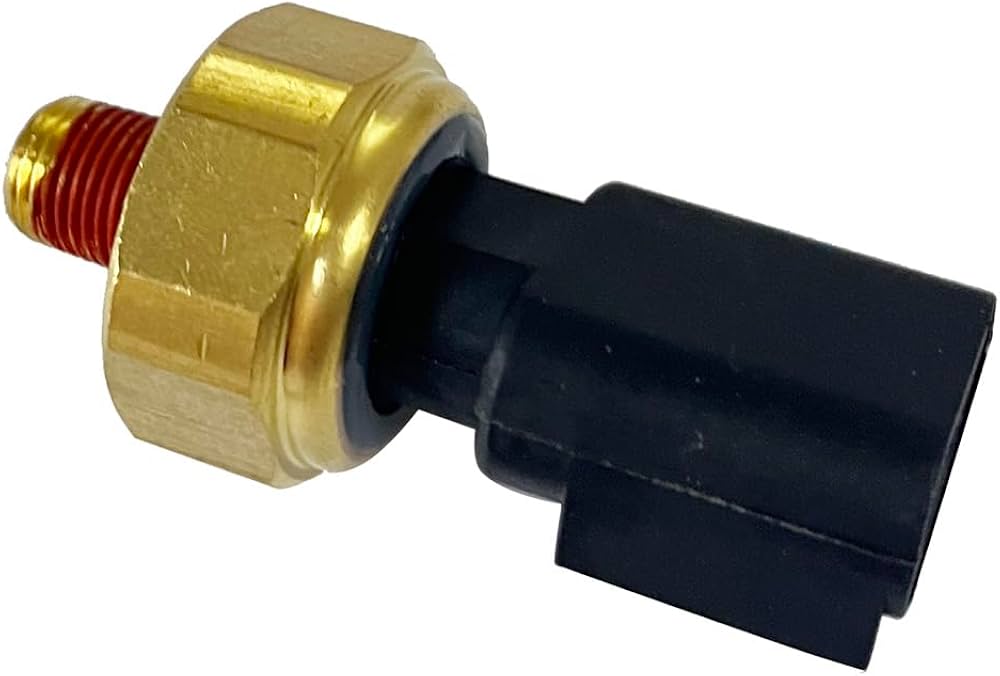
The oil pressure sensor in your Jeep Wrangler monitors the oil pressure inside the engine. It sends this information to your dashboard, usually as a gauge or warning light. If oil pressure drops too low, the sensor triggers a warning so you can stop the engine before serious damage happens. Without this sensor, you might not know your Wrangler is running with little or no oil pressure—a situation that can destroy an engine in minutes.
Many Wranglers (especially JK and JL models from 2007 onward) use an electronic sensor that feeds data to the powertrain control module (PCM) and your dashboard. Older models may use a simpler switch that just turns a light on or off.
Common Signs Of A Failing Oil Pressure Sensor
Spotting a bad oil pressure sensor early can save you money and stress. Here are the most frequent warning signs:
- Oil pressure gauge readings are erratic—the needle jumps or drops suddenly.
- Oil warning light stays on even after checking and confirming oil level is correct.
- Check Engine Light (CEL) appears with related codes (often P0520, P0521, P0522).
- False alarms—oil pressure light flashes but the engine sounds and runs fine.
- No oil pressure reading on the dashboard gauge.
It’s smart to verify that your engine actually has oil and the correct level before assuming the sensor is at fault. Sometimes, a real oil pressure problem triggers these same warnings.
Why The Oil Pressure Sensor Fails
Several factors can cause the sensor in your Wrangler to go bad:
- Age and wear: Sensors can fail after years of heat and vibration.
- Oil contamination: Sludge or dirty oil can clog the sensor.
- Electrical problems: Damaged wiring or connectors can disrupt the signal.
- Physical damage: Road debris or previous repairs can crack the sensor housing.
Jeep Wranglers are often used in tough conditions—off-roading, mud, and water crossings—which can speed up sensor wear compared to regular road vehicles.
Preparing For Replacement
Before you start, gather the right tools and parts. This helps you finish the job smoothly without running for missing items mid-repair.
You’ll need:
- A new oil pressure sensor (ensure it matches your Wrangler’s year and engine)
- 1/16″ or 1/8″ NPT thread socket (usually 27mm or 1-1/16” deep socket)
- Ratchet and extension bar
- Thread sealant (if required by your sensor)
- Clean rag and gloves
- Safety glasses
- Torque wrench (for precise tightening)
Pro tip: Double-check your Wrangler’s engine type (3.6L Pentastar, 3.8L V6, 2.5L/4.0L inline-six, etc.) to get the correct sensor. OEM sensors usually last longer than cheaper aftermarket options.
Step-by-step: How To Replace The Oil Pressure Sensor
Replacing the sensor is usually a one-hour job, even for beginners. Here’s a step-by-step process:
1. Safety First
- Park your Wrangler on level ground.
- Let the engine cool for at least 30 minutes.
- Disconnect the negative battery cable to avoid electrical shorts.
2. Locate The Oil Pressure Sensor
- On most JK and JL Wranglers (2007+), the sensor is at the back of the engine, near the firewall, above the oil filter.
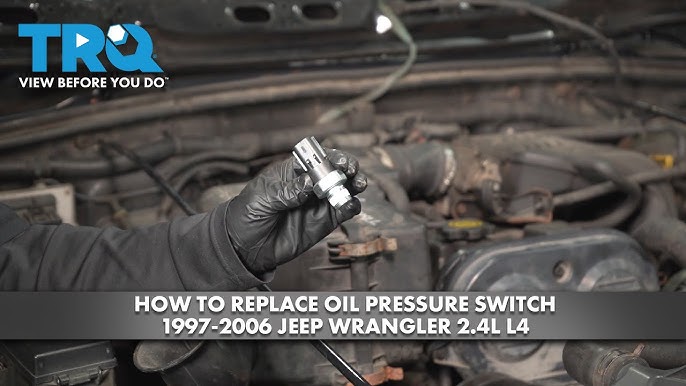
- On older models, it’s usually on the driver’s side of the engine block.
3. Remove Electrical Connector
- Press the tab and gently pull the connector off the sensor.
- Inspect for bent pins or oil inside the connector—clean if needed.
4. Remove The Old Sensor
- Use the deep socket and ratchet to unscrew the sensor.
- Turn counterclockwise until it’s free.
- Some sensors are tight; use a long extension for extra leverage.
5. Prepare And Install The New Sensor
- Apply thread sealant if your sensor’s instructions require it (don’t use Teflon tape unless specified).
- Thread the new sensor in by hand to avoid cross-threading.
- Tighten with a torque wrench to the manufacturer’s recommended spec (usually 13–18 ft-lbs).
6. Reconnect And Test
- Plug the electrical connector back in.
- Reconnect the negative battery cable.
- Start the engine and check for leaks.
- Watch the oil pressure gauge—it should read normal, and warning lights should go off.
Cost Of Oil Pressure Sensor Replacement
The price can vary depending on parts and labor. Here’s a quick comparison:
| Replacement Type | Typical Cost (Parts) | Labor Time | Total Cost (Shop) |
|---|---|---|---|
| DIY | $20–$60 | 1 hour | $20–$60 |
| Dealer/Shop | $40–$120 | 1–1.5 hours | $120–$250 |
DIY saves money, but many owners pay a shop if the sensor is hard to reach.
Common Mistakes To Avoid
Many first-timers run into these issues:
- Over-tightening the sensor, which can crack the housing or strip threads.
- Forgetting thread sealant where required, leading to leaks.
- Cross-threading the new sensor—always start by hand.
- Not checking the electrical connector for oil, dirt, or corrosion.
A less obvious mistake: not clearing the engine codes after replacement. If your Wrangler showed a check engine light, use a scan tool to clear codes, or the light may stay on even if the problem is fixed.
When To Call A Mechanic
While most Wrangler owners can do this job, you might need help if:
- The sensor is in a tight spot (like on 3.6L Pentastar engines).
- The connector is stuck or the wiring looks damaged.
- Oil leaks from the area even after new sensor installation.
A mechanic can check for deeper problems, like low oil pressure from a worn oil pump or clogged engine passages.
How The Oil Pressure Sensor Affects Engine Health
Driving with a faulty oil pressure sensor can be risky. If you ignore real warnings, you might run the engine with low oil pressure, causing:
- Bearing failure
- Engine overheating
- Permanent engine damage
Sometimes, though, a bad sensor gives false alarms that make you worry unnecessarily. Replacing it keeps your dashboard warnings reliable—so you know when there’s a real problem.
Maintenance Tips For Longer Sensor Life
You can make your oil pressure sensor last longer with a few good habits:
- Change oil and filter regularly—dirty oil causes sensor failure.
- Use the recommended oil type for your Wrangler’s engine.
- Inspect wiring and connectors during oil changes.
- Avoid deep water crossings if possible, or clean engine bay afterward.
A simple check at every oil change helps you spot problems early.
Jeep Wrangler Oil Pressure Sensor: Model Comparisons
Not all Wranglers use the same sensor. Here’s a look at common sensor locations and types for popular models:
| Model Year | Engine Type | Sensor Location | Sensor Type |
|---|---|---|---|
| 1997–2006 TJ | 2.5L/4.0L | Driver’s side, engine block | Simple switch |
| 2007–2011 JK | 3.8L V6 | Near oil filter, rear engine | Electronic sensor |
| 2012–2026 JK/JL | 3.6L V6 | Rear, above oil filter | Electronic sensor |
Always check your VIN or consult your owner’s manual to buy the correct sensor.
What To Do If Oil Pressure Is Still Low After Sensor Replacement
If your dashboard still shows low oil pressure after installing a new sensor, don’t keep driving. This could mean:
- Engine is actually low on oil—check the dipstick.
- Oil pump is failing—needs expert diagnosis.
- Clogged oil passages—especially in older/high-mileage engines.
Do not ignore the warning; running the engine with real low oil pressure can cause severe damage.
Real-world Example
A 2015 Jeep Wrangler owner noticed their oil pressure gauge dropped to zero at idle, but the engine sounded normal. After checking oil level and finding it correct, they replaced the sensor (a $35 part). The problem vanished immediately. However, another owner had the same symptoms, but the gauge stayed low even after a new sensor.
In that case, a failing oil pump was the real cause. This shows the importance of diagnosing carefully—don’t just assume it’s always the sensor.
Environmental Impact Of Leaking Oil Sensors
A leaking oil pressure sensor not only risks engine health but can also drip oil onto the ground. Oil leaks pollute water and harm wildlife. Fixing leaks quickly helps protect your local environment and avoids fines for oil spills.
Where To Buy Jeep Wrangler Oil Pressure Sensors
You can find sensors at:
- Jeep dealerships (original parts)
- Auto parts stores (NAPA, AutoZone, Advance Auto)
- Reputable online retailers
Always match the part number to your exact model and year. Beware of very cheap sensors—these often fail sooner.
Frequently Asked Questions
<!– wp:rank-math/faq-block {"questions":[{"id":"faq-question-9996a33e7399","title":"How Long Does It Take To Replace A Jeep Wrangler Oil Pressure Sensor?","content":"Most DIYers can finish the job in 45–90 minutes. If it’s your first time or the sensor is hard to access (like on the 3.6L engine), plan for the higher end of that range.
“,”visible”:true},{“id”:”faq-question-50d19e57f9f8″,”title”:”Can I Drive My Wrangler With A Bad Oil Pressure Sensor?”,”content”:”It’s risky. If the sensor gives false alarms, you might ignore a real problem later. If you’re sure it’s just the sensor, drive only to the repair shop. Never drive with a real oil pressure issue.
“,”visible”:true},{“id”:”faq-question-2e99ec6561fd”,”title”:”How Do I Know If My Oil Pressure Sensor Is Actually Bad?”,”content”:”Check for erratic readings or a warning light with normal engine sounds and oil level. If the sensor is unplugged or the connector is oily, that’s often the cause. A scan tool can help—look for codes like P0520.
“,”visible”:true},{“id”:”faq-question-2cba383de633″,”title”:”Does Replacing The Oil Pressure Sensor Require An Oil Change?”,”content”:”Usually not. The sensor is above the oil line, so you won’t lose much oil. But if the engine is hot or you drop the sensor, a small amount may leak—keep a rag handy.
“,”visible”:true},{“id”:”faq-question-a7c2f5e6e0e3″,”title”:”What Happens If I Use The Wrong Oil Pressure Sensor?”,”content”:”The gauge may not work, or you may get false warnings. Always use the correct part number for your Wrangler’s model year and engine.
Taking care of your Jeep Wrangler’s oil pressure sensor is a small step that makes a big difference in engine health. With the right part, some patience, and a bit of know-how, most owners can handle this repair confidently. For more technical details, you can check the Wikipedia page on oil pressure. Regular maintenance and quick action at the first sign of trouble will keep your Wrangler ready for miles of adventure—on or off the road.
“,”visible”:true}]} –>How Long Does It Take To Replace A Jeep Wrangler Oil Pressure Sensor?
Most DIYers can finish the job in 45–90 minutes. If it’s your first time or the sensor is hard to access (like on the 3.6L engine), plan for the higher end of that range.
Can I Drive My Wrangler With A Bad Oil Pressure Sensor?
It’s risky. If the sensor gives false alarms, you might ignore a real problem later. If you’re sure it’s just the sensor, drive only to the repair shop. Never drive with a real oil pressure issue.
How Do I Know If My Oil Pressure Sensor Is Actually Bad?
Check for erratic readings or a warning light with normal engine sounds and oil level. If the sensor is unplugged or the connector is oily, that’s often the cause. A scan tool can help—look for codes like P0520.
Does Replacing The Oil Pressure Sensor Require An Oil Change?
Usually not. The sensor is above the oil line, so you won’t lose much oil. But if the engine is hot or you drop the sensor, a small amount may leak—keep a rag handy.
What Happens If I Use The Wrong Oil Pressure Sensor?
The gauge may not work, or you may get false warnings. Always use the correct part number for your Wrangler’s model year and engine.
Taking care of your Jeep Wrangler’s oil pressure sensor is a small step that makes a big difference in engine health. With the right part, some patience, and a bit of know-how, most owners can handle this repair confidently. For more technical details, you can check the Wikipedia page on oil pressure. Regular maintenance and quick action at the first sign of trouble will keep your Wrangler ready for miles of adventure—on or off the road.