The Jeep Grand Cherokee 4. 0 is a true American classic, known for its rugged reliability and off-road strength.
One key part that affects both its power and its iconic sound is the exhaust system. If you own or plan to upgrade a Grand Cherokee 4.
0, understanding the exhaust system is essential. This article breaks down the main parts of the system, how each works, and what to consider if you want to replace or upgrade them.
Overview Of The Jeep Grand Cherokee 4.0 Exhaust System
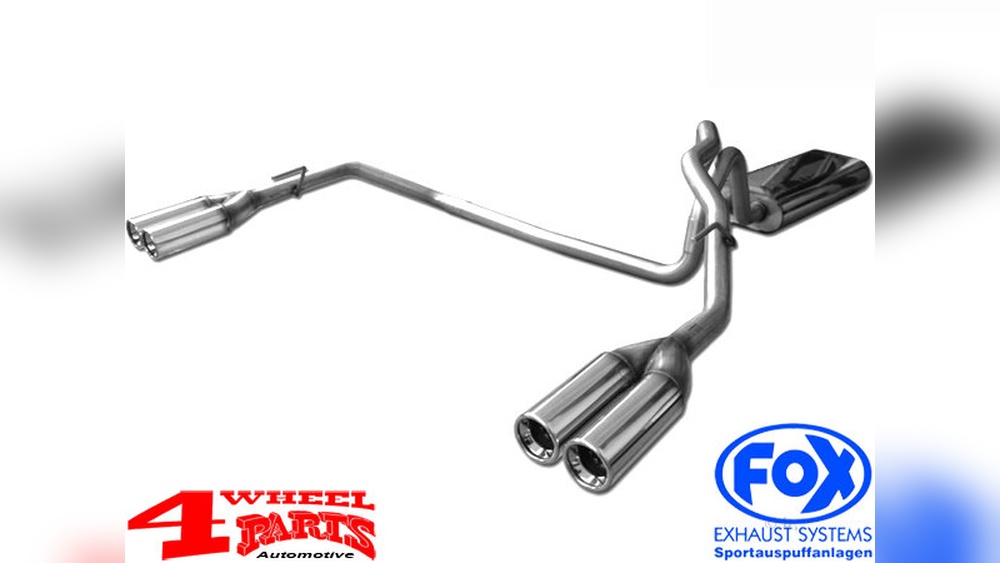
The exhaust system on the Jeep Grand Cherokee 4.0 is designed to direct gases away from the engine, reduce noise, and minimize harmful emissions. A well-maintained system can boost performance, improve fuel economy, and keep your vehicle running smoothly.
The system is made up of four main components:
- Exhaust manifold
- Catalytic converter
- Muffler
- Tailpipe
Each plays a unique role. Let’s look at them one by one.
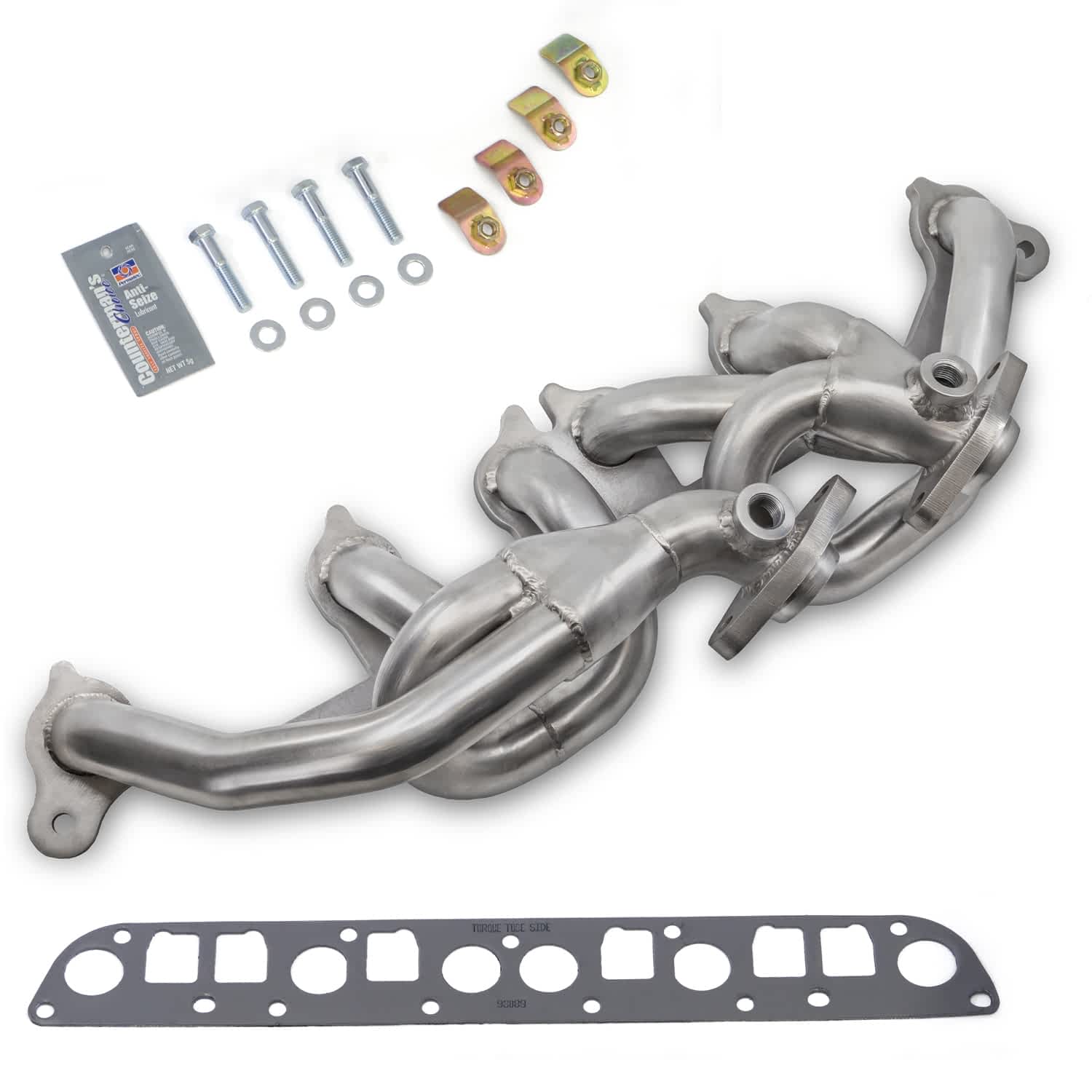
Exhaust Manifold
The exhaust manifold is the first part of the exhaust system. It connects directly to the engine and collects exhaust gases from each cylinder.
Function And Importance
The manifold’s job is to gather hot gases from the engine and channel them into the rest of the exhaust system. It’s usually made of cast iron or stainless steel, built to handle high temperatures.
A cracked or leaking manifold can cause:
- Loud noises near the engine
- Reduced engine performance
- Check Engine Light warnings
Tips For Owners
- Check the manifold for cracks, especially if you hear ticking sounds after a cold start.
- Replacing with a performance manifold can improve horsepower but may increase noise.
Common Mistakes
Many beginners ignore small cracks, thinking they are harmless. Over time, these can lead to bigger problems like engine misfires.
Catalytic Converter
The catalytic converter is a key part for reducing pollution. It sits after the manifold, cleaning the exhaust gases before they reach the muffler.
How It Works
Inside, the converter uses precious metals (like platinum and palladium) to change harmful gases into safer ones. For the Grand Cherokee 4.0, this means turning carbon monoxide, hydrocarbons, and nitrogen oxides into less dangerous substances.
What To Watch For
- A failing converter often triggers the Check Engine Light.
- You may notice a rotten egg smell or reduced acceleration.
Replacement And Upgrades
- Always choose a converter that matches local emission rules.
- High-flow converters can boost performance but may not pass emissions tests in some states.
Non-obvious Insight
Many people overlook the impact of a clogged converter on fuel economy. If your MPG drops suddenly, this could be the cause.
Muffler
The muffler is the part most people associate with exhaust noise. Its main job is to quiet the sound of the engine, but it also affects performance.
Types Of Mufflers
There are several types:
- Chambered (stock): Quietest, good for daily driving.
- Glasspack: Louder, with a classic rumble.
- Performance mufflers: Balance noise and power.
Comparison Of Muffler Types
| Muffler Type | Sound Level | Performance | Cost |
|---|---|---|---|
| Chambered (Stock) | Low | Standard | $$ |
| Glasspack | High | Moderate | $ |
| Performance | Medium | High | $$$ |
Upgrade Tips
- Choose a muffler that fits your driving style. If you want quiet, stick with stock or chambered.
- If you tow or off-road, a performance muffler can help release more power.
Mistake To Avoid
Do not remove the muffler completely. This can make your Jeep too loud and illegal in many areas.
Tailpipe
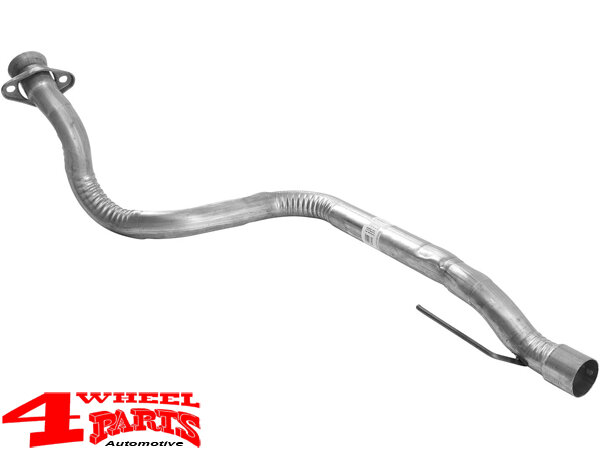
The tailpipe is the last section of the exhaust system. It carries gases from the muffler out into the open air.
Design And Materials
Most stock tailpipes are made from mild steel, which can rust over time. Stainless steel options last longer and look better.
Tailpipe Comparison
| Material | Durability | Cost | Appearance |
|---|---|---|---|
| Mild Steel | Moderate | Low | Basic |
| Stainless Steel | High | Higher | Shiny |
Customization
Some drivers add chrome tips for style, but this does not change performance. For off-roaders, a high-clearance tailpipe helps avoid damage.
Non-obvious Insight
Rust often starts on the inside of the tailpipe. Regular inspections and cleaning can extend its life.
Should You Upgrade Your Exhaust System?
Many Jeep Grand Cherokee 4. 0 owners consider upgrading their exhaust for more power, better sound, or improved fuel economy.
Benefits Of Upgrading
- Increased horsepower (often 5–10 HP)
- Deeper, richer exhaust note
- Improved fuel efficiency (in some cases)
Drawbacks
- May increase noise beyond legal limits
- Some upgrades may not pass emissions tests
Practical Example
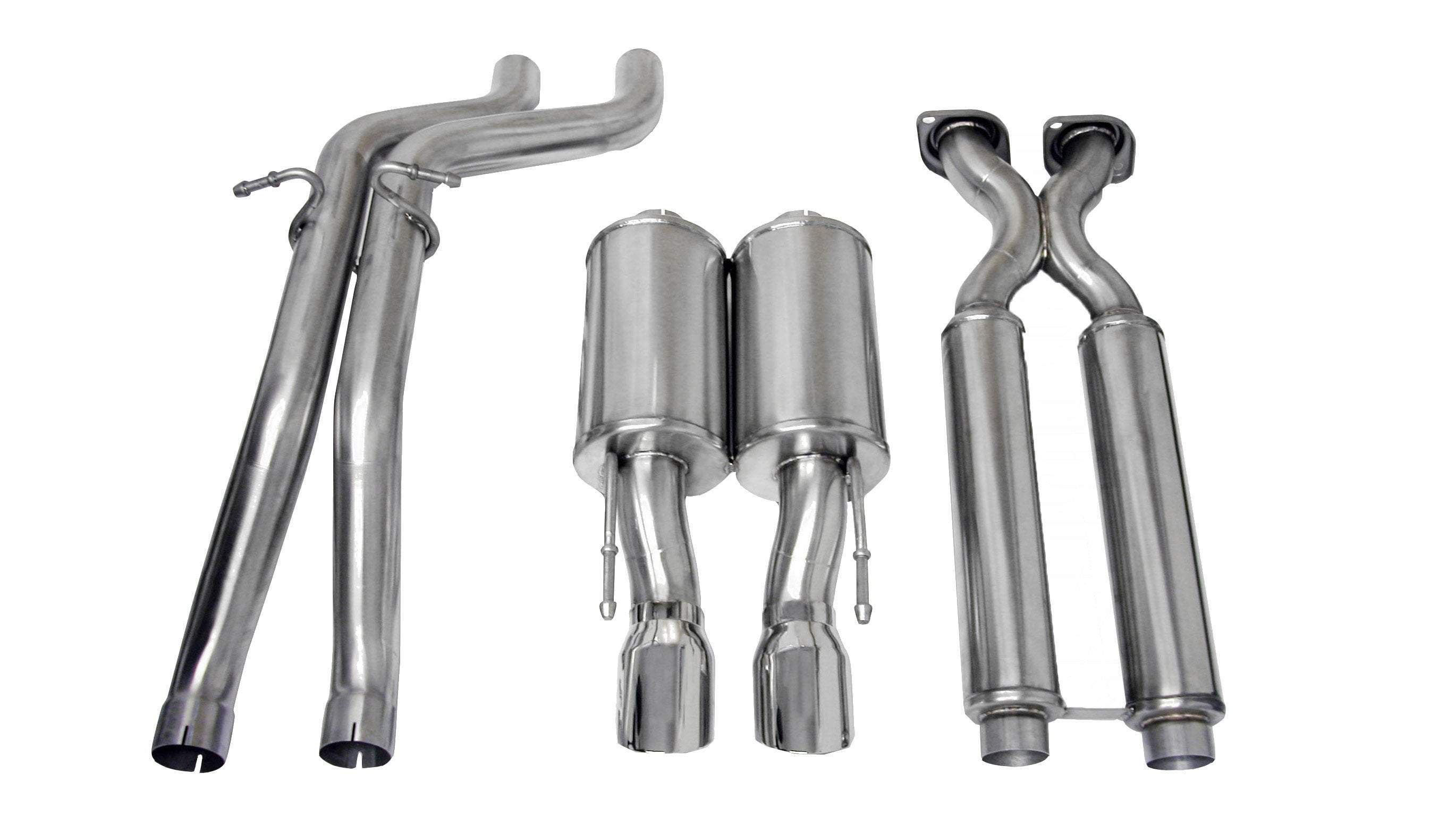
A well-chosen cat-back exhaust system (replacing everything after the catalytic converter) offers a good balance of sound, power, and legality.
Cost Overview
Here’s a general idea of what you might pay for each main part:
| Exhaust Part | OEM Price Range | Aftermarket Price Range |
|---|---|---|
| Exhaust Manifold | $120 – $300 | $150 – $350 |
| Catalytic Converter | $350 – $800 | $200 – $600 |
| Muffler | $70 – $150 | $50 – $250 |
| Tailpipe | $40 – $80 | $30 – $120 |
Prices can vary by location, brand, and whether you choose DIY or professional installation.
Installation: Diy Or Pro?
Some Jeep owners choose to install exhaust parts themselves to save money. However, mistakes—like loose connections or poor welding—can lead to leaks or failed emissions tests.
If you lack experience or proper tools, hiring a professional is the safer choice. For more details, check resources like the official Jeep Grand Cherokee Wikipedia page.
Frequently Asked Questions
<!– wp:rank-math/faq-block {"questions":[{"id":"faq-question-3867531d10de","title":"How Do I Know If My Exhaust Manifold Is Bad?","content":"A failing exhaust manifold usually causes a ticking noise near the engine, poor acceleration, and sometimes a burning smell. You may also notice increased engine noise or see the Check Engine Light.
“,”visible”:true},{“id”:”faq-question-81aa1f0452fa”,”title”:”Can A Bad Catalytic Converter Damage My Engine?”,”content”:”While a bad converter will not directly damage the engine, it can cause higher backpressure, leading to poor performance and possible engine misfires over time.
“,”visible”:true},{“id”:”faq-question-9a7eba1591e3″,”title”:”Is A Louder Muffler Better For Performance?”,”content”:”Not always. Some performance mufflers do increase power, but extreme noise does not always mean better performance. The best muffler balances sound, flow, and legal requirements.
“,”visible”:true},{“id”:”faq-question-a2b19895273a”,”title”:”How Long Does A Tailpipe Last?”,”content”:”A stock tailpipe lasts 5–7 years in normal conditions. In areas with road salt, it may corrode faster. Stainless steel versions can last much longer.
“,”visible”:true},{“id”:”faq-question-7302c655ba92″,”title”:”Will Upgrading My Exhaust Improve Fuel Economy?”,”content”:”Upgrades can improve fuel efficiency, but gains are usually small (1–2 MPG). The biggest impact comes from fixing leaks or replacing clogged components.
The Jeep Grand Cherokee 4. 0 exhaust system is more than just pipes and metal. Understanding each part helps you make smart choices for repairs or upgrades. Regular care ensures your Jeep stays strong on and off the road.
“,”visible”:true}]} –>How Do I Know If My Exhaust Manifold Is Bad?
A failing exhaust manifold usually causes a ticking noise near the engine, poor acceleration, and sometimes a burning smell. You may also notice increased engine noise or see the Check Engine Light.
Can A Bad Catalytic Converter Damage My Engine?
While a bad converter will not directly damage the engine, it can cause higher backpressure, leading to poor performance and possible engine misfires over time.
Is A Louder Muffler Better For Performance?
Not always. Some performance mufflers do increase power, but extreme noise does not always mean better performance. The best muffler balances sound, flow, and legal requirements.
How Long Does A Tailpipe Last?
A stock tailpipe lasts 5–7 years in normal conditions. In areas with road salt, it may corrode faster. Stainless steel versions can last much longer.
Will Upgrading My Exhaust Improve Fuel Economy?
Upgrades can improve fuel efficiency, but gains are usually small (1–2 MPG). The biggest impact comes from fixing leaks or replacing clogged components.
The Jeep Grand Cherokee 4. 0 exhaust system is more than just pipes and metal. Understanding each part helps you make smart choices for repairs or upgrades. Regular care ensures your Jeep stays strong on and off the road.