If your Jeep Cherokee isn’t blowing warm air in winter, or you notice coolant leaking under the hood, you might have a heater hose problem. Replacing the heater hose is not too complex, but it’s important to do it right to avoid bigger engine issues later.
Many owners put off this repair, thinking it’s minor, but a damaged heater hose can quickly lead to overheating and expensive repairs.
This guide explains everything you need to know about Jeep Cherokee heater hose replacement. We’ll walk through signs of failure, step-by-step replacement, costs, and what to watch out for—even if you’re new to car repair.
What Does The Heater Hose Do?
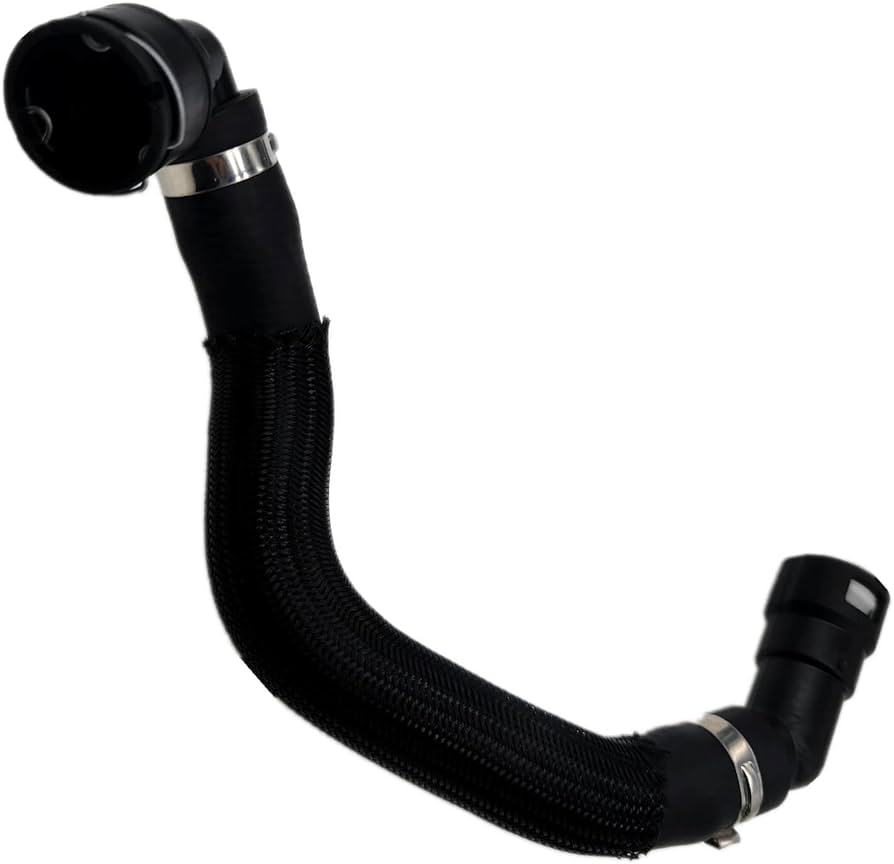
The heater hose carries hot coolant from the engine to your heater core. This allows warm air to blow into your cabin when you turn on the heat. It’s a flexible rubber hose, but over time, it can crack, swell, or leak due to heat and pressure.
A failure here can be more than just cold feet—leaks can cause low coolant levels and engine overheating. That’s why it’s smart to fix issues quickly.
Signs Your Heater Hose Needs Replacement
Watch for these warning signs:
- Coolant leaks under your Jeep (usually green or orange puddles).
- Sweet smell coming from the engine area—this is leaking coolant.
- Engine overheating or temperature gauge running higher than normal.
- Soft, cracked, or swollen hoses visible under the hood.
- No heat from cabin vents, even when the engine is warm.
Catching these early can help prevent a breakdown or engine damage.
Tools And Parts You’ll Need
You don’t need advanced tools for this job. Here’s what you should gather before starting:
- New heater hose (specific to your Jeep Cherokee model/year)
- Coolant (check your owner’s manual for type)
- Hose clamp pliers or regular pliers
- Screwdriver (usually flathead)
- Drain pan for old coolant
- Gloves and safety glasses
- Rags for cleanup
Sometimes, you’ll also need a socket wrench set for tighter hose clamps.
Step-by-step: Replacing The Heater Hose
The process is straightforward, but it helps to follow each step carefully. Here’s how to replace the heater hose on most Jeep Cherokees (especially XJ and KL models):
- Let the engine cool fully. Hot coolant can cause serious burns.
- Disconnect the battery to avoid electrical shorts.
- Locate the heater hoses. Usually, two hoses run from the firewall (at the back of the engine bay) to the engine.
- Place a drain pan under the vehicle. Open the radiator drain plug to let out some coolant—enough to lower the level below the heater hose.
- Remove the hose clamps with pliers or a screwdriver. Slide them back along the hose.
- Twist and pull off the old hose. Sometimes, hoses stick; gently twist to break the seal, but don’t force it.
- Clean the hose fittings on the engine and firewall with a rag.
- Install the new hose. Press it onto the fittings fully and make sure it’s snug.
- Reposition and tighten the clamps securely.
- Refill coolant to the correct level.
- Reconnect the battery.
- Start the engine and check for leaks. Let the engine reach temperature and top off coolant if needed.
Typical Replacement Times
Here’s a quick look at how long this job might take:
| Experience Level | Estimated Time |
|---|---|
| Beginner | 1.5–2 hours |
| Intermediate | 1 hour |
| Professional | 30–45 minutes |
Allow extra time if you’ve never done it before. Rushing can lead to mistakes or broken parts.
Cost Breakdown: Diy Vs. Shop
Wondering if you should do it yourself or pay a mechanic? Here’s a cost comparison:
| Option | Parts | Labor | Total Cost (USD) |
|---|---|---|---|
| DIY | $20–$60 | $0 | $20–$60 |
| Professional Shop | $20–$60 | $80–$120 | $100–$180 |
Labor is the biggest cost at a shop. Doing it yourself can save over $100, but only if you’re comfortable with basic repairs.
Common Mistakes To Avoid
Many DIYers make simple mistakes that can cause headaches later. Here are common pitfalls:
- Not letting the engine cool before starting work—always wait!
- Forgetting to refill coolant or not bleeding air from the system. Air pockets can cause overheating.
- Using universal hoses instead of model-specific ones. Always buy the correct hose for your Cherokee.
- Reusing old clamps that are rusty or weak. Weak clamps can lead to leaks.
A good tip: After finishing, check for leaks again the next day. Sometimes issues appear after a few heat cycles.
When To Replace Both Hoses
Jeep Cherokees have two heater hoses: one for hot coolant to the heater core, one for return. If one hose is failing, the other may not be far behind—especially in older vehicles. Replacing both hoses at once can save time and prevent future breakdowns.
Genuine Vs Aftermarket Hoses
Should you buy a genuine Jeep part or an aftermarket hose? Here’s a quick comparison:
| Type | Pros | Cons |
|---|---|---|
| Genuine OEM | Perfect fit, reliable quality | Higher price |
| Aftermarket | Lower cost, wider selection | Fit/quality can vary |
OEM hoses are best if you want long-term reliability. Some aftermarket brands are excellent, but check reviews and make sure the hose matches your year and engine size.
Extra Tips For Success
- Always check your owner’s manual for coolant type—mixing types can cause engine trouble.
- If your heater core is old or clogged, consider flushing or replacing it during the job.
- Make sure clamps are tight but not over-tightened (which can cut the hose).
- Dispose of old coolant safely—it’s toxic to pets and wildlife.
If you’re unsure about any step, watch a video for your exact model or ask a mechanic for advice. There are many helpful guides and forums, such as Cherokee Forum.
Frequently Asked Questions
<!– wp:rank-math/faq-block {"questions":[{"id":"faq-question-fc21af0328ba","title":"How Often Should I Replace The Heater Hose On My Jeep Cherokee?","content":"Most hoses last 8–10 years, but replace them if you see cracks, swelling, or leaks. It’s smart to check hoses every oil change.
“,”visible”:true},{“id”:”faq-question-4ddbbb5eea2e”,”title”:”Can I Drive With A Leaking Heater Hose?”,”content”:”It’s risky. A small leak can quickly become a big one, causing engine overheating and possible damage. Fix leaks as soon as possible.
“,”visible”:true},{“id”:”faq-question-a913380a942f”,”title”:”Do I Need To Bleed The Cooling System After Hose Replacement?”,”content”:”Yes. Bleeding removes air pockets. Run the engine with the radiator cap off and heater set to high until bubbles stop.
“,”visible”:true},{“id”:”faq-question-f739395a34a4″,”title”:”What Coolant Should I Use In My Jeep Cherokee?”,”content”:”Check your owner’s manual. Most Cherokees use HOAT or OAT coolants. Never mix types, as it can cause clogging.
“,”visible”:true},{“id”:”faq-question-c45e5f822c80″,”title”:”Is It Worth Replacing Both Heater Hoses At Once?”,”content”:”Yes, if one is worn, the other often is too. Replacing both saves time and reduces the chance of another leak soon.
Replacing the Jeep Cherokee heater hose isn’t hard, but doing it right protects your engine and keeps you warm in winter. With the right parts and a little patience, you can save money and keep your Cherokee running smoothly for years.
“,”visible”:true}]} –>How Often Should I Replace The Heater Hose On My Jeep Cherokee?
Most hoses last 8–10 years, but replace them if you see cracks, swelling, or leaks. It’s smart to check hoses every oil change.
Can I Drive With A Leaking Heater Hose?
It’s risky. A small leak can quickly become a big one, causing engine overheating and possible damage. Fix leaks as soon as possible.
Do I Need To Bleed The Cooling System After Hose Replacement?
Yes. Bleeding removes air pockets. Run the engine with the radiator cap off and heater set to high until bubbles stop.
What Coolant Should I Use In My Jeep Cherokee?
Check your owner’s manual. Most Cherokees use HOAT or OAT coolants. Never mix types, as it can cause clogging.
Is It Worth Replacing Both Heater Hoses At Once?
Yes, if one is worn, the other often is too. Replacing both saves time and reduces the chance of another leak soon.
Replacing the Jeep Cherokee heater hose isn’t hard, but doing it right protects your engine and keeps you warm in winter. With the right parts and a little patience, you can save money and keep your Cherokee running smoothly for years.