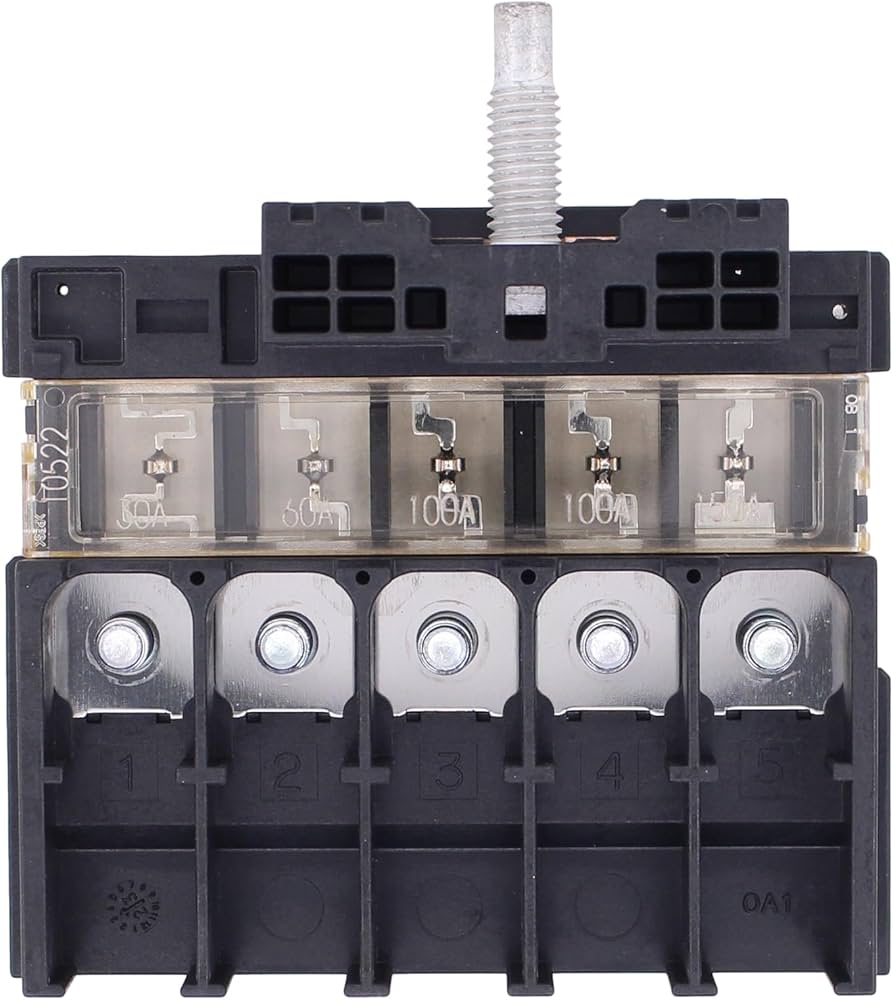
Owning a Jeep Grand Cherokee brings adventure and comfort, but electrical problems can turn excitement into frustration. At the center of most electrical troubleshooting is the fuse box—a small but crucial component in your vehicle.
Knowing how the fuse box works, where it’s located, and how to handle common issues can save you time, money, and stress.
Understanding The Fuse Box
The fuse box is like a control center for your Jeep Grand Cherokee’s electrical system. It holds fuses that protect circuits from overloads or short circuits. If something goes wrong—a blown fuse, for example—certain features like headlights, radio, or power windows may stop working.
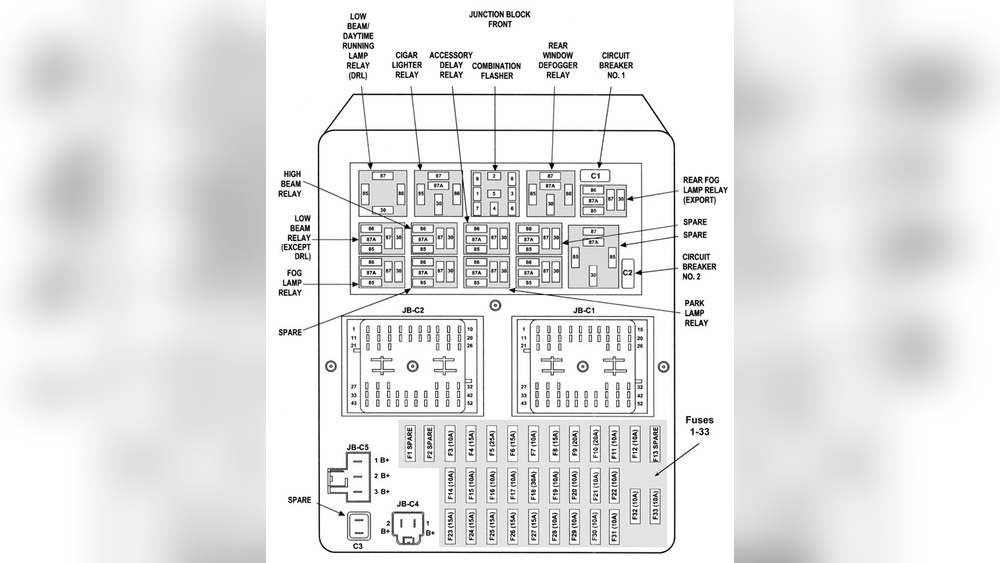
Most Grand Cherokees have two main fuse boxes:
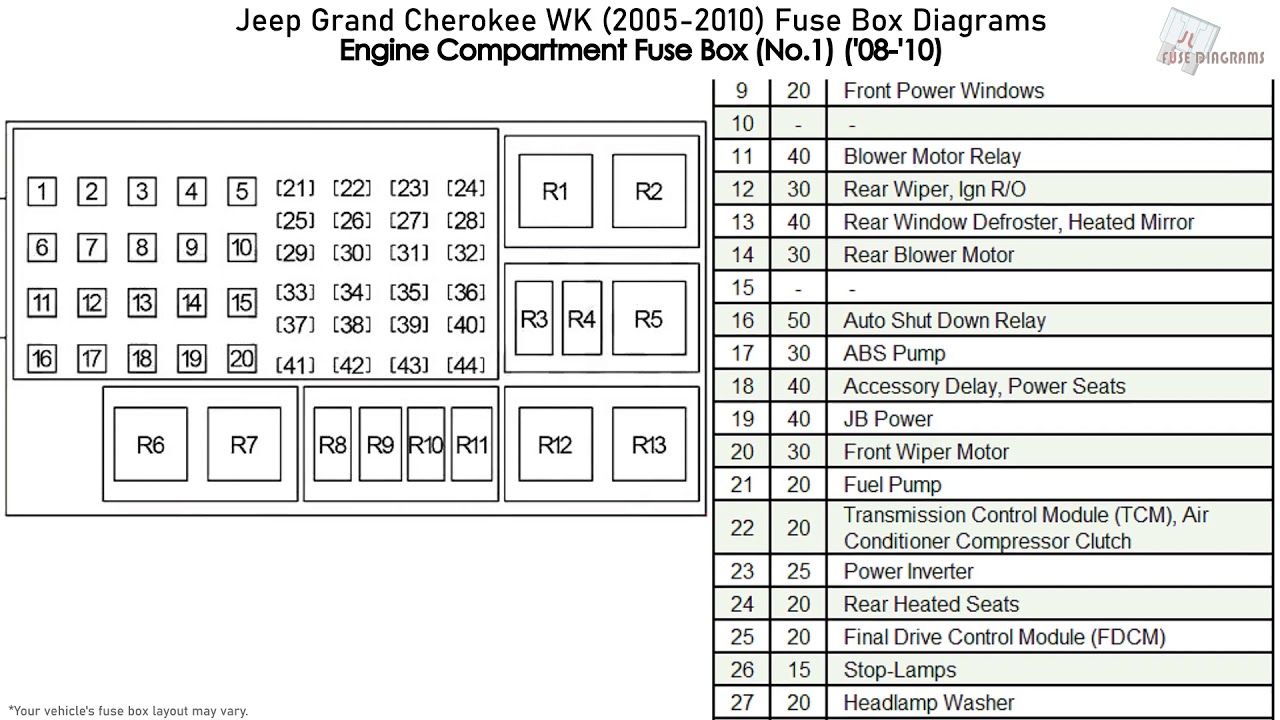
- Power Distribution Center (PDC): Located under the hood, this controls major functions like engine management and cooling.
- Interior Fuse Panel: Found beneath the dashboard, it handles features inside the cabin, like lights and entertainment.
Here’s a quick comparison between the two:
| Fuse Box Location | Main Function | Commonly Protected Parts |
|---|---|---|
| Under hood (PDC) | Engine, core electronics | Starter, cooling fan, ABS |
| Under dashboard | Interior features | Radio, lights, power seats |
Locating The Fuse Box In Your Jeep Grand Cherokee
Finding the fuse box is simple but varies by model year. In most modern Grand Cherokees (2011 and later), the Power Distribution Center is under the hood, near the battery. The interior fuse box sits beneath the steering wheel, behind a plastic cover.
For older models, the interior fuse box may be on the passenger side or behind the glove compartment. Always check your owner’s manual for the exact location.
Why does this matter? If your Jeep won’t start or the radio stops working, checking the correct fuse box saves time.
How To Check And Replace Fuses
If an electrical feature stops working, a blown fuse is often the cause. Here’s how to check and replace a fuse in your Grand Cherokee:
- Turn off the ignition and all electrical features.
- Open the fuse box cover. Most covers have a diagram showing which fuse controls each function.
- Find the suspect fuse based on the diagram.
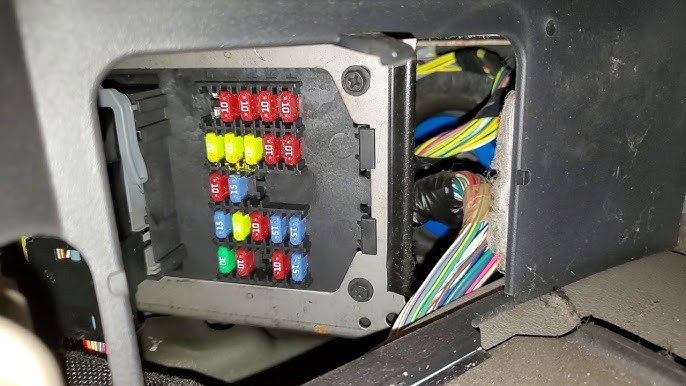
- Pull out the fuse with a fuse puller or tweezers. Look for a broken metal strip inside.
- If the fuse is blown, replace it with one of the same amperage rating.
You should never use a fuse with a higher rating. It may cause damage or even fire.
Here’s a quick comparison of fuse ratings and their typical uses:
| Fuse Rating (Amp) | Common Use | Color |
|---|---|---|
| 10A | Radio, interior lights | Red |
| 20A | Power seats, windows | Yellow |
| 30A | Cooling fan, ABS | Green |
Common Fuse Box Problems And Solutions
Many Jeep Grand Cherokee owners face fuse box issues. Here are some of the most common problems:
- Blown Fuses: Usually caused by electrical surges or faulty equipment.
- Corroded Connections: Moisture can lead to rust, especially in the under-hood box.
- Loose Fuses: Vibration may cause fuses to shift, breaking contact.
- Mismatched Fuses: Using the wrong rating can cause repeated failures.
If you notice repeated fuse blowouts, this may signal a deeper electrical issue. In these cases, consult a certified mechanic. Sometimes fuse box problems are linked to water leaks or worn wiring. Keeping the box clean and dry helps prevent many issues.
Fuse Box Diagram And Labels
Every Jeep Grand Cherokee fuse box comes with a diagram. This diagram shows which fuse protects which circuit. For example, fuse #15 may control the headlights, while fuse #22 protects the radio. The diagram is usually printed inside the fuse box cover or in the owner’s manual.
Here’s an example for clarity:
| Fuse Number | Protected Circuit | Rating |
|---|---|---|
| 15 | Headlights | 20A |
| 22 | Radio | 10A |
| 30 | Power Windows | 20A |
Understanding these labels is important. It allows you to quickly fix minor electrical problems without guessing.
Tips For Safe Fuse Box Maintenance
Taking care of your Jeep Grand Cherokee’s fuse box prevents future headaches. Here are some practical tips:
- Keep it dry: Moisture causes corrosion and electrical shorts.
- Use correct fuses: Always match the rating and color.
- Check regularly: Inspect for loose or damaged fuses every few months.
- Replace covers firmly: Protects from dust and water.
- Disconnect battery: Before replacing fuses, disconnect the battery for extra safety.
Non-obvious insight: Many owners forget that fuse box issues can affect remote start and keyless entry systems. Problems here might not seem related to the fuse box, but they often are. Another tip—never force a fuse into place. If it doesn’t fit easily, it’s the wrong size.
When To Seek Professional Help
Some problems go beyond a simple fuse replacement. If you see melted plastic, a burning smell, or repeated failures, it’s time for professional help. Electrical issues can become dangerous if ignored. A certified mechanic can diagnose wiring faults, faulty relays, or water damage.
For deeper information, you can check official resources like the Jeep Owner’s Manual.
Frequently Asked Questions
<!– wp:rank-math/faq-block {"questions":[{"id":"faq-question-b4e12fac5e4c","title":"Where Is The Fuse Box In A Jeep Grand Cherokee?","content":"Most models have two fuse boxes: one under the hood near the battery, and another inside, beneath the dashboard or behind the glove compartment.
“,”visible”:true},{“id”:”faq-question-f76e098dab04″,”title”:”What Should I Do If My Jeep Keeps Blowing Fuses?”,”content”:”Repeated fuse blowouts usually mean there’s a short circuit or faulty wiring. Check for moisture, loose wires, or consult a mechanic for proper diagnosis.
“,”visible”:true},{“id”:”faq-question-3d832c9f69c3″,”title”:”Can I Use A Higher-rated Fuse If The Original Keeps Blowing?”,”content”:”No. Using a higher-rated fuse may cause damage or fire. Always use the same rating as listed in your owner’s manual or fuse box diagram.
“,”visible”:true},{“id”:”faq-question-a25ed42a2ecf”,”title”:”How Often Should I Check My Fuse Box?”,”content”:”Inspect the fuse box every few months, especially after driving in wet or dusty conditions. Regular checks help spot issues early.
“,”visible”:true},{“id”:”faq-question-d669a573901d”,”title”:”Are Fuse Box Problems Common In Jeep Grand Cherokees?”,”content”:”Fuse box issues are not rare, especially in older models or after exposure to water. Keeping the box clean and dry reduces the chance of problems.
A well-maintained fuse box keeps your Jeep Grand Cherokee reliable and safe. Understanding how it works, where to find it, and how to fix simple issues empowers you as an owner. With good care and the right knowledge, you can handle most electrical troubles quickly and confidently.
“,”visible”:true}]} –>Where Is The Fuse Box In A Jeep Grand Cherokee?
Most models have two fuse boxes: one under the hood near the battery, and another inside, beneath the dashboard or behind the glove compartment.
What Should I Do If My Jeep Keeps Blowing Fuses?
Repeated fuse blowouts usually mean there’s a short circuit or faulty wiring. Check for moisture, loose wires, or consult a mechanic for proper diagnosis.
Can I Use A Higher-rated Fuse If The Original Keeps Blowing?
No. Using a higher-rated fuse may cause damage or fire. Always use the same rating as listed in your owner’s manual or fuse box diagram.
How Often Should I Check My Fuse Box?
Inspect the fuse box every few months, especially after driving in wet or dusty conditions. Regular checks help spot issues early.
Are Fuse Box Problems Common In Jeep Grand Cherokees?
Fuse box issues are not rare, especially in older models or after exposure to water. Keeping the box clean and dry reduces the chance of problems.
A well-maintained fuse box keeps your Jeep Grand Cherokee reliable and safe. Understanding how it works, where to find it, and how to fix simple issues empowers you as an owner. With good care and the right knowledge, you can handle most electrical troubles quickly and confidently.